
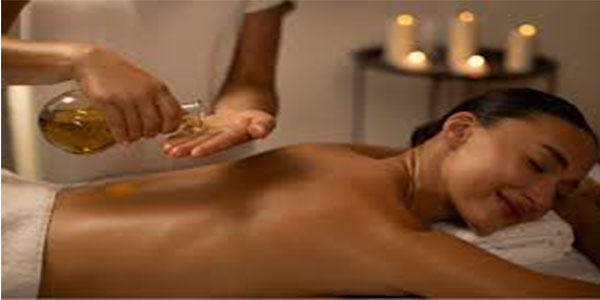
If you’ve been running on stress, tight shoulders, and a busy mind, a good massage can feel like a reset. Add the right scent to it, and that calm can sink in even faster.
Aromatherapy Massage is a full-body massage that uses essential oils to support both the body and your mood. The oils aren’t applied straight to skin, they’re diluted in a carrier oil (like jojoba, sweet almond, or grapeseed) so they glide well and help reduce irritation.
What makes aromatherapy different is how personal it can be. Your therapist can choose oils based on what you want most, better sleep, stress relief, a steadier mood, or extra comfort for tired muscles. Popular picks often include lavender for winding down, bergamot for easing tension, and eucalyptus or peppermint when you want that “clear head” feeling (used carefully and in the right dilution).
In this guide, you’ll learn how aromatherapy massage works, which oils are commonly used and why, the real benefits people notice, simple safety tips (including allergies and pregnancy cautions), what to expect during your first session, and how to choose the right style and pressure for your goals.
What happens in an aromatherapy massage (and how it works in your body)
An Aromatherapy Massage feels like two therapies happening at once: a relaxing full-body massage, plus carefully chosen essential oils that you breathe in and absorb through your skin. Most sessions start with a quick chat about how you want to feel afterward (calmer, more grounded, less tense, more clear-headed), then your therapist blends a small amount of essential oil into a carrier oil and begins with slow, steady strokes. Pressure is usually light to medium, because the goal is to help your body soften, not fight back.
The oils work through two main pathways:
- Breathing in the scent: aroma signals travel from your nose to brain areas linked to mood and stress response. That’s why you can feel a shift quickly, sometimes within minutes.
- Skin absorption: diluted oils spread over the skin during massage, and small amounts absorb gradually while the hands warm the tissue and increase circulation locally.
This isn’t a cure for medical conditions, but it can strongly support relaxation, comfort, and stress relief, especially when you’re run down or feeling tense.
Scent plus touch, why the combo can calm stress faster
Smell is like a shortcut to your emotional memory. A scent can bring up a feeling before you’ve even named it, because smell is closely tied to brain centers that handle emotion and recall. When your therapist uses a calming oil, your body often responds with small, measurable changes you can notice, like deeper breathing, a slower jaw clench, and shoulders that stop creeping toward your ears.
Now add slow massage strokes, and you give your nervous system a second cue that you’re safe. Gentle, rhythmic touch can nudge you out of “on alert” mode and into a rest-and-digest state. Think of it like turning down the volume on your stress response, while turning up signals that say “you can let go now.”
During an aromatherapy session, the room is often quiet, movements are unhurried, and the scent stays consistent. That steady combination helps your body settle, especially if you’ve been tense for days and your mind keeps running.
The basic techniques you will likely feel during the session
Most aromatherapy sessions borrow from Swedish-style massage, because those strokes spread oil smoothly and feel soothing. Here’s what you’ll likely notice:
- Long gliding strokes: smooth passes along the back, arms, and legs to warm the tissue and spread the oil evenly. This is often the first thing you feel, and it sets the pace.
- Kneading: gentle lifting and squeezing of muscle, common on shoulders, calves, and thighs, to ease everyday tightness without turning the session into deep work.
- Gentle pressure on tight spots: your therapist may pause on a “knot” and apply steady pressure for a few breaths, then release slowly. It should feel like helpful pressure, not sharp pain.
- Slower finishing strokes: lighter, slower passes near the end to calm the nervous system and leave you feeling grounded.
Some therapists also add light compression (press and release) or small circles over stubborn areas like the upper traps, hips, or forearms.
How aromatherapy massage compares to Swedish, deep tissue, and hot stone
If you’re choosing between styles, focus on your goal: relaxation, muscle work, or warmth.
- Aromatherapy massage: usually gentler and scent-focused, with light-to-medium pressure and slower pacing to support calm and comfort.
- Swedish massage: very similar strokes, but without the essential oil focus. If you like classic relaxation massage, see Swedish massage techniques and what to expect.
- Deep tissue massage: firmer pressure aimed at deeper layers and stubborn knots. It’s a better fit when you want targeted intensity, not just relaxation. Learn more about deep tissue massage for tight muscles and knots.
- Hot stone massage: adds warm stones to melt tension and can feel deeply calming, especially if you get cold easily or hold stress in your back. Explore hot stone massage benefits and how the heat works.
Essential oils people ask for most, and what each one is best for
In an Aromatherapy Massage, the “best” oil is usually the one that matches how you want to feel when you get off the table. Some scents help you soften and slow down, others feel crisp and clearing, and a few are chosen because they smell grounding and steady. Below are the oils clients request most often in spas, plus what they are typically used for (with benefits kept realistic and simple).
Calming oils for stress and better sleep (lavender, chamomile, frankincense)
These are the go-to choices when your body feels tense and your mind won’t switch off. People often ask for them after long workweeks, during stressful seasons, or when sleep has been light and broken.
- Lavender: Soft, floral, and slightly herbal. It’s the classic “exhale” scent. Lavender may help support relaxation, ease nervous tension, and create a bedtime-friendly mood. In a massage, it pairs well with slow strokes and gentle pressure because it helps the session feel quieter inside your head.
- Chamomile (often Roman chamomile): Sweet, apple-like, and soothing. Clients choose chamomile when they want comfort more than intensity. It can support a calm, settled mood and may feel especially nice if you’re feeling irritable, wound up, or emotionally tired.
- Frankincense: Warm, resinous, and woodsy with a slightly citrus note. People pick frankincense when they want to feel grounded, steady, and less “spun out.” It can support a calm, reflective mood and often blends well with lavender or chamomile to add depth to the scent.
If you like the idea of calm but hate anything too floral, frankincense can be a great middle ground. It feels like turning the lights down without making the room sleepy.
Fresh and energizing oils for daytime sessions (peppermint, citrus, eucalyptus)
These oils tend to be requested for midday appointments, post-travel sessions, or anytime you feel heavy and sluggish. They can smell like a reset button, bright, clean, and “wakeful.”
- Peppermint: Sharp, minty, and cooling. Clients often choose it for mental fog, a drained feeling, or after a workout. In massage, peppermint can feel refreshing, but it’s strong, so it should be used in low amounts and kept away from eyes and sensitive areas.
- Citrus oils (orange, lemon, grapefruit, bergamot): Bright, juicy, and upbeat. Citrus scents can support a lighter mood and a more refreshed headspace, which is why they’re popular for daytime aromatherapy.
Aftercare note: some citrus oils can increase sun sensitivity for some people (this depends on the specific oil and how it’s made). If you’re getting a citrus blend, it’s smart to keep treated skin out of strong sun afterward, or cover up. - Eucalyptus: Clean, herbal, and “spa-like.” People pick eucalyptus when they want breathing comfort and that clear, open feeling in the chest and head. It’s also common after travel, when you feel stuffy or tired from dry air.
These oils are great when you want to feel more alert, but they’re not always best right before bed.
Carrier oils and dilution, the part most people forget
Essential oils are concentrated plant extracts. That means a few drops go a long way, and using them straight on skin can irritate or cause a reaction. This is why reputable spas always use a carrier oil.
Carrier oils are neutral, skin-friendly oils that “carry” the essential oil across your skin and help protect your skin barrier. Common examples include:
- Sweet almond oil: Smooth glide, popular for massage.
- Jojoba oil: Feels lightweight and is often well-tolerated.
- Grapeseed oil: Light, fast-absorbing, good for oily or acne-prone skin.
Dilution is simply mixing a small amount of essential oil into a larger amount of carrier oil. Think of it like adding a squeeze of lemon to water, not drinking the lemon straight. In practice, it usually means your therapist uses only a small number of drops for an entire session, not a heavy scent cloud.
If you have sensitive skin, allergies, asthma, eczema, or you’ve reacted to fragranced products before, ask for a lighter blend. A simple patch test can also help, a tiny amount of diluted oil on the inner arm can reveal irritation before it’s used more widely. Quality matters too, fresh, properly stored oils are less likely to smell “off” and more likely to be tolerated well.
Realistic benefits you might notice, and what science supports so far
An Aromatherapy Massage can feel like your body gets permission to stop bracing. The best-supported benefits tend to be short-term, and they often come from the full mix: soothing scent, steady touch, a quiet room, and time set aside to rest.
Research so far links aromatherapy massage with improvements in stress and anxiety feelings, relaxation, and a mild mood lift for many people. Some studies also report better sleep and less tension-related discomfort, but results vary. Your nervous system, your scent preferences, the oil used, and even how stressed you were walking in can change what you notice.
One important reality check: this is supportive care, not medical treatment. Science is growing, but many studies are small, short, or hard to compare. That means you can reasonably expect relaxation, but no one can promise a specific outcome.
Stress, anxiety, and mood, the most common reason people book
This is where most people feel the biggest shift. When the session is done well, you might notice your body sliding into a relaxation response that looks simple, but feels huge:
- Breathing slows down and gets deeper, without you forcing it.
- Your shoulders drop, and your jaw stops clenching.
- Your mind gets quieter, like someone turned down background noise.
That “calmer inside” feeling matters. Studies often report short-term reductions in anxiety and stress symptoms after aromatherapy massage. Some research also suggests stress markers like cortisol may drop after sessions that include calming oils (lavender is one commonly studied option). Even when the oil isn’t the main driver, the combination of scent plus touch can make it easier to settle, especially if you’ve been running on adrenaline all week.
Still, it’s not guaranteed. If you’re very sleep-deprived, in active grief, or dealing with chronic anxiety, you might feel relaxed during the session but return to baseline fast. Think of it like stretching a tight muscle: it helps, but it may need repetition, and it works best alongside other supports.
Sleep support and winding down at night
If your brain tends to stay “on” at bedtime, aromatherapy massage can help you practice slowing down. Many people report that after a calm session, they feel:
- Heavier in the body (in a good way)
- Less restless in the legs and shoulders
- More ready to let the day end
Lavender and other gentle, comforting scents are often linked in studies to better sleep quality, particularly in the short term. The massage piece also matters. Slow strokes and lighter pressure can lower tension signals that keep you alert.
A practical tip if you want the sleepy effect: book later in the day. An evening appointment can make it easier to go home, eat lightly, dim the lights, and ride that relaxed feeling into bed. If you book midday, the calm can be real, but life has more chances to interrupt it.
Muscle tension and headaches, where some people get relief
Aromatherapy massage can help with everyday tightness because it addresses two common drivers at once: muscle holding and stress load. When your nervous system eases up, muscles often stop guarding. That can reduce that sore, “wired” feeling in the neck, shoulders, and upper back.
For some people, this also means fewer tension-type headaches or less intensity. The mechanism is usually straightforward: loosen the tight tissue around the neck and scalp, improve circulation locally, and calm stress signals that can keep pain turned up.
Keep expectations realistic. It may help mild to moderate, tension-related discomfort, but it’s not a fix for every kind of headache. Sudden, severe, unusual, or worsening headaches need medical advice, especially if you have symptoms like vision changes, weakness, fever, or a “worst headache” experience.
Is aromatherapy massage safe for you, key precautions to know
For most people, an Aromatherapy Massage is safe and calming when it’s done with proper dilution, high-quality oils, and clear communication. Problems usually happen when essential oils are used undiluted, used in too high a dose, or chosen without considering your skin, breathing, or health history. Think of essential oils like hot sauce, a few drops can be great, but too much can ruin the whole meal.
If you have allergies, asthma or strong scent sensitivity, epilepsy, a skin condition, or you take certain medications, it doesn’t mean you can’t book. It means you should set the session up in a way your body can handle comfortably.
Allergies and skin sensitivity, how to avoid a bad reaction
Your skin is often the first place a problem shows up. Watch for itching, redness, burning, stinging, rash, hives, or swelling during the session or later that day. If anything feels “hot” or sharp, speak up right away.
A few simple steps reduce your risk a lot:
- Ask for a patch test if you’re sensitive or trying a new oil. A tiny amount of diluted blend on the inner arm can show irritation before it’s used more widely.
- Use fewer oils in the blend. One gentle oil is often better than a complex mix when your skin is picky.
- Choose gentler options. Many people tolerate lavender or chamomile well, but personal reactions vary, so your history matters more than what’s popular.
- Avoid broken or irritated skin, including fresh shaving nicks, eczema flares, sunburn, or open scratches. Oils can sting and absorb more quickly through compromised skin.
If you have known allergies (including nut allergies), tell your therapist so they can choose a safer carrier oil and avoid possible triggers.
Pregnancy and medical conditions, what to ask before you book
If you’re pregnant or managing a health condition, check with your clinician before your appointment and tell your therapist upfront. Keep it simple and specific, for example: trimester, blood pressure issues, asthma, migraines, epilepsy, diabetes, or skin diagnoses.
Also mention medications and topical prescriptions, especially blood thinners, steroid creams, acne treatments, or hormone-related meds. Some essential oils can irritate skin more easily when your skin barrier is already stressed, and some scents can feel intense if you’re dealing with nausea, headaches, or breathing issues.
A good therapist can adjust your session by using a lighter blend, choosing a different oil, or skipping essential oils altogether while still giving you a relaxing massage.
Scent boundaries, it is okay to say “that smell is too strong”
You don’t need to “tough it out” with a scent you dislike. Strong smells can trigger headaches, nausea, coughing, or chest tightness, especially if you have asthma, COPD, or scent sensitivity.
If the aroma feels like too much, ask for one of these options:
- Lighter dilution, fewer drops can make a big difference
- A different oil, switching from sharp mint or eucalyptus to something softer
- Unscented massage, you still get the full benefit of touch
- Better ventilation, fresh air helps fast
Your comfort is part of the treatment. The safest session is the one where you feel heard and can speak up early.
How to get the best results from your session (before, during, and after)
An Aromatherapy Massage works best when you treat it like a small reset, not a quick errand. A few smart choices before you arrive, clear feedback while you’re on the table, and simple aftercare can turn “that felt nice” into “I still feel better tomorrow.”
Before you arrive, simple prep that makes a big difference
Think of your body like a sponge. If you show up overloaded (too full, dehydrated, rushed), it’s harder to relax and harder for the scent and touch to land.
Here’s the prep that pays off fast:
- Avoid heavy meals for 1 to 2 hours beforehand. A big lunch can make you feel sluggish, bloated, or slightly nauseous when you lie face down. If you’re hungry, keep it light (fruit, yogurt, a small sandwich).
- Skip strong perfume, cologne, or scented lotion. Aromatherapy is scent-based, so your own fragrance can clash with the oils and feel overwhelming in the room. Clean, unscented skin is ideal.
- Hydrate, but don’t chug water right before. Aim for steady water intake earlier in the day. You want to feel comfortable, not distracted by a full bladder.
- Wear easy clothes. Choose something loose and simple to take off and put back on, like leggings, sweatpants, or a soft T-shirt. You’ll feel more relaxed before you even get on the table.
- Arrive 10 to 15 minutes early. Rushing keeps your nervous system “on.” A few extra minutes lets you breathe, use the restroom, and settle.
- Bring a quick note of allergies and sensitivities. Include asthma, skin reactions, eczema, migraines triggered by scent, and known essential oil dislikes. Also note nut allergies, since some carrier oils can be nut-based.
- Decide your main goal. Pick one priority so your therapist can choose oils and pressure that match it:
- Sleep: calm, slow pace, gentle scents
- Stress: grounding oils, steady rhythm, full-body focus
- Sore back: targeted work, clearer communication on pressure
If you’re not sure, just say what you want to feel afterward, like “quiet in my head” or “looser in my shoulders.”
During the massage, what to communicate so the therapist can adjust
You don’t need to talk the whole time. You just need to speak up when something would make the session better. Good feedback is like adjusting the volume on a song, small changes can make everything click.
A few things worth saying out loud:
- Pressure: “A little lighter,” “a bit deeper,” or “hold that spot for a breath.” Helpful rule: deep pressure can feel intense, but it shouldn’t feel sharp or make you brace.
- Areas to avoid: Mention anything tender or sensitive, like a recent strain, bruises, sunburn, or sore joints. Also call out any “no-go” zones, including your abdomen or feet, if you prefer.
- Temperature and comfort: “I’m cold,” “the table warmer is too hot,” or “can you adjust the face cradle?” Comfort issues can pull you out of relaxation fast.
- Scent strength: If the aroma feels too strong, say it early. Ask for fewer drops, a lighter blend, better ventilation, or even an unscented option.
- Oil check: You can always ask, “Which oils are you using today?” This matters if you have allergies, you’re sensitive to certain scents, or you want to remember a blend that really works for you.
Also, know what typically happens in the room so you can relax into it. You’ll be given privacy to undress, you’ll be draped with a sheet or towel the whole time, and only the area being worked on is uncovered. If anything about draping or positioning feels off, say so. It’s your session.
Aftercare, how to make the calm last longer
The session doesn’t end when you stand up. Your body keeps processing the shift, and the oils may linger on your skin. Aftercare is how you stretch those benefits into the rest of your day.
Start with the basics:
- Drink water. It helps you feel clearer and can reduce that “heavy” post-massage feeling.
- Move gently. A short walk or light stretching later can keep your back and shoulders from tightening again.
- Keep your evening calm if you can. Quiet music, a simple dinner, and an earlier bedtime help lock in the relaxed state, especially after a stress or sleep-focused Aromatherapy Massage.
A few practical cautions also help:
- Avoid very hot showers or saunas for a few hours if you’re sensitive. Heat can make skin feel more reactive, and it can amplify scent on the body.
- Be careful with direct sun afterward if you used citrus oils or you tend to react easily. If you’re heading out, cover the areas that were oiled, or ask your therapist if sun sensitivity is a concern with the blend used.
Finally, take 30 seconds to note what worked. Jot down the oil blend, the pressure level, and how you felt that night and the next day. That small record makes your next session easier to tailor, and the results tend to improve each time.
Booking an aromatherapy massage in Nairobi, how to choose the right option
Booking an Aromatherapy Massage in Nairobi is easier when you decide two things upfront: how much time you want on the table, and what you want to feel afterward. A good spa can adjust pressure, pace, and scent so the session fits your body, not the other way around. If you’re booking on a weekend or after work, it also helps to plan ahead, popular time slots can fill up fast.
Choosing the right length, what 30, 60, and 90 minutes are best for
Time changes everything in a massage. Think of it like cooking: with 30 minutes you can make a quick meal, with 90 you can slow-simmer and actually soften the tough bits.
- 30 minutes (quick fix, one main area): Best when you want focused work on one problem spot, like neck and shoulders after a desk-heavy week, or lower back after a long drive. The tradeoff is simple: there’s not enough time for full-body flow and deep settling. You’ll feel better in one zone, but you may leave wishing you had more time to fully relax.
- 60 minutes (full-body basics): This is the safest choice for most first-timers. It usually allows a full-body routine at a steady pace, with enough time to spread the oils properly and check in on pressure. The tradeoff is that tight areas might get attention, but not the unhurried time they sometimes need.
- 90 minutes (slow pace, extra focus, deeper downshift): Pick this when you want your nervous system to truly switch off. There’s room for full-body work plus extra time on stubborn spots (upper back, hips, calves) without rushing. The tradeoff is cost and time commitment, but the payoff is often a more “floating” level of calm afterward.
Questions to ask so you get a safe, customized oil blend
Aromatherapy should smell good, but safety comes first. Before the session, ask a few direct questions. A good therapist won’t find these annoying, they’ll see them as normal.
Use this quick checklist:
- “How do you dilute the essential oils?” You want a clear answer that they mix oils into a carrier oil, not apply them neat to skin.
- “Can we review allergies or sensitivities first?” Mention asthma, migraines triggered by scent, eczema, and any past reactions to fragranced products.
- “Do you have pregnancy-safe options?” If you’re pregnant (or trying), ask what they avoid and whether they can do an unscented massage instead.
- “Can I choose the scent strength?” If strong smells give you a headache, request a lighter blend or fewer oils.
- “Are the oils used on my skin, or mainly for inhalation?” Some people prefer minimal skin application and more gentle diffusion, especially if their skin is reactive.
If anything feels unclear, ask for a patch test on your inner arm before they use the blend widely.
When to pick aromatherapy vs another massage style
Choose the style that matches your goal, not just what sounds nice on the menu.
- Pick aromatherapy when stress is the main issue, you want a mood lift, or your body feels tense because your mind won’t slow down. It’s usually best with light-to-medium pressure and a calm pace.
- Pick deep tissue when you have stubborn knots, heavy muscle tightness, or you want focused intensity on specific areas. Expect firmer pressure and slower, more targeted work.
- Pick Swedish when you want classic relaxation without strong scents, or you’re unsure what you like yet. It’s often the most “easygoing” option.
- Pick hot stone when you love warmth, get cold easily, or you want that melting feeling in your back and shoulders.
If you’re torn between two, book the one that fits your current problem. Relaxation problems usually respond best to aromatherapy, mechanical muscle problems often need deeper, more targeted work.
Conclusion
Aromatherapy Massage works best when you want your body to soften and your mind to quiet down. It’s a strong fit for stress, light anxiety, trouble switching off at night, and that “tight from life” feeling in your shoulders and back. It can also suit active people who want recovery without deep pressure, and anyone who prefers a calmer, more sensory session.
Expect a short chat first, then a light-to-medium full-body massage using essential oils diluted in a carrier oil. The pace is slower, the strokes are steady, and the goal is comfort. If you want more focused work, ask for extra time on one area, but keep the pressure in the relaxing range.
Safety matters with essential oils. Tell your therapist about allergies, asthma, migraines triggered by scent, eczema, pregnancy, and any past skin reactions. If a smell feels too strong or irritating, speak up early so they can adjust the blend or go unscented.
Thanks for reading. When you’re ready, book the session length that fits your needs (30 for one area, 60 for full-body, 90 for deep rest) and pick one scent goal, calm, sleep, or refresh. “Rest is not a reward, it’s a requirement.”