Spa and Massage: How to Choose the Right Treatment
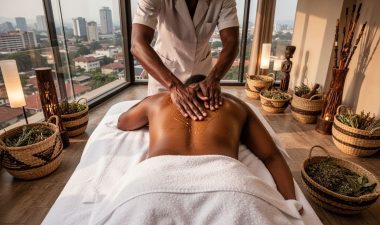
A good Spa and Massage session can do more than help you relax, it can ease stress, improve sleep, and give tight muscles a chance to recover. For many people, it’s also one of the few times in the week when the pressure of work, traffic, and family demands finally slows down.
The challenge is choosing the right treatment for what your body needs most. A gentle Swedish massage, a deeper tissue session, or a soothing aromatherapy treatment each fits a different goal, and the best choice depends on whether you want calm, recovery, or both. If you’re comparing options and planning your visit, it helps to start with the current spa pricing and packages so you can match the experience to your budget and your needs.
The sections that follow will help you sort through those choices with confidence.
What spa and massage really do for your body and mind
Spa and Massage sessions give your body a break from constant tension and your mind a break from constant noise. The best results often feel simple: looser shoulders, steadier breathing, less mental clutter, and a softer mood afterward.
The changes are not magic, they are physical and mental responses to rest, touch, and a calmer setting. When those pieces come together, your body starts to unwind and your mind gets a chance to reset.
How massage helps reduce stress and muscle tightness
Massage works through touch, pressure, and time. As the muscles warm up and the pressure settles into tight areas, your body often responds by releasing some of the holding patterns that build up during long workdays, workouts, or stressful weeks.
That is why many people leave a session feeling lighter. Better blood flow, slower breathing, and less guarding in the muscles can make your neck, back, and shoulders feel easier to move. If you want a closer look at the different styles that support that kind of relief, the massage therapy benefits guide explains how various treatments work on the body.
A good massage does not just press on sore spots, it gives your body permission to relax.
Stress relief is part of the same process. When the nervous system shifts into a calmer state, your muscles usually stop bracing so hard. That change can make even a single session feel like you have more room to breathe.
Why spa treatments can support better sleep and mood
Spa treatments help create the kind of quiet that many people do not get at home. Warm rooms, soothing scents, and unhurried care reduce mental noise, so your thoughts stop racing as much. That makes it easier to settle down after the appointment and carry some of that calm into the rest of your day.
Sleep often improves when your body feels less tense and your mind is less busy. A relaxed state before bed can make it easier to drift off, especially after a long or demanding week. For a broader look at how bodywork can support daily wellness, the massage guide on types and benefits offers helpful context.
You may also notice a mood lift. People often feel more refreshed, less irritable, and more present after spa care because they have finally stepped out of constant output mode.
When spa and massage are most helpful in daily life
Some moments call for spa and massage more than others. These treatments are especially useful when your body or mind feels worn down by routine strain.
Common times to book include:
- Long work weeks, when your shoulders stay tight and your focus starts slipping.
- Travel fatigue, after sitting too long or carrying bags through airports and traffic.
- Workout recovery, when your muscles feel sore, heavy, or overused.
- Screen overload, when your neck, eyes, and upper back feel locked up.
- Burnout from sitting too long, when your hips, lower back, and posture start complaining.
In each of these situations, the goal is simple: help the body recover and give the mind a pause. A well-timed session can make the rest of the week feel more manageable, and that is often the real value people come back for.
 ## Choosing the right massage for your needs
The best Spa and Massage choice starts with your goal, not the menu. Do you want to unwind, work out knots, soothe sore muscles, or recover after training? Once you know that, the right treatment becomes much easier to spot.
Comfort level matters too. Some people want light, calming pressure on their first visit, while others want firmer work on stubborn tightness. Pain points, stress level, and how your body feels that day should all guide the choice. If you are comparing local options, it can also help to check the massage services available in Nairobi before you book.
 ### Swedish massage for general relaxation
Swedish massage is the easiest place to start if you are new to massage or want a gentler session. It uses smooth, flowing strokes with light to medium pressure, so it feels calming rather than intense.
That makes it a strong choice for stress relief, mild tension, and general relaxation. If your shoulders feel a little heavy after work, or your mind feels crowded, this treatment gives your body a chance to settle down without too much pressure.
It also works well for guests who are unsure how much pressure they like. You can always ask the therapist to adjust the touch, but Swedish massage gives you a soft introduction to the experience. For first-time visitors, that matters more than people think.
If you want to feel relaxed without soreness afterward, Swedish massage is usually the safest starting point.
Deep tissue massage for stubborn tension
Deep tissue massage makes sense when your muscles feel tight in a way that stretching alone does not fix. It uses firmer pressure to work into deeper layers of muscle and connective tissue, which is why many people choose it for chronic stiffness.
This treatment is often helpful for tight shoulders, lower back tension, and posture-related discomfort from long hours at a desk. Athletes also book it when their muscles feel overworked after training or competition. In those cases, the goal is not just relaxation, it is also release and recovery.
Still, deeper pressure is not the right fit for everyone. If you are sensitive to strong touch, have very sore muscles, or prefer a lighter session, deep tissue may feel too intense. A good therapist can adapt the pressure, but you should speak up early about what feels comfortable.
For readers comparing massage styles and their uses, WebMD’s overview of massage therapy styles gives a useful high-level look at how different techniques match different needs.
Hot stone and aromatherapy for a calmer experience
Hot stone and aromatherapy are popular when the main goal is relaxation. They turn the session into something more immersive, because heat and scent both help the body settle faster.
Hot stone massage uses warmed stones placed on key areas or moved across the body with massage strokes. The heat can loosen tight muscles and make the whole session feel more soothing. Aromatherapy adds essential oils with calming scents, which can make it easier to switch off mentally and enjoy the moment.
These treatments are often chosen by people who want a softer, spa-like experience rather than intense muscle work. They are a good fit for tired days, special self-care visits, or times when you want to feel cared for in a slower, gentler way.
If scent matters to you, ask what oils are used before you book. A fragrance that feels pleasant to one person can feel too strong to another, so the right match makes a big difference.
Specialty massage options for recovery and targeted care
Specialty massage is the best route when you want the therapist to focus on a specific issue. This can include sports recovery, localized soreness, or a more customized session built around how your body feels that day.
For example, someone with sore legs after a run may want focused work on the calves, hamstrings, and hips. A person with neck strain from driving or computer work may need more attention around the upper back and shoulders. These sessions are useful because they do not try to treat everything at once, they go straight to the problem areas.
Many clients also prefer specialty treatments when they already know what their body responds to best. Maybe you need firmer work in one area, lighter touch in another, or more time on a stubborn knot. That kind of session feels personal, and it usually gives better results when the goal is recovery instead of pure relaxation.
A helpful way to narrow the choice is to ask yourself three questions before you book:
- How much pressure do I want? Light pressure points toward Swedish or aromatherapy, while firmer pressure points toward deep tissue or targeted therapy.
- Where is the tension? General stress usually calls for a calming massage, while specific soreness needs focused care.
- What do I want after the session? If you want to feel rested, choose a soothing treatment. If you want to feel worked on, choose a recovery-focused one.
That simple check makes the decision much easier. It also helps you avoid booking a massage that feels too gentle when you wanted relief, or too intense when you wanted rest.
A quick comparison can help when the options feel close:
| Massage type | Best for | Pressure level | Good first choice? |
|---|---|---|---|
| Swedish massage | Relaxation, stress relief, first-time guests | Light to medium | Yes |
| Deep tissue massage | Stubborn tension, posture strain, sore muscles | Firm | Sometimes |
| Hot stone massage | Warmth, relaxation, muscle softening | Light to medium | Yes |
| Aromatherapy massage | Calm, mood support, a soothing spa feel | Light to medium | Yes |
| Specialty massage | Sports recovery, targeted care, custom needs | Varies | Depends on your goal |
The right massage is the one that matches your body that day, not the one with the most dramatic name. If you choose based on comfort, pain points, and your reason for visiting, you are far more likely to leave feeling better than when you walked in.
What to expect during a spa visit from booking to aftercare
A good Spa and Massage visit should feel clear from start to finish. When you know what happens before, during, and after the session, the whole experience feels easier to enjoy. It also helps you speak up with confidence, which leads to a better treatment.
Most first-time questions are simple ones: How early should you arrive? What should you wear? Will the therapist ask about pressure? What happens if you feel sore afterward? The answers are usually straightforward, and a little planning goes a long way.
 ### How to prepare before your appointment
The best preparation starts before you walk through the door. Book your session in advance, confirm the time, and give yourself a little buffer so you are not rushing in stressed. If you’re planning a visit in Nairobi, it’s smart to schedule your Nairobi spa appointment early, especially if you want a preferred time or therapist.
Arriving 10 to 15 minutes early helps a lot. It gives you time to check in, use the restroom, and settle your mind before the treatment begins. That small pause can make the difference between feeling scattered and feeling ready.
A few basics make the session more comfortable:
- Drink water before you arrive, because hydration helps your body handle the treatment well.
- Wear easy clothes that are simple to remove and put back on.
- Avoid a heavy meal right before your visit, especially if you plan a deep massage.
- Share any health concerns, injuries, allergies, or pregnancy-related needs before the session starts.
- Mention your pressure preference clearly, whether you like light touch, medium pressure, or firmer work.
If you’re unsure what to say, keep it simple. “My shoulders are tight, but I prefer medium pressure” tells the therapist what matters most. That kind of clear communication helps the session start on the right foot.
A few honest details before the massage can make the treatment safer, more comfortable, and more effective.
What usually happens in the treatment room
Once you check in, the therapist usually takes a minute to review your needs and ask a few questions. They may ask where you feel tension, what kind of pressure you like, and whether there are areas they should avoid. That conversation is brief, but it matters.
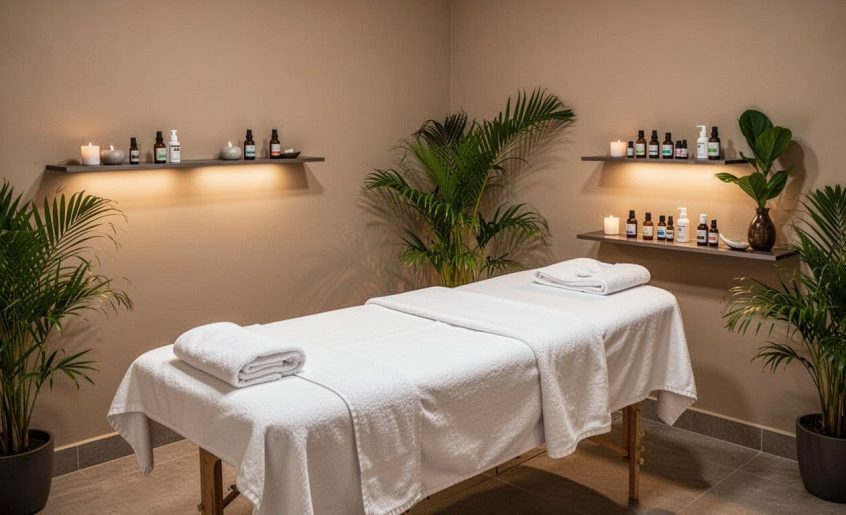
Privacy comes first. The therapist will explain how to get ready, where to place your belongings, and how to get on the table. You will usually be given time to undress to your comfort level and lie under a sheet or towel before the massage begins. If a robe or cover is provided, it is there to help you feel at ease.
The table setup is simple and designed for comfort. You may notice soft lighting, a face cradle, clean linens, and warm towels. Once the session starts, the therapist often checks in early on to make sure the pressure feels right. That should not be the only time you can speak up, though.
If something feels too intense, too light, too cold, or awkward, say so right away. A good therapist wants that feedback. You do not need to wait until the end of the session, and you should never feel awkward about asking for an adjustment.
For many people, that conversation is part of the comfort. It turns the treatment into something personal rather than generic, which is exactly what a good Spa and Massage experience should do.
How to care for yourself after the session
After the massage, give your body a little time to settle. Drink water soon after the session, because hydration helps you feel steady, especially if the treatment was firm or focused on tight muscles. Some people feel relaxed right away, while others feel a little sleepy or pleasantly loose.
Light movement can help too. A short walk, gentle stretching, or simply standing up and moving around later in the day can keep your body from stiffening again. You do not need a workout. Just avoid jumping straight into heavy lifting or a packed schedule if you can help it.
If the therapist used deeper pressure, mild tenderness is normal for some people. It can feel similar to post-workout soreness, especially in tight areas that got more attention than usual. That usually fades within a day or two, and the relaxed feeling often shows up alongside it.
A few aftercare habits make the most of the session:
- Keep drinking water throughout the day.
- Rest if your body feels tired.
- Skip intense exercise for a few hours if the massage was deep.
- Pay attention to how your muscles respond, especially in the neck, shoulders, and back.
- Reach out to the spa if anything feels unusual or more painful than expected.
If the session was very gentle, you may just feel calm and loose. If it was more targeted, you may notice that your body feels worked on in the best way. Either response is normal. What matters is that you leave with a clearer sense of how your body feels and what it needs next time.
A good first visit should never feel confusing. When booking is simple, communication is open, and aftercare is easy to follow, the whole experience feels much more welcoming. That is the kind of visit people come back for.
How to choose a spa that feels right for you
Choosing a spa gets easier when you focus on how the place makes you feel before the massage even begins. The right spot should feel clean, calm, and organized, but it should also match your needs, your budget, and the kind of treatment you want.
A good Spa and Massage experience is built on trust. You should know what you are paying for, feel comfortable asking questions, and sense that the staff takes your time seriously. When those pieces line up, booking feels simple instead of risky.
Look for a clean, calm, and professional setting
Cleanliness is usually the first clue that a spa cares about its guests. Fresh linens, tidy treatment rooms, organized products, and clean bathrooms all suggest that the space is managed with care. If the waiting area feels cluttered or the treatment rooms look rushed, that can shape the whole visit.
Pay attention to how the spa welcomes you. A calm check-in, polite staff, and clear instructions all point to a professional operation. Small details matter too, like soft lighting, fresh air, quiet music, and enough space to relax before your session starts.
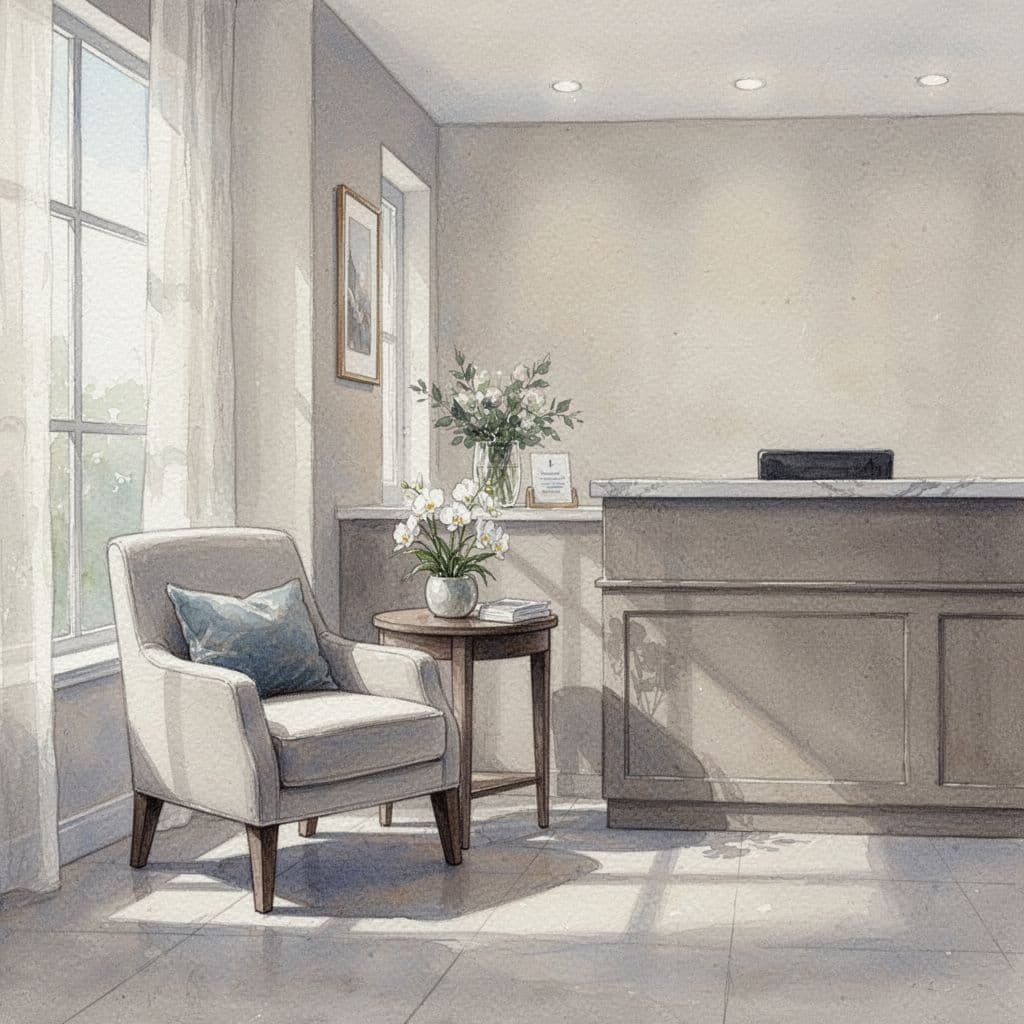 You can also tell a lot by how the staff handles basic hygiene. Fresh towels, clean hands, and proper guest privacy are not extras, they are part of good service. If the place feels rushed or careless, it may not be the right fit, even if the price looks good.
A spa should feel restful the moment you walk in, not like another task on your to-do list.
Compare services, session lengths, and prices
Price matters, but value matters more. A lower rate is not always the better deal if the session is too short or the service does not match what your body needs. Sometimes a longer appointment gives you better results, especially if you want deeper relaxation or focused work on tight areas.
Before you book, compare what each treatment includes. Some spas offer only the massage time, while others include extras like hot stones, aromatherapy, or a more personalized consultation. That difference can change how the session feels and whether the price is worth it.
A simple way to compare options is to look at the full picture, not just the number on the menu:
- Session length: A 30-minute session can work for a quick reset, but 60 or 90 minutes usually gives the therapist more time to address real tension.
- Treatment type: Swedish, deep tissue, hot stone, and specialty massage all serve different goals.
- Added value: Quiet rooms, thoughtful care, and skilled staff often matter more than a small price difference.
- Pricing clarity: Clear rates help you avoid surprises when you arrive.
If you want a practical place to start, review the massage pricing and booking in Kilimani so you can match your choice to your budget and your goals. For a broader comparison of local options, the massage booking tips for Nairobi spas page is also useful.
A longer appointment is often the better pick when you want slow, steady relaxation or targeted work on stubborn tension. Short visits have their place, but they can feel rushed if you need more than a quick release.
Read reviews and ask the right questions before you book
Reviews help you spot patterns. Look for comments about consistency, professionalism, therapist skill, and whether people actually felt better after the session. One glowing review is nice, but repeated praise for the same things tells you much more.
Also pay attention to complaints. If several guests mention poor communication, uneven pressure, or late starts, that is worth taking seriously. A spa can have a stylish space and still fall short where it counts.
Before booking, ask direct questions so you know what to expect. A good spa should answer clearly and without hesitation. You can ask about:
- Pressure: Whether the therapist can keep it light, medium, or firm.
- Conditions treated: Whether they handle stress relief, sore muscles, sports recovery, or a specific area of tension.
- Availability: Whether they have same-day openings, weekend slots, or a preferred therapist you can request.
- Therapist experience: Whether the therapist is trained for the type of massage you want.
Those questions make the choice less guesswork and more planning. They also help you avoid booking a session that sounds good on paper but feels wrong once you arrive.
If location matters, keep that in the mix too. A spa that’s easy to reach is more likely to become part of your routine, because convenience makes repeat visits realistic. If you are near Kilimani, it may be worth it to book a spa appointment in Kilimani and choose a place that fits your schedule as well as your budget.
The best spa for you is the one that feels calm, honest, and easy to trust. When the setting is clean, the services are clear, the pricing makes sense, and the reviews line up, booking starts to feel like a good decision instead of a gamble.
Conclusion
Spa and Massage work best when they match what your body needs right now. A gentle Swedish session can help you switch off, while deeper or targeted work can ease stubborn tension and support recovery. The real value is consistency, because regular care makes stress easier to manage and movement feel less restricted.
That is why these treatments should not feel like rare treats you save for special occasions. When they become part of a simple self-care routine, they support better sleep, less muscle tightness, and a steadier sense of well-being. If you are still deciding which style fits you best, the Nairobi massage types guide is a helpful place to narrow it down.
Trust your goal, your comfort level, and how your body feels today. With the right treatment, booking a Spa and Massage session feels less like a luxury decision and more like a smart step toward feeling better.