
Thai Massage in Nairobi: What to Expect and Why It Helps
Thai massage stands out because it blends stretching, pressure, and body movement in one session. In Nairobi, that makes it a popular pick for people who want more than simple relaxation, especially when stress, stiffness, or tired muscles start to pile up.
Many people choose Thai Massage for stress relief, better flexibility, and faster recovery after long workdays or workouts. If you want a treatment that can leave your body looser and your mind calmer, Thai massage services in Nairobi are worth understanding before you book.
This guide breaks down how Thai massage works, the benefits you can expect, who it suits best, and how to spot a good session.
What makes Thai massage different from other spa treatments?
Thai massage feels different the moment the session begins. Instead of lying still while someone works only on sore muscles, you move through stretches, pressure points, and guided body positions with the therapist’s help. That active style is what gives Thai Massage its distinct feel, especially if you are comparing it with Swedish or deep tissue work.
The mix of stretching, pressure, and movement
Thai massage blends assisted stretching, acupressure, and rhythmic pressure in one session. The therapist may press along the body, guide a leg into a stretch, or gently rotate a shoulder to open tight areas.
This is why the treatment often feels more like a shared movement session than a standard spa massage. The therapist works with your body, not just on it, so your joints, muscles, and posture all get attention at the same time. For a broader look at how Thai massage fits beside other massage therapy options in Nairobi, the contrast becomes even clearer.
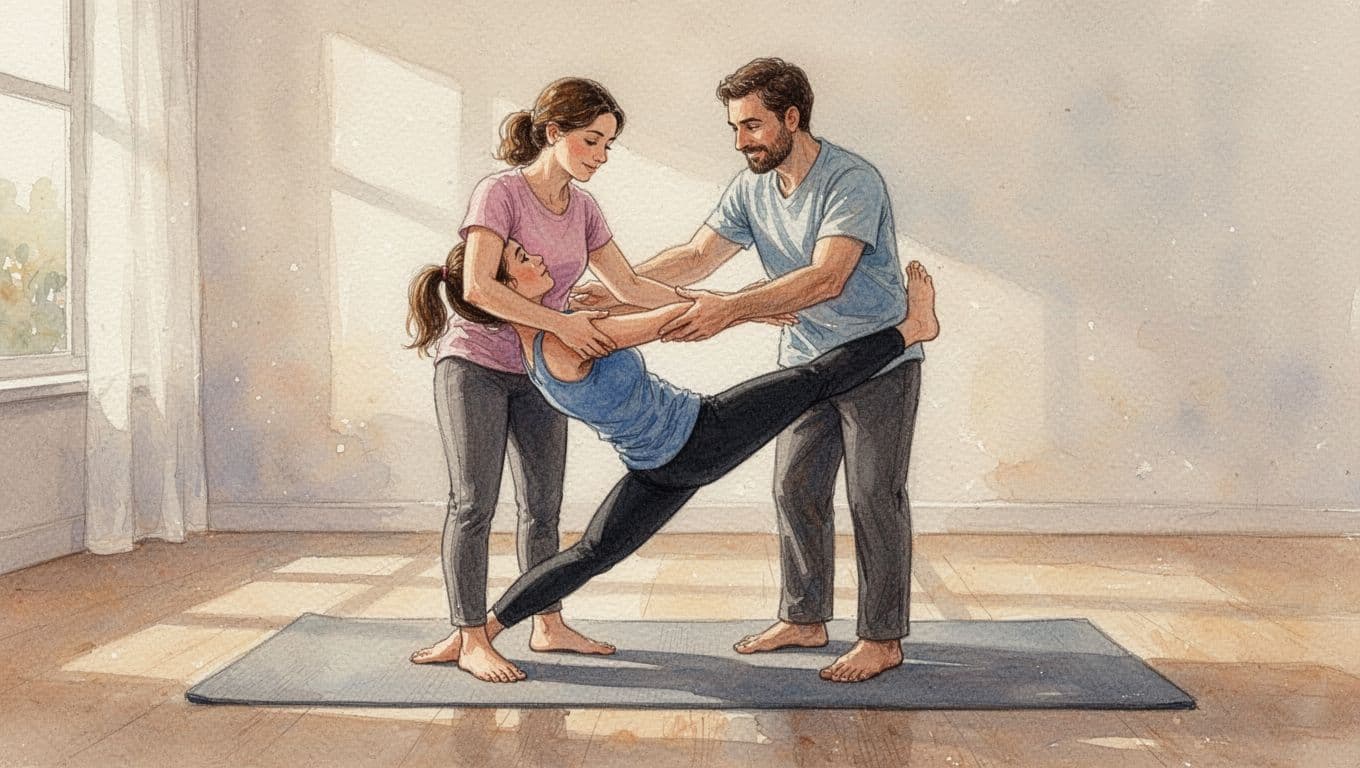
Thai massage is often described as “passive yoga” because the therapist helps move your body through supported stretches.
Swedish massage usually focuses on smooth strokes and relaxation. Deep tissue massage goes after stubborn knots with firm, slower pressure. Thai massage does both pressure and movement, which makes it feel more dynamic and full-body. If you want a simple comparison, Cleveland Clinic’s overview of Thai massage also explains how stretching sets it apart.
 ### Why it is usually done fully clothed on a mat
Traditional Thai massage is usually done on a padded mat on the floor, not on a table. You stay fully clothed in loose, comfortable attire, which gives the therapist room to move your body through stretches without oil or skin contact.
That setup changes the whole experience. You can shift, bend, and rotate more freely, and the floor-based position helps the therapist use their body weight with control. It also makes Thai massage feel less slippery and less passive than oil-based treatments. Many people find that more comfortable, especially if they want a treatment that feels structured but not rigid.
How it feels compared with a typical relaxation massage
A typical relaxation massage usually aims for calm, slow unwinding. Thai massage can still feel soothing, but it often adds a spark of energy at the same time. The firm pressure may wake up tight areas, while the stretching leaves you feeling lighter and more open.
That mix is part of the appeal. You may walk out feeling relaxed, but you may also feel like your body has been reset a little. For people who want both release and movement in one session, Thai massage often lands in the sweet spot.
Thai massage benefits that matter most to busy people in Nairobi
Busy days leave a mark on the body. Long commutes, desk work, and tight schedules can build up stress until it shows up in the neck, back, and shoulders. Thai Massage helps by giving your body space to loosen, move, and settle down again.
For many people in Nairobi, that matters more than a luxury spa feel. The best sessions offer real relief you can feel in your posture, your energy, and the way your body carries the day.
Easing stress and helping the body switch off
Thai massage uses slow pressure and steady movement to calm a tense body. As the therapist works through tight areas, your muscles start to soften and your breathing often slows down too. That shift matters because stress usually lives in the body before it shows up in your mood.
A hectic day in Nairobi can keep the nervous system stuck in high gear. Traffic, deadlines, phone calls, and nonstop notifications all add up. Thai Massage gives you a rare chance to step out of that loop and let your body reset.
When pressure is calm and movement is controlled, many people feel their body stop bracing for the next thing.
That sense of release can be especially helpful after a week of long meetings or packed errands. It does not erase stress, but it can make you feel less wound up and more present.
For a closer look at the treatment style itself, professional massage services in Nairobi often include Thai massage alongside other bodywork options.
Improving flexibility, movement, and posture
Thai massage includes assisted stretching, so your joints and muscles get help moving through ranges they may not reach on their own. Gentle stretches can open up the hips, lower back, shoulders, and legs, which often feel tight after hours of sitting.
That matters for people who spend most of the day at a desk or behind a wheel. Tight hip flexors, stiff shoulders, and a locked-up spine can pull posture out of shape over time. When your body moves more freely, sitting and standing can feel easier and less strained.
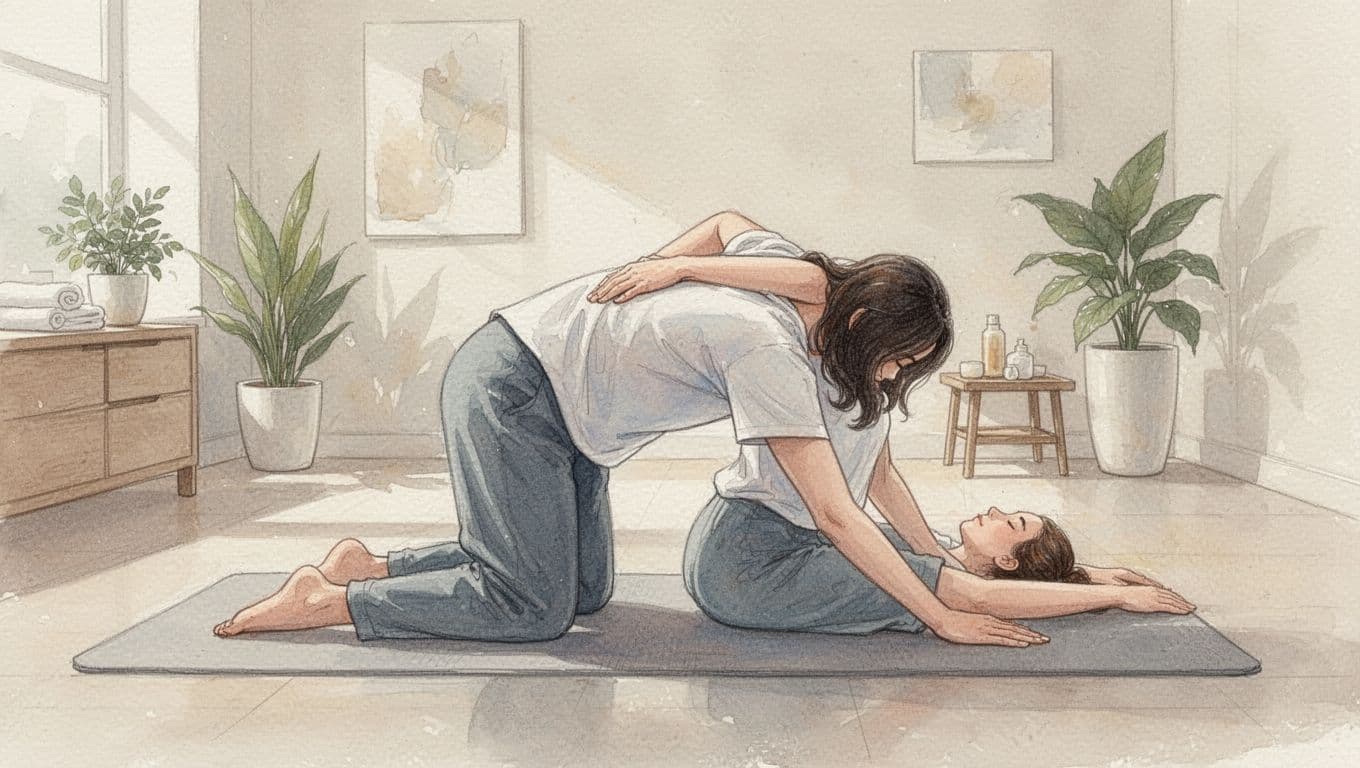 A few regular sessions may help you notice simple changes like these:
- Less stiffness in the hips and back: Stretching can ease the pull that builds from long sitting.
- More comfortable movement: Turning, reaching, and walking may feel smoother.
- Better posture support: When tight muscles loosen, it becomes easier to sit and stand upright.
If you want a plain-language overview of how stretching-based massage supports movement, Cleveland Clinic’s Thai massage guide breaks it down well.
Supporting sore muscles, headaches, and recovery
Thai massage can also help when your body feels overworked. Firm but controlled pressure may ease muscle tightness after workouts, long shifts, or days that leave your body feeling heavy. It can also help you notice where you hold tension before it turns into a bigger problem.
Some people also feel relief from tension headaches, especially when tightness starts in the neck, shoulders, or upper back. Releasing those areas may reduce the pressure that builds through the head and jaw. The result is often simple, more comfort and less drag in daily movement.
Recovery is not always dramatic. Sometimes it looks like getting out of bed with less stiffness, or finishing the workday without feeling crushed by fatigue. Thai Massage can support that kind of steady improvement over time, especially when your body needs regular care rather than a one-time fix.
For people juggling work, family, and exercise, that balance matters. A good session can help you feel looser, move easier, and return to the day with less physical strain.
What to expect during a Thai massage session
A Thai massage session feels structured from the start. You usually stay fully clothed, move through guided stretches, and feel steady pressure on tight spots as the therapist works through the body.
If it’s your first time, the process is easier than it sounds. A good session has a clear rhythm, and the therapist should keep checking in so the pressure and movement stay comfortable.
Before the session starts
The best sessions begin with a short conversation. Wear loose, comfortable clothes that let you bend and stretch without restriction, and be ready to mention any pain, injuries, pregnancy, or recent surgery before the massage starts.
That quick chat matters more than many people think. A therapist can work better when they know where your body feels tight, what to avoid, and how much pressure you prefer. If you’re unsure what style fits your needs, choosing the right massage therapy session can help you compare options before you book.
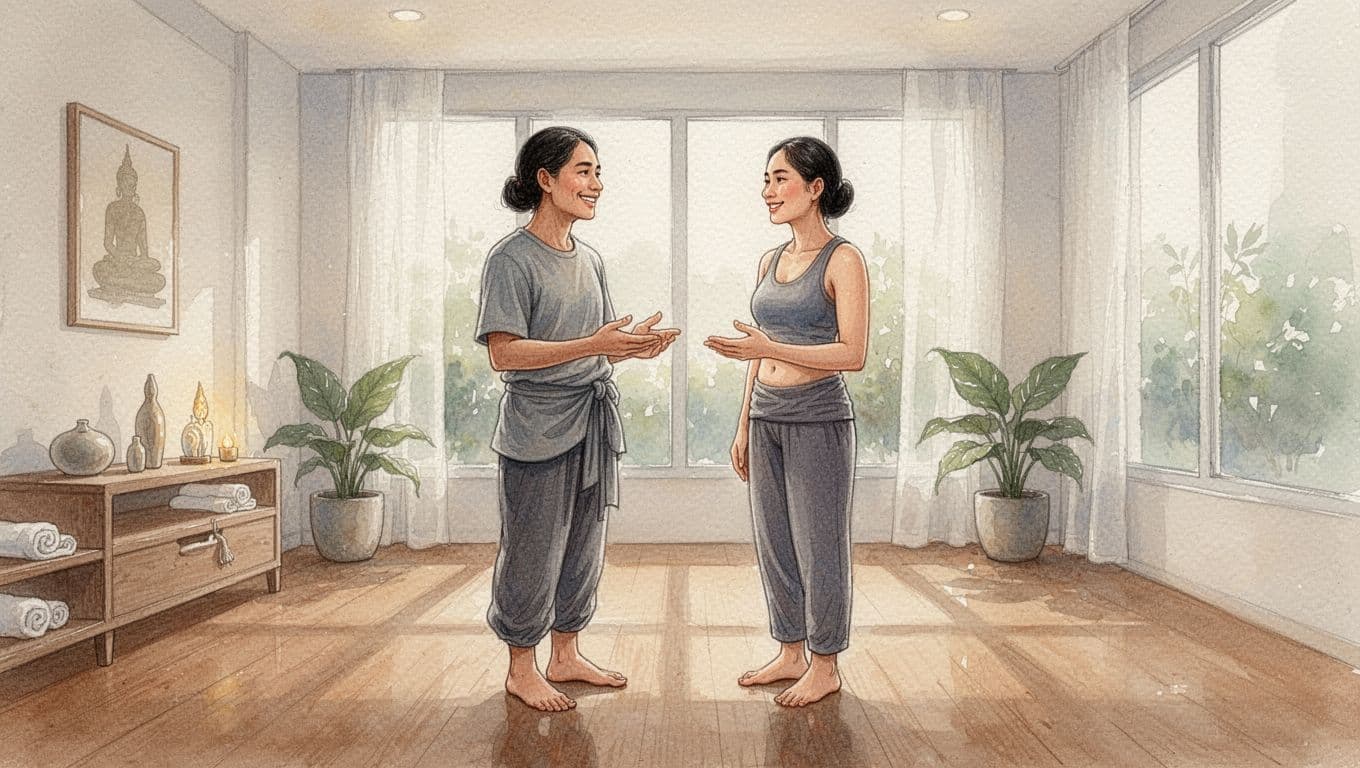 Before the therapist begins, you may be asked a few simple questions about your comfort level. Answer honestly. If a stretch feels too aggressive or a sore spot needs care, say so early. That kind of communication helps the session feel smoother and more useful.
Good communication turns a standard massage into a session that fits your body.
During the massage itself
Once the massage begins, you usually lie on a padded mat while the therapist works through your body in stages. They often start with gentle compression, then move into assisted stretches and pressure points along the legs, back, shoulders, arms, and neck.
The flow can feel a little like a slow, guided sequence. The therapist may use hands, elbows, knees, or feet to apply pressure, then shift your body into different positions to open tight muscles. Those movements can feel strong, but they should still feel controlled.
Pressure is not fixed. If it feels too light, the therapist can increase it. If it feels too sharp, they can ease off right away. That flexibility is one reason Thai Massage works well for both first-timers and regular clients.
During the session, you may hear simple cues like “relax your leg” or “let your shoulder drop.” Those instructions help the therapist move you safely and keep your muscles from resisting the stretch. For a fuller sense of the technique behind it, what to wear for Thai massage also gives a helpful view of the usual setup and etiquette.
The experience is active, but it should never feel rushed. You are being moved with purpose, not pushed through a routine.
How you may feel afterward
After a Thai massage, many people feel lighter, looser, and more relaxed. Your body may feel open in places that were tight before, and your mind may feel calmer too.
Some people also notice a little soreness, especially after deeper stretches. That can happen when tight muscles start to release, and it often feels more like good workout soreness than pain. Mild stiffness usually fades with rest and water.
A few things help after the session:
- Drink water so your body stays hydrated.
- Rest if you can, especially after a deeper session.
- Pay attention to your body and notice how your joints and muscles respond.
- Avoid rushing into hard activity if you feel loose or tired.
For many people, the best part comes later in the day. Walking, sitting, or reaching may feel easier, and your body may hold less tension overall. If that first session felt intense, that’s normal. Thai massage often asks your body to move in new ways, and the payoff is usually a real sense of release.
Is Thai massage the right choice for you?
Thai massage fits people who want more than a quiet hour on a table. It works well when your body feels stiff, your muscles feel tight, or you want a more active kind of bodywork. If you like a session that uses stretching, pressure, and guided movement, this style may suit you well.
At the same time, Thai massage is not the best fit for everyone. Certain health issues need extra care, and a few situations call for a different treatment or a doctor’s advice first. The safest choice is the one that matches both your comfort level and your body’s needs.
Who usually enjoys Thai massage the most
People who want better flexibility often love Thai massage because it helps the body move through stretches that feel hard to reach alone. If your hamstrings are tight, your shoulders feel locked, or your back feels stale after a long week, the assisted stretches can feel like a reset.
It also suits people who sit a lot. Desk workers, drivers, and anyone stuck in Nairobi traffic for long stretches often carry tension in the hips, neck, and lower back. Thai massage gives those areas room to open up again.
Active clients often enjoy it too. Runners, gym-goers, and people who play sports may like the mix of pressure and movement because it can help the body feel looser after training. Many clients also prefer this style over a soft spa massage because it feels more hands-on, more structured, and more effective on tight spots.
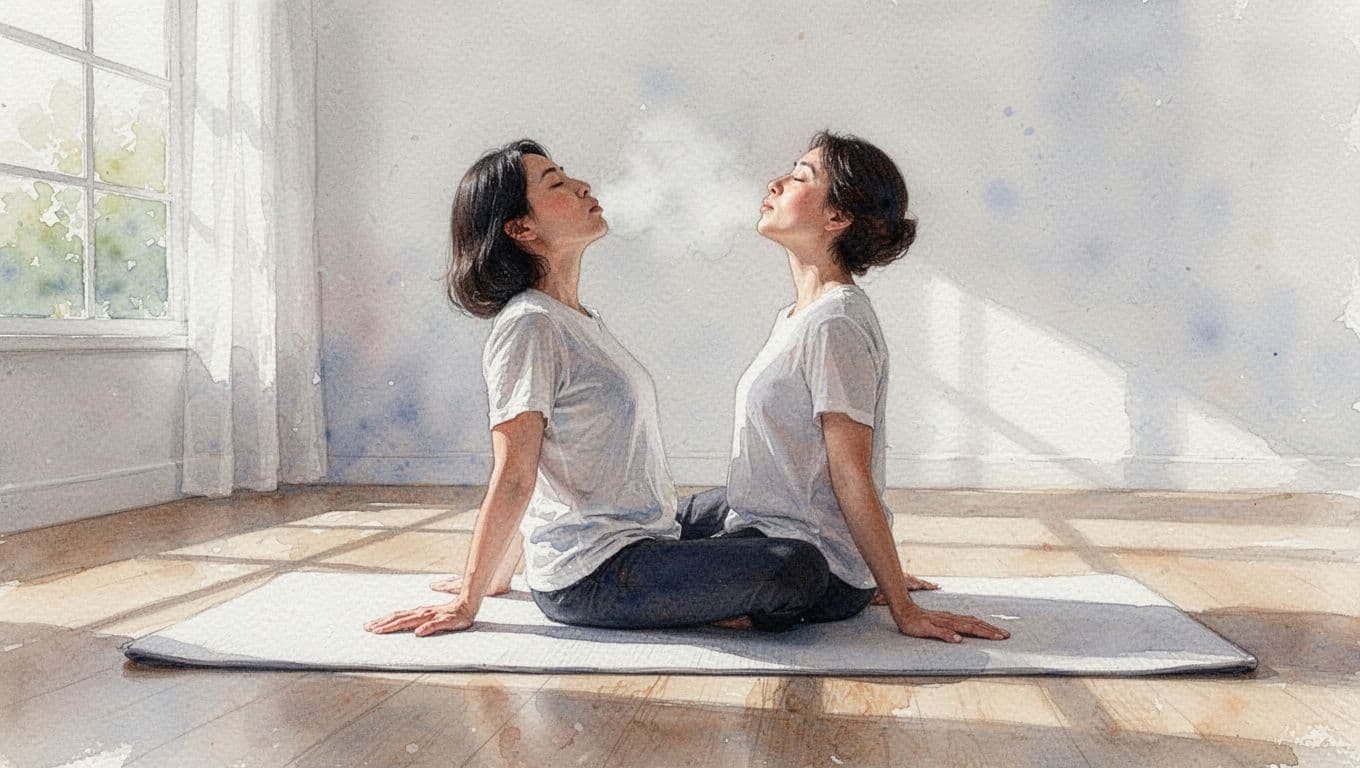 ### When to be careful or choose another treatment
Some people should pause before booking Thai massage. Recent injuries, pregnancy, joint problems, weak bones, heart concerns, or limited mobility can change what your body can handle safely. In those cases, a gentler treatment may be the better pick.
If you have ongoing pain, speak up before the session starts. The same goes if you live with blood pressure concerns, heart disease, or a condition that affects movement. A trusted source like Cleveland Clinic’s Thai massage guide also notes that certain health conditions need extra caution.
If a stretch, twist, or press feels risky, skip it and ask for something gentler.
A good therapist will adjust the session instead of pushing through discomfort. If you are unsure, ask a doctor first, especially after surgery, during pregnancy, or when a joint feels unstable.
How to talk to your therapist about pressure and comfort
Say what you need before the session begins, then speak up again during the massage if something feels off. You do not need to wait until the end. A simple “lighter pressure, please” or “that stretch feels too deep” is enough.
Clear feedback helps the therapist work better. If a move feels good, say so. If a spot feels sharp instead of helpful, say that too. Thai massage should feel strong, but it should never feel forced.
A safe session has a steady rhythm, not pressure to endure pain. Your body should feel supported, not challenged to prove anything. When you leave feeling looser and more at ease, that’s the sign you chose the right approach.
How to choose a good Thai massage in Nairobi
A good Thai Massage session should feel safe, clean, and well paced from the moment you walk in. In Nairobi, that usually comes down to three things: the therapist’s skill, the spa’s professionalism, and how easy the whole experience is to book and repeat.
If you pay attention early, you can spot a place that cares about your comfort instead of just filling a schedule. That saves you from a rushed first visit and helps you find a spa you can return to with confidence.
Signs of a skilled therapist and a well-run spa
A skilled Thai massage therapist in Nairobi should explain the session clearly before they begin. They should ask about pain, stiffness, injuries, and pressure preferences, then adjust the treatment to match your body. Good training shows up in the way they move with control, use steady pressure, and check in without breaking the flow.
The room should support that same level of care. Fresh linens, clean floors, tidy mats, and organized oils or towels all matter. A calm space with soft lighting, low noise, and a welcoming front desk tells you the spa takes its work seriously.
You can also trust your first impression. If staff are polite, present, and unhurried, that usually carries through to the treatment itself. A good spa feels professional without feeling cold.
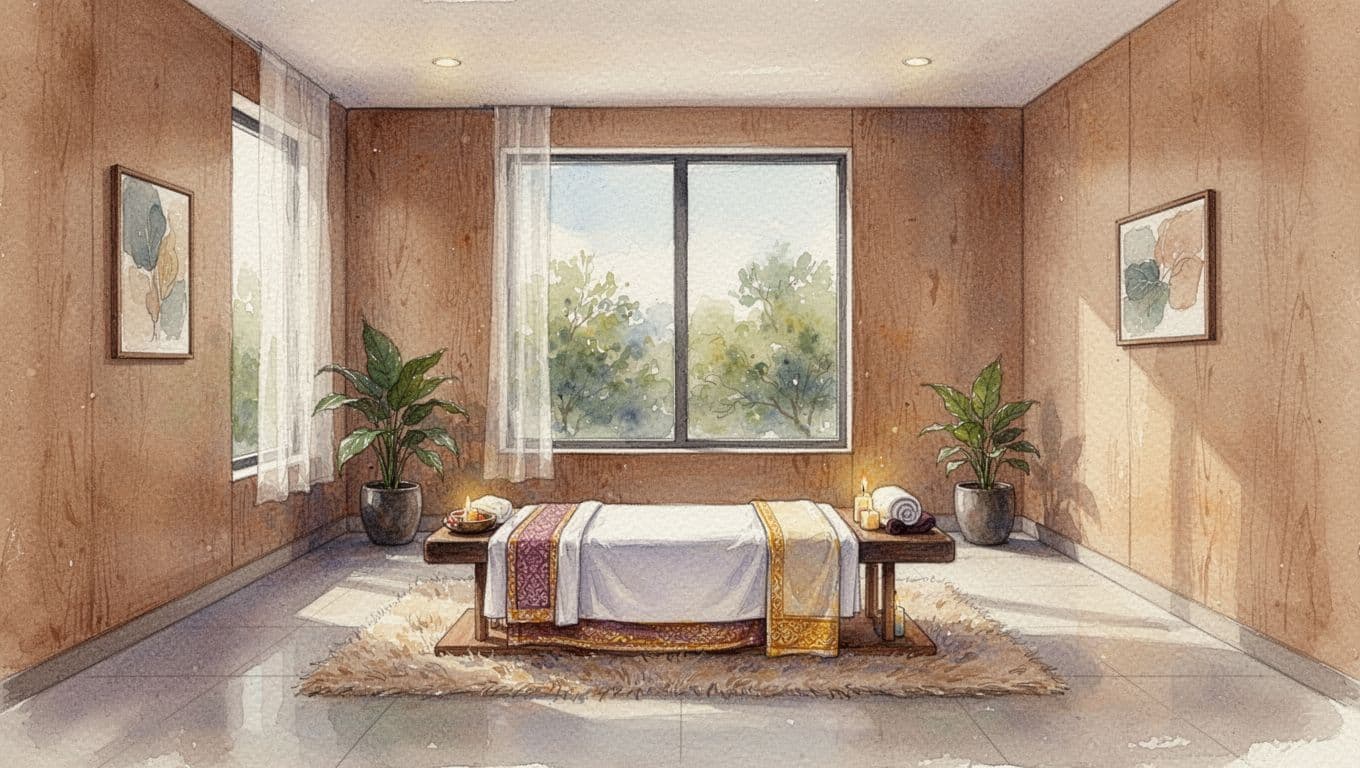 A few simple markers help you judge quality fast:
- Cleanliness: The room, mats, towels, and tools should look fresh and well kept.
- Communication: The therapist should ask questions and listen to your answers.
- Professional behavior: The staff should stay focused on your care, not distract you.
- Comfort: You should feel welcomed, not rushed or pressured.
If the space feels messy or the therapist seems unsure, keep looking. Your first session should feel calm, not complicated.
For readers comparing services, explore our spa services to see the range of treatments available in Nairobi.
What to ask before booking
A few direct questions can save you from a disappointing first visit. Start with the basics, then ask about comfort and flexibility so you know what kind of session to expect.
Good questions include:
- How long is the session? Some people want a quick reset, while others need more time for tight muscles.
- How firm is the pressure? Thai Massage can range from gentle to strong, so ask what the therapist usually offers.
- What should I wear? Most sessions work best in loose, comfortable clothing.
- Can you adjust for pain or stiffness? A good therapist should be able to soften a stretch or avoid a sore area.
- Do you have experience with my concern? Neck tension, back tightness, and post-workout recovery may need different handling.
These questions help you avoid guesswork. They also tell you how the spa handles communication before you even arrive.
If you want a second opinion on what makes a therapist worth booking, this massage therapist guide gives a useful overview of what reliable care looks like.
Why location, hours, and convenience matter
The best Thai massage in Nairobi is one you can actually keep coming back to. If a spa is too far out of your way, hard to reach after work, or limited to awkward hours, regular self-care turns into a chore.
That is why location matters. A place near your home, office, or regular route makes it easier to book a session when your body needs it. Flexible hours matter too, especially if you work long days or spend part of the week in traffic.
Convenience also affects how often you return. Easy booking, clear contact details, and a smooth check-in process remove friction. When the whole experience feels simple, you are more likely to make massage part of your routine instead of treating it like a rare treat.
For busy Nairobi schedules, that practicality counts. A good spa should fit into real life, not force you to rearrange it.
Conclusion
Thai Massage brings stretching, pressure, and relaxation together in one hands-on treatment. That mix is what makes it so effective for people who want better movement, less stress, and a body that feels easier to carry through the day.
The best sessions do more than loosen tight muscles. They also help you choose the right pressure, the right pace, and the right therapist, so the experience fits your body instead of fighting it.
If you want a massage that feels both calming and energizing, Thai Massage is worth trying.