
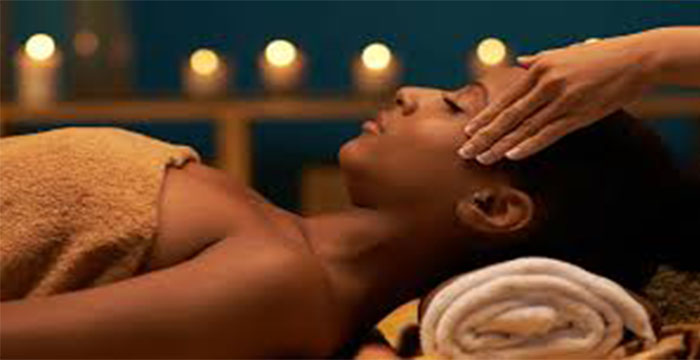
A full body massage in Kenya usually costs between KES 3,500 and KES 7,500 for a standard 60-minute session, and in Nairobi, many spas sit around KES 4,500 to KES 5,000. The price can drop lower at budget spots or climb much higher at luxury hotels, so the number on the menu depends a lot on where you go.
Your final bill also changes with spa quality, therapist skill, and how long you stay on the table. A 30-minute session will cost less, while specialty treatments like deep tissue or hot stone usually cost more than a basic Swedish massage.
If you’re trying to compare options before you book, the real question is what you’re paying for, and whether the session matches your needs. The details below break down the rates people actually pay and what shapes them, and our current full body massage price guide for Kenya tracks the latest figures as rates shift.
What a full body massage usually costs in Kenya right now
The Full Body Massage Cost in Kenya depends on the spa tier, the neighborhood, and the add-ons included in the session. In Nairobi, the most common 60-minute price sits in the middle range, while budget salons come in lower and hotel spas push the bill higher.
A good way to read spa menus is to treat the price as a signal, not just a number. The room, the towels, the oils, the therapist’s training, and the extras all shape what you pay.
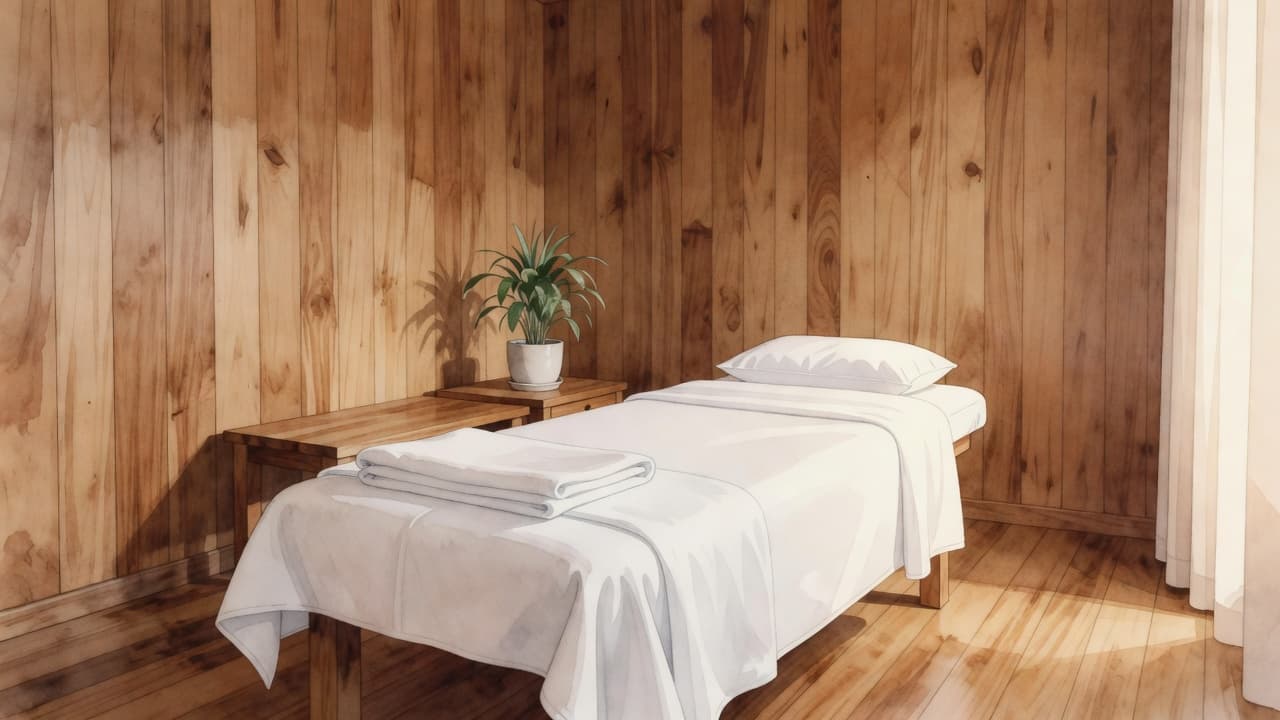 ### Typical price ranges by spa type
Budget salons usually charge about KES 3,500 to KES 4,500 for a full body massage. These places keep the service simple, with less focus on ambience and more on getting you in and out at a fair price.
Mid-range spas often fall between KES 4,500 and KES 7,500. This is where many Nairobi clients land, because the experience feels more polished, the therapist is often more experienced, and small extras like better oils, warmer rooms, or calmer music are more common.
Luxury hotel spas and premium wellness centers usually start around KES 8,000 and can go well above KES 15,000. At this level, you are paying for the setting as much as the massage, since the treatment room, privacy, service flow, and product quality all feel more elevated.
A quick comparison makes the difference easier to see:
| Spa type | Usual price range | What changes |
|---|---|---|
| Budget salon | KES 3,500 to KES 4,500 | Basic room setup, fewer extras, simpler oils |
| Mid-range spa | KES 4,500 to KES 7,500 | Better ambience, stronger therapist experience, more consistency |
| Luxury hotel spa | KES 8,000 to KES 15,000+ | Premium setting, high-end products, robes, drinks, and privacy |
If you want a clean benchmark, mid-range pricing is the safest reference point. For a broader view of service options, you can also check the massage service rates listed by Nairobi Massage & SPA.
How Nairobi prices compare with other towns
Nairobi is usually the most expensive market in Kenya because location drives overhead. Rent, staff costs, and customer demand all push prices up, especially in areas with strong business traffic or high-end residential estates.
In Westlands, Kilimani, and Karen, prices tend to sit at the higher end of the market. These areas attract premium spas and hotel-based wellness centers, so a 60-minute session often costs more than it would in a smaller town.
The CBD can be a mixed bag. Some spas keep prices competitive to attract office workers and walk-in clients, while others charge more if they sit in a hotel or upscale building. Outside Nairobi, smaller towns and lower-cost neighborhoods often offer better value, with simpler setups and lower overhead.
Location is one of the biggest price drivers in Kenya, and it shows up fast on a spa menu.
A spa in a premium Nairobi neighborhood may charge several hundred or even a few thousand shillings more than a similar treatment elsewhere. That gap is normal, so comparing like-for-like locations helps you avoid false bargains.
For readers comparing treatment packages, massage treatment plans can also help you see how session length and extras affect the final price.
What a 60-minute session usually costs
A 60-minute full body massage is the price point most people search for, and it gives you the clearest market benchmark. In Nairobi, that one-hour session usually costs KES 4,000 to KES 7,000, with many solid mid-range options landing around KES 4,500 to KES 5,500.
That range matters because it separates the everyday spa visit from the premium experience. Below it, you are usually looking at budget salons or promotional offers. Above it, you are often paying for luxury, specialty techniques, or a hotel setting.
If you are booking online or comparing menu boards, this simple rule helps:
- Below KES 4,000 usually means a budget or promo rate.
- Around KES 4,500 to KES 5,500 is the standard Nairobi middle ground.
- Above KES 7,000 often points to premium service, upscale location, or added extras.
For a quick reality check, Nairobi spa listings often place standard 60-minute treatments in that middle band, while hotel and luxury venues climb well above it. Reviews on platforms like Tripadvisor’s Nairobi spa listings also show how much the experience can vary by venue type.
If you remember just one thing, make it this: a normal one-hour full body massage in Nairobi is usually a mid-range purchase, not a bargain-bin one, and not a luxury-only one either.
Why the full body massage cost changes from one spa to another
The Full Body Massage Cost in Kenya looks simple on a price list, but the final number depends on a mix of practical details. Two spas can offer a one-hour massage and charge very different rates because they are not paying the same rent, hiring the same staff, or running the same kind of setup.
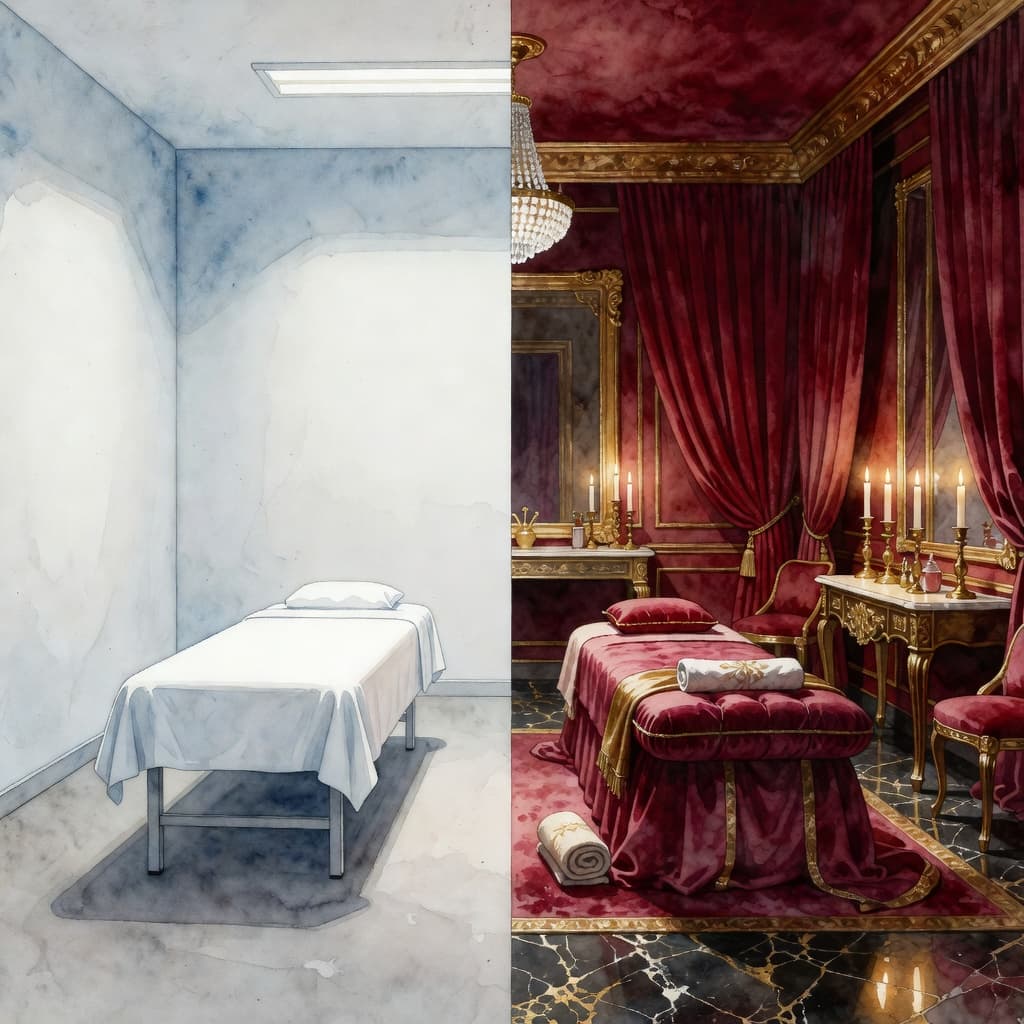 That difference shows up in the room, the oils, the therapist’s skill, and even the neighborhood. Once you know what drives pricing, the numbers on a menu make a lot more sense.
Location, rent, and neighborhood demand
A spa in a premium Nairobi area usually charges more because its costs start higher before the first client walks in. Rent in places like Kilimani, Westlands, Karen, and hotel zones is far more expensive than in smaller estates or low-cost commercial areas, so the spa has to spread that overhead across every session.
Demand matters too. In wealthier neighborhoods, many clients expect a polished setting, privacy, and a smoother service experience, so spas position themselves as premium businesses. That expectation allows higher prices, especially when the spa is near hotels, offices, or busy residential hubs.
In practice, location changes the whole business model. A spa that pays more for rent, security, cleaning, and utilities will usually build those costs into the massage price rather than absorb them.
A higher price often reflects the neighborhood first, then the massage itself.
Therapist training and experience
Therapist skill has a direct effect on what a spa can charge. An experienced therapist who knows body mechanics, pressure control, and client care usually costs more to employ than entry-level staff, and that difference shows up on the menu.
Specialized treatments push the price up even more. Deep tissue, sports massage, and recovery work need stronger technique and better judgment, because the therapist has to work on tight muscles, injury-prone areas, or post-workout soreness without causing pain or strain. Those sessions often cost more because the service is more demanding.
Spas also price for consistency. A therapist who gives the same quality of treatment every time is more valuable than someone who only knows the basics. That is one reason some places publish a lower starting rate but charge more for advanced massage options.
For a useful comparison of how therapist quality affects spa choice, a study on spa customers in Kenya found that service quality strongly shapes where people book, not just the price tag. You can read the study on therapist quality if you want a deeper look.
Session length and add-ons
The length of the session changes the final bill in a very direct way. A 30-minute massage costs less because it uses less therapist time, fewer supplies, and less room time. A 60-minute session is the common middle ground, while a 90-minute massage costs more because the therapist spends more time on the table and the spa blocks that room for longer.
Add-ons can raise the price just as fast. A basic massage may look affordable at first, then the extras stack up once you choose upgrades.
Common add-ons include:
- Aromatherapy for a more relaxing scent and mood
- Hot stones for warmth and deeper muscle release
- Foot scrubs for extra exfoliation and care
- Couples upgrades for a shared room and coordinated service
- Special oils or creams that cost more than standard products
A menu can look modest until you add two or three extras. Then the final amount starts to feel much closer to a premium session than a basic one.
Spa setting, equipment, and service level
The spa environment changes how much a business can charge because clients pay for comfort as much as touch. Luxury bedding, private rooms, soft towels, quality music, and clean treatment spaces all cost money to maintain, and those costs sit inside the price.
Hotel-based spas often sit at the top of the market for this reason. They use premium oils, better robes, polished front-desk service, and quiet facilities that feel more exclusive. You are not only buying a massage, you are paying for the whole atmosphere around it.
Small details matter too. A therapist who prepares the room well, explains the treatment clearly, and checks pressure during the session creates a better experience. That level of service takes training and time, so the spa prices it accordingly.
For readers comparing options, the best approach is simple. Look at the room, the therapist, the duration, and the extras, then compare those details before you compare the number alone. If you want to see how different treatment types are packaged, browse the spa service menu and compare what each option includes.
Common massage types and what they cost in Kenya
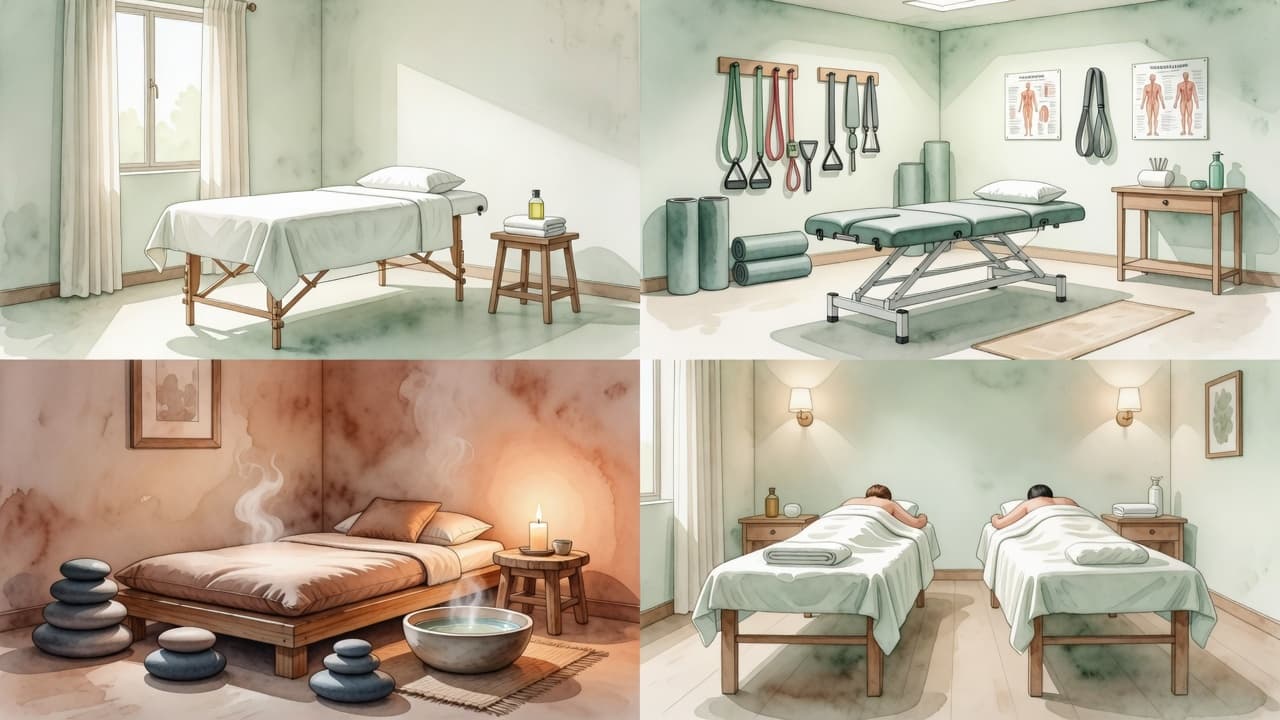
Massage menus in Nairobi can look simple at first, but the treatment type changes the price fast. A basic relaxation session usually sits at the lower end, while therapies that use firmer pressure, heat, or two therapists in one room cost more.
If you’re comparing the Full Body Massage Cost in Kenya, focus on what you want most: calm, pain relief, or a shared experience. The right choice usually comes down to how much pressure you want and how much extra service you’re paying for.
 ### Swedish massage for relaxation
Swedish massage is often the most affordable full body option on a spa menu. It uses lighter to medium pressure, smooth strokes, and a steady pace, which makes it a strong choice if you just want to switch off and relax.
For first-timers, it also feels less intimidating than firmer styles. You get the full-body experience without the soreness that can sometimes follow deep pressure work, so it is a safe starting point when you’re not sure what your body will like.
In many Nairobi spas, Swedish massage sits in the budget or lower mid-range bracket. That makes it a good value pick for anyone who wants a proper session without paying for specialty techniques or premium add-ons.
Deep tissue and sports massage for tight muscles
Deep tissue and sports massage usually cost more because they need more skill, more effort, and often more time spent on specific problem areas. The therapist works into deeper muscle layers, so the session demands stronger technique and better control.
These are the treatments people book when they have muscle pain, desk-related tension, heavy workout soreness, or recovery needs after strain. A therapist has to pay closer attention to pressure and movement, which is one reason the price is higher than a standard relaxation massage.
If you want a treatment that feels more targeted, these styles often deliver better value than a basic massage. The session may cost more up front, but it can feel worth it when your shoulders, lower back, or legs are carrying real tension.
For a broader look at styles before you book, the massage treatment options explained guide is useful for comparing pressure levels and session goals.
Hot stone and aromatherapy options
Hot stone and aromatherapy treatments usually sit above basic Swedish pricing because they include extra elements. Hot stone massage uses warmed stones to help muscles loosen faster, while aromatherapy adds essential oils for a more sensory, calming experience.
What you pay for here is the added comfort. The heat can make the massage feel gentler and more soothing, and the oils can change the mood of the session, especially if you want something that feels a little more special than a standard massage.
These treatments are a smart choice when you want a relaxation-focused visit but also want a premium touch. In other words, you are paying for atmosphere, warmth, and a more polished experience, not just pressure on sore muscles.
Couples massage and special packages
Couples massage usually costs more than a single full body session because you’re paying for two therapists, two tables, and a shared treatment room. The setup takes more space and more coordination, so the total price rises even when the session length stays the same.
That higher price makes sense for date nights, anniversaries, or when you want to relax with a partner. Some spas also bundle couples sessions with extras like hot stones, drinks, or longer time slots, which pushes the cost even higher.
Package deals can offer better value when they combine two treatments or include add-ons at a lower combined rate. If you’re booking for two people anyway, compare the package total against two separate appointments. A well-priced bundle often saves money and gives you a better experience at the same time.
For clients comparing neighborhood pricing and treatment combinations, Kilimani spa session rates can help you see how couples options and specialty sessions are priced in one of Nairobi’s busiest spa areas.
How to tell if a massage price is fair
A fair massage price in Nairobi usually matches the session length, the therapist’s skill, and the space you walk into. A low number can still be a good deal, but only if the treatment is complete, the room is clean, and the service feels professional.
The best way to judge value is to compare what’s included, not just the headline rate. That gives you a clearer picture of the Full Body Massage Cost in Kenya and helps you spot a deal that actually makes sense.
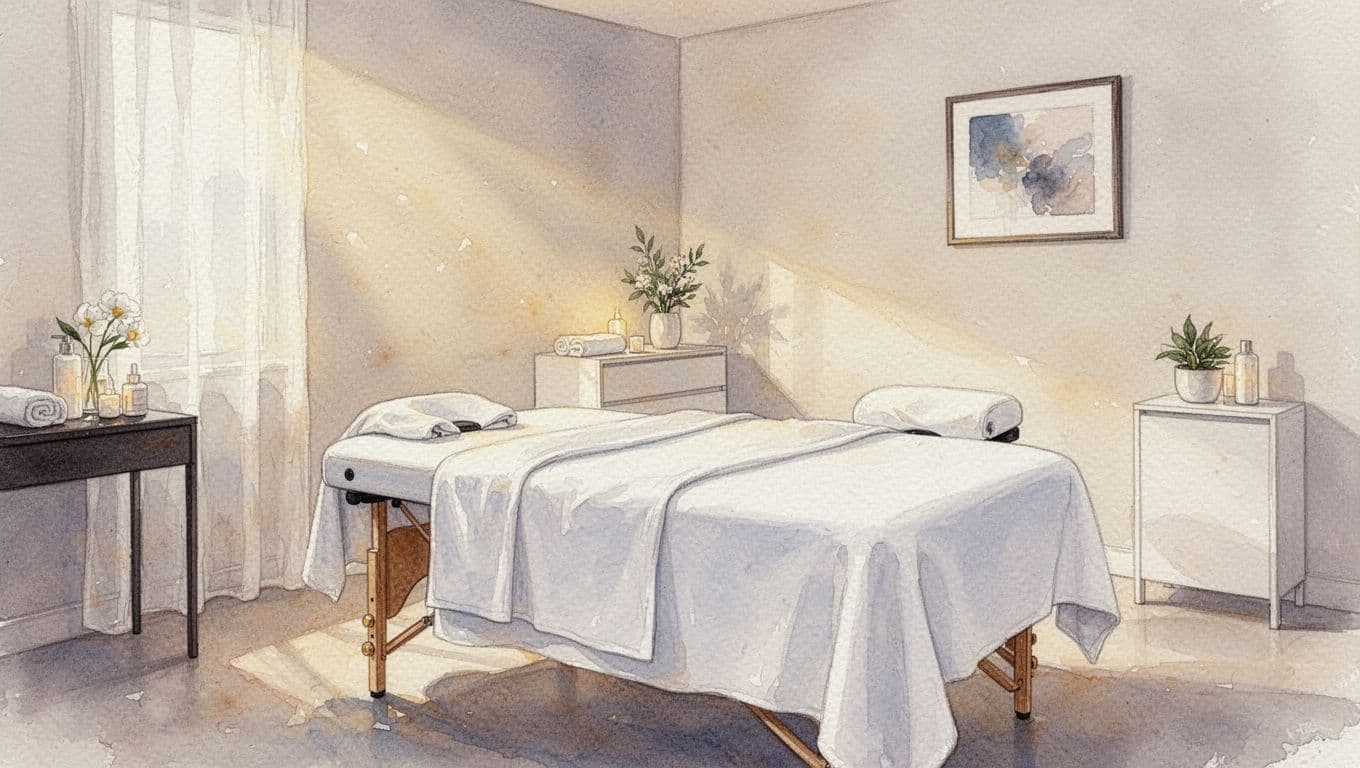 ### What to check before you book
Start with the basics, because these details tell you a lot about value. A 60-minute massage should mean 60 minutes of actual treatment time, not a short session with a long wait at the start or a rushed finish.
Pay attention to the therapist’s experience too. A trained therapist who understands pressure, body tension, and client comfort can justify a higher rate than a beginner working through the same routine.
Hygiene matters just as much. Clean towels, fresh linens, tidy floors, and a room that smells clean are all signs that the spa takes its work seriously. If the space feels neglected, the price is probably too high for what you get.
Privacy is another part of the value equation. You should know whether the room is private, partitioned, or shared, because that changes the comfort level a lot.
Before you confirm, ask whether the price includes:
- Oils or lotions
- Fresh towels
- Disposable items, if needed
- Consultation time
- A private room
If the spa advertises a low rate but charges extra for the basics, the final bill may end up close to a better-quality option anyway. For a simple way to compare venues, use a massage spa evaluation checklist before you book.
Signs a cheap rate may cost you more later
A very low headline price can look attractive at first, but it sometimes hides weak service. The treatment may be shorter than advertised, or the therapist may rush through the session to keep up with volume.
Some spas also use low prices to bring you in, then add charges for oils, hot stones, towels, or even basic room features. That makes the initial deal less useful than it first appeared.
Cleanliness is another area where cheap rates can backfire. If the linens look worn, the room feels cramped, or supplies seem limited, the savings may not be worth it. A massage should feel relaxing from the first minute, not make you worry about the setting.
A low price is not always a bad sign, but it should come with clear service details. If the spa can’t explain what the rate covers, keep looking.
A fair price is clear before you arrive, not after the bill grows.
Questions to ask the spa
A few direct questions can save you money and frustration. You don’t need a long conversation, just enough detail to compare one place with another.
Ask about the massage type first. A spa may list “full body massage,” but that can mean Swedish, deep tissue, aromatherapy, or a mix of styles. The technique affects both the feel of the session and the price.
Then ask what the price includes. Find out whether towels, oils, consultation time, and room privacy are part of the rate. If the spa uses special products or charges for upgrades, ask for the extra cost upfront.
Cancellation rules matter too. Some places allow changes with no penalty, while others keep part of the fee if you cancel late. That detail is easy to miss until you need it.
A simple question list works well:
- What type of massage is included in this price?
- How long is the session, and does that include prep time?
- Are oils, towels, and a private room included?
- What are the cancellation or rescheduling rules?
- Are there any extra fees I should know about?
If you want a cleaner booking process, the spa booking details page can help you compare service types before you call.
A fair massage price feels transparent, complete, and comfortable. When the session length, room quality, and therapist skill match the amount you pay, you usually have a good deal on your hands.
Where to find a full body massage in Nairobi and what to expect
Nairobi gives you a wide spread of options, and that works in your favor. You can book a simple neighborhood massage when you want to keep costs down, or choose a polished hotel spa when comfort matters more than price.
The experience usually matches the setting. Budget spots keep things simple, mid-range spas feel calmer and more refined, and luxury venues focus on privacy, polish, and extras that make the visit feel like a full outing.
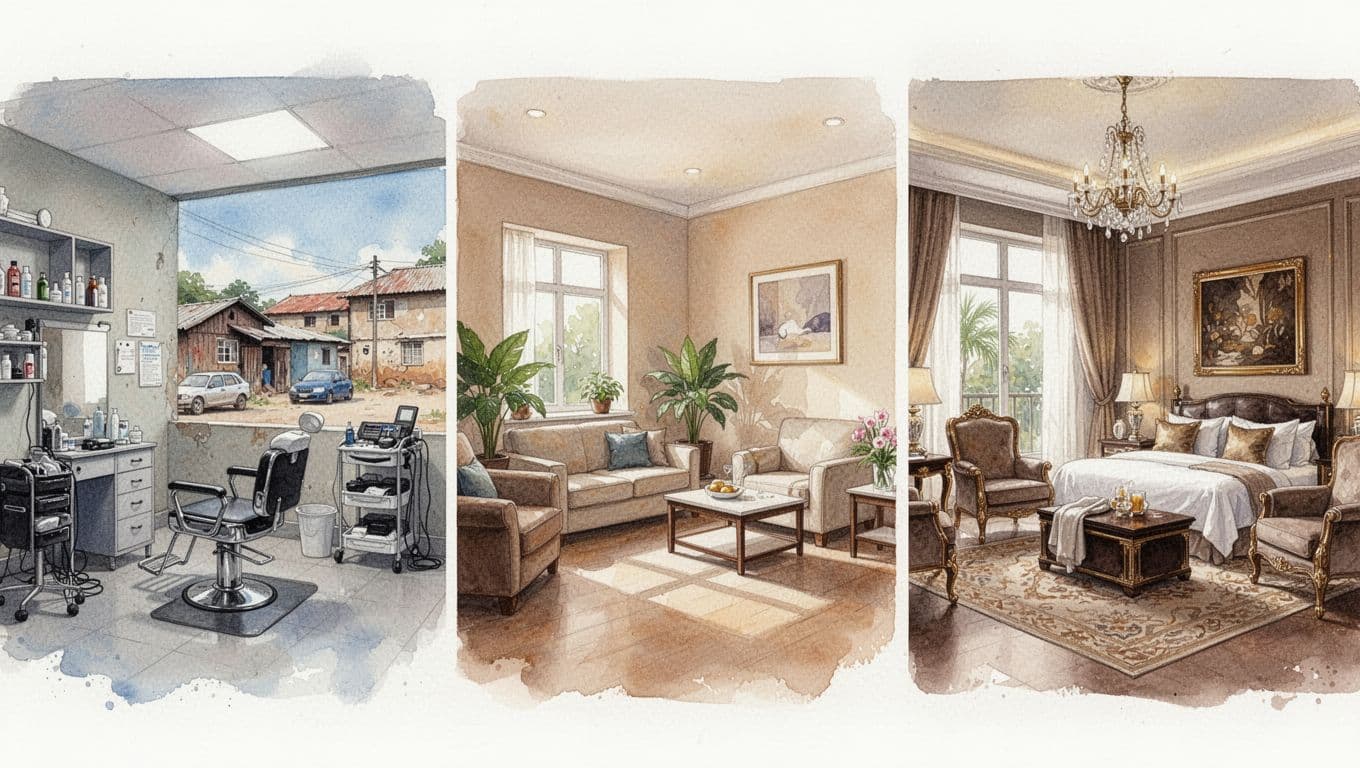 ### Budget-friendly salons and neighborhood spas
Budget-friendly massage spots are easy to find in many Nairobi estates and commercial strips. They usually attract people who want a full body massage without paying for fancy interiors, hotel branding, or a long list of add-ons.
The rooms are often plain but functional. Expect simple treatment beds, basic lighting, limited décor, and a shorter menu that covers the most common massage styles. The focus is on the session itself, not the atmosphere around it.
Prices are lower, which is the main appeal. Many of these places offer a straightforward Swedish or relaxation massage, and some also provide deep tissue if you ask in advance. If you want a no-frills booking, this is where the massage service rates on the site can help you compare options without guessing.
What you usually get at this level:
- Lower rates that suit a tight budget
- Simpler rooms with fewer comfort extras
- Shorter menus with the most common treatments
- Basic oils and linens, often without premium upgrades
The tradeoff is consistency. Some neighborhood spas are clean and professional, while others feel rushed or worn down. If you book here, ask what the price includes and check whether the therapist has experience with the type of pressure you want.
Mid-range wellness spas
Mid-range wellness spas are where many Nairobi clients end up. They cost more than neighborhood salons, yet they usually give you a better balance of comfort, skill, and calm.
These spas tend to pay more attention to the room and the flow of the visit. You may get softer lighting, cleaner changing areas, better oils, and a therapist who spends a little more time asking about pressure, pain points, and your comfort level.
The menu is usually broader too. Along with standard full body massage sessions, you may see aromatherapy, hot stone, deep tissue, and recovery-focused treatments. That variety matters if you want something more specific than a basic relaxation massage.
Many mid-range spas feel like a good middle step for first-time clients. You get a more polished experience without paying hotel-spa prices, and the treatment often feels more tailored to recovery, stress relief, or sore muscles after a long week.
If you want value without sacrificing comfort, this is the price band that usually makes the most sense.
This category also fits the way Nairobi pricing works in areas like Kilimani, Westlands, and parts of the CBD. The service style is cleaner and more attentive than a budget salon, but the price still stays reachable for regular visits.
Hotel and luxury spa experiences
Hotel and luxury spas sit at the top end of the Nairobi market. They cost more, sometimes far more, because the setting, service, and products are all designed to feel premium from the moment you walk in.
These places usually offer the smoothest service flow. You may be welcomed with tea or water, shown through quiet waiting areas, and guided into a private treatment room with high-quality linens and carefully selected oils. The therapists often work in a more structured environment, and the whole visit feels more controlled.
Premium products are part of the appeal. Luxury spas often use richer oils, branded skincare, heated amenities, or specialty add-ons that raise the final bill. Some hotel spas also bundle the massage with steam, sauna, body scrubs, or access to other wellness facilities.
That higher price makes sense for clients who want privacy, a special occasion, or a more complete spa day. A treatment at a place like Kaya Spa or another luxury venue is often about the full experience, not just the massage table.
Nairobi’s high-end spa market includes places around Gigiri, Lavington, Village Market, and hotel properties in central business areas. In those spaces, the service style is polished, the rooms feel quieter, and the price usually reflects the location as much as the treatment itself. For some clients, that extra comfort is the whole point.
Conclusion
A full body massage in Kenya usually falls in the KES 3,500 to KES 7,500 range for a standard session, with Nairobi pricing often landing in the middle of that band. The biggest cost drivers are location, therapist experience, session length, and any extras such as hot stones or aromatherapy.
If you are comparing options, focus on what the price includes, not just the number on the menu. A fair rate should match the setting, the therapist, and the service you actually receive, which is why a clear Nairobi massage price list is a better starting point than guessing from a single ad.
The best choice is the one that fits your budget and gives you the right level of comfort, pressure, and care. A fair price is about value, not just the lowest figure.


[…] For a wider comparison, see this guide to the full body massage cost in Kenya. […]
[…] massage sessions between roughly KES 2,000 and KES 11,000. Treatment type and setting matter. A full body massage cost guide for Kenya puts many standard 60-minute Nairobi sessions near KES 4,500 to KES 5,000, while premium hotel spas […]