
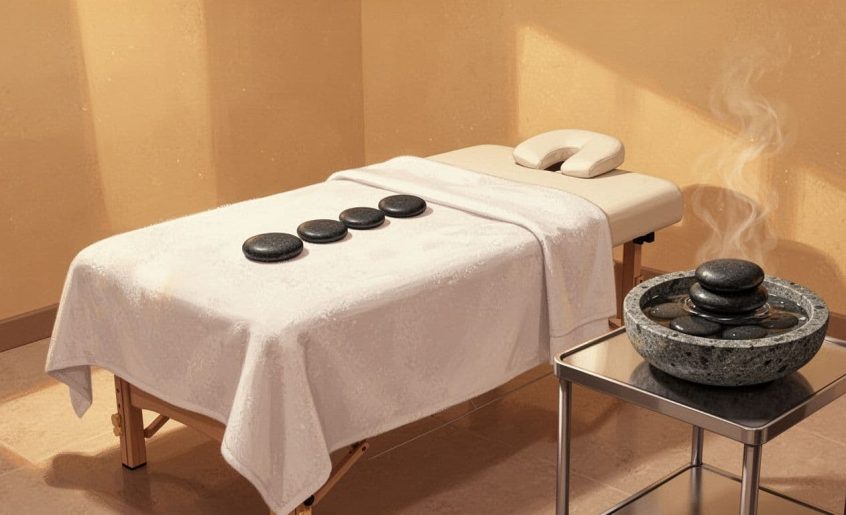
Massage Benefits, Types, and What to Expect
Professional massage therapy benefits for your physical and mental health are extensive. Whether you are looking for effective stress reduction to help you unwind after a busy week or seeking long-term pain management for muscle tension, regular sessions can be a vital component of your health routine.
Massage is one of the simplest ways to help your body feel better and your mind slow down. A good session uses skilled pressure and movement to ease tight muscles, calm stress, and create a sense of real relief that lasts beyond the appointment.
People keep coming back to massage for a few clear reasons. It can help with stress relief after long days, support muscle recovery after workouts or physical strain, improve sleep, and add to your overall wellness when life feels heavy. For many readers, it is the one treatment that feels both soothing and practical at the same time.
The benefits also depend on the style you choose, because Swedish massage, deep tissue massage, sports massage, and aromatherapy each meet different needs. If you want a fuller breakdown of those options, this guide to massage types and benefits is a good place to start.
Once you understand what massage can do and how different sessions work, it becomes much easier to choose the right one for your body and your goals.
Key Takeaways
- Physical and Mental Relief: Massage therapy effectively addresses muscle tension and promotes stress reduction, helping the body move out of high-alert states and supporting emotional balance.
- Customized Care: Selecting the right massage style, such as a Swedish massage for relaxation, a deep tissue massage for stubborn knots, or sports massage for recovery, ensures you get the specific benefits your body needs.
- Sustainable Routine: Consistent, regular sessions are more effective for long-term health than occasional visits, making it easier to stay ahead of chronic stiffness and stress buildup.
- Communication is Essential: Being open about your goals, pressure preferences, and physical concerns ensures your therapist can tailor the session for maximum comfort and effectiveness.
Key Massage Therapy Benefits for Body and Mind
Massage does more than feel good for an hour. It helps your body settle, your muscles soften, and your mind slow down at the same time. This combination of physical and mental relief is the primary reason so many people seek out massage therapy benefits to leave a session feeling lighter, calmer, and more at ease.
The effects usually show up in small but clear ways. Your shoulders drop, your breathing gets slower, and the tight, overworked feeling that built up during the week starts to ease. For some people, that relief is physical first. For others, it starts in the mind and spreads through the body.
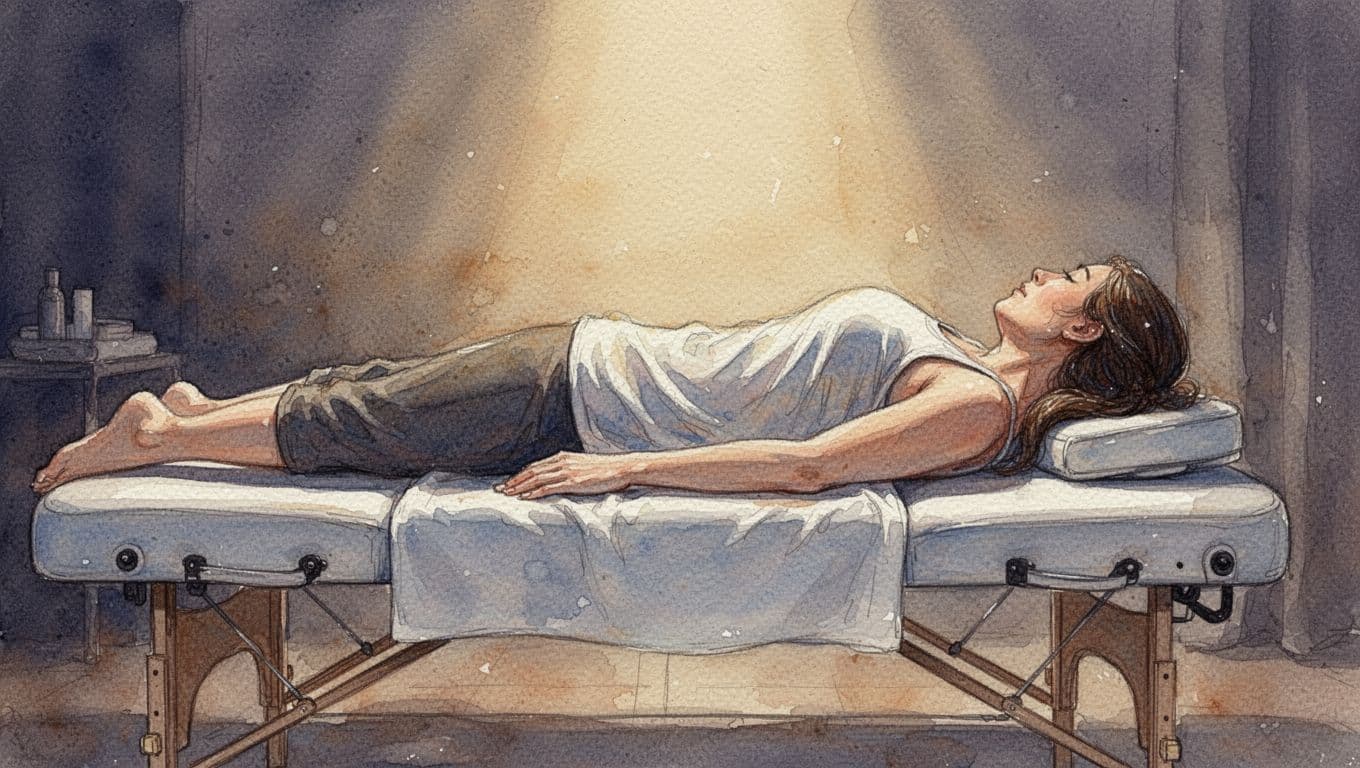 ### How massage helps when stress builds up
Stress does not stay in your head. It often shows up in the body as tight shoulders, a clenched jaw, shallow breathing, tension headaches, or a stomach that feels off. It can also make sleep lighter and leave you feeling wired even when you are tired.
Massage helps interrupt that cycle. As touch and pressure signal the body to relax, the nervous system starts to shift out of high alert. By lowering cortisol levels, massage provides tangible mental health benefits, helping the body move out of a state of chronic stress. This calming effect is often used as a complementary practice to support those managing anxiety and depression.
That matters because stress can make everything feel louder. A small ache feels bigger, and a busy day feels longer. After a good session, many people notice they feel more grounded and less on edge. The body feels safe again, and that sense of safety often lingers after the appointment ends.
When stress lives in the body, massage gives it a way out.
For deeper reading on the full range of body and mind benefits, massage therapy for body and mind recovery is a useful next step.
Why sore muscles feel better after massage
Sore muscles often come from more than one thing. Long hours at a desk, repetitive work, hard workouts, and even sleeping in one position too long can all leave muscles stiff and tender. That stiffness can make simple movement feel harder than it should.
Massage helps by loosening those tight spots and encouraging better blood flow. In simple terms, manual manipulation of the soft tissues improves circulation, meaning more oxygen and nutrients reach tired muscles, while built-up waste moves out more easily. That can support recovery and reduce the heavy, cramped feeling many people get after strain or exercise.
It also helps with daily pain that builds up over time. This includes chronic muscle tension that causes a back to feel locked, legs that feel heavy after long periods of sitting, or persistent lower back pain. Massage can make those areas feel more open and less stuck.
A few common changes people notice after a session include:
- Less stiffness when they stand up or stretch
- Easier movement through the neck, back, or legs
- Reduced soreness after exercise or physical work
- A softer, less guarded feeling in the muscles
If you want a deeper look at how regular sessions support healing and comfort, benefits from regular massage offers a practical breakdown.
Addressing chronic pain and recovery
Beyond everyday soreness, massage serves as a vital tool for various physical conditions. It is frequently utilized as a component of injury recovery to help restore range of motion. For those dealing with recurring physical discomfort, it can also provide relief for a chronic headache and migraine. Furthermore, many individuals find that massage is a helpful complementary therapy for managing fibromyalgia symptoms, providing gentle relief to a body that is often hypersensitive to pain.
The role of massage in sleep and emotional balance
A relaxed body is easier to rest. That is one reason massage can significantly improve sleep quality, especially when stress or tension keeps you awake. When muscles loosen and the nervous system settles, it becomes easier to wind down at night instead of carrying the day into bed.
Many people feel sleepy after massage for a simple reason, the body is no longer bracing. The jaw unclenches, the shoulders fall, and the whole system slows down. That can lead to deeper rest and fewer nights spent tossing and turning.
Massage can also help with emotional balance. By creating a space where the body feels safer, it serves as a support for those navigating anxiety and depression. When your body feels calmer, your mood often follows. You may feel less irritable, less overwhelmed, and more steady after a hard week. It does not solve every problem, but it gives your mind a pause button.
For people who live with constant pressure, that pause matters. It creates a space where the body can recover and the mind can stop running for a while. A regular massage routine can make that calmer state easier to reach, not just once, but again and again.
In the end, massage supports both sides of wellness. It eases stress, softens sore muscles, improves circulation, and helps the body prepare for rest. That combination is what makes it feel so complete, because when the body settles, the mind usually follows.
Choosing the right massage for your goals
The best massage is the one that matches how your body feels right now. Some sessions are built for calm, while others focus on tight muscles, sore spots, or recovery after physical strain. Whether you are looking for general relaxation or a therapeutic massage to address specific health concerns, choosing the right technique ensures you get the most out of your session.
That choice matters because pressure, pace, and technique change the whole experience. A gentle session can feel like your body finally exhaling. A firmer one can feel like someone is untangling knots that have been there for weeks.
 If you’re comparing common options, this Nairobi massage guide gives a useful overview of what each style is best for.
Swedish massage for calm and light tension
Swedish massage is the easiest place to start if you want relaxation. It uses long, smooth strokes, light kneading, and steady rhythm, so the whole session feels calm and familiar.
This style works well when your body feels a little tight, but not deeply sore. Because Swedish massage promotes relaxation and improved circulation, it is ideal when your shoulders are heavy from work or you just want to switch off for an hour. Most people leave feeling looser, lighter, and less tense. The effect is soothing rather than intense, which makes it a strong choice if you are new to massage or prefer a softer touch.
Deep tissue massage for stubborn tight spots
Deep tissue massage is a better fit when tension has settled into specific areas. It uses slower, firmer pressure to work into deeper layers of muscle, especially where things feel knotted, stiff, or restricted.
This option makes sense for chronic tightness, post-workout soreness, and those familiar problem areas in the neck, back, or legs. By addressing these areas, you can also support better joint flexibility and a improved range of motion. The pressure can feel strong, but it should still feel controlled and purposeful, not painful. Many people choose this style when they want real work done on stubborn tension to restore better range of motion.
If your muscles feel locked in place, deep tissue massage is often the right match.
Aromatherapy and hot stone massage for deeper relaxation
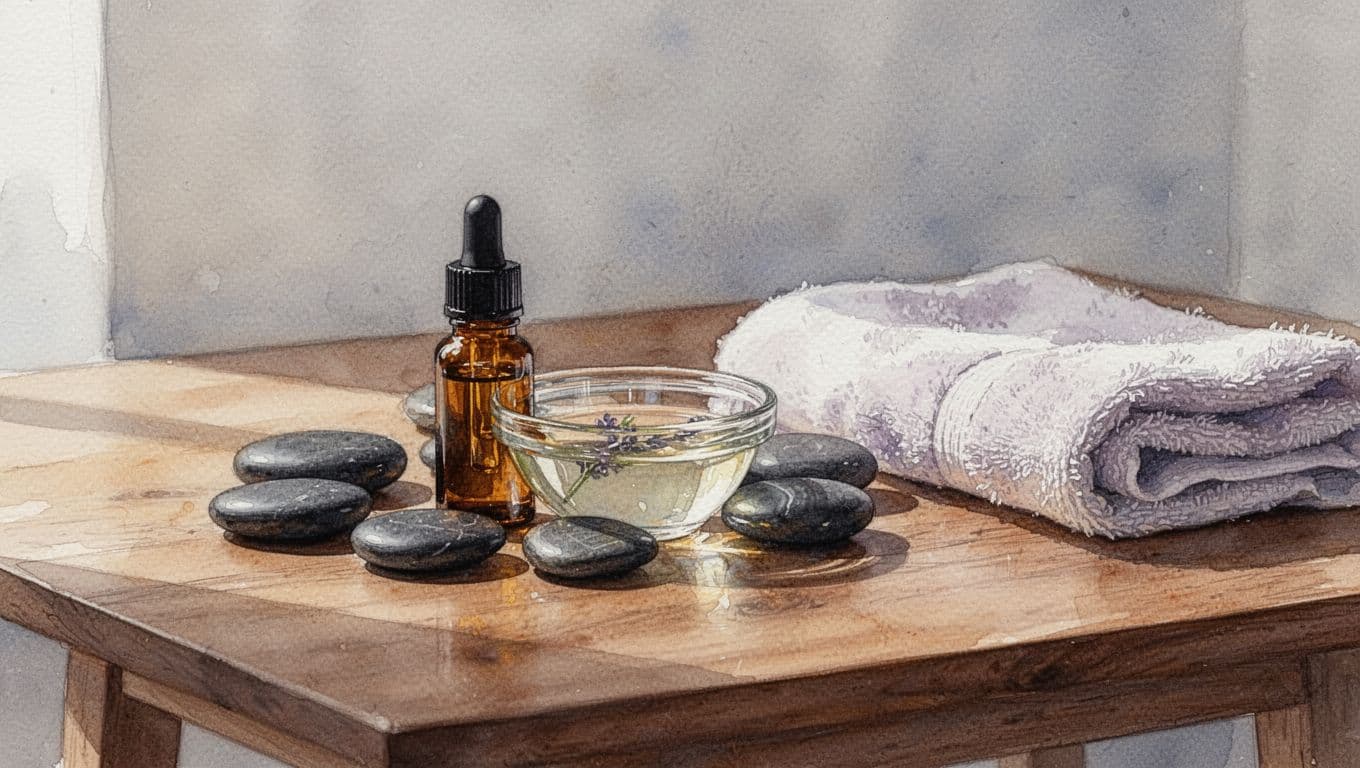
Aromatherapy massage adds scent to the experience, which can make relaxation feel even easier. Essential oils like lavender or eucalyptus can help create a softer, more restful mood, especially if stress has been building all week.
Hot stone massage uses warm stones to bring heat into tight muscles. That warmth can feel comforting right away, and it often helps the body settle faster than pressure alone. Both options are a good fit when your main goal is stress relief. They work especially well if you want your session to feel peaceful, warm, and unhurried.
| Massage type | Best for | What it feels like | Main result |
|---|---|---|---|
| Aromatherapy | Stress, mood, relaxation | Gentle massage with calming scent | A softer, more restful session |
| Hot stone | Tight muscles, stress, warmth | Warm stones with steady pressure | Deeper comfort and muscle ease |
If you want a session that feels more like a full-body exhale, these two are strong choices.
Specialty massage options for unique needs
Specialty massage options are useful when you have a more specific goal in mind. Some are built for recovery after exercise, while others focus on soreness, swelling, or certain problem areas that need focused care.
Sports massage is a common example for active people who want to reduce muscle fatigue, ease recovery, or prepare the body after training. If you are dealing with fluid retention or sluggish circulation, lymphatic drainage massage is a gentle, specialized technique that encourages the natural movement of lymph fluids. Additionally, we offer pregnancy massage to help expecting mothers manage the physical changes and discomforts that come with each trimester.
A few situations where specialty massage makes sense include:
- Post-workout recovery when muscles feel overworked
- Repeated soreness in one area, such as the back or calves
- Tension from posture after long hours at a desk
- Specific problem spots that keep coming back
The right choice depends on the goal, not just the name on the menu. If you want to feel relaxed, pick a softer style. If you want to work through tight spots, choose firmer pressure. If you want warmth, scent, or focused recovery, go with the massage that matches that need.
What to expect before, during, and after a massage session
A good massage feels smoother when you know the rhythm of the appointment. The process is usually simple, calm, and easy to follow, even if it is your first time. Once you understand what happens before, during, and after the session, it becomes much easier to relax and enjoy the work on your body.
How to prepare so the session feels easy
Start by arriving on time, or a few minutes early if you can. That gives you space to check in, settle your thoughts, and avoid walking straight in from a rushed day. A relaxed start often leads to a better massage.
Wear comfortable clothes and plan for easy movement before and after the session. If you are unsure what to bring or how to pace your visit, what to know before booking a massage in Nairobi is a helpful place to get a clear picture of the basics.
Before the session begins, share anything that could affect your treatment with your licensed massage therapist. That includes injuries, recent surgery, pregnancy, skin concerns, allergies, or areas where you feel significant muscle tension. If you have had a long week at a desk or a hard workout, mention that too. The more your therapist knows, the better they can adjust the session to fit you.
Pressure preferences matter as well. You can ask for light, medium, or firm pressure, and you can change that choice once the massage starts. If you already know what feels good, say so early. If you do not, the therapist can help you find the right level.
A few simple prep steps make the whole experience easier:
- Eat lightly a little before your appointment, so you do not feel too full.
- Drink some water, but do not overdo it right before the session.
- Avoid heavy perfumes or strong scents.
- Tell the therapist if you want more focus on one area, like the neck, back, or legs.
Your licensed massage therapist can only adjust what they know about, so clear communication helps from the start.
How to get the most from the table time
Once you are on the table, the goal is to let your body settle. Most therapists begin with broad, steady strokes, then move into tighter areas as your muscles warm up and they begin working into the soft tissues of your body. The first few minutes often feel like your body is switching gears.
Breathing helps more than many people expect. Slow, steady breaths make it easier to release tension in your shoulders, jaw, and lower back. If you catch yourself holding your breath when pressure increases, soften your exhale and let your body drop into the table.
 Relaxation also depends on staying honest about what you feel. If the pressure is too much, speak up right away. If it feels too light, say that too. A small adjustment can change the whole session, and it is always okay to ask.
The therapist may check in during the massage, or you may need to guide the pace yourself. Either way, speaking openly is part of the treatment, not a distraction from it. You are not being difficult by asking for a change. You are helping the session work better for your body.
A few simple reminders can make the table time more comfortable:
- Keep your breathing slow and even.
- Let your shoulders, hands, and jaw soften.
- Speak up if pressure, temperature, or positioning feels off.
- Stay still when you can, so the therapist can work with less strain.
If you feel sleepy, that is normal. If you feel a little emotional, that can happen too. Massage often brings your body out of high alert, and that shift can feel bigger than expected the first few times.
Before your session, inform your licensed massage therapist of any medical conditions; those with specific health concerns should consult a doctor to understand if there are contraindications or risks associated with massage therapy.
What to do after your massage ends
When the massage ends, give yourself a minute before jumping up. Your body may feel warm, loose, or slightly lightheaded. Sitting up slowly helps you adjust without feeling rushed.
Hydration matters after a session, so drink water once you are dressed. It helps you rehydrate and supports the body after the physical work. If you want to protect that calm feeling, avoid scheduling something hectic right away. A quiet walk, a slow drive home, or a short rest works much better than a packed to-do list.
It is also normal to feel a few common after-effects, especially after deeper pressure:
- Warmth in the muscles
- Sleepiness or a heavy, relaxed feeling
- Mild soreness in areas that held a lot of tension
- A loose, easy feeling in the neck, back, or legs
Those feelings usually pass within a day or so. Mild soreness does not usually mean anything is wrong; it often means the muscles had real work done on them. Still, if something feels sharp or unusual, mention it to the therapist or seek medical advice if needed.
Rest helps the benefits last longer. Try not to rush into hard exercise, long errands, or a stressful meeting right after the session. Give your body time to keep settling. Even 20 quiet minutes can make a difference.
For first-time clients, the most useful mindset is simple: you are in control the whole time. You can speak up, ask questions, and ask for changes whenever you need them. That makes massage less intimidating and much more effective, because the session stays centered on what your body needs.
Massage offered by Nairobi Spa in Kilimani
Nairobi Spa’s Kilimani branch provides a practical way to enjoy professional care without leaving the neighborhood. By choosing our services, you can experience a wide range of massage therapy benefits that cater to your specific needs, whether you want deep calm, relief for sore muscles, or a session that helps you reset after a long week.
The location also matters. Kilimani is easy to reach, so your experience begins with convenience and ends with true rejuvenation. That combination makes it a strong choice if you want wellness services located close to your home or office.
 ### The massage services guests can choose from
Nairobi Spa offers a variety of styles, so you can select the right approach based on how your body feels that day. If you prefer a lighter, flowing treatment, a Swedish massage is a perfect fit for general relaxation. It uses smooth strokes and a steady rhythm to help you unwind and lower stress levels.
If your muscles feel tight or overworked, a deep tissue massage goes further into those stubborn areas. It works well for neck tension, back stiffness, and post-workout soreness. By focusing on deep muscle layers, this therapeutic massage helps address chronic tension while also supporting improved joint flexibility. For those looking for active recovery or enhanced performance, we also offer a targeted sports massage.
You can also choose an aromatherapy massage when you want scent and touch to work together. The calming oils help set a peaceful tone, while the treatment itself softens tension. A hot stone massage adds warmth, which can make tight muscles relax faster and feel easier to manage.
Some guests also prefer specialty treatments when they need something more focused for pain management. If you want to compare options before you visit, massage therapy in Nairobi provides a useful starting point to understand the various wellness options available to you.
A simple way to think about the menu is this:
- Swedish massage for calm and light tension
- Deep tissue massage for stubborn tight spots and joint flexibility
- Aromatherapy for relaxation with soothing scents
- Hot stone massage for warmth and muscle comfort
- Sports massage for athletic recovery
- Specialty massage for pain management and focused wellness needs
That mix gives you room to choose a session that feels personal, not generic.
Why the setting matters as much as the technique
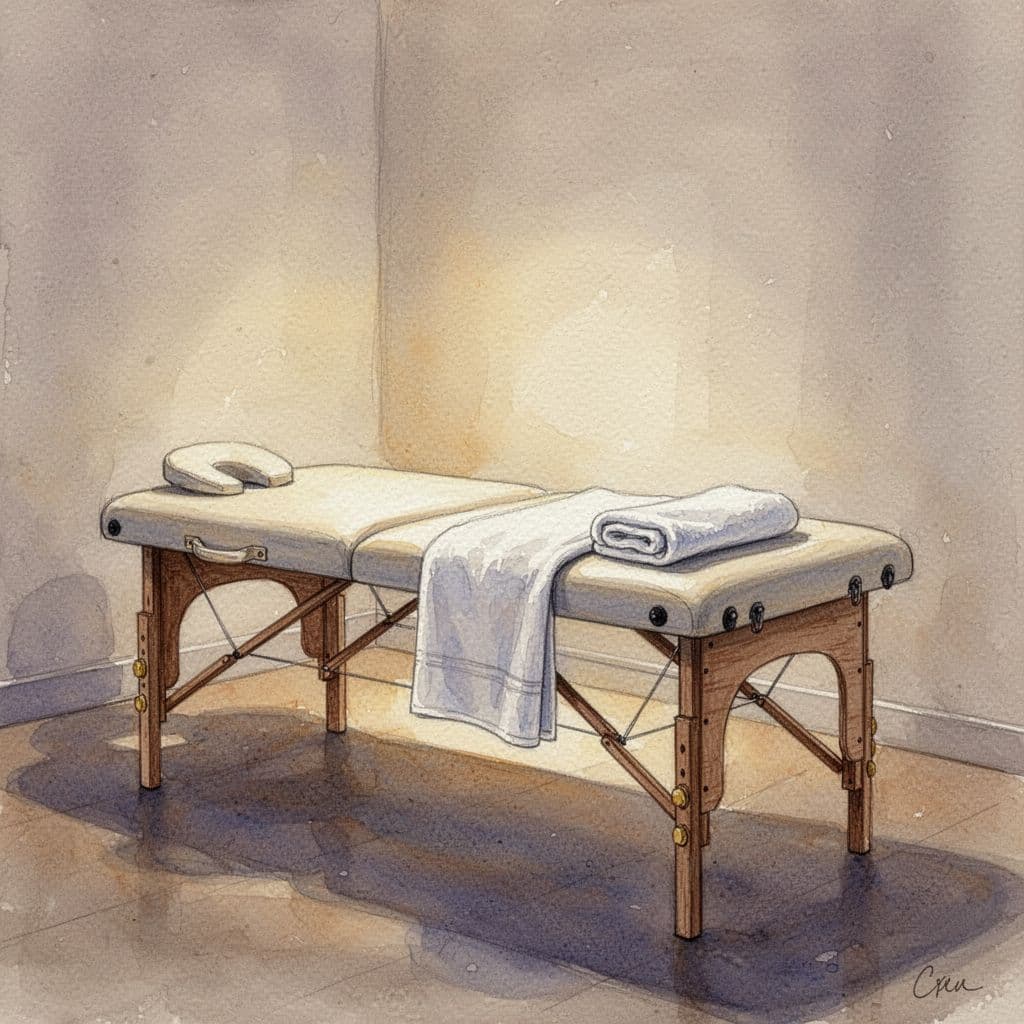
Effective massage depends on more than pressure and skill. The room, the pace, and the overall atmosphere shape how well your body relaxes. A calm spa space helps your mind slow down, which makes it easier for the muscles to let go as well.
Skilled therapists are equally important. They know how to adjust pressure, listen to your feedback, and work with different body types and tension levels. That kind of care makes the session feel more precise and more comfortable.
Cleanliness also changes the whole experience. Fresh linens, tidy treatment areas, and a welcoming environment help you settle in right away. When a spa feels organized and peaceful, you spend less time thinking and more time relaxing.
A local spa in Kilimani adds another layer of value. You can visit more often, fit sessions into a busy routine, and build a consistent habit that supports recovery over time. That is essential if you deal with stress, long desk hours, or recurring muscle strain.
How to book a session that fits your needs
Booking the right appointment starts with a quick look at the service options. Decide what you want most, whether that is relaxation, relief, or a blend of both. Then, match the session type to your goal.
Duration matters too. A shorter session can work well for a focused area like the back or shoulders, while a longer one gives the therapist more time to address the whole body. If you are unsure, choose the length that matches how much tension you usually carry.
After that, reach out through the spa’s contact or booking channels and ask any simple questions you have. You can confirm availability, ask about pricing, and mention any special concerns before the appointment. That small step helps the session feel smoother from the start.
If you want a reliable experience in Kilimani, keep the process simple:
- Review the available services.
- Pick the style that fits your body.
- Choose the session length you need.
- Contact the spa to book your time.
A clear booking process makes the whole visit easier, and it helps you walk in already knowing what to expect.
How often should you get a massage?
There is no single schedule that fits everyone. For many people, a monthly massage is enough to prioritize effective stress reduction and enjoy significant mental health benefits, which helps prevent tension from piling up. Regular sessions also play a role in regulating cortisol levels, allowing your body to recover more efficiently from the demands of daily life. If your body works harder, your week feels heavier, or you carry a lot of tightness in the same spots, you may want sessions more often.
The best rhythm depends on what your body is dealing with right now. Your stress level, workout routine, job demands, recovery needs, budget, and personal comfort all matter. A schedule that feels right should be realistic enough to keep, because consistency provides greater benefits than a one-time visit.
A good massage routine should fit your life, not fight it.
Signs you may need massage more often
Some people only book a massage when they feel sore. Others notice the warning signs sooner. Recurring neck and shoulder tension is one of the clearest clues, especially if it comes back after work or long screen time. Diminished sleep quality can also point to a body that never fully relaxes.
Long work hours, heavy lifting, repeated workouts, and stressful weeks can all build up fast. You might feel worn down, stiff in the morning, or like your body never fully recovers before the next busy stretch begins. For those navigating high-pressure lives, regular massage sessions can be a vital tool in managing symptoms of anxiety and depression. When that happens, massage can move from a treat to part of your necessary upkeep.
A few signs that your schedule may need more regular massage include:
- Tightness that keeps returning after a few days
- Poor sleep that gets worse when stress builds
- Physical strain from workouts, lifting, or long shifts
- That heavy, run-down feeling after back-to-back busy weeks
If you sit for most of the day or train hard several times a week, regular sessions can help your body feel less stuck. For some people, that means every two weeks. For others, once a month is enough to stay ahead of tension.
 ### How to build a massage routine that lasts
A lasting routine starts with a schedule you can actually keep. If you want simple maintenance, once a month is a practical target. If stress builds quickly or your body gets tight between visits, every two to four weeks may feel better. Athletes and people with more physical strain often do well with weekly or biweekly sessions during demanding periods.
Budget matters too. It helps to decide in advance what you can comfortably spend each month, then match your session length and frequency to that number. A shorter massage on a regular schedule is often more useful than an occasional long one that you can only book once in a while.
If you want your routine to stick, keep it simple:
- Pick a pace that matches your body and your week.
- Set a budget you can maintain without stress.
- Book the next visit before you leave, if that helps you stay on track.
- Treat massage as part of your normal self-care, not a last-minute fix.
If you are comparing local options, book a massage session in Nairobi when you are ready to choose a place that fits your routine.
The best plan is the one that feels sustainable. When massage fits naturally into your life, it becomes easier to protect your energy, manage tightness, and keep your body from falling too far behind.
Frequently Asked Questions
How often should I get a massage?
The ideal frequency depends on your stress levels, physical activity, and budget. While a monthly session is a great starting point for maintenance, many people dealing with high stress, chronic muscle tension, or even frequent headache and migraine episodes benefit from visiting every two to four weeks.
Will I be sore after a massage?
It is common to feel slightly sore or stiff after a session, particularly if you received deep tissue work. This usually indicates that the therapist successfully addressed deep muscle tension, and the feeling typically fades within a day or two. Those seeking relief from fibromyalgia symptoms may also experience temporary sensitivity as the body adjusts to the release of long-held tension.
How do I choose the right type of massage?
Start by identifying your primary goal, such as relaxation, pain relief, or athletic recovery. If you are new to massage or want to de-stress, a Swedish massage is an excellent choice. If you are dealing with specific muscle knots, physical strain, or chronic pain, a deep tissue massage is generally better suited to reach the deeper layers of tissue and provide long-term relief.
Should I talk to my therapist during the session?
Yes, speaking up is an important part of the process. You are in control of the session, and providing feedback on pressure, temperature, or comfort ensures that your therapist can adjust their techniques to better serve your body’s needs.
Is massage therapy covered by health insurance?
Insurance coverage varies significantly by provider and plan. Because policies change frequently, we recommend that readers check directly with their local insurance providers to see if massage therapy is a covered benefit under their specific plan.
Conclusion
Understanding the diverse massage therapy benefits is one of the simplest ways to support both your body and mind. It can ease tension, help your soft tissues recover, and create a calmer daily rhythm when the pressures of life start to pile up.
That is why professional massage is so effective for many people. Beyond physical relief, regular sessions provide significant stress reduction and support for those dealing with anxiety and depression. By prioritizing your mental health benefits, you can move through the week with less tightness, better rest, and a steadier mood. Massage fits naturally into a self-care routine because it works with the body to restore balance.
If your shoulders stay tense, your sleep feels uneven, or your body needs a break after long days, scheduling a session is a practical choice. It is a small, consistent habit that can make everyday life feel lighter, more comfortable, and easier to manage.