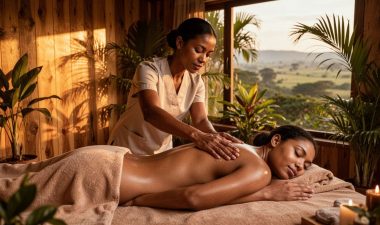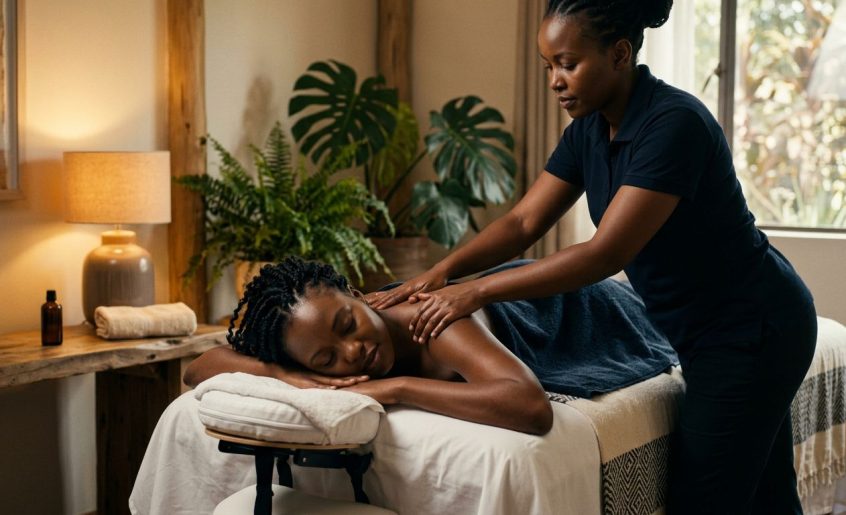
After a long day in Nairobi traffic, a full body massage at home can help your shoulders, back, legs, and mind settle without another trip across town. A full body massage home session also gives you control over the room, music, temperature, pressure, and timing.
The best results come from preparation and clear communication. You don’t need expensive equipment, but you do need clean linens, suitable oil, steady pressure, and permission before touching each body area. Start by creating a safe space.
Why a full body massage at home can work well
Home massage offers comfort that a busy schedule often lacks. You can finish work, shower, change into loose clothing, and begin without driving to a spa. Afterward, you can rest instead of returning to traffic.
Massage may ease ordinary muscle tension, support relaxation, and help you notice where your body carries stress. The National Center for Complementary and Integrative Health’s massage safety guidance notes that massage has few risks for most people when a trained practitioner takes proper precautions.
A home session can involve a partner, trusted friend, or qualified massage therapist. Couples massage works well when both people agree on the arrangement and each person has enough privacy. A full body massage for women should follow the same professional standards as any other session, including draping, consent, and clear boundaries.
Remember that “full body” describes the areas covered, not intimate contact. Most sessions focus on the back, shoulders, neck, arms, hands, legs, and feet. The therapist or giver should explain the plan before starting.
How to plan a full body massage home session
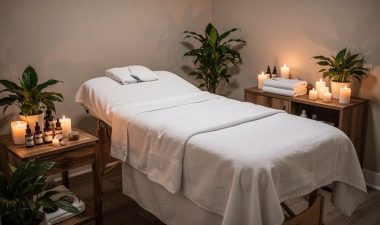
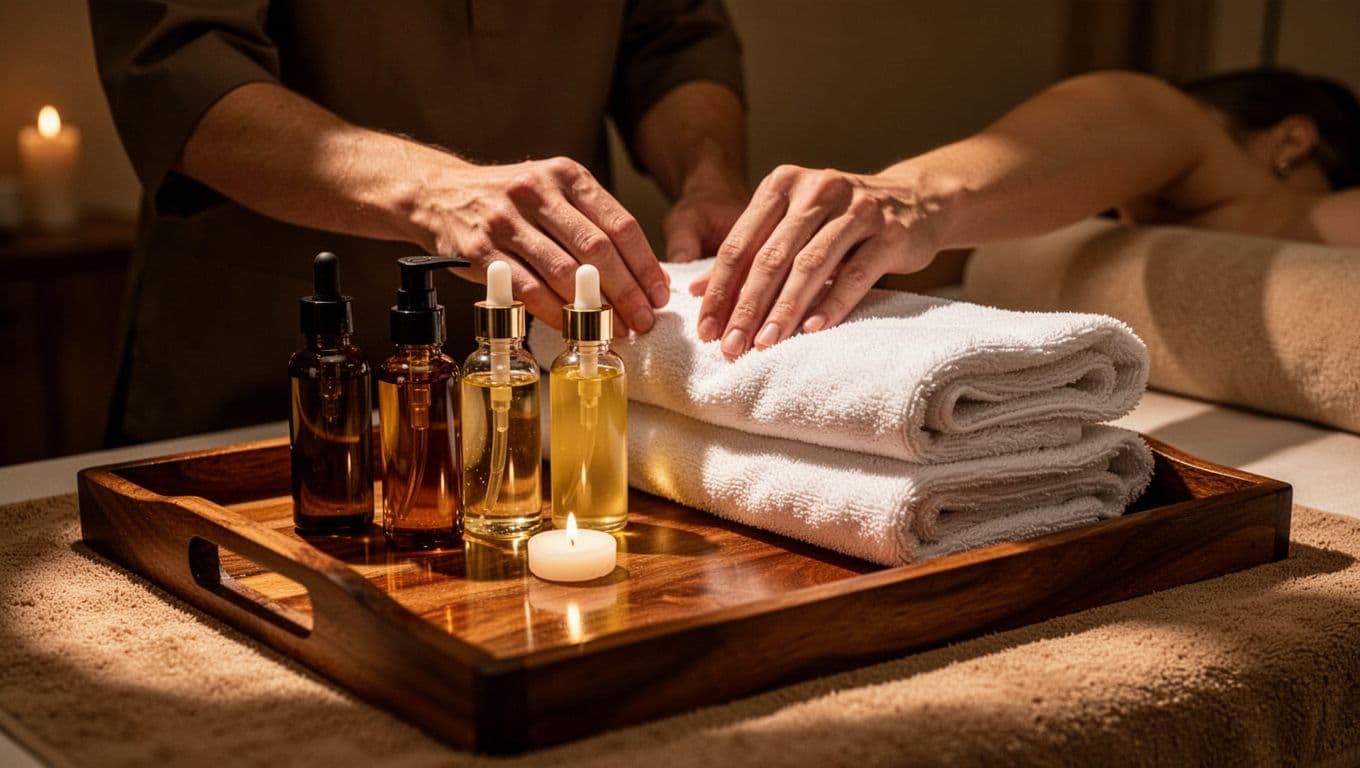
Choose a warm, quiet room with enough space for the person receiving the massage to lie comfortably. A firm mattress, yoga mat, or thick blanket on the floor can work. A massage table is useful, but it isn’t required.
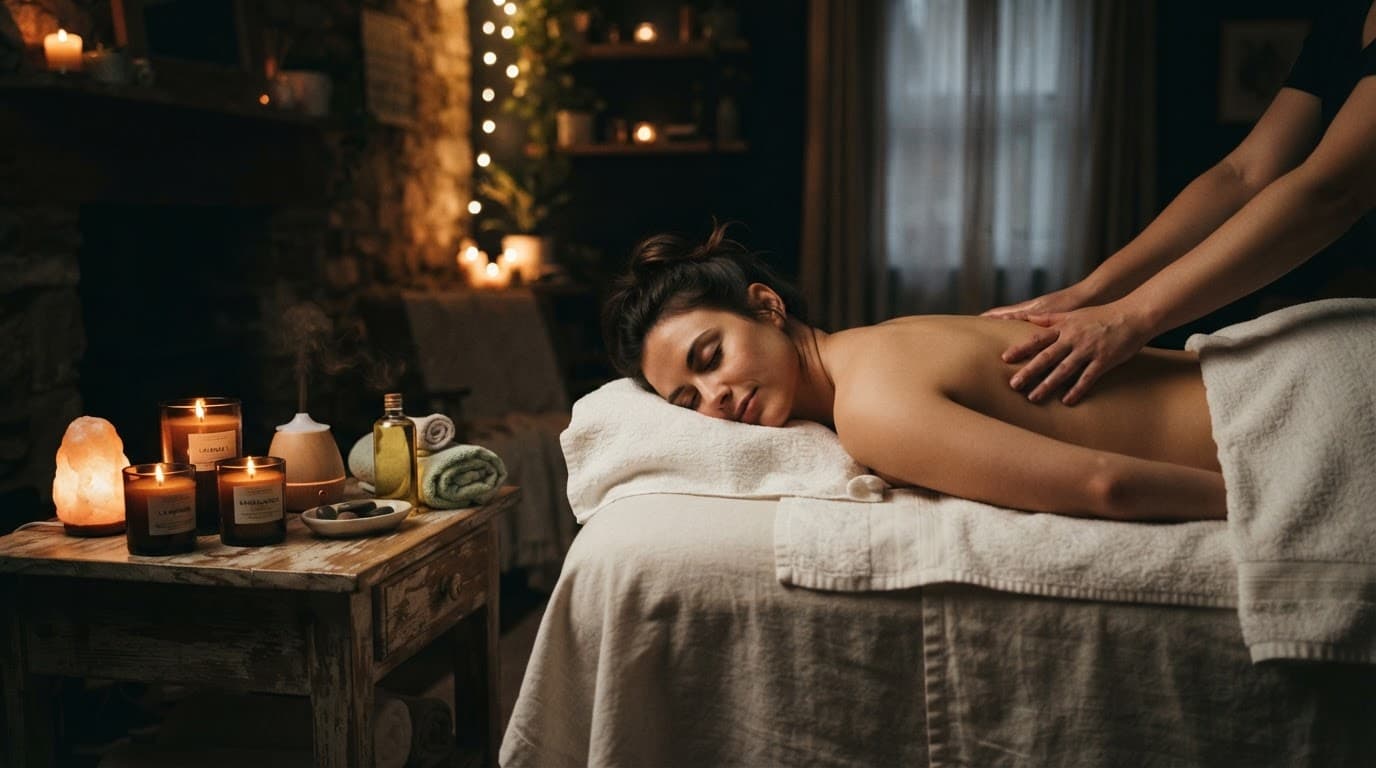
Keep the setup simple:
- Wash your hands and trim rough fingernails before touching the skin.
- Use fresh towels and clean sheets for every person.
- Remove clutter, secure loose rugs, and keep phones on silent.
- Place oil, tissues, water, and a clean towel within easy reach.
- Keep candles away from bedding, curtains, and areas where someone may move.
The person receiving the massage should choose comfortable clothing or undress only to their comfort level. Cover the body with a sheet or towel, exposing one area at a time. Breasts, genitals, and buttocks should remain covered. Never treat nudity or silence as permission.
Before the first stroke, agree on pressure, areas to avoid, and a simple phrase such as “less pressure” or “stop.” Ask again when moving from the back to the legs, feet, or front of the body. A professional massage therapist should welcome these requests without making the client feel difficult.
A relaxed session depends more on consent and communication than on expensive equipment.
Choose oils, lotions, and tools carefully
Unscented massage lotion is a good choice for sensitive skin. Sweet almond, grapeseed, jojoba, and coconut oils are also common, although coconut oil can feel heavy and may stain fabric. Use a small amount first, because too much oil makes the skin slippery and reduces control.
Essential oils need extra care. Dilute them in a suitable carrier oil, follow the product directions, and avoid them if the recipient has allergies, asthma, irritated skin, or a strong sensitivity to fragrance. Don’t apply oil near the eyes, mouth, broken skin, or mucous membranes. A patch test can help identify a reaction before the session.
A massage gun, back massager, massage chair, or foot massager can supplement a session, but each tool needs restraint. Avoid using a massage gun over the spine, front of the neck, joints, bones, varicose veins, or areas with reduced sensation. Keep the device moving over large muscle groups and use the lowest comfortable setting.
A massage video can demonstrate broad strokes, but it can’t assess a person’s health or tissue response. Treat online body massage videos as general education, not as a substitute for training. Deep tissue massage techniques require particular care because strong pressure can cause bruising or pain.
Follow a gentle full body massage routine
Begin with five minutes of slow breathing and broad contact. Warm the oil between your palms, then place your hands on the shoulders or upper back. Ask whether the temperature and pressure feel comfortable.
Back and shoulders
Have the person lie on their stomach with the head supported comfortably. Start with long, light strokes from the lower back toward the shoulders, keeping your hands on the muscles beside the spine. Gradually use the heel of your hand or relaxed fingers around the shoulder blades.
Work slowly over tight areas instead of pressing harder. Small circles can help around the upper shoulders, but never dig into the spine, ribs, kidneys, or the front of the neck. Stop if the person reports sharp pain, tingling, numbness, or dizziness.
Arms, hands, and legs
Use long strokes along the upper arms and forearms. Circle gently across the palms and move each finger only within its natural range. Avoid pulling or twisting joints.
For the legs, work over the calves and thighs with moderate pressure. Do not press directly on the kneecap, shinbone, swollen areas, or visible varicose veins. If the legs feel tender after travel or exercise, lighter strokes are safer than aggressive kneading.
Feet and scalp
A foot massage can finish the back of the body. Support the heel with one hand and use the thumb across the sole with slow, steady movements. Avoid deep pressure if the person has diabetes, neuropathy, an open wound, fungal infection, or reduced circulation.
For the scalp, use the fingertips rather than the nails. Gentle circles around the temples and hairline can feel soothing. Keep pressure light around the ears and never press on the eyeballs.
Turning over safely
If the recipient wants work on the front of the body, explain the areas first. Keep the chest, abdomen, and pelvis covered unless the person has clearly requested a specific professional treatment. Most home sessions can focus on the arms, legs, hands, and feet while maintaining comfortable draping.
Swedish massage uses flowing strokes and moderate pressure, so it’s usually easier for a home session. Deep tissue massage uses firmer, slower work and may leave temporary soreness. Thai massage involves assisted stretches and pressure through clothing, so it requires more training and space.
A full body massage is not a separate technique from Swedish or Thai massage. It describes the coverage. That is why comparing Swedish massage vs deep tissue massage is different from comparing a Swedish session with a full body session.
Know when to avoid massage
Massage isn’t suitable for every situation. Postpone the session when someone has a fever, contagious skin condition, open wound, unexplained swelling, recent fracture, or severe pain. Avoid pressing over a suspected blood clot, especially when one leg is suddenly swollen, warm, red, or painful.
People with bleeding disorders, advanced osteoporosis, active cancer treatment, uncontrolled high blood pressure, or recent surgery should ask their healthcare professional before booking or giving massage. Pregnancy also requires qualified guidance, especially during the first trimester or when complications are present.
Lymphatic massage and lymphatic drainage massage need specific training. They shouldn’t be improvised for unexplained swelling or a medical condition. The University of Kentucky’s massage therapy safety overview also lists infections, blood clots, and advanced osteoporosis as situations requiring medical caution.
Stop immediately if the recipient feels chest pain, trouble breathing, faintness, sudden weakness, severe headache, or intense pain. Seek medical care rather than trying to massage through those symptoms.
When a professional home service is the better choice
A qualified therapist is a safer option when the recipient has an injury, persistent pain, pregnancy-related needs, or a condition that affects sensation or circulation. Professional mobile massage can also help if you want a consistent full body routine but don’t have the equipment or confidence to perform it.
When searching for a massage near me, compare training, reviews, treatment descriptions, hygiene practices, and appointment policies. Searches such as “home massage service near me,” “massage therapy near me,” or “mobile massage Nairobi” can produce very different providers, so read the details before paying a deposit.
In Nairobi, ask whether the therapist serves your area, including Kilimani, Westlands, or locations near Yaya Centre. Confirm the session length, exact price, travel fee, treatment type, and what the therapist will bring. Prices vary, so ask directly about the full body massage price in Nairobi or the full body massage price in Kenya rather than relying on an old advert.
Avoid vague listings that promise “extras,” body-to-body services, or unclear boundaries. A reputable Nairobi massage spa should provide a professional treatment menu and a clear way to book. If you prefer visiting a spa, you can compare massage options near Nairobi or review what is included in a full body massage in Kilimani.
Conclusion
A safe full body massage at home starts with clean linens, comfortable support, suitable oil, and honest communication. Use slow pressure, protect bony areas, keep intimate areas covered, and stop when anything feels wrong.
Home care works well for ordinary tension and relaxation. When pain, swelling, illness, pregnancy, or a medical condition is involved, choose a qualified massage therapist or ask a healthcare professional first. The most restorative session is the one that leaves the body comfortable and the person feeling respected.