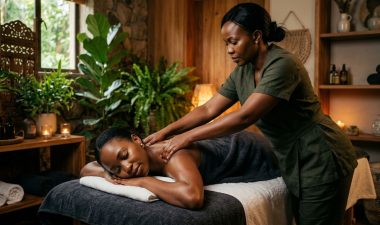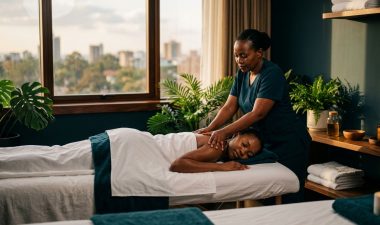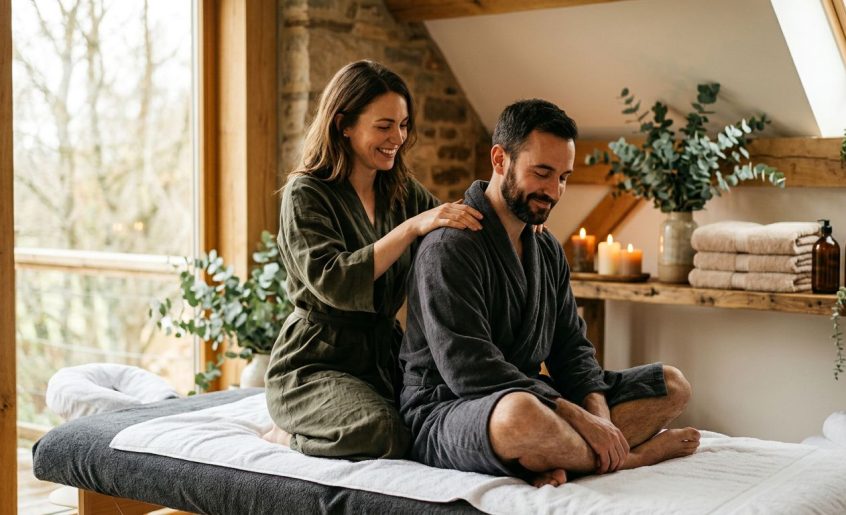
Some evenings need more than dinner and a quiet room. A couples massage creates shared time where both partners can slow down, listen to their bodies, and reconnect without distractions.
A full body massage for couples doesn’t need complicated equipment or advanced techniques. With consent, warm towels, suitable pressure, and a simple plan, you can create a relaxing wellness ritual at home or book a professional session in Nairobi.
The right approach begins with choosing a massage style that suits both people.
Why a couples massage can feel so restorative
Shared touch can help partners pause after busy workdays, travel, or family responsibilities. The calm setting also makes it easier to focus on breathing, body tension, and the small details of being present together.
Massage can support relaxation and body awareness, but it isn’t a cure for illness or a replacement for medical care. The experience should feel comfortable rather than intense. Pressure that causes sharp pain, numbness, or anxiety is too much.
A 2019 study of a positive massage programme for couples reported improvements in mental wellbeing, perceived stress, and coping after the programme. The findings support massage as a shared wellbeing activity, but they don’t prove that it treats anxiety, pain, or relationship problems. You can read the couples massage study for the research details.
The emotional benefit often comes from the ritual itself. Both partners agree to put phones away, set aside an hour, and give each other their full attention. That shared decision can make the session feel more meaningful than a quick back rub between errands.
Consent also keeps the experience inclusive. Couples may be married, dating, newly together, or long-term partners. The same principles apply to every couple, regardless of gender, age, body type, or massage experience.
Choose the right full body massage style
A full body massage describes the areas covered, not one fixed technique. Swedish massage, deep tissue massage, Thai massage, and hot-stone treatments can all include full-body work, but they feel very different.
| Massage style | What it feels like | Suitable shared choice |
|---|---|---|
| Swedish massage | Smooth, flowing strokes with light to medium pressure | A first session or general relaxation |
| Deep tissue massage | Slower, firmer work on selected tight areas | Partners who already know they prefer stronger pressure |
| Thai massage | Compression and assisted stretches, usually over clothing | People who enjoy movement and mat-based treatments |
| Hot-stone massage | Gentle massage combined with professionally heated stones | A warm spa experience with minimal stretching |
| Foot massage | Focused work on the feet and lower legs | A shorter session after walking, travel, or trekking |
When comparing Swedish massage vs deep tissue massage, remember that stronger pressure isn’t automatically better. Deep tissue massage techniques can feel intense, and both people should request moderate pressure unless a qualified therapist recommends otherwise.
Swedish massage is often easier for a first couples session because the strokes are predictable and easy to adjust. Thai massage may suit active clients, while aromatherapy or hot stone massage can create a slower spa atmosphere. If a provider uses the broad term Asian massage, ask which specific technique they offer.
For Nairobi residents, the Nairobi massage types and prices guide can help you compare styles, treatment lengths, and booking questions. A published local range places many 60-minute treatments around KES 3,000 to KES 7,500, depending on the treatment and setting. Confirm the current full body massage price in Nairobi before booking, especially if you want a private couples room or add-on treatment.
If you search for a massage near me, massage spa near me, or full body massage spa near me, check the provider’s reviews, location, hours, therapist details, and draping policy. A professional massage spa in Nairobi should explain what the session includes before taking payment.
Prepare your space and agree on boundaries
Start with a short conversation before anyone lies down. Decide which areas are included, which areas are off-limits, how much pressure feels comfortable, and what word means “stop.” Consent can change during the session, so either partner can pause or end the massage at any time.
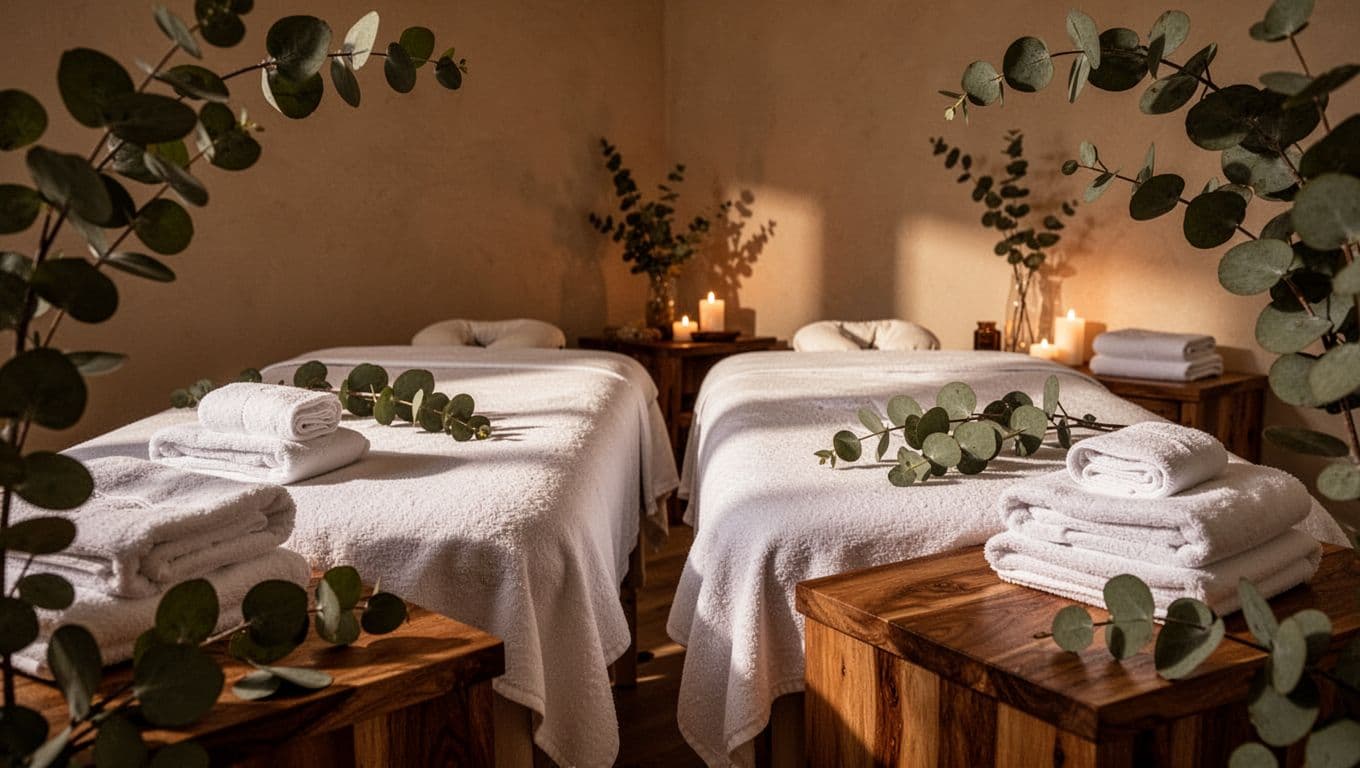
A good home setup needs a firm, comfortable surface, clean towels, a pillow, and enough room for the giver to move without twisting. Keep the room warm, lower harsh lighting, and silence phones. Avoid heavy meals immediately before the session, and keep water nearby.
Draping protects privacy and warmth. Expose only the area receiving massage, then cover it before moving to another area. A full body massage doesn’t require intimate areas, the chest, or the abdomen. It can focus on the feet, legs, back, shoulders, arms, and hands.
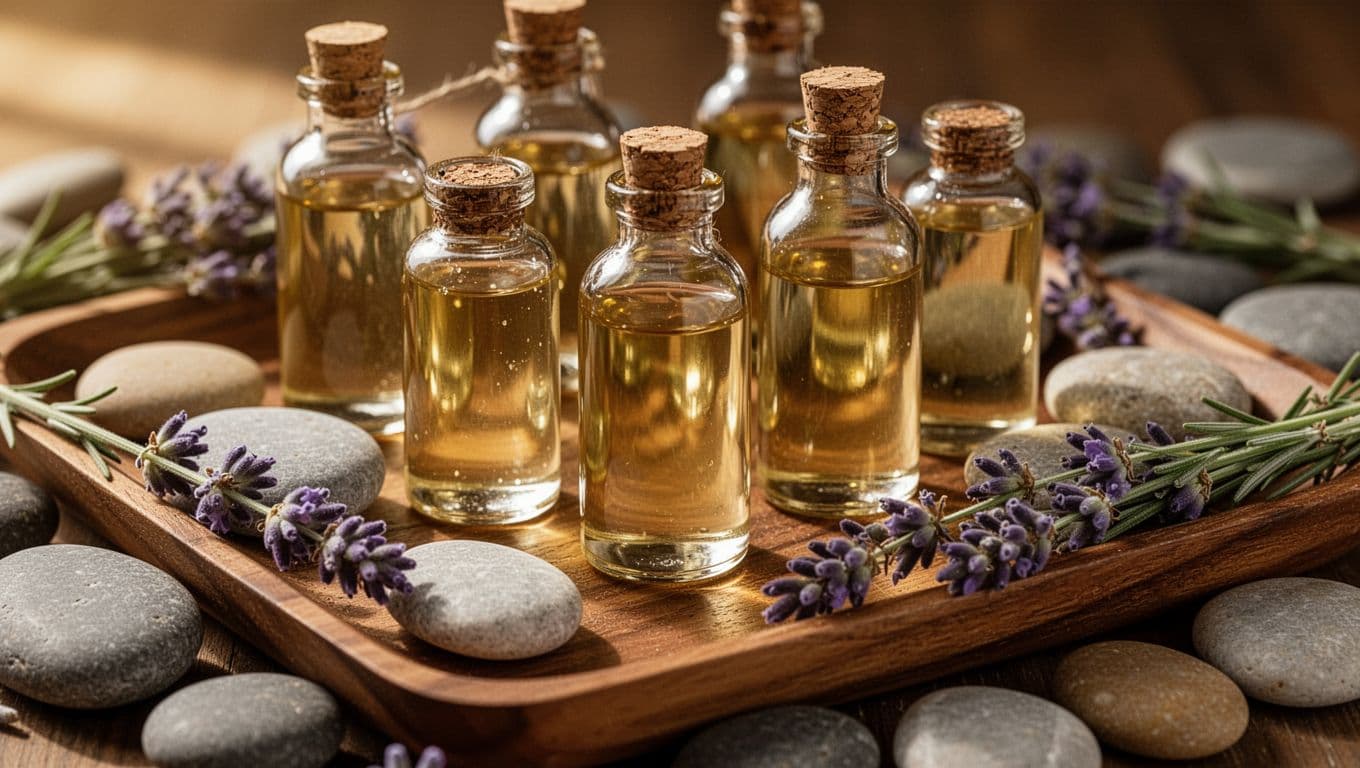
Use a plain, skin-safe carrier oil or massage lotion. Fragrance-free products are safest when you don’t know how either person will react. If you choose an essential-oil blend, use a product made for skin and test a small area first. Keep oil away from the face, eyes, broken skin, and slippery floors.
A simple full body massage routine, step by step
Set aside about 20 to 25 minutes per person. One partner gives while the other receives, then you switch roles. Use broad, slow movements instead of trying to copy advanced techniques from a massage video.
- Begin with a check-in. Ask about pressure, sensitive areas, recent exercise, and any current discomfort. Let the receiver settle face down or lie on their side, with a pillow supporting the head and ankles.
- Warm the feet and legs. Rub a small amount of oil between your palms first. Glide from the feet toward the calves and thighs with steady pressure. Use gentle circles on the soles, but avoid pressing behind the knees or over visible bruises and swollen areas.
- Move to the back. Use long strokes on either side of the spine, moving from the lower back toward the shoulders. Keep your hands on the muscles, not directly on the vertebrae, ribs, or the front of the neck. Kneading should stay slow and comfortable.
- Release the shoulders. Place relaxed hands over the upper back and shoulders. Use small circles around the shoulder muscles, then work down the upper arms and forearms. Finish with gentle strokes across the hands and palms.
- Offer front-body work only if wanted. Some people prefer to remain face down or on their side. If both partners agree, you can massage the fronts of the lower legs and feet while keeping the rest of the body covered. Never assume that turning over is necessary.
- Switch roles and close slowly. Give the receiver a minute to sit up and notice how they feel. Then change places and repeat the same routine. End with still, resting hands on the shoulders or feet only if that contact remains welcome.
Avoid fast rubbing, sudden stretches, hard elbow pressure, and direct work on the spine. The goal is a pleasant, steady session. If someone feels sore the next day, reduce pressure and shorten the next massage.
Massage safety and when to book a therapist
Massage isn’t suitable for every situation. Pause the session and ask a qualified clinician for advice if either person has a fever, contagious skin condition, open wound, recent surgery, suspected fracture, unexplained swelling, or a new injury. Extra care is also needed during pregnancy, cancer treatment, when taking blood thinners, with a history of blood clots, or with conditions that affect bones or bleeding.
Stop immediately if the receiver experiences sharp pain, dizziness, nausea, breathing difficulty, tingling, numbness, or a sudden headache. These symptoms need attention rather than more pressure.
Lymphatic drainage massage uses a specialized light-touch method. Don’t treat it as a stronger version of ordinary body massage or attempt it for swelling without professional guidance. Similarly, a massage gun, massage chair, foot massager, or back massager can provide convenience, but these tools don’t replace careful communication or a trained therapist. Avoid using percussion devices on the front of the neck, the spine, joints, or injured tissue.
A licensed massage therapist is the better option when either partner has persistent pain, a complex health concern, limited mobility, or no confidence with massage techniques. A professional can adjust positioning, pressure, draping, and treatment length for each person instead of forcing both clients into the same routine.
Before booking mobile massage Nairobi services or a spa appointment, ask whether the therapist is trained, what the session includes, and whether two therapists will work at the same time. Confirm the total price, duration, privacy arrangements, and cancellation terms. Nairobi clients can also review this Nairobi massage safety and benefits guide before choosing a treatment.
Professional wellness listings should describe massage therapy clearly. If an advertisement uses phrases such as “body to body” or “extras,” choose a different provider. Those terms don’t describe a standard non-sexual massage service.
A calmer way to spend time together
A couples massage works best when both people feel heard, comfortable, and free to change their minds. Choose a style that matches your shared preferences, prepare the space carefully, and keep pressure gentle enough to adjust.
For first-timers, Swedish massage or a professional relaxing treatment is often a sensible starting point. With clear boundaries and patient communication, a full body massage can turn an ordinary evening into restorative time together.