
Hot Oil Massage Benefits, Safety, and What to Expect
A Hot Oil Massage can calm tight muscles fast, and the warm oil changes the feel of the whole session. If you already love this treatment, you know how the heat helps your body relax, and if you’re curious, the difference from a regular massage is easy to notice.
The warmth helps the oil glide better, eases stiffness, and can leave your skin softer after the session. It also makes the massage feel more soothing, which is why many people choose it for stress relief, sore muscles, or a slow reset after a busy week.
Below, you’ll see how it works, the benefits it can offer, what safety points matter, and what to expect during a spa visit. If you want to compare it with other options, our full range of massage therapies gives you a good place to start.
Hot Oil Massage Explained in Simple Terms
A hot oil massage is a simple treatment with a clear goal, help your body relax through warmth, smooth oil, and steady touch. The therapist warms the oil first, then uses it to soften the skin and make each stroke feel calmer and more fluid.
The heat changes the feel of the session right away. Instead of dry pressure, you get a warm glide that can ease tight spots and make sore muscles settle faster.
What happens during a hot oil massage session
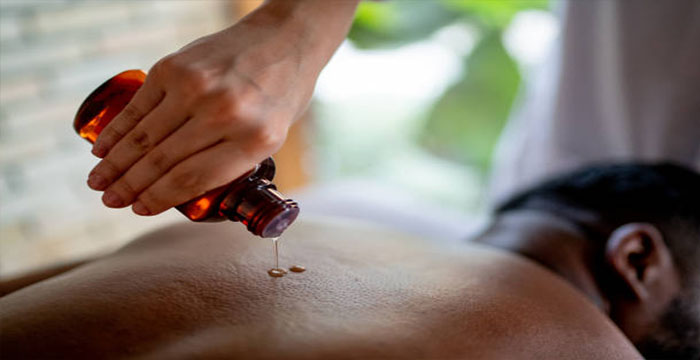
Your session usually starts in a quiet room with soft light and a comfortable temperature. The therapist warms the oil before applying it, and it should feel warm, not hot when it touches your skin.
From there, the oil is spread in smooth layers across the body, often starting on the back, shoulders, or legs. The therapist then uses long strokes, light kneading, and gentle circular motions to work through tension without making the massage feel harsh. After that, they may slow down over tighter areas and use a little more pressure where your muscles need it.
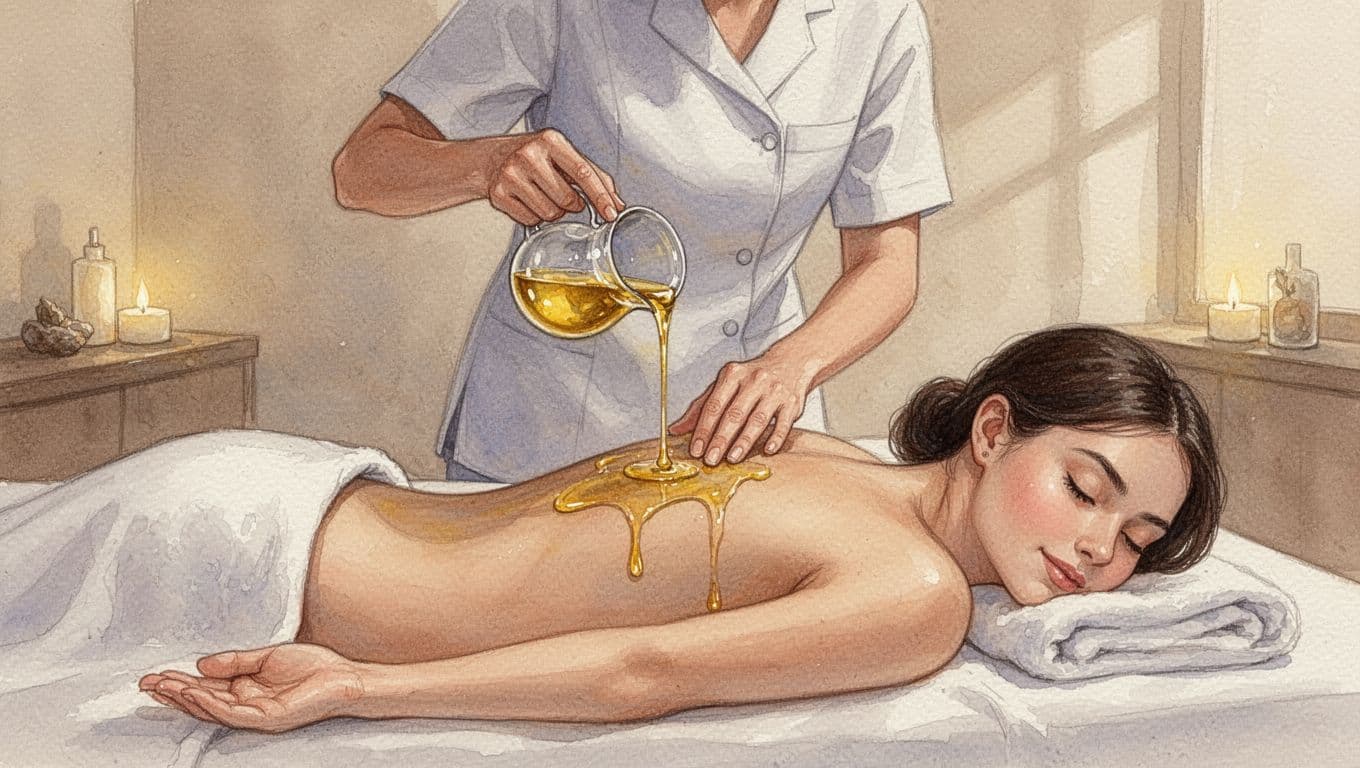 During the session, the pace stays calm and steady. You stay covered where possible, the touch stays controlled, and the whole experience is meant to feel comforting, not intense.
Why warm oil feels different from room-temperature oil
Warm oil changes how your body responds almost instantly. It spreads more easily, so the therapist can move with less drag and use strokes that feel smoother on the skin.
That added heat also helps muscles let go faster. When your body feels warm, tight areas often soften, and the massage can feel more soothing with less effort. For many people, this is the part that makes hot oil massage feel more relaxing than a standard treatment.
It also improves comfort in a practical way. Cold or room-temperature oil can feel sharp at first, while warmed oil feels inviting and gentle. In a well-done session, the warmth supports the touch instead of fighting against it.
For a broader look at how warming oils are used in massage therapy, the American Massage Therapy Association has useful background on the role of scent and relaxation in treatment.
The Biggest Hot Oil Massage Benefits for Body and Mind
Hot oil massage gets popular for a reason. The warmth changes how your body responds, and the slow, smooth strokes help you settle in faster. For many people, it feels like pressure drops out of the room and comfort takes over.
The biggest benefits are easy to notice. Your muscles feel softer, your mind feels less crowded, and your skin gets an extra layer of care. When those effects come together, the whole session feels more complete than a standard massage.
 ### How hot oil massage helps tight muscles unwind
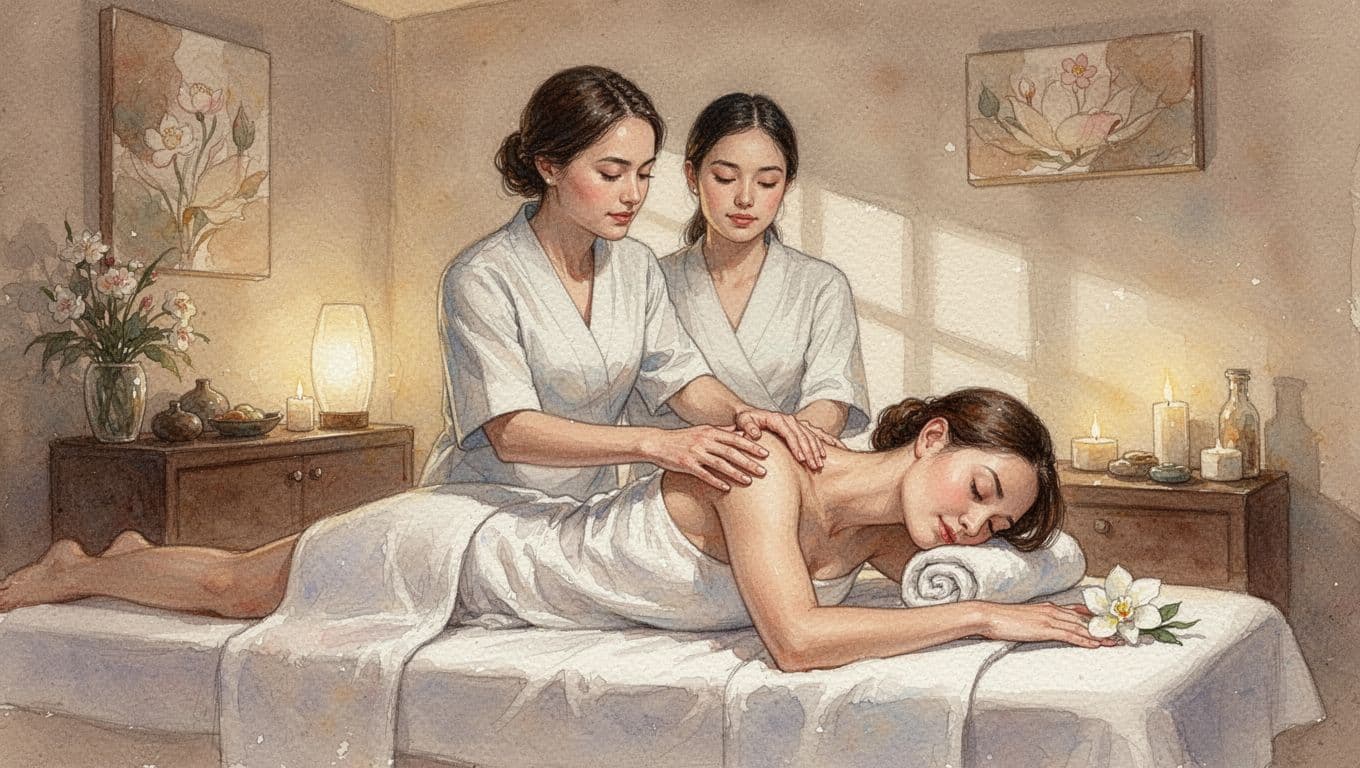
Warm oil helps the body let go of stiffness. As the heat settles into the skin, muscles often feel less guarded, so the therapist can work through tight spots with less discomfort. That makes a big difference in the neck, shoulders, and back, where tension tends to build up first.
The warmth also helps reduce that pulled, cramped feeling you get after long hours at a desk or a hard workout. Long strokes and steady pressure can ease soreness without making the treatment feel aggressive. For more on how massage supports body comfort, see massage benefits and body health.
When your muscles stop bracing, movement often feels easier too. You may notice less resistance when you turn your head, lift your arms, or stand up after the session.
Why it can help you feel calmer and less stressed
Hot oil massage slows the whole body down. The room feels quieter, the touch feels steady, and your breathing often shifts into a slower rhythm. That simple change can make stress feel less sharp.
A relaxed body usually sends a calmer signal to the mind. In other words, when your shoulders stop hiking upward and your jaw loosens, your mood can soften with it. That is one reason many people leave feeling lighter and more peaceful.
Calm often starts in the body first. When touch is warm and unhurried, your mind usually follows.
If you want a wider look at how massage supports relaxation, the massage therapy guide gives a useful overview of different treatment goals.
How it supports healthy-looking skin and better sleep
Warm oil does more than smooth the skin during the session. It helps lock in moisture, so skin often feels softer and less dry afterward. The glide also helps the treatment feel richer and more comfortable, especially on areas that need extra care.
Better sleep is another common reason people book a hot oil massage. Once the body feels relaxed, it’s easier to wind down later in the day. Many people sleep more soundly after a session because their muscles are looser and their stress level is lower.
A few hours of calm can carry into the night. That’s why this treatment often works well when you want both skin nourishment and a better reset before bed.
How Hot Oil Massage Works on the Body
Hot oil massage feels soothing because it works with your body, not against it. The warmth, the glide of the oil, and the pressure of the strokes all push in the same direction, helping muscles soften while your nervous system settles down.
That mix is why the treatment can feel so effective so quickly. Your body gets heat on the skin, movement in the tissues, and a steady signal to relax. When those pieces come together, tension starts to let go.
 ### The role of heat in better circulation
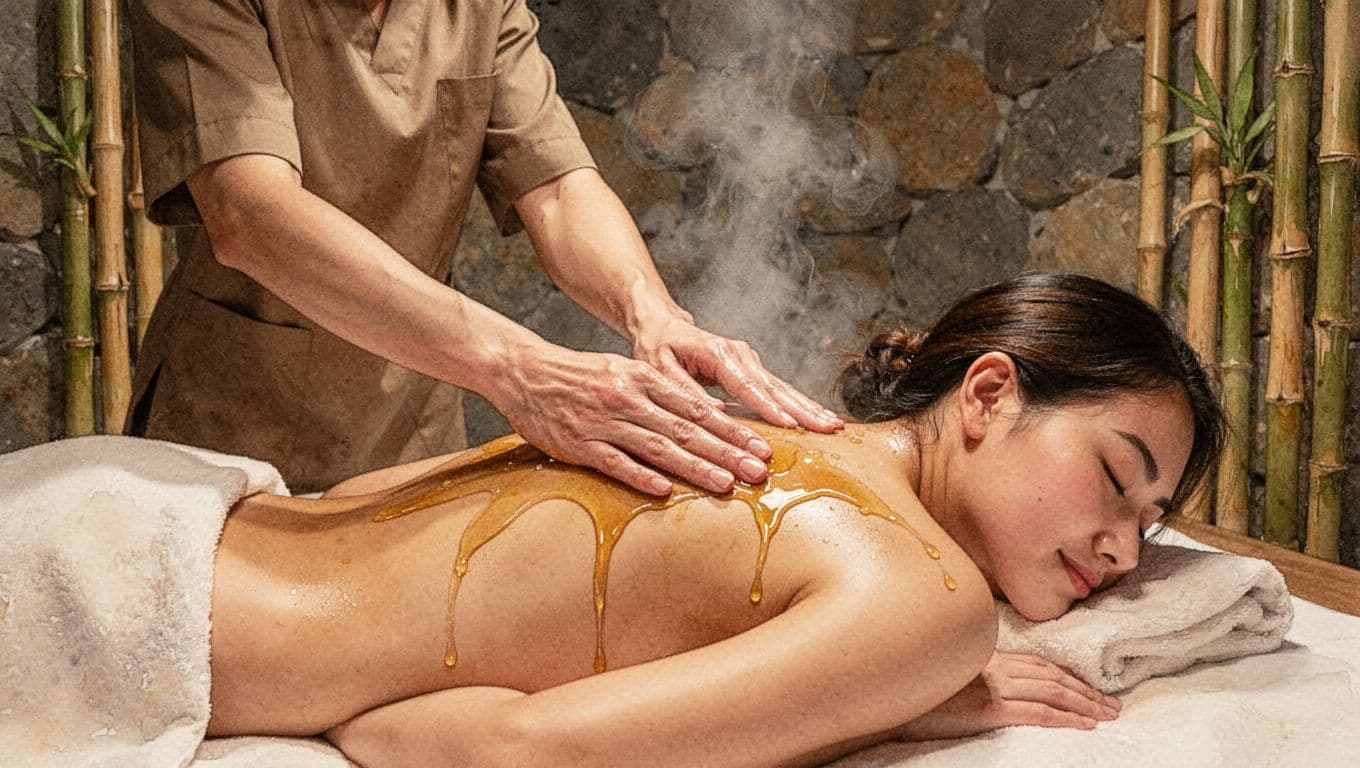
Warm oil helps the body open up. As the heat reaches the skin, blood vessels can widen, which allows blood to move more freely through the area. That extra flow can make tired muscles feel less stiff and more at ease.
You can picture it like loosening a tight hose. Once the body warms up, circulation becomes smoother, and the muscles get a better supply of oxygen and nutrients. For a simple medical explanation of this effect, massage and circulation research points to better blood flow and less muscle tension after massage.
The result is often a lighter, less cramped feeling. That is one reason hot oil massage feels especially good on the back, shoulders, and legs, where tension tends to collect first.
Why massage strokes matter as much as the oil
The oil helps, but the hands do most of the work. Long strokes spread the warmth across larger areas, while kneading helps lift out tight spots that feel knotted or packed down. Circular motions add gentle pressure that can help muscles release without feeling harsh.
Technique also affects how far the warmth travels. Smooth, steady strokes keep the oil moving across the skin, so heat does not stay in one small place. That wider spread can make the whole area feel more relaxed, not just the spot being touched.
A well-done hot oil massage combines pressure and rhythm. The strokes help the body settle, and the oil lets the therapist move with less friction. When both parts are balanced, the treatment feels fluid, warm, and controlled.
The oil does not work on its own. The stroke pattern shapes how much relief you actually feel.
How the treatment may support pain relief and recovery
Many people turn to hot oil massage for everyday aches, stiffness, and recovery after stress or physical activity. The warmth can make sore areas feel less guarded, and the massage can ease that heavy, tight feeling that follows a long day or a hard workout.
This does not replace medical care, and it should not be treated like a cure. Still, it can help the body feel ready to move again by reducing surface tension and encouraging a calmer state overall. If you want a broader look at massage options that support recovery, massage in Nairobi covers several useful treatment styles.
The calm effect matters here too. When the nervous system shifts out of alert mode, muscles often stop bracing so hard. That is why hot oil massage can leave you feeling looser, steadier, and more comfortable after the session ends.
What to expect before, during, and after your session
A hot oil massage feels easier to enjoy when you know how the visit usually flows. The process is simple, but the small details matter, from booking the right time slot to how you feel once you leave the spa.
The best sessions start before you’re even on the table. When you know what to bring up, what the therapist will check, and what kind of after-effects are normal, the whole experience feels calmer and more comfortable.
How to prepare for a hot oil massage
Start by booking a session length that fits your needs. A shorter visit works well if you want a quick reset, while a longer one gives the therapist more time to focus on tight areas and help you fully unwind.
Arrive on time so you don’t rush through the setup. That extra few minutes gives you space to settle in, talk through your goals, and change without feeling pressured.
It also helps to mention any skin concerns before the massage begins. If you have sensitive skin, recent sunburn, eczema, allergies, or a reaction to oils in the past, say so early. That makes it easier to choose a comfortable oil and avoid surprises.
A few simple prep tips can make a real difference:
- Wear loose, easy-to-remove clothing.
- Avoid a heavy meal right before your appointment.
- Share where you feel sore, tight, or tender.
- Tell the therapist if you prefer lighter or firmer pressure.
- Mention any areas you do not want touched.
If you want to compare session types before booking, view our full range of spa services to see what fits your plans best.
 ### What the therapist should check before starting
Before the first drop of oil touches your skin, the therapist should ask about comfort, pressure, and temperature. Warm oil should feel soothing, not sharp or hot, so that check matters right away.
Pressure is just as important. Some people want light, slow strokes, while others prefer firmer work on the back or shoulders. The right pressure keeps the massage helpful instead of uncomfortable.
Skin and health sensitivities should also come up before the session starts. That includes allergies, rashes, fresh cuts, acne flare-ups, recent injuries, and any condition that makes touch or heat feel risky. If you have any concerns, say them plainly. A good therapist will adjust the treatment instead of pushing through.
Clear communication is part of the comfort, not a bonus feature. You should feel free to speak up if the room feels too warm, the oil is too hot, or the pressure needs to change. For general aftercare and prep ideas, Viva Day Spa’s massage tips offer a simple overview of the basics.
A good hot oil massage starts with a short conversation, not guesswork.
How you may feel after the massage ends
Right after the session, many people feel lighter and calmer. Your muscles may feel loose, your breathing may slow down, and your mind may feel less crowded than it did before you arrived.
Sleepiness is common too. The warmth, steady pressure, and quiet pace can leave you feeling ready for a nap, especially if you were tense when you walked in. Some people feel pleasantly floaty, almost like their body is moving at a slower pace than their thoughts.
A hot oil massage can also leave your skin feeling soft and nourished. At the same time, your body may want a little rest before jumping back into a busy day. Drinking water helps, since it supports recovery and keeps you from feeling sluggish later. It’s also smart to take it easy afterward, avoid intense exercise for the rest of the day, and give your body time to enjoy the calm.
If you treat the rest of the day like a soft landing, the benefits tend to last longer.
Is hot oil massage right for everyone?
Hot oil massage works well for many people, but it’s not a one-size-fits-all treatment. The warmth, pressure, and oils can feel amazing when your body is ready for them, yet the same qualities can feel wrong if your skin is irritated or your health needs extra care.
A good rule is simple: if your body feels sensitive, inflamed, or out of balance, pause and ask first. That small step can make the difference between a relaxing session and an uncomfortable one.
 ### When to avoid hot oil massage or get advice first
Some situations call for a little extra caution before booking. If your skin is already irritated, a hot oil massage can feel too intense and may make the area more reactive.
It’s smart to check first if you have:
- Cuts, scrapes, or open skin
- A rash, sunburn, or active flare-up
- A recent injury or swollen area
- Known allergies to oils or fragrances
- Fever, chills, or signs of illness
- Pregnancy, especially if you have other health concerns
- A medical condition that affects touch, heat, or circulation
Pregnancy needs special care. Massage is often fine for many people after the first trimester, but it’s best to get medical advice first, especially if you have blood pressure issues, clotting concerns, or other risks. For a broader look at massage safety and session planning, this massage guide is a helpful place to compare options.
If you have a skin condition such as eczema or psoriasis, ask about the oil before the session starts. Even a soothing treatment can feel wrong if the product stings or traps heat on sensitive skin.
How to choose a safe oil and a comfortable temperature
The best oil is one that feels good on your skin, not just one that smells nice. Simple carrier oils, like coconut, almond, or jojoba, are often chosen because they glide well and tend to feel gentle.
If you have sensitive skin, a patch test is a smart idea. Try a small amount on a less visible spot first and wait to see how your skin reacts. That quick check can save you from redness or itching later.
Temperature matters just as much. The oil should feel warm and soothing, never hot enough to sting. If it feels close to scalding, it’s too warm and needs to cool down before it touches your skin.
A few simple checks help keep the session comfortable:
- Ask the therapist to test the oil on their wrist first.
- Speak up if the room or the oil feels too warm.
- Avoid heavily scented oils if you’re prone to irritation.
- Stop the session if your skin starts to burn, itch, or tingle in a bad way.
Warm is comforting. Hot is a warning sign.
When the oil suits your skin and the temperature stays gentle, hot oil massage feels much safer and more enjoyable.
Conclusion
Hot Oil Massage is popular for a simple reason, it combines comfort, stress relief, and the steady calm of warm oil on tired muscles. When the oil is warm and the pressure feels right, the whole session can leave your body looser and your mind lighter.
That mix of heat, touch, and rest is what makes it stand out. If you enjoy heat-based treatments, you may also want to compare it with a hot stone massage therapy session for a different kind of soothing relief.
For anyone who wants to feel calmer, softer, and more refreshed, this is an easy treatment to appreciate. A well-done Hot Oil Massage can turn a busy day into a much better one.