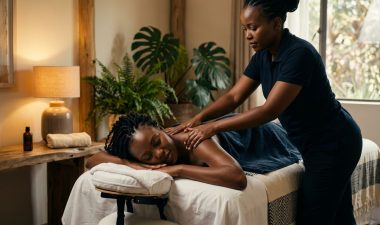
A full body massage for women can offer a welcome pause when work, travel, exercise, or daily responsibilities leave your body tense. The best session feels professional, private, and tailored to your comfort, not like a test of how much pressure you can tolerate.
You might search for a massage near me after a long week, but location alone doesn’t tell you whether a therapist is qualified or respectful. Your choice of treatment, clear communication, and basic safety checks matter just as much. Start with what the session should include and how it may support your well-being.
What a full body massage for women includes
A full body massage usually covers the back, shoulders, arms, legs, feet, neck, and sometimes the scalp. You remain covered with a clean sheet, while the therapist exposes only the area being treated. The chest and breast area stays covered unless a specialist clinical treatment requires otherwise and you give clear, informed consent.
The phrase “full body” doesn’t mean every muscle receives the same pressure. A good massage therapist asks where you feel tightness, whether you have injuries, and what you want from the appointment. You can request lighter work around sensitive areas and firmer pressure on large muscle groups.
Many women book massage therapy to relax after demanding weeks, ease the feeling of tight shoulders, or recover after walking, travel, or exercise. Massage may also help you become more aware of where you hold tension. A research review in the massage therapy research review describes evidence across several conditions, although massage should complement medical care rather than replace it.
Stress relief is one of the most common reasons people book. Research discussed by the American Massage Therapy Association also connects massage interventions with short-term improvements in stress and mental well-being. These benefits vary by person, treatment style, and frequency.
At professional massage services in Nairobi, you can discuss your goals before choosing a treatment. A 60-minute appointment may suit general relaxation, while 90 minutes gives the therapist more time for focused areas.
Choosing the right massage style
There isn’t one standard full body massage type. Your preferred pressure, health history, and reason for booking should guide the choice.
| Massage style | Often suits | What to expect |
|---|---|---|
| Swedish massage | General relaxation and first-time clients | Long, flowing strokes with light to medium pressure |
| Deep tissue massage | Persistent muscle tightness | Slower, firmer work on selected areas |
| Hot stone massage | People who enjoy warmth | Heated stones support gentle, steady massage |
| Lymphatic drainage massage | Specific clinical or post-treatment needs | Very light, rhythmic movements from a trained provider |
| Thai massage | People who prefer assisted movement | Comfortable clothing, stretching, and pressure on a floor mat |
Swedish massage is often the easiest starting point. It promotes relaxation without making the appointment feel physically demanding. If you have been comparing Swedish massage vs deep tissue massage, remember that firm pressure isn’t automatically better. Deep tissue work can feel intense, so tell the therapist when pressure becomes painful.
A Thai massage uses a different format. You usually stay dressed and take part in supported stretches. Ask about the movements before treatment if you have joint problems or limited flexibility. Searching for Thai massage near me is useful only when the listing clearly describes the service and therapist.
Lymphatic drainage massage needs extra care. It is a gentle technique, not a vigorous body massage. If you have unexplained swelling, recent surgery, or a diagnosed condition, ask your healthcare provider whether this treatment is suitable.
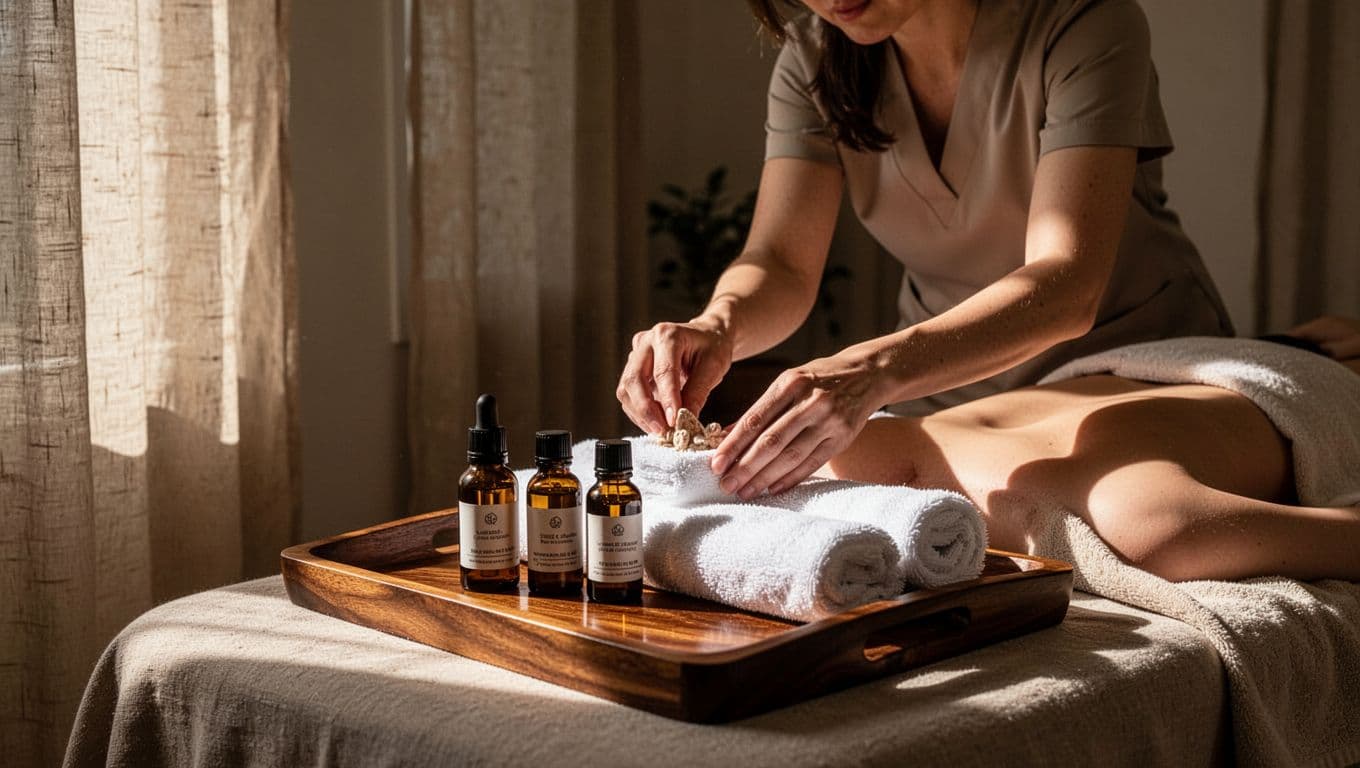
Foot massage can be a practical choice after trekking, long walks, or standing all day. You may also add aromatherapy, warm stones, or a scalp treatment if the spa offers them.
What to expect during your appointment
A professional session starts with a short consultation. The therapist may ask about pain, allergies, pregnancy, medication, recent procedures, and your preferred pressure. Answer honestly, even if a detail feels minor. It helps the therapist avoid unsafe techniques and choose suitable oils.
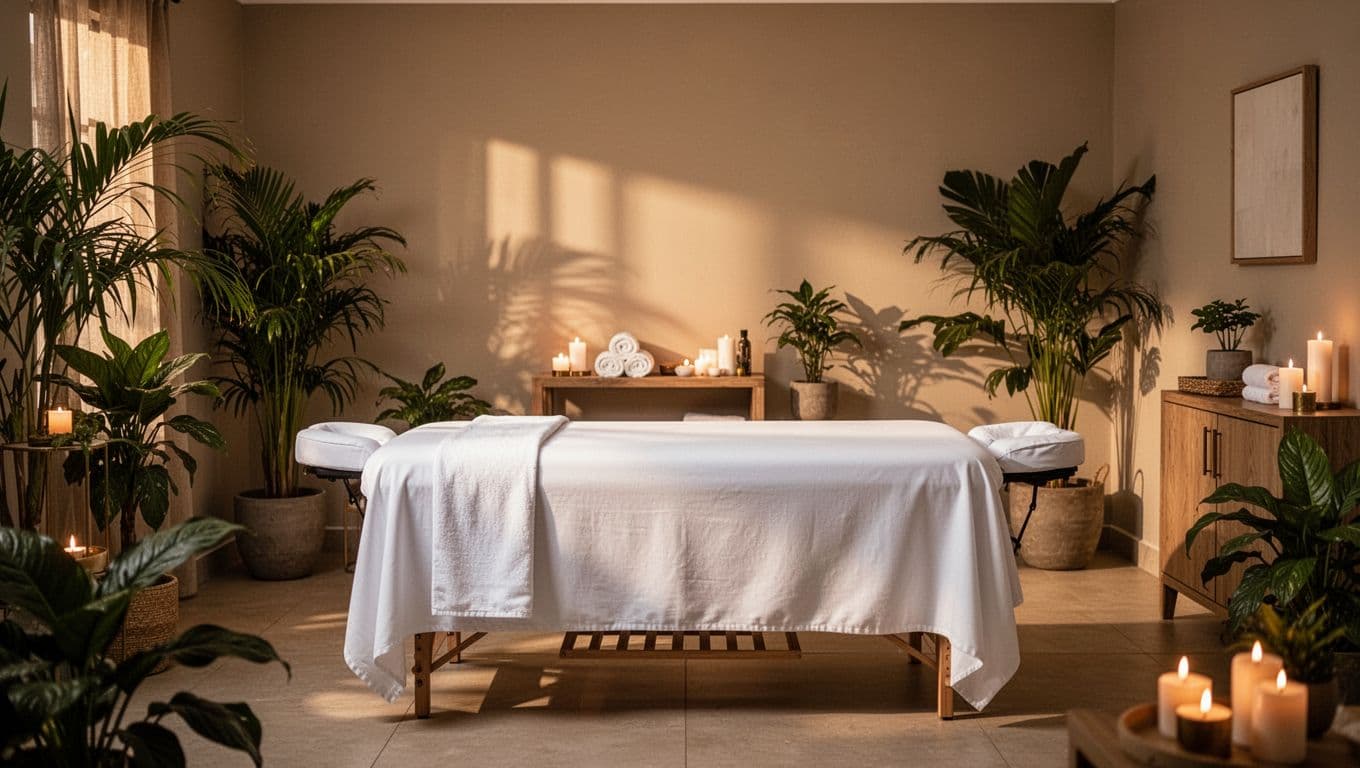
You then receive instructions about changing clothes and getting onto the table. You only need to undress to your comfort level. Underwear can remain on, and you can ask for extra towels or a different position. Proper draping protects your privacy throughout the session.
During the massage, the therapist should check pressure and adjust the treatment when needed. You can speak up at any point. Say “lighter pressure,” “please avoid my knee,” or “I’d like to stop” without feeling embarrassed.
Most sessions move through broad areas before focusing on the places you identified. The room should feel calm, clean, and warm enough for you to relax. Afterward, the therapist gives you time to sit up slowly and dress in privacy.
A normal session may leave you relaxed or mildly tender, especially after firm work. Sharp pain, tingling, numbness, or dizziness isn’t a sign that the massage is working.
Consent, privacy, and professional boundaries
Consent should be clear before the session and ongoing throughout it. Booking an appointment doesn’t give a therapist permission to touch every part of your body. You can refuse a technique, change your mind, or end the session without giving a reason.
A reputable spa explains its draping policy, treatment areas, prices, and cancellation terms before you arrive. Staff should also answer questions without making sexual comments or pressuring you into extra services.
Be cautious with listings that use unclear phrases such as “Nairobi massage body to body” or “Nairobi massage and extras services.” Those descriptions don’t explain a legitimate wellness treatment. Professional providers use clear service names, publish contact details, and focus on massage, relaxation, and body care.
You can ask to see the treatment room before changing. Trust your judgment if the space feels unsafe, the therapist ignores your boundaries, or the service differs from what you booked. A calm environment depends on respectful behavior as much as soft lighting.
Preparing for a full body massage for women
A little preparation can make the appointment more comfortable. Eat a light meal rather than arriving very hungry or immediately after a heavy meal. Drink water as usual, but don’t force large amounts before treatment.
Tell the therapist about sensitive skin, allergies, injuries, pregnancy, recent surgery, varicose veins, or medication that affects bleeding. If you prefer unscented products, say so before oils are applied. You can also request a firm or soft pillow, side-lying treatment, or extra support under your knees.
Arrive a few minutes early so you don’t begin while rushing. Wear loose clothes that are easy to change. Avoid alcohol before the appointment, and postpone treatment if you have a fever or feel unwell.
Afterward, stand slowly and notice how your body feels. Gentle walking and normal hydration can help you transition back into your day. Avoid intense exercise if your muscles feel tender. Massage doesn’t “flush toxins” from the body, so you don’t need extreme water intake or special cleansing products.
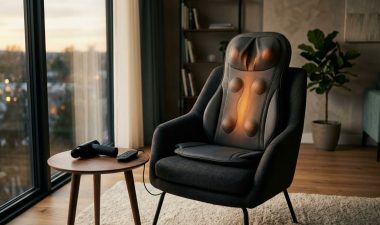
At home, a massage gun, back massager, foot massager, or massage chair may provide temporary comfort. These tools don’t replace a therapist’s assessment. A massage video can demonstrate basic self-massage, but it can’t account for your medical history or tell when pressure is unsafe.
Safety considerations and when to postpone
Massage is suitable for many people, but some situations require medical advice or a different treatment plan. Postpone a session if you have a fever, contagious skin problem, open wound, or a new injury with swelling.
Speak with your healthcare provider before booking if you have:
- A history or risk of blood clots
- Recent surgery, fracture, or medical procedure
- Severe osteoporosis
- Unexplained swelling or persistent numbness
- A condition that affects bleeding or sensation
- A high-risk pregnancy or pregnancy-related complication
Pregnant clients should choose a therapist trained in prenatal massage and follow their healthcare provider’s advice. The therapist may change your position and avoid certain areas. Anyone receiving cancer treatment should also ask their medical team about timing and techniques.
During treatment, report sharp pain, burning, dizziness, nausea, shortness of breath, or unusual discomfort immediately. Stop the massage if the symptom continues. Relaxation should never require you to tolerate pain.
Finding a trusted massage spa in Nairobi
When comparing a massage spa near me, look beyond the first search result. Terms such as “massage spa Nairobi,” “Nairobi massage near me,” and “full body massage near me” can help you find options, but verify the details before booking.
Look for a clear menu, current prices, therapist information, clean facilities, and a working phone number. Ask whether the appointment is private, whether you can choose a female therapist, and which areas the treatment covers. If you need a home massage service near me, confirm the therapist’s identity, arrival details, payment terms, and safety arrangements in advance.
Prices depend on session length, location, therapist experience, and add-ons. A 60-minute massage in Nairobi commonly falls within the KES 3,000 to KES 7,500 range, according to the Nairobi massage guide. Confirm the current price before you arrive, especially if you want hot stones, a scrub, steam access, or a longer session.
Nairobi Massage & SPA is based in Kilimani and offers Swedish, deep-tissue, hot-stone, aromatherapy, relaxing, and foot massage treatments. You can also compare options in Westlands or search for “massage therapy near me” when another neighborhood is more convenient. The same checks apply to mobile massage Nairobi services and spas outside the city.
Conclusion
A full body massage for women should give you control, privacy, and care that matches your needs. Choose the style based on your comfort and goals, share relevant health information, and speak up whenever pressure or touch feels wrong.
A polished spa setting matters, but professional boundaries matter more. When the therapist listens and the treatment stays within your consent, massage becomes a practical way to make space for rest and physical comfort.