
Nairobi Spa & Massage in Kilimani: Styles, Prices, and What to Expect
Nairobi traffic, long workdays, and too much time hunched over a laptop can leave your neck tight and your lower back angry. If that sounds familiar, a good massage can help you sleep better, move easier, and feel like yourself again, without turning it into a whole production.
This guide to Nairobi Spa & Massage is here to make the choice simple, especially if you’re booking in Kilimani. You’ll learn how to pick the right style based on what you need most, whether that’s stress relief, sore-muscle recovery, or just a quiet hour to switch off. In addition, you’ll get a clear sense of what a first visit feels like, from check-in and pressure questions, to draping, comfort, and aftercare.
Because menus can look similar, we’ll break down what common options usually mean in real life, like Swedish for relaxation, deep tissue for stubborn knots, aromatherapy when you want a calmer pace, and hot stone when warmth helps your muscles soften faster. We’ll also cover the extras people often ask about, including herbal touches, sound-based sessions like singing bowls, and foot-focused care for anyone who’s been on their feet all day.
You’ll also find practical booking pointers, what to ask before you confirm, and how to avoid the usual disappointments (rushed sessions, unclear pricing, or a therapist who doesn’t listen). If you want a quick refresher on techniques and who they suit, start with this overview of Swedish and deep tissue massages and then come back to match it to your needs.
Why people book Nairobi Spa & Massage, and the results you can feel
Most people don’t book a massage because they want a fancy treat. They book because something feels off. Maybe your shoulders have been “up” all week, your lower back feels stuck after sitting, or your sleep has been light and broken. A good session at Nairobi Spa & Massage can feel like someone turned down your body’s volume, not to zero, just to a calmer level you can live in.
The best part is that the results are often simple and noticeable. You breathe deeper without trying. Your head feels less busy. Your body moves with less resistance, like a door hinge that finally got oil. Below are the most common reasons people return, and what those benefits look like in real life.
Stress relief, better sleep, and a lighter mood
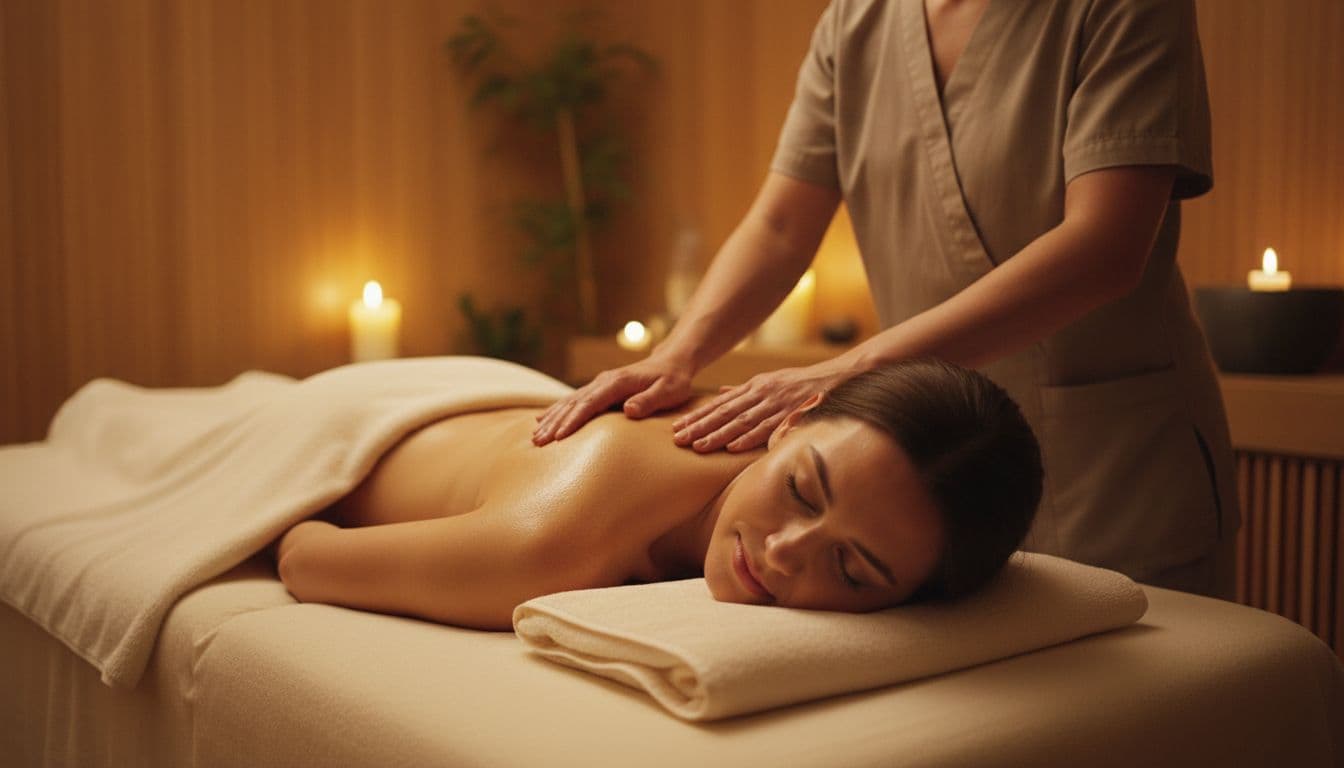
Stress doesn’t just live in your mind. It sits in your body, especially in the neck, jaw, chest, and shoulders. When life gets loud (work pressure, traffic, too much screen time), your nervous system stays on alert. Massage uses steady, safe pressure and a consistent rhythm, which helps your body shift into a calmer state. As a result, the mind often slows down too.
Sleep tends to improve when your body stops bracing. If your shoulders are tense and your breathing is shallow, your brain reads that as “stay switched on.” After a relaxing session, many people find it easier to fall asleep, and they wake up feeling less wired. You may not sleep like a baby every time, but you often feel more settled at night.
Here are practical signs the calm is kicking in while you are still on the table:
- Deeper breathing that moves into your belly, not just your chest.
- A looser jaw, with the tongue resting and teeth not clenched.
- Your shoulders stop creeping up, and the “shoulder lift” disappears.
- Hands and feet feel warmer, because your body is no longer in guard mode.
- Thoughts get slower, and the urge to check your phone fades.
If you want that calm to last past the front door, treat the next few hours like a gentle landing, not a hard stop. A few small habits make a big difference:
- Drink water over the next hour or two, especially after a warm room or deeper work.
- Eat a light meal instead of a heavy one, think soup, fruit, eggs, or a simple bowl.
- Choose an early night if you can, because sleep is where the reset really settles in.
A helpful test: if you can breathe slowly while pressure is applied, your body is cooperating. If you hold your breath, the pressure is too much or the day is still in your muscles.
For more context on how relaxation-focused sessions compare to firmer work, this massage types and benefits guide breaks it down in plain language.
Muscle pain and tightness: when you want real relief
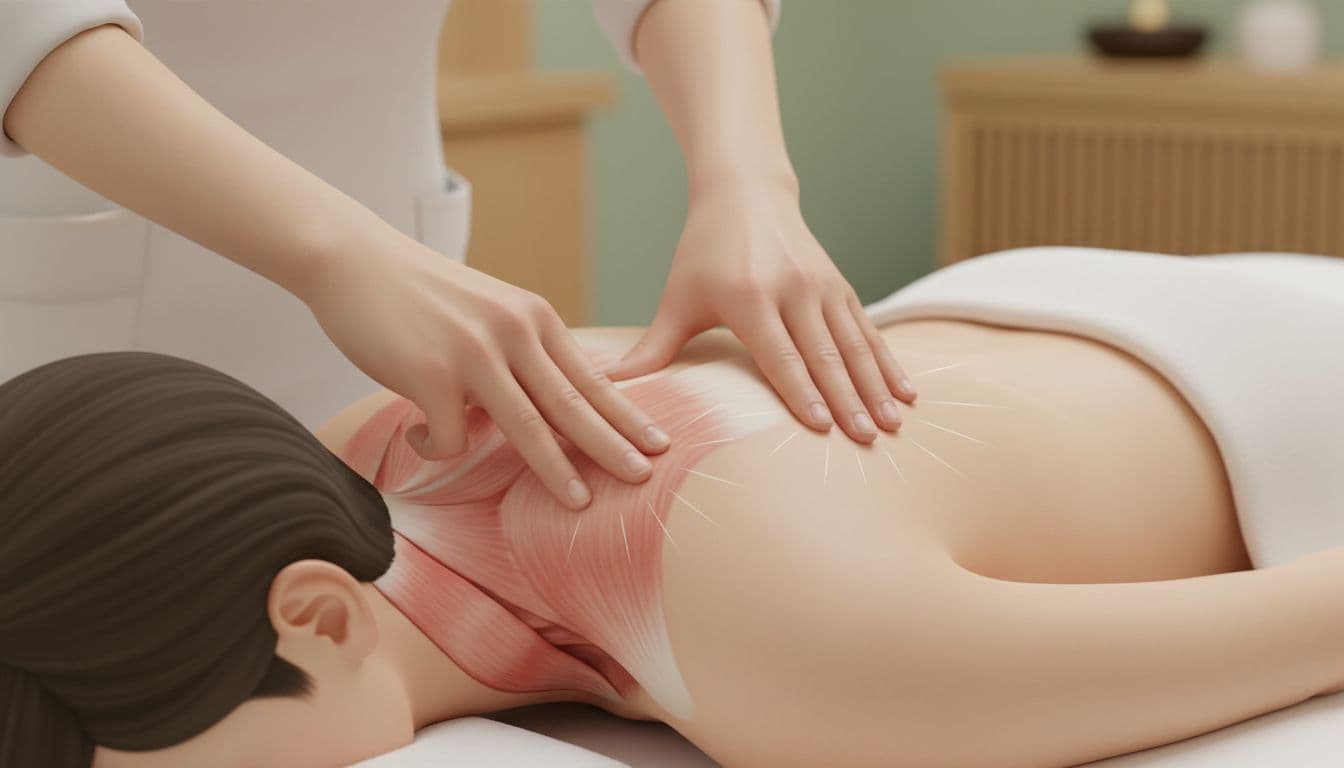
Some days, you don’t want “relaxing.” You want your body back. Tight muscles can make you feel older than you are. They pull on posture, shorten your stride, and turn simple tasks (driving, turning your head, standing up) into little negotiations.
In Nairobi, a few areas tend to take the most strain, especially if you sit a lot, train hard, or spend time in traffic:
- Neck and upper shoulders (desk posture and phone use)
- Mid-back and shoulder blades (hunching and stress)
- Lower back (long sitting, poor hip mobility, heavy lifting)
- Hips and glutes (tightness that can make the back feel worse)
- Calves and feet (long walks, standing jobs, gym sessions)
Targeted work can help those areas feel softer and more mobile. Still, it’s important to know what “normal” feels like, especially after a deep session. Mild soreness the next day can happen, like the feeling after a good workout. You might feel tender in the spots that got the most attention, and that usually eases within 24 to 48 hours.
On the other hand, some sensations are a sign to speak up right away. Not normal includes:
- Sharp, stabbing pain during the massage
- Numbness, tingling, or burning that lingers
- Pain that worsens steadily over the next day
- New bruising that looks severe or feels alarming
The simplest rule is this: good pressure feels intense but relieving. You can still breathe, and your body doesn’t flinch. If you start tensing your legs, clenching your jaw, or holding your breath, the pressure is too high for your system at that moment.
Also, pressure is not a one-time choice you make at the start. You can adjust it at any time, and you don’t need a perfect explanation. Try quick, clear feedback like:
- “Same spot, less pressure.”
- “That’s a bit sharp, please ease up.”
- “Can you stay there, but go slower?”
If deep work is what you want, it helps to understand what a real deep tissue session should feel like (and what it should not). This page on deep tissue massage benefits explains the approach and who should be cautious.
Recovery for active people: gym, sports, and long walks
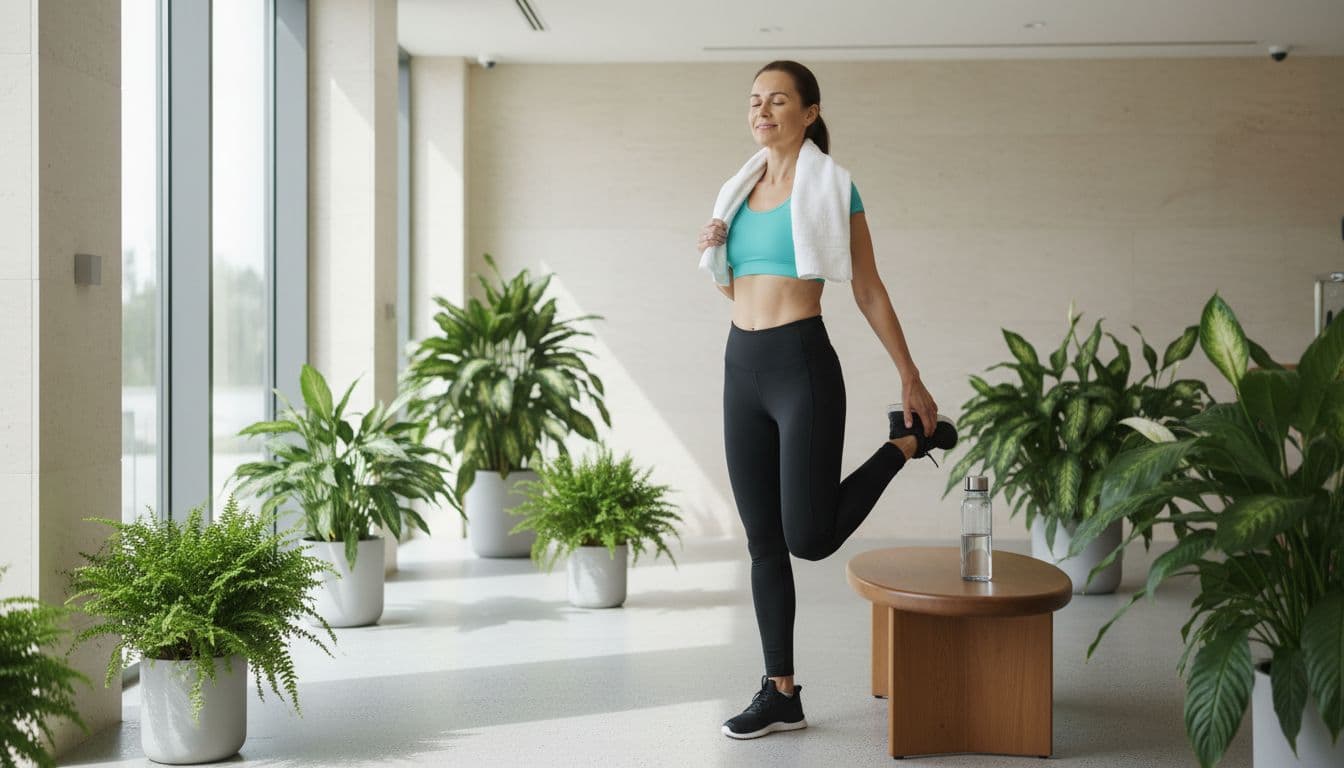
If you train, play sports, or walk a lot, soreness is part of the deal. The trick is staying consistent without feeling like your body is always catching up. Massage fits best when you treat it as a recovery habit, not a rescue mission after you are already in pain.
It works well alongside the basics that actually move the needle:
- Mobility work (hips, ankles, upper back)
- Light stretching to keep range of motion
- Rest days that let the body rebuild
- Good sleep and hydration, because recovery is not only about muscles
Think of massage like wringing out a towel that is holding tension. Training soaks the towel, and life adds extra water. Massage helps you squeeze out the excess so you can move well again.
A few common, real-life scenarios where people notice the difference:
- Post-run calves: your lower legs feel tight and springy, and stairs feel annoying the next day.
- Post-leg-day quads and hips: you sit down and stand up like you are twice your age.
- Weekend hike soreness: feet, calves, and glutes feel heavy, and your stride shortens.
Timing matters too. Some people like massage 24 to 72 hours after a hard session, when soreness peaks. Others prefer it the same day, but with lighter pressure, to calm the nervous system and improve circulation. Both can work, depending on how your body responds.
As for frequency, keep it sensible. Many active people book every 2 to 4 weeks for general maintenance, then add an extra session during heavy training blocks or high-stress weeks. If you are new to massage or new to hard training, start with a gentler session first, then build up.
If you are training a lot and also dealing with desk stiffness, it can help to compare local options and typical booking patterns. This guide on booking massage in Kilimani gives a practical overview.
Who should avoid certain techniques, and how to stay safe
Massage is generally safe for many people, but the details matter. The fastest way to get a bad experience is to keep quiet about health issues, then hope the therapist guesses correctly. A professional session starts with simple sharing, so the work fits your body today, not an “average” body.
Before the session, mention anything that could change technique, pressure, or product choice:
- Allergies or scent sensitivity, including reactions to oils or strong aromas
- Skin issues (rashes, eczema flare-ups, infections, sunburn, open cuts)
- Fever or feeling unwell, because your body needs rest, not extra stimulation
- Recent surgery, stitches, or a fresh injury, even if it feels “mostly fine”
- Blood clot concerns, a history of DVT, or unexplained swelling and pain in a limb
- Pregnancy, so you can be offered appropriate options (positioning, pressure, and focus areas)
If you are managing a chronic condition (for example high blood pressure, diabetes with reduced sensation, nerve pain, or autoimmune flare-ups), it’s smart to check with a clinician first, then tell your therapist what you were advised. That one step keeps things calm and predictable.
During the massage, your job is simple: give feedback early. You don’t get extra points for pushing through pain. Ask for lighter pressure if you need it, and stop the session if anything feels sharp, wrong, or alarming. Strong work can be productive, but it should never feel unsafe.
The safest sessions are the ones where you communicate. A good therapist adjusts quickly, without attitude, because your comfort is part of the result.
Choosing the right massage and spa treatment at Nairobi Spa & Massage
Picking a treatment at Nairobi Spa & Massage gets easy when you stop thinking in names and start thinking in outcomes. Do you want to calm your mind, loosen stiff muscles, or feel clean and refreshed from head to toe? The “right” choice is simply the one that matches your body today.
Use this section like a shortcut. You’ll get clear differences in feel, who each option suits, and what to book first. Prices and durations below are examples and can change, so confirm when you book.
Swedish vs deep tissue: the simple way to decide
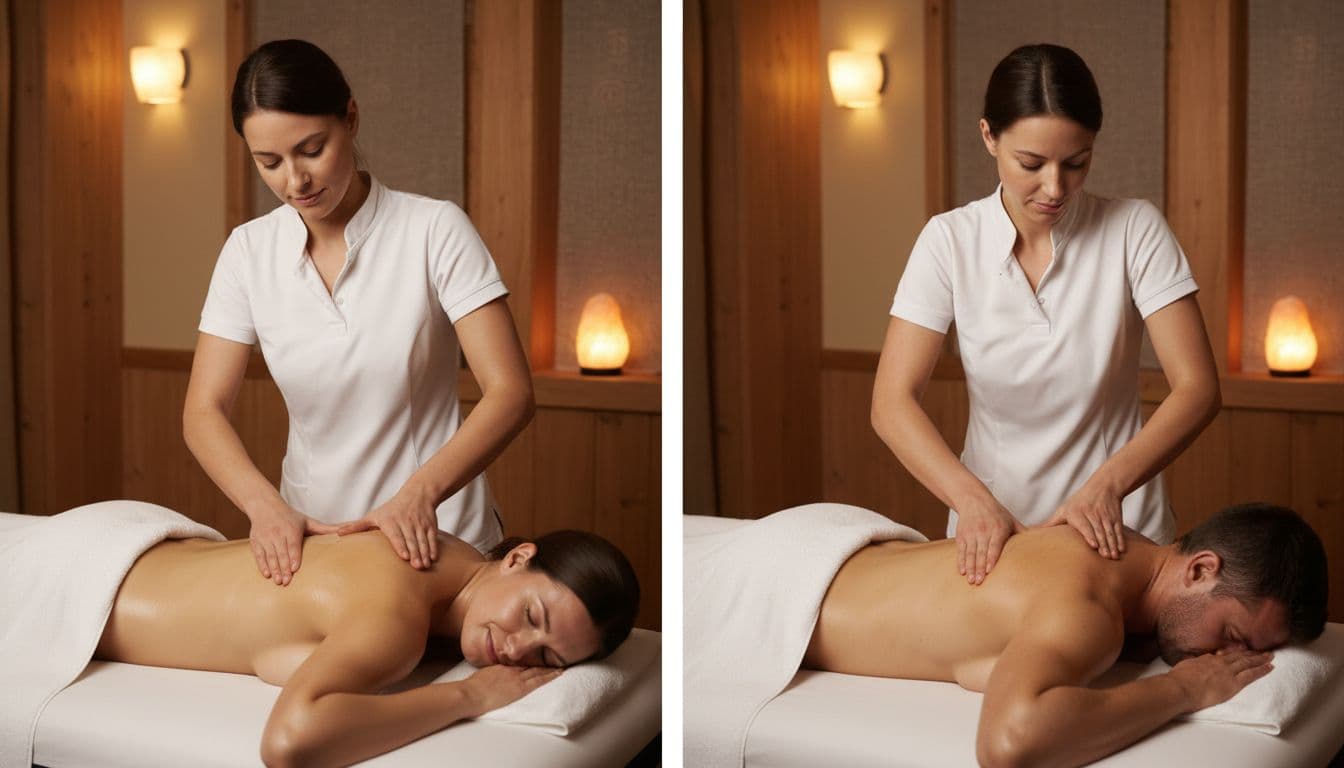
These two get compared a lot, but they serve different purposes. Think of Swedish as a slow, steady “exhale.” Deep tissue feels more like targeted “work,” where the therapist spends longer on the stubborn parts.
Pressure is the big difference. Swedish uses light to medium pressure, with broad strokes that help your nervous system settle. Deep tissue uses firmer pressure, often slower, because the therapist is trying to reach deeper layers and specific tight bands.
Pace matters just as much. Swedish usually has a flowing rhythm. Deep tissue often pauses on one spot, then gradually sinks in, so your muscles have time to release instead of fighting back.
Goals are where the choice becomes obvious:
- Swedish helps most with stress, rest, and overall body comfort.
- Deep tissue helps most with stubborn tightness, knots, and restricted movement.
Here’s a simple decision guide you can use in under a minute:
- Choose Swedish if you’re a first-timer, you feel mentally overloaded, or you want to leave lighter. A common example is 60 minutes (KES 4,500), which gives enough time to settle in and still cover the full body.
- Choose deep tissue if you keep rubbing the same shoulder knot every day, or you feel tight in one main area (neck, back, hips). A typical example is 60 minutes (KES 5,500), especially if you tell the therapist your top two problem zones.
If you’re not sure, start with 60 minutes and treat it like a “baseline” session. You’ll learn what pressure feels good and what your body responds to.
The best results usually come from feedback, not force. If you’re holding your breath, clenching, or bracing, the pressure is too much for your body today.
Communication beats “toughing it out,” every time. Try quick phrases that make it easy for your therapist to adjust without stopping the flow:
- “Same spot, but slower.”
- “That’s intense, reduce pressure a bit.”
- “Focus more on my upper back than my legs.”
Aromatherapy and hot stone: when you want full-body relaxation
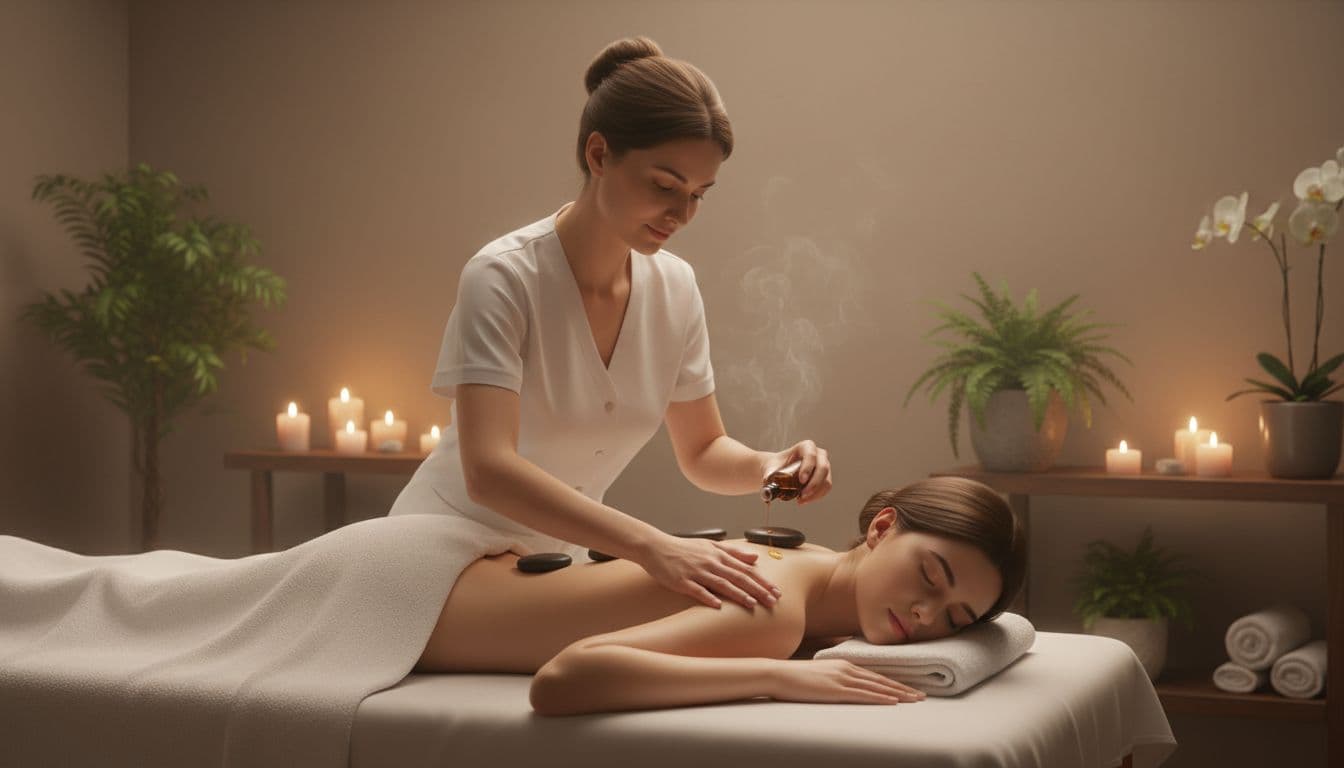
When you want relaxation that feels “whole body,” aromatherapy and hot stone are hard to beat. They don’t just work muscles, they also change how the room feels, how your breathing settles, and how quickly your mind stops racing.
Aromatherapy massage uses essential oil blends (or scented oils) to influence mood and ease stress. Scent is closely tied to memory and emotion, so the right aroma can make you feel safe and calm fast. In practice, aromatherapy often feels like a gentler session with a softer pace, because the goal is deep relaxation, not “fixing” one knot.
If you’re choosing duration, think about how long it takes you to switch off. Many people need 10 to 15 minutes just to stop thinking about traffic or work. That’s why 60 minutes (example: KES 5,500) works well for a first aromatherapy booking, while 90 minutes (example: KES 9,500) feels more like a full reset.
Meanwhile, hot stone massage adds warmth to the equation. Heated stones (often smooth basalt) act like a warm compress that stays in place while the therapist works. The heat helps muscles soften faster, so the therapist can often achieve a deep release with less force. For many people, it feels like your back is wrapped in a warm blanket, then slowly “unclenched.”
For timing and budget, common examples are:
- Hot stone 60 minutes (KES 6,500) when you want warmth and a full-body unwind.
- Hot stone 90 minutes (KES 8,500) when your back, hips, and shoulders all feel tight.
If you want to understand the technique in more detail, this page on hot stone massage explains what happens during a professional session.
A quick caution: heat isn’t for everyone. Consider skipping hot stones (or asking for mild heat) if you have:
- Very sensitive skin or skin that gets irritated easily
- Heat intolerance, frequent dizziness with heat, or you simply dislike warmth
- Any new rash, sunburn, or inflamed areas you don’t want warmed up
Also, speak up about scent. If strong smells give you headaches, ask for a lighter blend or no added scent. Relaxation only works when your body feels safe.
Targeted sessions for busy days: head, neck, shoulders, and foot pressure
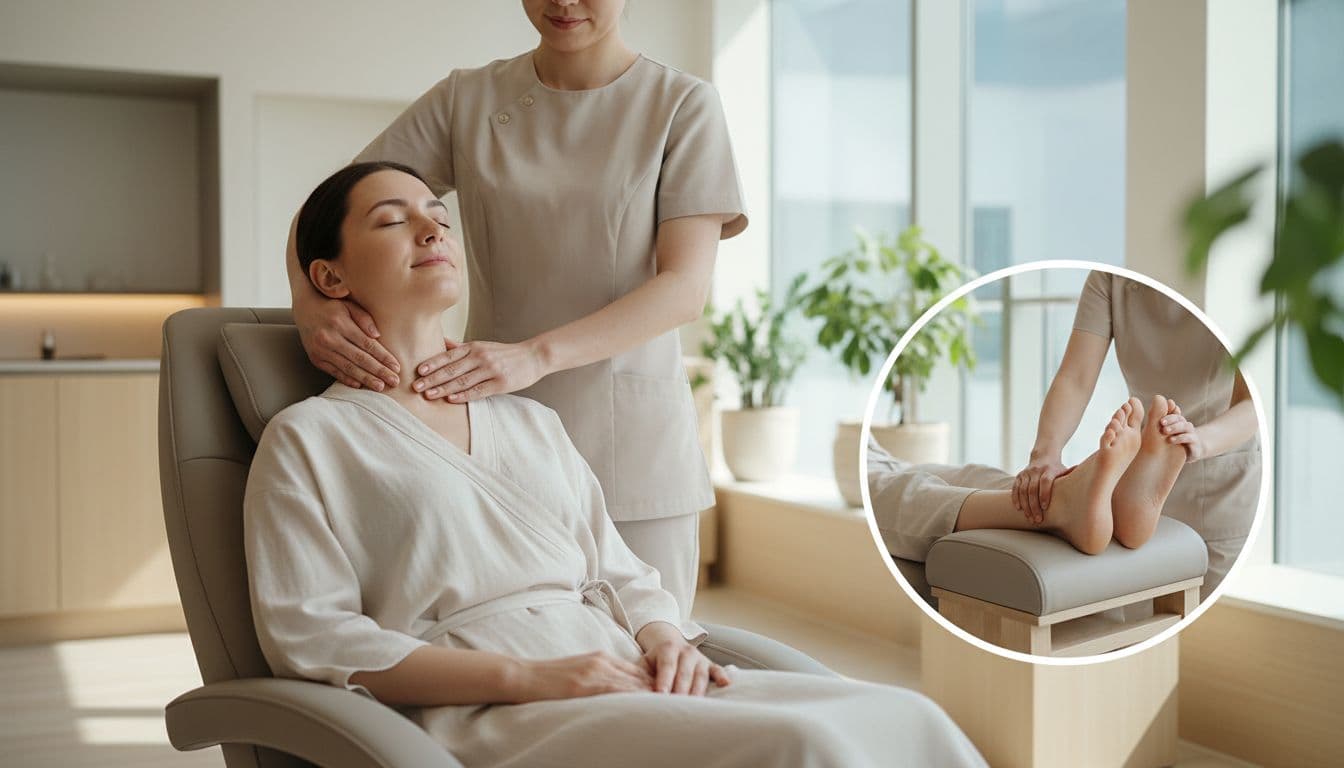
Some days you don’t have time for a full-body session. Still, you want relief where it counts. That’s where targeted treatments shine, especially for desk workers and anyone who spends hours on their feet.
A head, neck, and shoulders session is a quick win if you live with screen posture. The therapist focuses on the scalp, jaw area (if requested), neck sides, upper traps, and the muscles around the shoulder blades. It’s less about covering everything and more about releasing the “coat hanger” area that holds your stress.
A common example is 45 minutes (KES 4,000). That’s enough time to:
- Warm up the neck and shoulders without rushing
- Spend focused minutes on your tightest side (most people have one)
- Finish with calming scalp or temple work that helps headaches ease
What to wear? You’ll usually be more comfortable in a loose top or a provided drape. If oil is used, the therapist may ask to expose the upper back and shoulders while keeping you covered properly. If you prefer staying dressed, say so upfront, it’s normal.
On the other hand, foot pressure (often reflexology-style work) is ideal when your body feels tired from the ground up. It targets arches, heels, toes, and calf attachments, because tight calves often pull on the feet. This is a great choice for teachers, retail staff, gym-goers, runners, and anyone doing lots of walking in Nairobi.
A typical example is 30 minutes (KES 2,800), and it can still feel surprisingly complete. Many people notice lighter steps right away, plus less calf tightness later.
Targeted sessions also pair well with a longer massage later. Here’s a simple way to plan it:
- Book head, neck, and shoulders midweek to keep desk tension from building.
- Add a 60-minute Swedish or deep tissue on a weekend when you have time to fully unwind.
- Use foot pressure after travel days, long shifts, or big walking weeks.
If your schedule is tight, targeted work is like topping up your phone battery. It’s not a full charge, but it keeps you running smoothly.
Body scrubs, facials, and nail care: add-ons that make you feel refreshed
Massage helps you feel better inside your body. Scrubs, facials, and nail care add the “I feel clean and new” effect. These are great when you want to walk out looking as good as you feel.
A body scrub focuses on exfoliation. The therapist uses a scrub texture to remove dull surface skin, then rinses or wipes it away. The result is smoother skin that feels fresh, especially on areas that get rough (back, elbows, knees). It also helps products absorb better afterward, so your skin holds moisture longer.
A common example is a 45-minute body scrub (KES 3,500). It’s a solid pick before an event, after travel, or anytime you feel like your skin needs a reset.
If you prefer something face-focused, a purifying facial is usually gentle and calming. Expect a cleanse, light exfoliation (often mild), and relaxing touch that helps your face muscles soften. Many people don’t realize how much tension they hold around the eyes and jaw until it’s released.
A typical example is a 60-minute purifying facial (KES 5,500). It works well when you want to look rested, not “worked on.”
For an extra layer of self-care, manicure and pedicure options can round out the visit. Think of them as maintenance that makes daily life nicer, like typing, shaking hands, or wearing open shoes without thinking twice. You don’t need to turn it into a full spa day, but adding one small grooming touch can make the whole experience feel complete.
If you want an exfoliation style that includes massage, Nairobi Spa & Massage also lists a half body massage with polish option on its plans page. As always, confirm what’s included when you book.
Signature packages and couples options: turning a massage into a full reset
Packages are for people who want a full experience without planning every detail. Instead of choosing one treatment and hoping it’s enough, you book a set that’s designed to flow well. It also helps when decision fatigue hits, because someone has already done the “what pairs well with what” thinking for you.
At Nairobi Spa & Massage, a few popular examples include:
Revive & Relax (120 minutes, KES 13,000)
This suits you if you feel run down and want to come back to yourself. A two-hour booking gives room for full-body work plus extra focus where you need it. Expect an unhurried pace, more time on problem areas, and a stronger “reset” effect than a one-hour session.
Jump Start (100 minutes, KES 10,000)
This one fits busy people who still want a complete tune-up. The time is long enough to address tension patterns (like back plus legs), without making your day revolve around the appointment. If you’ve had a stressful month or you’re heading into a heavy work season, this kind of package can feel like a clean restart.
Couples Retreat (120 minutes, KES 20,000 per couple)
A couples session turns self-care into shared time. You’re both in the same room, in a calm setup, each with your own therapist. Some couples chat quietly at the start, then naturally drift into silence. Both are fine. The real goal is comfort, not performance.
Here’s what to expect so it doesn’t feel awkward:
- Privacy and proper draping still apply, even in the same room.
- Pressure is chosen separately, so one person can go gentle while the other goes firm.
- Talking is optional, and most people end up enjoying the quiet.
- You can request focus areas, like one person needing neck work and the other wanting legs and feet.
Packages can also be a smart pick if you’re new. When the session is longer, there’s time to settle, adjust pressure, and still get the full benefit. Just remember that prices listed are examples, so confirm the exact package inclusions, duration, and current rate at booking.
Your first visit made easy: booking, location, pricing, and what happens in the room
A first massage should feel simple, not confusing. The best visits usually come down to a few basics: book clearly, arrive calm, communicate early, and know what “normal” feels like during and after the session.
This walkthrough is written for Nairobi Spa & Massage first-timers in Kilimani. Use it like a practical guide you can skim on your way out the door, then settle in and enjoy the hour.
How to book the right way, and what to ask before you confirm
Booking is easiest when you share what you want, and what your body needs. Nairobi Spa & Massage can match you with the right style faster when you mention pressure, pain points, and any sensitivities. Also, book in advance when you can, especially for evenings and weekends.
Use these details to reach the Kilimani branch:
- Call: +254 719 050 000
- Email: info@nairobispa.com
Here’s a simple booking script you can copy and paste into a message, or use on a call:
- Service: “Hi, I’d like to book a Swedish massage (or deep tissue, hot stone, aromatherapy).”
- Duration: “I want 60 minutes (or 45, 90, 120).”
- Pressure preference: “I prefer light, medium, or firm pressure.”
- Pain points: “Please focus on my neck and shoulders, and my lower back feels tight.”
- Allergies and sensitivities: “I have allergies to nuts/strong scents, and my skin is sensitive.”
- Preferred time: “Do you have space today after 6 pm (or tomorrow morning)?”
- Confirm the basics: “Please confirm the current price, what’s included, and your opening hours.”
A few smart questions to ask before you confirm:
- “Is this session full body, or targeted?”
- “Can I request more time on one area?”
- “Do you recommend Swedish or deep tissue for my kind of pain?”
- “What should I wear, and do you provide towels and disposable underwear if needed?”
One small habit helps a lot: confirm the current prices and hours when you book, because schedules and menus can change.
If you already know the technique you want, it helps to reference their massage options so you and the front desk speak the same language. This overview of Spa and Massage Services can help you pick faster.
Where Nairobi Spa & Massage is located, and how to plan your day around it
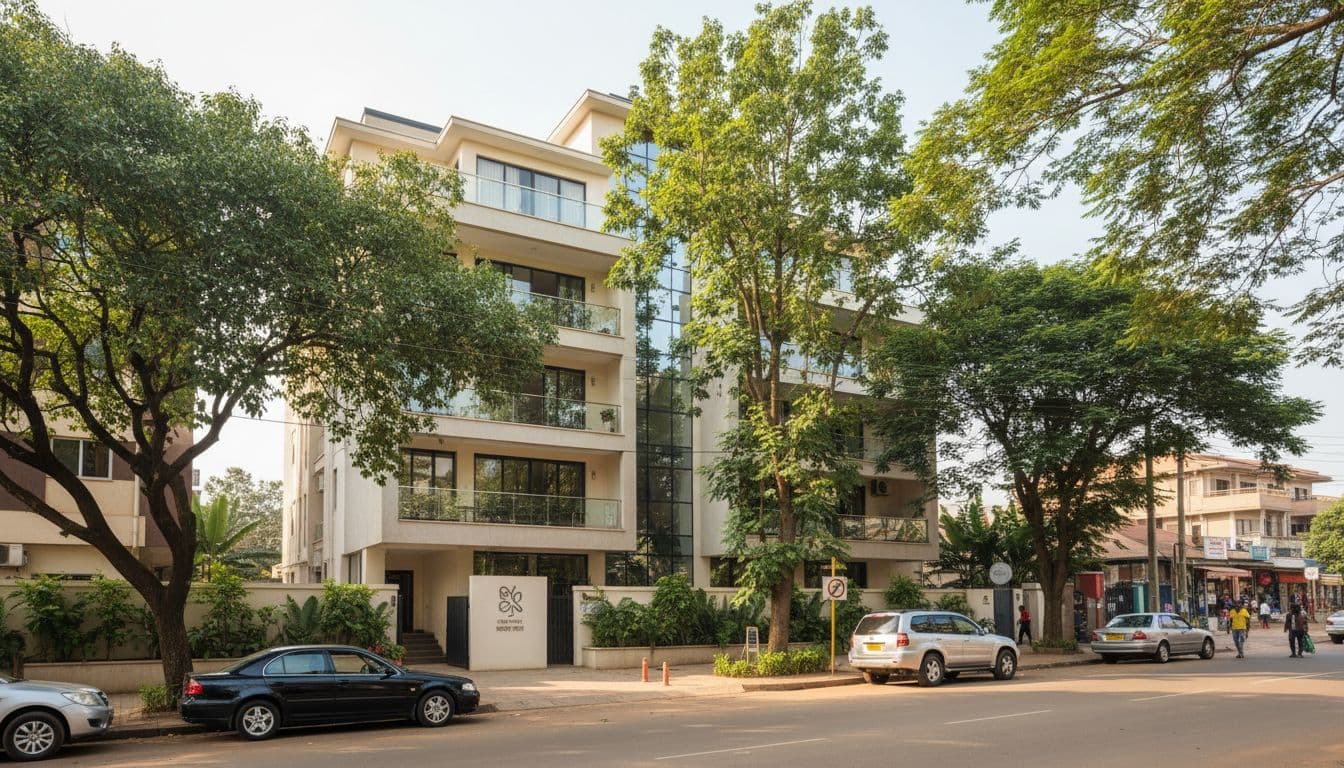
Nairobi Spa & Massage is in Kilimani, a central area that’s easy to pair with errands, lunch, or an after-work appointment. The address to use on maps or with a boda is:
Afya Maisonettes, Kindaruma Road, off Ngong Road, Kilimani, Nairobi.
Planning well matters because Nairobi traffic can steal your calm before you even walk in. A massage works best when your body arrives already starting to soften, not still gripping the steering wheel.
A simple plan that usually works:
- Leave early, especially if you’re coming through Ngong Road, Upper Hill, or CBD during peak times.
- Arrive 10 minutes early so you can use the washroom, settle your breathing, and avoid rushing the start.
- Skip heavy meals right before. A full stomach plus belly-down time can feel uncomfortable.
- Bring open shoes if you booked foot treatments or a pedicure, because tight shoes can undo that “light steps” feeling fast.
If you arrive late, don’t panic, just call as soon as you know. Many spas will still see you, but your session may end at the original time to avoid pushing the next booking. If you want the full time, ask if they can shift you to the next opening.
A quick local etiquette note: keep your phone on silent once you enter. That quiet is part of what you are paying for.
What happens from check-in to the end of the massage
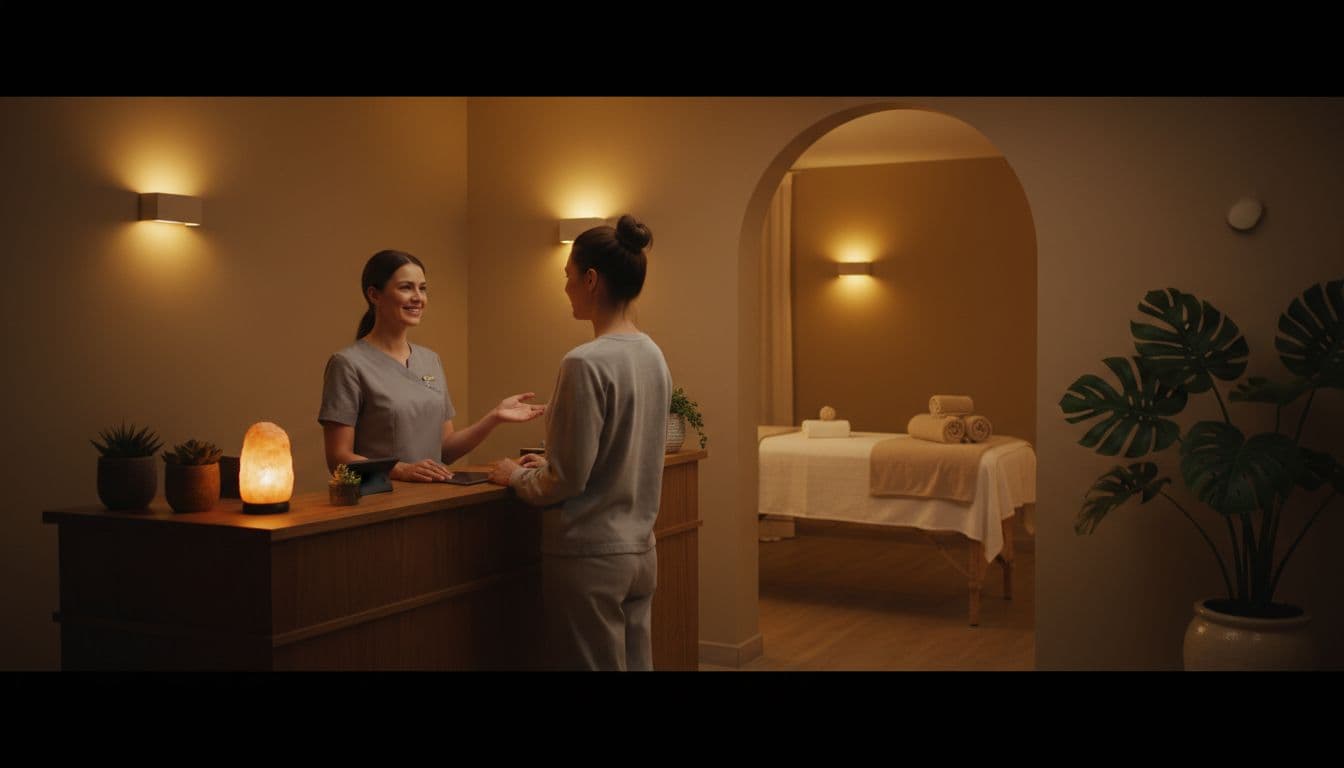
Most first-timers worry about awkwardness. The truth is that a well-run session follows a clear flow, like boarding a flight. Once you know the steps, you can relax into it.
Here’s how a typical visit at Nairobi Spa & Massage usually goes:
Check-in and quick questions
You’ll be greeted, then asked a few basics. Expect questions about the massage type, pressure, and any injuries, pain points, pregnancy, allergies, or scent sensitivity. This part is quick, but it matters, because it shapes the whole session.
Pressure choice and goals
You’ll agree on pressure (light, medium, firm). If you are unsure, choose medium first. Think of it like seasoning food, you can always add more, but you can’t take it back once your body tenses up.
Getting set up in the room
The therapist will explain how to lie on the table, where to place your face, and what to do with jewelry. You’ll be left alone to undress to your comfort level, then you’ll get under the sheet or towel.
Draping, modesty, and privacy
A professional therapist uses draping to keep you covered. Only the area being worked on is uncovered, and the rest stays wrapped. You can also request extra covering if you run cold or just prefer more modesty.
You stay in control the whole time:
- Keep your underwear on if you want to.
- Ask for the door to be locked if that helps you relax.
- Request adjustments without explaining yourself.
Quiet time and the actual massage
Once the massage begins, most people naturally get quieter. Some drift into a half-sleep, which is normal. If you want a no-talking session, say it upfront. If you like guidance on breathing or stretching, ask for it.
Communication during the session (say it early, say it simply)
Good therapists want feedback, because your body changes as muscles warm up. Use short, clear phrases like:
- “That’s a bit much, please go lighter.”
- “You can go firmer on my upper back.”
- “Please avoid my left knee.”
- “I’m feeling cold, can I get an extra towel?”
- “Could you lower the music a little?”
If something feels sharp, burning, or makes you brace hard, speak up right away. Strong work can feel intense, but it should still feel productive, like pressure that “melts” tension instead of fighting your body.
Finishing and aftercare notes
Near the end, the therapist will usually slow down and ease pressure. You’ll get a moment to breathe, then you’ll be left alone to dress. Afterward, you may get simple advice (drink water, stretch, go easy if it was deep work).
Hygiene should feel obvious and non-negotiable. Fresh linens, clean towels, and clean hands are basic standards. If anything feels off, you can ask for changes politely, or stop the session.
Prices, payments, and smart ways to stay within budget
Massage pricing usually depends on two things: time and technique. Longer sessions cost more, and specialty treatments (like hot stone) often cost more than a basic relaxation massage. In other words, you’re mostly paying for therapist time, plus any extra tools or products used.
Nairobi Spa & Massage gives good reference points you can plan around. For example, a 60-minute Swedish session is often priced lower than a 60-minute deep tissue, and packages cost more because they bundle multiple services and more time.
Because menus and offers can change, confirm the current total when you book, then ask what’s included. That one question prevents the usual budget surprises.
How to pay via M-Pesa
If you’re paying by M-Pesa, use:
- Paybill: 220333
- Account: 23090
- Send confirmation to: 0731 999 635
After you pay, share the M-Pesa message or transaction code as proof. If you’re splitting payments (for example a couples booking), clarify who is paying what before you arrive.
A few practical ways to stay on budget without ruining the experience:
- Start with 60 minutes. It’s long enough for full-body work and a clear result. Then upgrade to 90 minutes next time if you want more focus time.
- Choose targeted sessions when time is tight. A short neck-and-shoulder or foot session can bring quick relief when your schedule is packed.
- Pick one “main goal” per visit. Trying to fix everything in one hour can feel rushed, especially if your tension is spread out.
- Book off-peak if available. Some places have quieter hours on weekdays, which can make scheduling easier.
Tipping etiquette in Nairobi varies, and it’s optional. If you feel your therapist did excellent work, a small tip is a kind gesture, but you don’t need to feel pressured. If you’d rather not tip, a clear “thank you” and a repeat booking still shows appreciation.
One more money tip that helps: if you want a firm session, ask for firm but comfortable, not “as hard as possible.” Too much pressure can leave you sore and feeling like you need another massage right away.
Aftercare that helps your results last longer
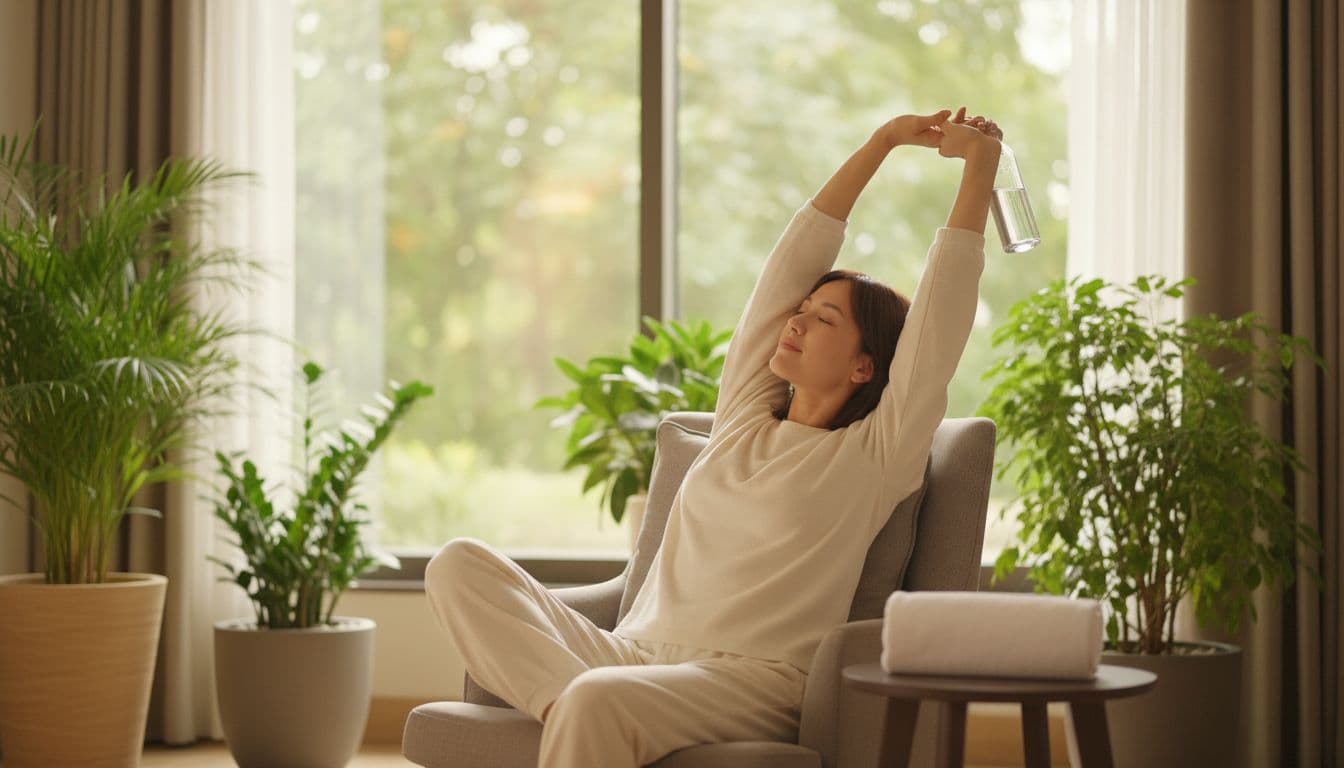
The hour after your massage is like wet cement. What you do next can help the reset “set,” or it can crack fast if you rush back into stress.
Keep aftercare simple. Think of it as protecting your investment.
Here’s an easy checklist that works for most people:
- Drink water over the next few hours, especially after deep work or a warm room.
- Do light stretching later that day, nothing intense, just gentle range of motion.
- Take a warm shower later if you like, since heat helps muscles stay loose.
- Avoid hard workouts right away after deep tissue. Give your body a few hours, or wait until the next day if you feel tender.
- Note any tender spots. If one area felt extra sensitive, mention it next time so the therapist adjusts technique or pacing.
Mild soreness can happen after deep tissue, similar to post-gym soreness. That usually eases within a day or two. Sharp pain, numbness, or worsening pain is not normal, so stop and seek medical advice if you feel concerned.
Finally, treat the rest of your day like a slow walk, not a sprint. Your body just got a reset, so give it a calm landing.
Why Nairobi SPA & Massage in Kilimani Stands Out
Plenty of places offer a massage in Nairobi. The difference is how you feel from the moment you walk in, how well the therapist listens, and whether the session actually matches what your body needs that day. In Kilimani, Nairobi Spa & Massage stands out because it keeps the basics strong (clean rooms, skilled hands, clear communication), then adds the small touches that make the whole visit feel easy.
You notice it in the rhythm of the experience. Nothing feels chaotic. You are not rushed into the room, and you are not treated like a time slot on a calendar.
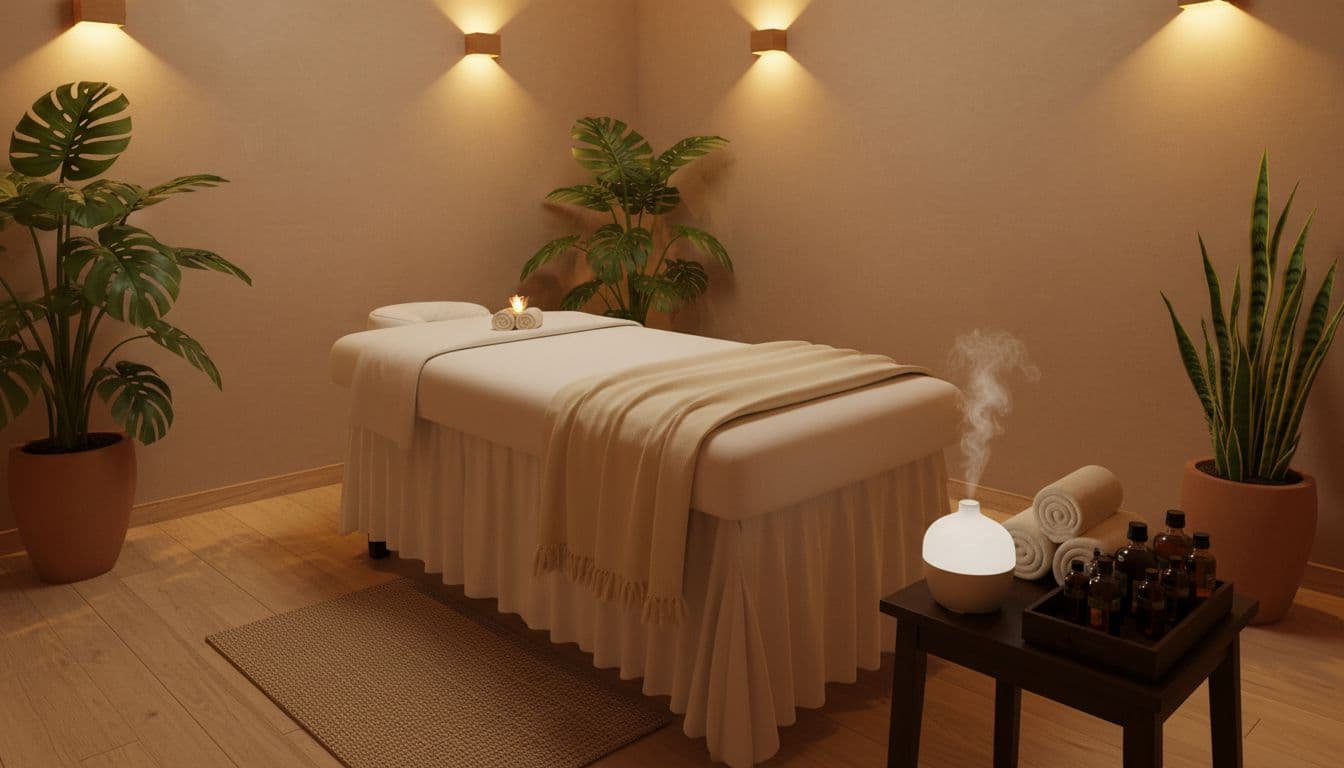
A calm, clean space that helps your body relax faster
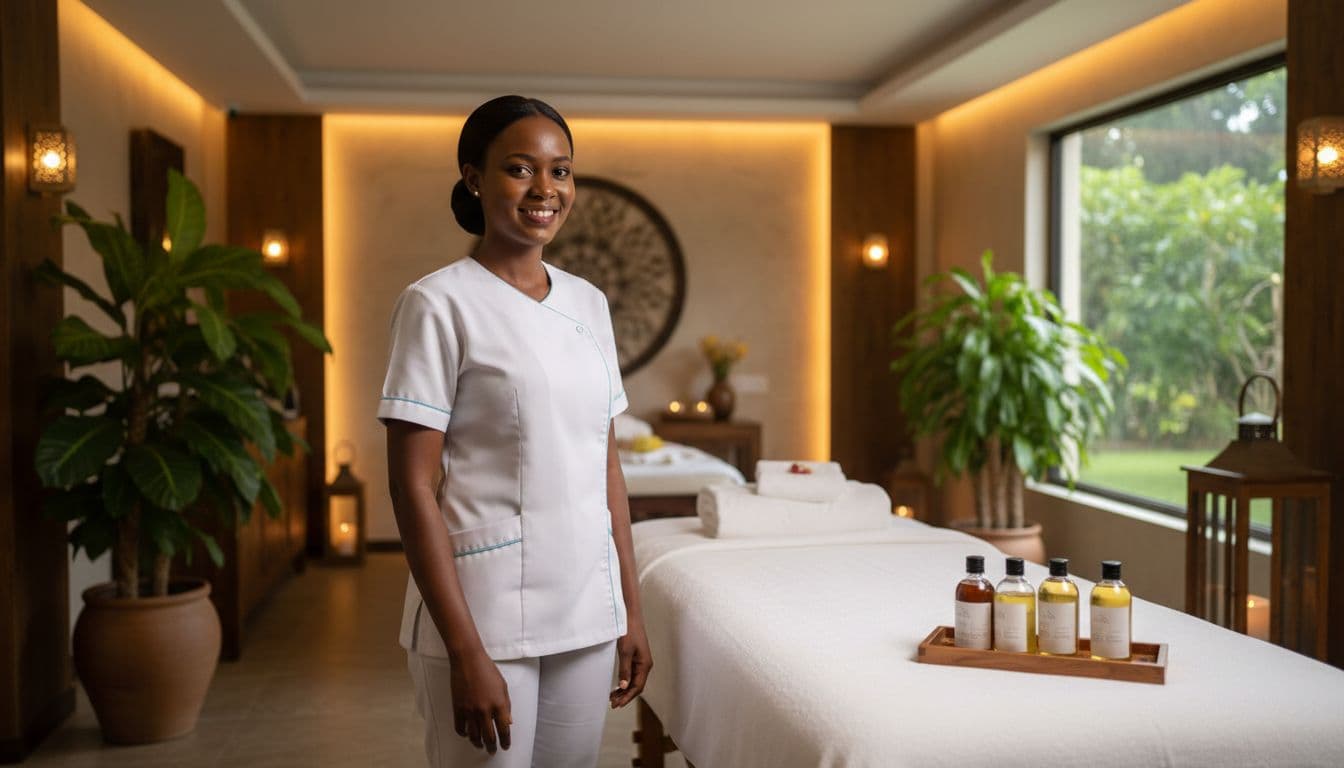
Your body takes cues from the room. If the space feels noisy or messy, you stay on guard. Here, the setup signals safety fast: fresh linens, a tidy treatment area, and a quiet tone that makes it easier to exhale.
That matters more than people think. When your nervous system settles early, the therapist can do better work without pushing too hard. As a result, even a medium-pressure session can feel deeper, because your muscles stop fighting.
If you tend to overthink, this kind of calm works like turning down bright lights in your mind. You arrive tense, then slowly soften, layer by layer.
Therapists who listen, then tailor the session in real time
A great massage is not a fixed routine. It is a conversation, even when you barely speak. Strong therapists notice what your body does under pressure, then adjust pace, depth, and focus areas without making it awkward.
That “tailored” feel is what many Kilimani clients talk about in recent reviews. People mention skilled deep tissue work, attentive care, and sessions that target tension without rushing. In other words, the therapist treats your tight shoulder like the main story, not a side note.
To get the best result, come in with one clear sentence. For example: “My neck feels locked, and I want medium pressure.” The therapist can take it from there.
Your comfort is part of the technique. If pressure makes you hold your breath, it is too much for today.
On-time appointments and a front desk that makes things simple
A massage starts before the first stroke. It starts at reception. When check-in feels smooth, your shoulders drop faster.
Recent customer feedback highlights polite, welcoming staff and appointments that run on time. That may sound basic, but it changes everything. You are not left wondering if your session will be cut short, or if you will wait long past your booking time.
If you are fitting a massage into a lunch break or after work, reliability is the real luxury. It protects your schedule, and it protects your mood.
Good value without the “cheap and rushed” feeling
Price matters, especially when you want massage to be a habit, not a rare event. Nairobi Spa & Massage earns loyalty because it balances affordability with quality. The sessions do not feel like a conveyor belt, and you are not pressured into add-ons to make it “worth it.”
Value also shows up in the options. You can book a focused session for quick relief, or choose longer treatments and packages when you want a fuller reset. If you like comparing styles before you book, the service overview at https://nairobispa.com/spa-and-massage/ makes it easier to pick what fits your goal.
The best part is that value feels consistent. You leave thinking, “That helped,” not “I guess that was okay.”
Extra amenities that turn one booking into a full reset
Sometimes you want more than massage. You want the kind of visit that rinses the week off your skin. Reviews point to added perks like hot baths, steam, and sauna access in the women’s area, which can deepen relaxation before or after your session.
Heat and steam work like a warm-up for tight muscles. Your tissue softens sooner, so the massage feels smoother and less forced. If you carry stress in your back and hips, that warmth can be the difference between “relaxed” and “fully reset.”
If you are planning a longer unwind, pairing warmth with a calming service can feel like pressing a reset button. A good example is hot stone work, because the heat does the convincing before the hands even start (more details at https://nairobispa.com/hot-stone-massage/).
Conclusion
Nairobi traffic and long desk days can leave your body tense and your mind noisy. That’s why Nairobi Spa & Massage works best when you book with one clear goal in mind. If you want calm and better sleep, choose relaxation options like Swedish, aromatherapy, or hot stone. On the other hand, if you want real relief from stubborn knots, go for deep tissue and tell your therapist where you feel it most.
When time is tight, quick targeted sessions (like head, neck and shoulders, or foot pressure) can still make a big difference. Meanwhile, packages and couples sessions turn a simple appointment into a longer reset, with enough time to settle in and work the areas you normally rush past.
Most importantly, speak up early about pressure, temperature, scent, and draping. Small adjustments keep the session comfortable, and comfort is what helps your body let go.
Thanks for reading, now book your Nairobi Spa & Massage visit in Kilimani by calling +254705027081 or emailing info@nairobispa.com. When you book, confirm the current pricing and opening hours so your plan stays smooth from start to finish.