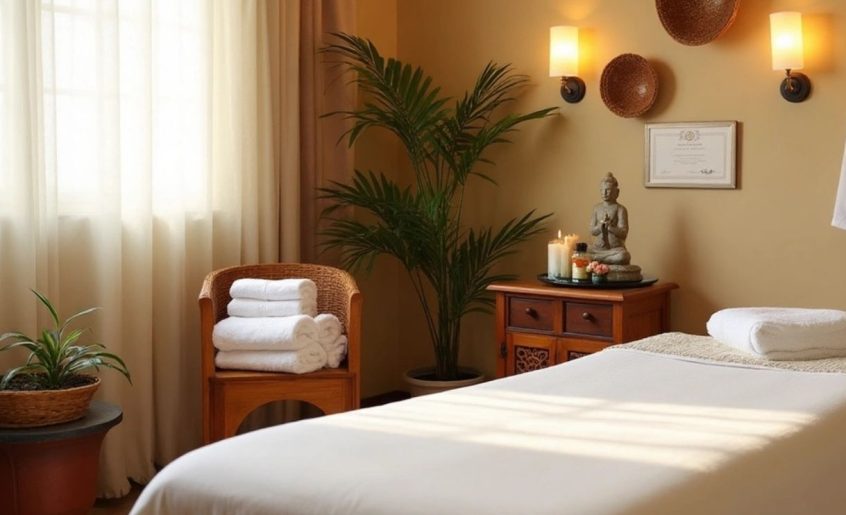
A great Nairobi Spa visit should feel like an exhale the moment you walk in. Think spotless rooms, soft lighting, calm music, and skilled hands that know when to go gentle and when to work out real tension. In Kilimani and at the best spas in Nairobi, these spots pair comfort with professionalism, so you can relax without second-guessing hygiene, privacy, or safety.
If you’re booking soon, it helps to know what you’re paying for and what to ask before you commit. This guide breaks down how to choose the right spa for your needs, whether you want stress relief after a long week, targeted help for tight shoulders and back pain, or recovery from travel fatigue. You’ll also get a clear sense of which treatments tend to match each goal, from deep tissue and hot stone to body scrub, facial treatment, and couples sessions.
You’ll learn what a good appointment usually includes, how to communicate pressure and problem areas, and what to expect from check-in to aftercare. The aim is simple: walk in calm, walk out lighter, and feel like you got real value for your time and money at a day spa in Nairobi.
What people really want from a Nairobi Spa experience
Most people don’t book a Nairobi Spa massage therapy treatment just for “pampering.” They want a clear result they can feel the same day, like calmer nerves, fewer knots, deeper sleep, or a body that stops aching when they stand up. The best sessions at a wellness center match your real life, whether you sit at a desk all week, train hard at the gym, travel often, or you’re a new parent running on broken sleep.
Common goals show up again and again:
- Stress relief and a quieter mind after heavy workdays.
- Better sleep, especially if you’re wired at night.
- Muscle pain relief in the neck, shoulders, and lower back.
- Sports recovery for soreness, tight calves, and stiff hips.
- Self-care when you want to feel “put back together,” even in 60 minutes.
- Quality time with your partner, with a couples massage that feels private and unhurried.
Relaxation vs pain relief, how to choose your main goal
If you only remember one thing before you walk into the room, make it this: pick one main goal and say it in the first minute. A therapist can adjust pressure and focus, but they can’t read your mind.
Here’s the practical difference:
- Relaxation massage: lighter to medium pressure, slower pace, longer strokes. The focus is on calming your nervous system, easing overall tension, and helping you breathe more deeply. This is ideal for desk workers who feel “fried,” travelers dealing with fatigue, and new parents who need a reset.
- Pain relief or deep work: medium to firm pressure, more targeted pace, and more time on problem spots. Expect focus areas like upper traps (neck and shoulders), shoulder blades, lower back, glutes, hips, and calves. This works well for gym goers, runners, and anyone carrying tightness in one or two areas.
A simple script you can use right away:
- “My goal today is relaxation, please keep pressure medium and slow.”
- “My goal today is pain relief, please focus on my right shoulder and lower back, firm pressure, tell me before you go deeper.”
If you want both, choose your priority and say it. You can still ask for a relaxing finish in the last 10 minutes.
When a spa visit is not a good idea
A spa day should help you, not push your body when it needs rest or medical care. Reschedule or ask for advice first if you have:
- Fever, flu symptoms, or you feel unwell.
- Contagious skin issues (including active rashes or infections).
- Fresh injuries, swelling, or sharp pain that’s new.
- Uncontrolled high blood pressure or heart concerns.
- Pregnancy considerations: many treatments can be adapted, but you should book specifically for prenatal care and share your trimester.
Also tell the therapist about allergies, asthma triggers, recent surgeries, blood thinners, and any medical condition that changes how pressure should be used. If you’re unsure, a quick call to your doctor is the safest move.
How to spot a clean, professional spa before you book
You can often tell a quality spa before you ever lie down. Look for signals that hygiene, privacy, and consent are taken seriously.
A quick checklist that’s worth your time:
- Cleanliness: fresh linens per client, clean bathrooms, no stale smells.
- Hand hygiene: therapists wash or sanitize hands before starting.
- Privacy: proper draping, doors that close, no interruptions.
- Clear pricing: costs and add-ons explained upfront, no pressure selling.
- Trained professional therapists: confident intake questions, they explain what they’re doing.
- Good communication: they check in about pressure, pain, and comfort.
- Consent feels normal: they ask before working sensitive areas and you feel comfortable saying “stop” or “lighter.”
A professional spa experience should feel like you’re in safe hands from check-in to aftercare, not like you’re guessing what comes next.
Popular Nairobi Spa treatments and what each one is best for
Most Nairobi Spa menus look long, but the “right” choice is usually simple: match the treatment style to what your body needs today. Are you stressed and restless, or are you tight and sore in a few stubborn spots? Below are the most requested rejuvenating body treatments in Nairobi right now, including popular massages and gentle exfoliation body scrubs for skin health, especially among desk workers, travelers, and runners, with a clear sense of what each feels like, who it suits, and how to get better results without expecting miracles.
Swedish and aromatherapy massage for calm and better sleep
If your mind feels noisy and your body feels “switched on,” Swedish massage is the classic reset. It uses light to medium pressure, long flowing strokes, and a steady rhythm that helps you relax without bracing for pain. Many people leave feeling looser through the chest and shoulders, and quieter in the head, like someone turned down the volume.
Aromatherapy massage adds a scent element using therapeutic essential oils (either blended into the oil or used in the room). Your scent choice can shape the mood of the session:
- Lavender or chamomile-style scents often feel calming, which can be helpful if sleep has been broken.
- Citrus or peppermint-style scents can feel uplifting if you’re drained and foggy.
This treatment is best for:
- Stress, anxious tension, and end-of-week burnout
- Light muscle tightness from desk work
- People who want better sleep and gentle full-body relief
One tip to get better results: treat it like a wind-down ritual, not a task. Book it later in the day if you can, keep your phone on silent after, and aim for an early night. If you go straight back into loud traffic, emails, and caffeine, you undo part of the calm you just paid for.
A quick safety and comfort note: if you have asthma, migraines triggered by scent, or sensitive skin, ask for unscented oils (or very lightly scented options). Also tell the therapist if any smell feels “too much.” A good session should never feel like you’re trying to breathe through perfume.
Deep tissue and sports massage for tight muscles
Deep tissue massage, sports massage, and Thai massage are for the days you want practical work, not just relaxation. The therapist uses slow, focused pressure and spends more time on problem areas instead of doing the same sequence everywhere. It can feel intense, like a steady “good pain” that releases as you breathe through it.
Common focus areas in Nairobi Spa sessions include:
- Neck and shoulders (especially upper traps from laptops and stress)
- Lower back (stiffness from sitting and driving)
- Hips and glutes (tight hip flexors, sore glutes)
- Calves (runners, walkers, high heels)
- Shoulder blades (that stuck, pinchy feeling)
This treatment is best for:
- People with knots and stubborn tightness
- Gym-goers and runners who feel heavy or restricted
- Anyone with one or two areas that always flare up
What to expect after: some people feel immediate relief, but it’s also normal to feel mild soreness for 24 to 48 hours, similar to how you feel after a tough workout. That soreness is a sign the tissue was worked, not a sign the session “went wrong,” as long as it is not sharp or alarming pain.
One tip to get better results: hydrate and keep movement gentle after your appointment. Drink water, take an easy walk, and do light stretching later (think simple neck turns, hip openers, calf stretches). Avoid booking deep work right before a hard workout, because your muscles may not love being pushed twice in one day.
Hot stone, herbal, and other heat based therapies
Heat-based treatments (like hot stone therapy or herbal compress) are popular because warmth can feel like a shortcut to relaxation. Heated stones or warm herbal bundles help muscles soften, and they often reduce that “stuck” stiffness that makes you feel older than you are when you stand up.
What it feels like: a wave of soothing warmth followed by massage strokes that feel easier and deeper, even if the pressure stays moderate. Many people notice their breathing slows down without trying.
This treatment is best for:
- General tension and stress, especially when you feel cold or tight
- Stiff backs and legs after travel or long workdays
- People who want deep relaxation without very firm pressure
Who should avoid too much heat: if you’re pregnant, have very sensitive skin, poor heat tolerance, nerve sensitivity, uncontrolled high blood pressure, or any condition where heat can be risky, ask for a safer alternative or a cooler version. If you have varicose veins or inflammation that flares easily, mention it first so heat is not placed directly where it should not be.
One tip to get better results: speak up about temperature early. Tell the therapist what “comfortable hot” means for you, and ask them to check in before placing stones or compresses. Heat should feel soothing, not sharp, burning, or overwhelming. If it’s too hot, say so right away.
Foot massage for walkers, runners, and travelers
Feet carry the whole trip, and they often get ignored until they start complaining. Foot massage, often incorporating reflexology, is a favorite for people who walk Nairobi a lot, sit on flights, or run regularly. It helps with travel fatigue, tired calves, sore arches, and that heavy swelling feeling after long days.
What it feels like: firm thumb pressure through the soles, slower work around the heel and arch, and kneading around the ankles and calves. If you’ve been on your feet all day, the relief can feel immediate, like taking off a too-tight backpack you forgot you were wearing.
This treatment is best for:
- Travelers with swelling and heavy legs
- Walkers and runners with tight calves and sore arches
- Anyone who stands all day, including retail and hospitality workers
One tip to get better results: plan simple aftercare for the next hour.
- Wear comfortable shoes right after
- Drink water
- Take a short, easy walk to keep circulation moving
- Skip an intense workout immediately after, especially if your arches were very tender
If you have sharp heel pain or numbness, mention it. The therapist can adjust pressure and avoid making an irritated area angrier.
A closer look at Nairobi Massage & SPA in Kilimani, what makes it different
In a busy neighborhood like Kilimani, a Nairobi Spa that feels calm on purpose stands out fast. Nairobi Massage & SPA presents itself as a premier wellness center for people who want real relief, not noise, not rushing, and not awkwardness. The vibe they highlight is simple: a relaxing atmosphere with serene rooms, a quiet pace, and professional therapists who focus on what your body needs that day.
What makes them feel “different” on paper is the mix. You can keep it classic with Swedish or aromatherapy when you just want to switch off, go more targeted with deep tissue for stubborn knots, or choose warmth-focused options like hot stone and herbal massage therapy when your muscles feel stiff and guarded. Then there are the specialty experiences that many spas in Nairobi do not put front and center, like singing bowl therapy and a Korean special bath, plus practical options like trekker’s foot massage for tired legs and soles.
Signature therapies people ask about, singing bowl and Korean special bath
A sound-based session like singing bowl therapy, one of their holistic wellness treatments, is often described as “massage for your nervous system.” You’re usually lying down, fully clothed, while the therapist uses bowls that create tones and gentle vibration. What it may feel like:
- Your breathing slows without you forcing it.
- The sound can feel like a soft hum moving through your chest or back.
- Thoughts still show up, but they feel quieter, like background noise.
- Some people feel light, floaty, or sleepy after.
If you’re sensitive to sound or you get headaches easily, say it early. You can ask them to keep the volume gentle, pause, or stop anytime. Comfort matters more than finishing the routine.
A Korean special bath experience is usually about warmth, privacy, and deep relaxation through beauty treatments. While details vary by spa, people often expect:
- Private bathing space (you should be able to ask how privacy is handled).
- Warm water and a warm room, so you do not feel exposed or cold.
- Time to settle in, rinse, and relax before any next step, which may include a scrub using skin care products from premium skincare brands.
Before you start, ask what’s included and what requires removing clothing. Clear consent is non-negotiable. Use direct language like, “Please explain each step first,” and “I’m only comfortable with X areas being washed or scrubbed.” If anything feels off, you can stop the service immediately.
If you have sports aches, how to talk to your therapist
Deep tissue and sports-focused work can help a lot, but only if your therapist gets clean information. Here’s a short script you can copy and paste into real life:
- “My main issue today is (right shoulder / lower back / calves / hips).”
- “The pain is about a (0 to 10), and it feels sharp / dull / tight / burning.”
- “It gets worse when I (run / sit long / lift overhead / climb stairs).”
- “The pressure I like is light / medium / firm, and please check in before going deeper.”
- “Please avoid my (neck / lower back / knees / any injury area), and don’t work directly on bruises.”
- “If I tense up or hold my breath, that means it’s too much. I’ll tell you ‘lighter’.”
A good therapist will adjust quickly. Your job is to give feedback early, not after 45 minutes of bracing.
How to get ready for your visit so you leave feeling your best
Small prep choices change the whole outcome. If you want your Nairobi Spa visit to feel like a reset (not just “nice”), do these basics:
- Arrive 10 to 15 minutes early so you are not rushing into the room with a racing heart.
- Eat light 1 to 2 hours before. A heavy meal can make you feel uncomfortable on the table.
- Hydrate, but do not chug water right before your session.
- Shower if you can, especially after workouts or a hot day. It helps you relax and feels considerate.
- Silence your phone (or leave it in your bag). One notification can pull you right back into stress.
- Plan recovery time after. Give yourself at least 20 to 30 minutes before errands or gym sessions. After deep tissue, take it easy for the rest of the day if you can.
The goal is simple: you should walk out feeling looser, clearer, and more “back in your body” than when you walked in.
How to choose a Nairobi Spa that feels safe, clean, and worth the money
A good Nairobi Spa doesn’t just feel relaxing, it feels well-run. You should notice it in the small things: clear communication, fresh linens, a private room that stays private, and a therapist who checks in instead of guessing.
Before you book, compare a few spas like you’d compare hotels. Look at the menu (what’s included vs what costs extra), scan recent reviews for the same themes repeating, and don’t be shy about asking about therapist training and hygiene routines. If a spa is professional, they’ll answer calmly and clearly.
Questions to ask before you book
A quick call or WhatsApp chat can save you money and discomfort. Ask these questions and keep the answers, so you’re not deciding under pressure at the front desk:
- Therapist preference: “Can I request a male or female therapist? Do you offer same-gender-only sessions if I prefer?”
- Room privacy: “Are treatment rooms fully private with a door that closes, and will anyone enter during the session?”
- Shower availability: “Do you have a clean shower or steam and sauna I can use before or after, and do you provide fresh towels?”
- Oils and allergies: “What oils or lotions do you use, and do you have unscented options? How do you handle allergies (for example nut oils or strong fragrance)?”
- Payment methods: “Do you accept M-Pesa, card, and cash? Are there any extra charges for card payments or deposits?”
- Parking and security: “Is parking on-site or nearby, and is it guarded or within a secure compound?”
- Package details: “If I book a package, what’s included exactly, how long is each session, and do packages expire?”
- Late arrivals and cancellations: “If I’m late, do I lose time or can the session be adjusted? What’s your cancellation policy, how much notice is needed, and is it a refund or a credit?”
A clear cancellation policy should be easy to understand in one sentence, for example: “Cancel 24 hours before for a full refund, under 24 hours is a credit, no-shows are charged.” If it sounds vague, ask for it in writing.
Understanding pricing without getting confused
Spa pricing can look simple until you notice the fine print. Most Nairobi Spa menus use a few common structures:
- Per-minute or timed sessions: 30, 60, 90 minutes. Longer sessions usually cost less per minute, but only if the time is real (confirm hands-on time vs “total appointment time”).
- Spa packages: sets of 3 to 10 sessions, often discounted. Spa packages offer great value if you’ll actually use them, risky if they expire quickly.
- Add-ons: extras like special oils, hot stones, scrubs, cupping, manicure and pedicure, a detoxifying body wrap, or longer time in the room.
Before you confirm, ask for the total cost in one message: treatment price + add-ons + any service charge. It keeps things clean and avoids awkward surprises.
Also watch how upsells feel. A suggestion is fine (“Hot stones help tight backs”). Pressure is not. If you feel rushed into extras, it’s a sign the spa is chasing sales, not results.
What affects price the most?
- Time length (90 minutes costs more, but can feel more complete)
- Therapist experience and training (ask what qualifications they hold, and if they do regular refresher training)
- Couples rooms (more space and staffing, sometimes priced higher)
- Quality signals like clean facilities, fresh linens, a relaxation lounge, and good privacy (this is where “cheap” can become expensive)
Reviews that matter and red flags to watch for
Reviews help when you read them like patterns, not like single stories. Look for recent reviews that keep repeating the same positives: cleanliness, respectful draping, skilled pressure control, and calm staff.
Green flags you want to see:
- “Room was spotless,” “fresh towels,” “clean shower,” “nice smell, not overpowering”
- “Therapist asked about injuries,” “checked pressure,” “explained what they were doing”
- “Price matched the menu,” “no surprise charges,” “easy booking”
Red flags that should make you pause:
- Complaints about dirty linens, reused towels, or unhygienic tools
- Reviews mentioning pushy staff, unclear prices, or add-ons that “just appeared”
- Poor boundaries, weak draping, or clients feeling exposed
- People saying their session was cut short due to lateness rules that weren’t explained
Trust your gut here. A spa should feel like a well-managed clinic with a calm vibe, not a negotiation. If the basics aren’t solid, it won’t be worth the money, even if the room looks pretty.
Your first visit to a Nairobi Spa, step by step from arrival to aftercare
A first Nairobi Spa visit goes best when you treat it like a guided service, not a test you have to “get right.” You arrive, check in, share a few key details, change in private, then the therapist does the work while you give simple feedback. After, you’ll get the most value from small aftercare choices, not big effort.
Start with check-in. Arrive about 10 to 15 minutes early so you’re not carrying stress into the room. At reception, you’ll confirm your booking, share any health notes, and settle payment details. Many spas have a short intake form. If it’s your first time, say so, it helps the therapist pace the session.
Next is changing. You’ll be shown to a treatment room or changing area. Take off only what you’re comfortable with, most people undress to underwear. You’ll be draped with a sheet or towel the whole time, and only the area being worked on should be uncovered.
A quick note on tipping: it varies by spa and budget. If you tip, keep it simple and discreet at the end, either in cash or added where the spa allows. It’s a thank-you for great service, not a requirement to be treated well.
What to say during the consultation so you get the massage you want
The consult is where you “order” the massage therapy session you actually want, like giving a driver the right route before you hit traffic. Keep it short, direct, and specific.
Use this checklist and you’ll cover the essentials in under a minute:
- Pressure level: light, medium, firm, or “firm but not painful”
- Focus areas: neck and shoulders, lower back, hips, calves, feet, facial treatment for skin health
- Injuries or sensitive spots: sprains, disc issues, bruises, recent dental work, anything to avoid
- Comfort with talking: “I’d like quiet” or “I’m okay chatting”
- Music: softer, none, or “anything is fine”
- Room temperature: warmer, cooler, or “I get cold easily”
- Oil scent: unscented, light scent only, or a specific scent you enjoy
If you want a clear outcome, say it plainly: “I want relaxation today,” or “I want tight-shoulder relief.” That one sentence shapes the whole plan.
During the session, how to speak up without feeling awkward
Professional therapists expect feedback. You’re not interrupting, you’re steering. Say it early, in a normal voice, then let the therapist adjust.
Try phrases like these:
- Too much pressure: “That’s a bit too deep, lighter please.”
- Too little pressure: “You can go a little firmer on this shoulder.”
- Pain vs good pressure: “That feels like good pressure,” or “That feels sharp, please ease up and move slightly.”
- Draping or warmth: “Could you adjust the sheet a bit higher?” and “I’m getting chilly, can I have the blanket?”
If something feels wrong, use one clear word: “Stop.” A professional therapist pauses right away, checks in, and resets.
Aftercare that helps the benefits last longer
After your session, give your body a soft landing. The goal is to keep muscles relaxed and prevent the “snap back” that can happen when you rush back into stress.
Basic aftercare that works:
- Hydrate through the afternoon, steady sips, not a water sprint
- Eat a light meal (think protein plus fruit or simple carbs)
- Do a gentle stretch later, especially for neck, hips, calves
- Take a warm shower later if you feel oily or tender, avoid very hot water right away
- Skip heavy workouts and alcohol for the rest of the day (especially after deep tissue)
Mild soreness for 24 to 48 hours can be normal, like the day after a workout. Seek medical advice if you have sharp pain, swelling, numbness, dizziness, or symptoms that get worse instead of better.
A simple 24-hour plan: hydrate today, eat light, take an easy walk, shower warm later, sleep early, then do light stretching tomorrow before you return to hard training.
Conclusion
A great Nairobi Spa visit comes down to a few smart choices you can repeat. Start by setting one clear goal, stress relief, pain relief, better sleep, or recovery, then pick a treatment that matches it, like Swedish for calm, deep tissue for tight spots, or heat-based therapy when you feel stiff.
Put cleanliness and clear communication at the top of your list. Fresh linens, good draping, and a therapist who checks pressure and boundaries should feel normal, not “extra.” Say what you want in the first minute, mention injuries or allergies, and speak up early if anything feels too deep or too hot.
Aftercare is where the value sticks. Drink water through the day, keep movement gentle, skip heavy workouts right after deep work, and aim for an early night if you can. Those small steps help your body hold onto the reset.
If you’ve been waiting for the “perfect time,” book beauty treatments at Nairobi Spa anyway and choose spa packages to treat wellness like a routine, not a rare event. Regular visits to this wellness center deliver holistic benefits. What would change in your week if feeling relaxed and loose became your baseline, not a bonus?