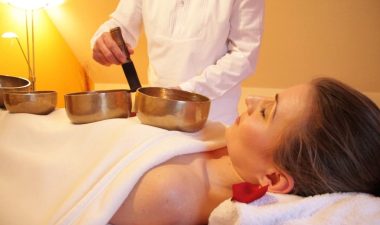
A great Nairobi Spa day shouldn’t feel like a gamble. Whether you’re trying to calm stress, ease back pain, loosen tight shoulders, recover from travel fatigue, or finally make time for self-care, the right session can leave you lighter and clearer.
This guide sets simple expectations for what “good” looks like, from a clean, quiet room and respectful draping, to a therapist who checks your pressure and listens. You’ll learn how to choose the right massage style for your goal, what to ask before you book, and small tips that help you get more from the hour.
If you also want a neighborhood-specific starting point, the Massage in Kilimani guide breaks down common styles and what to watch for when booking nearby. For a quick refresher on options like Swedish, deep tissue, hot stone, and aromatherapy, the Nairobi massage types guide keeps it clear and beginner-friendly.
What to expect at a Nairobi Spa, from check in to the last cup of tea
A good Nairobi Spa visit has a simple rhythm. You arrive, settle in, share what you need, then let the therapist do their work. Afterward, you get a few quiet minutes to land back in your body before you head out.
Plan to arrive about 10 to 15 minutes early so you are not rushing. At reception, you will usually do a quick intake form, basic details, any allergies, and health notes. This is also where you confirm your session length, the massage type, and payment.
Before you go into the room, look for the basics of a professional setup: clean floors, fresh-smelling towels (not perfumed), and staff who wash their hands. In the treatment room, you should see fresh linens, a covered table, and oils or lotion that look clean and well-kept. If anything feels off, you can pause and ask questions. You are paying for care, not awkwardness.
People who come often already know this, but it helps to say it out loud: the best massages are a team effort. Clear requests help your therapist hit the target faster, and small check-ins keep you comfortable the whole time. If you want a quick refresher on common options before you arrive, the Nairobi massage services overview is a helpful scan.
The consultation: how to talk about pain, stress, and pressure without overthinking it
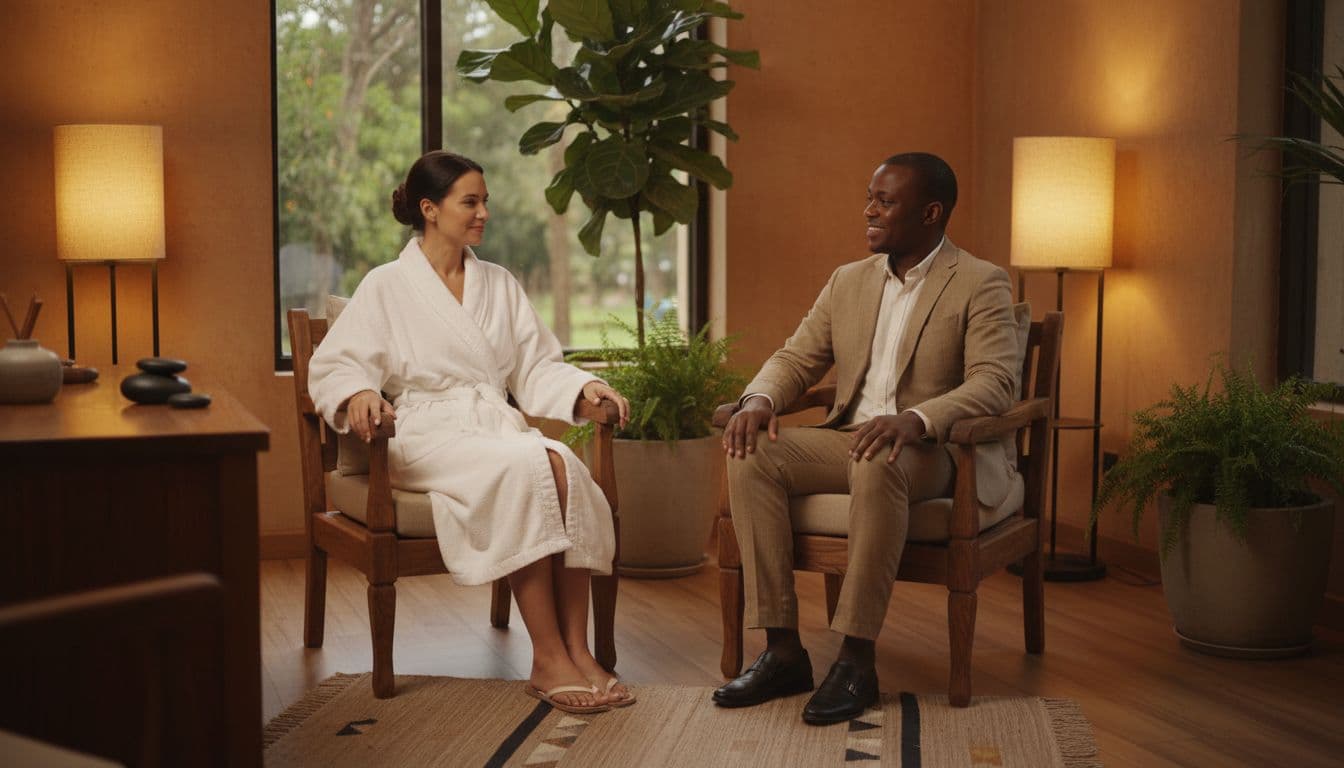
The consultation is short, but it sets the tone. Think of it like giving a map. You are not expected to know anatomy, you just describe what life feels like in your body right now.
Start with your goal, then name your top problem areas. You can use simple, everyday phrases like these:
- Pressure: “Light pressure, please.” “Medium pressure.” “Firm, but not painful.”
- Focus areas: “Focus on neck and shoulders.” “Please spend extra time on my upper back.” “My calves are tight from walking.”
- Areas to avoid: “Avoid my lower back.” “Please don’t work on my left knee.” “No abdominal work.”
- Pain style: “It’s a dull ache.” “Sharp pain if I turn my head.” “It feels like a knot under my shoulder blade.”
- Sensitivity and comfort: “I get cold easily, can I have an extra blanket?” “I am sensitive to strong scents.” “Please keep conversation minimal so I can switch off.”
If you sit at a desk all day, try: “My shoulders roll forward, and I get tension headaches.” If you train often, try: “My hamstrings and hip flexors feel tight after workouts.” Those details help the therapist choose techniques that match your reality.
Be direct about health issues, even if they feel personal. A professional therapist hears this every day, and it changes how they work. Mention:
- Injuries or recent pain (sprains, strains, nerve pain, sciatica symptoms, limited range of motion)
- Pregnancy (ask for prenatal-trained care, and share how far along you are)
- High blood pressure (especially if it’s not well controlled)
- Medications that affect bleeding or bruising, or a tendency to bruise easily
- Skin issues (rashes, eczema flare-ups, open cuts, infections)
If you have a new injury, fever, chest pain, unexplained swelling, numbness, or you are unsure about safety in pregnancy, ask a doctor first. A massage should never feel like a risk you are taking.
First-timer tip: if you do not know what pressure you like, say that. “I’m new, please start gentle and we can build up” gives the therapist permission to pace it well.
During the massage: comfort, consent, and small adjustments that make a big difference
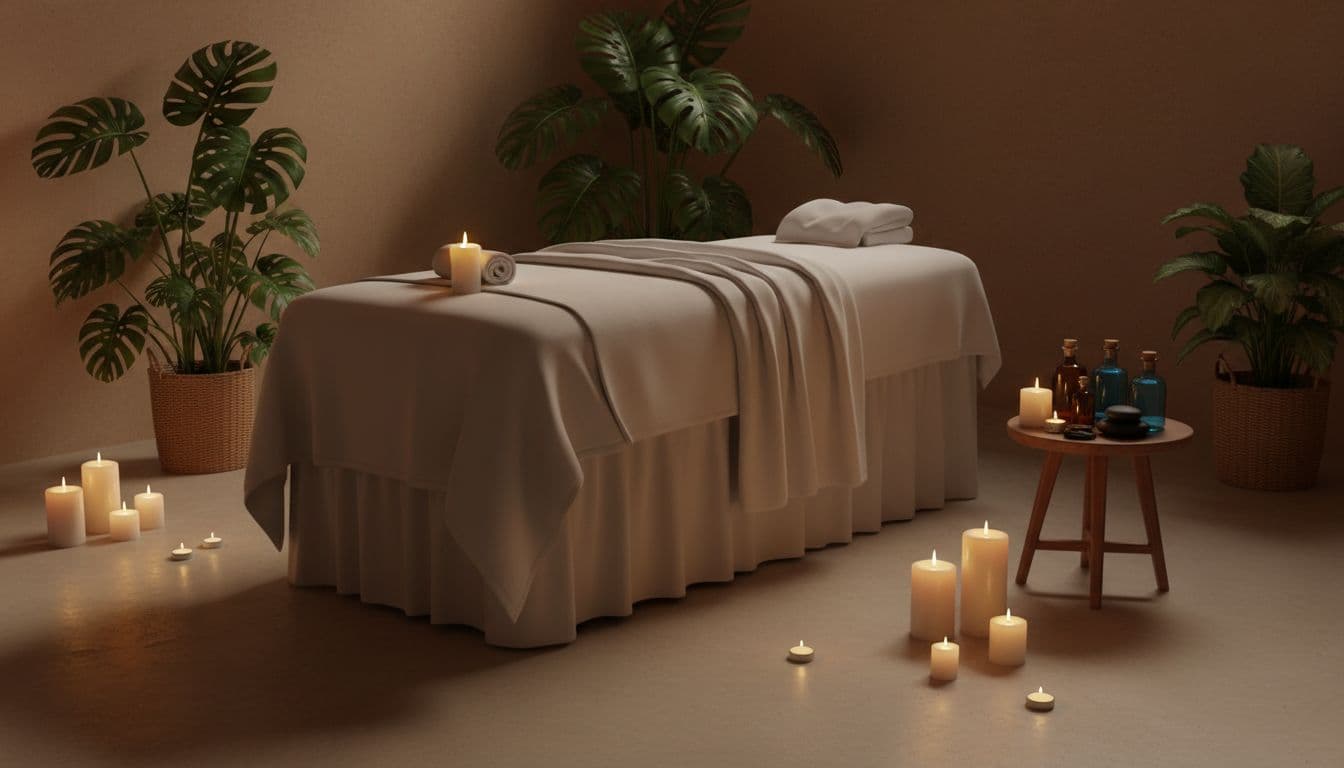
Once you enter the room, the therapist should explain how to get on the table and step out while you undress to your comfort level. You will be draped with a sheet or towel, and only the area being worked on should be uncovered. That is a key marker of professionalism.
Comfort matters more than people admit. Small tweaks can turn an okay massage into one that actually resets your body. It is normal to ask for changes like:
- “Could you use a bit less pressure on that spot?”
- “More pressure on my upper traps, please.”
- “Can you adjust the face cradle? My neck feels bent.”
- “My hands are tingling, can I change arm position?”
- “Can I have more blanket? I’m getting cold.”
- “Could you lower the music a little?”
- “Please avoid heavy oil, it feels slippery on my skin.”
Consent is not a big dramatic moment, it is a steady pattern. A good therapist checks in, watches your breathing, and responds when you speak up. On your side, you can also set boundaries clearly and calmly. For example: “Please keep the towel higher,” or “No glute work today.”
Hygiene basics should be visible, not guessed. Expect clean linens, freshly washed hands, and a room that looks cared for. Oils should be from clean containers, not mystery bottles. If something looks unhygienic, you can stop and ask them to replace it.
If anything feels wrong, act early. Sharp pain, burning sensations, dizziness, or numbness should not be pushed through. Say: “Stop, that hurts,” then ask to reduce pressure or move on. You can also end the session if you feel unsafe or disrespected. Professional behavior includes respectful language, proper draping, and zero sexual comments or flirting, from either side.
If you booked a deeper session, remember that strong does not mean rough. Deep work should feel like pressure and release, not like you are bracing for impact. If you are considering that style for stubborn knots, this guide on deep tissue massage in Kilimani Nairobi explains what “firm but safe” should feel like.
After the session: soreness, water, stretching, and how to make results last
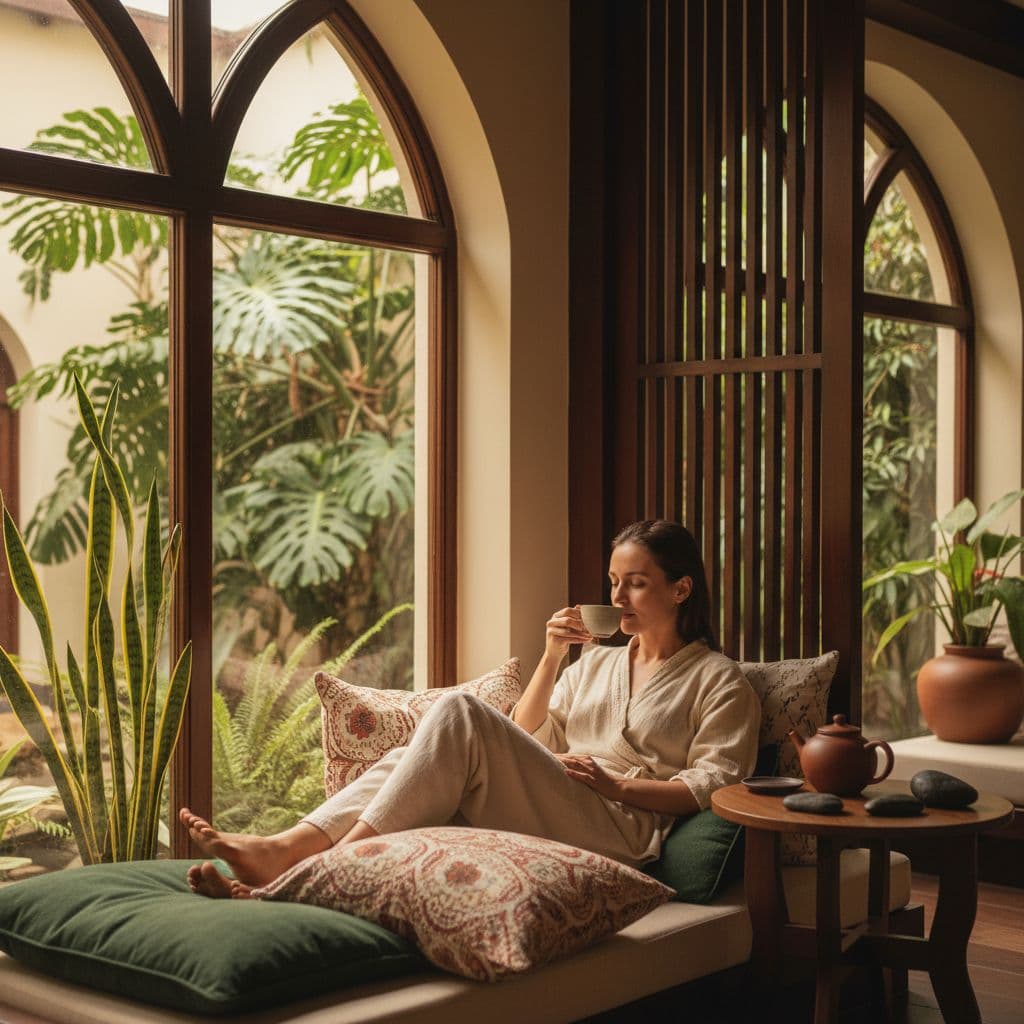
After the massage, give yourself a minute before you jump up. Many spas offer water or tea, and that quiet pause helps your nervous system stay calm. You might feel floaty, sleepy, or very thirsty. That is normal.
Mild soreness can also happen, especially after deeper work or if you have not had a session in a while. Think of it like the after-feel of a good stretch class. What helps most is simple aftercare:
Drink water over the next few hours, then eat something light when you get hungry. If a spot feels tender, choose heat for stiffness and tightness (a warm shower works), and choose ice if you feel sharp soreness or inflammation after intense work. Keep it short either way, about 10 to 15 minutes at a time.
Gentle stretches make results last because they teach your muscles a new resting length. Try these easy options later that day:
- Neck reset: Slowly tilt your ear toward your shoulder, then switch sides.
- Doorway chest stretch: Forearm on a door frame, step through to open the chest.
- Hip flexor stretch: One knee down, gentle lunge, keep ribs stacked over hips.
- Calf stretch: Heel down, lean into a wall, slow breath.
For desk workers, the biggest win is changing your next day, not just your hour on the table. Set a timer and stand up every 45 to 60 minutes, even if it is just a short walk and two shoulder rolls. For gym-goers, avoid a max-effort lift right after a deep session. Instead, do light movement, easy cardio, or mobility work.
Call the spa or a clinician if soreness feels wrong. These are red flags: worsening pain over 48 hours, new numbness, severe headache, bruising that spreads fast, or dizziness that does not pass.
To make the benefits stick, treat the rest of your day like a soft landing. A massage opens the door, but your habits decide how long it stays open.
Quick screenshot checklist (before you leave home):
- Arrive 10 to 15 minutes early, so you can breathe.
- Mention injuries, pregnancy, blood pressure, allergies, and scent sensitivity.
- Choose a clear pressure level (light, medium, firm but not painful).
- Confirm areas to focus on and areas to avoid.
- Speak up during the session (pressure, temperature, music, face cradle).
- Afterward, drink water, move gently, and avoid heavy training for a few hours.
Choose the right massage in Nairobi based on what your body needs
Picking a massage at a Nairobi Spa gets easy when you start with one question: do you need your nervous system to calm down, or do you need muscles to change? Relaxation styles (like Swedish, relaxing massage, and aromatherapy) feel like a slow exhale. Muscle-focused styles (like deep tissue) feel more targeted, like ironing out a stubborn crease. Heat-based options (like hot stone) sit in the middle, because warmth does part of the work.
Before you book, take 20 seconds and do a quick body scan. Is your jaw clenched, sleep messy, and thoughts racing? Or is it more physical, like a tight neck, sore calves, and knots you can point to? The answer usually tells you which session will feel worth the money.
Also, match the style to the time you have:
- 60 minutes works when you want a full-body reset with light to medium pressure, or when you only need one problem area (for example, upper back and shoulders).
- 90 minutes is better when you want full-body work and focused time on stubborn spots (hips, lower back, calves), or when you want deeper pressure without feeling rushed.
Add-ons can help, but only if they match your goal. A scalp massage often improves relaxation fast. A body scrub is great when you want softer skin and a “fresh start” feeling, not when you want deep muscle repair. If cupping is offered, treat it like targeted muscle work, ask about marks, intensity, and aftercare.
Swedish vs deep tissue: the easiest way to pick without guessing
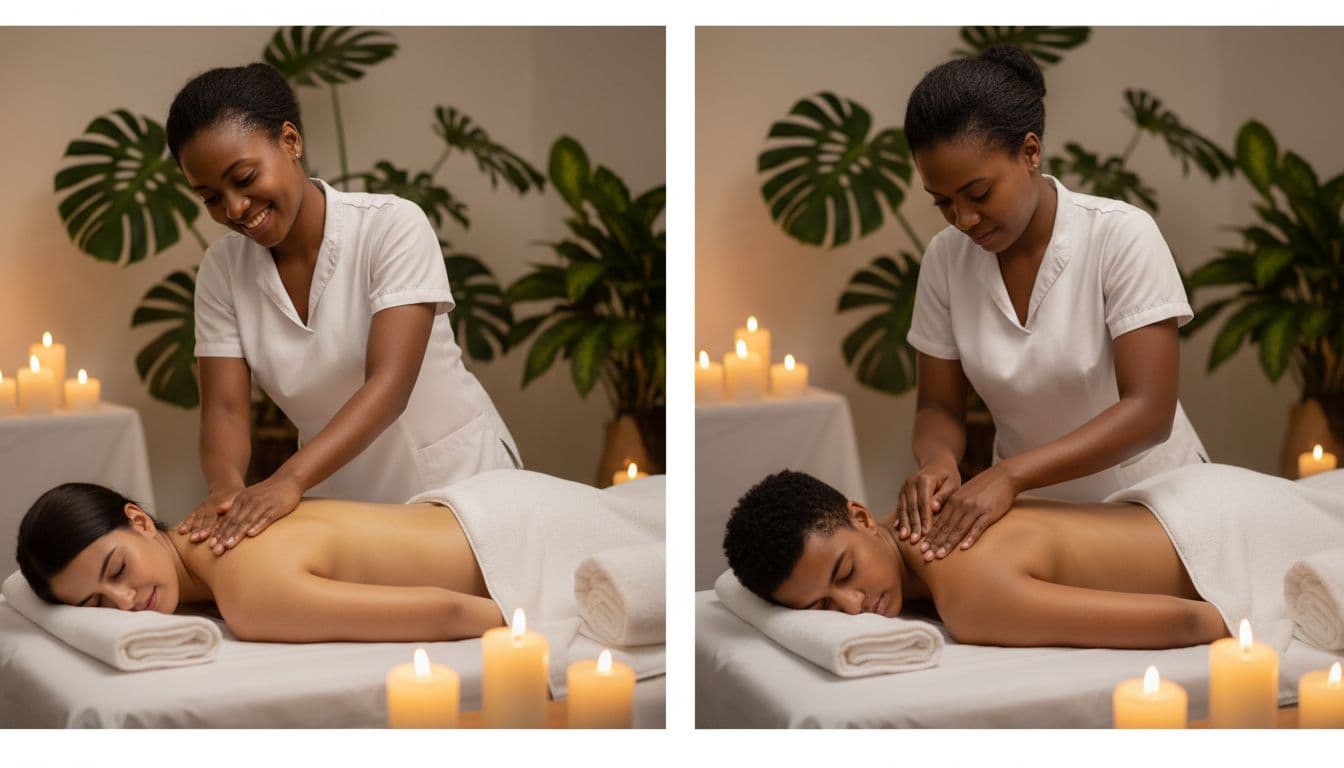
If you are torn between Swedish and deep tissue, don’t overthink it. Swedish (and most “relaxing massage” menus) works when you want your body to soften and your mind to slow down. Deep tissue works when you want to change a specific tight pattern, like shoulder knots from desk work or a stiff back after travel or training.
Here’s a simple comparison that makes the choice clear:
| Category | Swedish (often called relaxing massage) | Deep tissue |
|---|---|---|
| Pressure | Light to medium | Medium-firm to firm (but adjustable) |
| Pace | Smooth, flowing, rhythmic | Slower, more focused, more pauses on tight spots |
| Main goal | Calm the nervous system, improve general comfort | Release stubborn tension, improve mobility, reduce “stuck” knots |
| Best for | Stress, poor sleep, first-timers, gentle full-body relief | Persistent tightness, limited range of motion, targeted muscle work |
What it feels like in real life: Swedish can feel like warm waves. You breathe deeper without trying, and your shoulders drop. Deep tissue feels more like careful pressure and release, sometimes intense, but controlled.
A key safety note: deep tissue should not feel like pain you must endure. You shouldn’t hold your breath, clench your fists, or feel like you are “surviving” the session. Good deep work feels strong, specific, and steady. It can be tender, yet it stays within a safe range.
Here are simple requests that usually get you the right result:
- For Swedish or relaxing massage: “Medium pressure, slow pace, full-body, and please spend extra time on neck and shoulders.”
- For deep tissue: “Firm pressure, but keep it controlled. Please avoid sharp pain. Focus on upper back, glutes, and calves.”
- If you bruise easily: “No elbows, and please work gradually.”
- If you want a mix: “Relaxing full-body, then deeper work on two areas only.” (This hybrid is often the best value.)
60 vs 90 minutes for these styles:
Choose 60 minutes for Swedish when you just need to decompress. Choose 90 minutes if you want full-body Swedish plus focused time on one or two problem areas. For deep tissue, 90 minutes often feels better because it reduces the urge to “rush and crush” tight muscles.
Add-ons that pair well: a short scalp massage fits perfectly with Swedish or relaxing massage. If a spa offers cupping, consider it only when your goal is muscle work, and ask how strong it will feel and whether marks are expected.
Aromatherapy and calming options for stress, sleep, and burnout
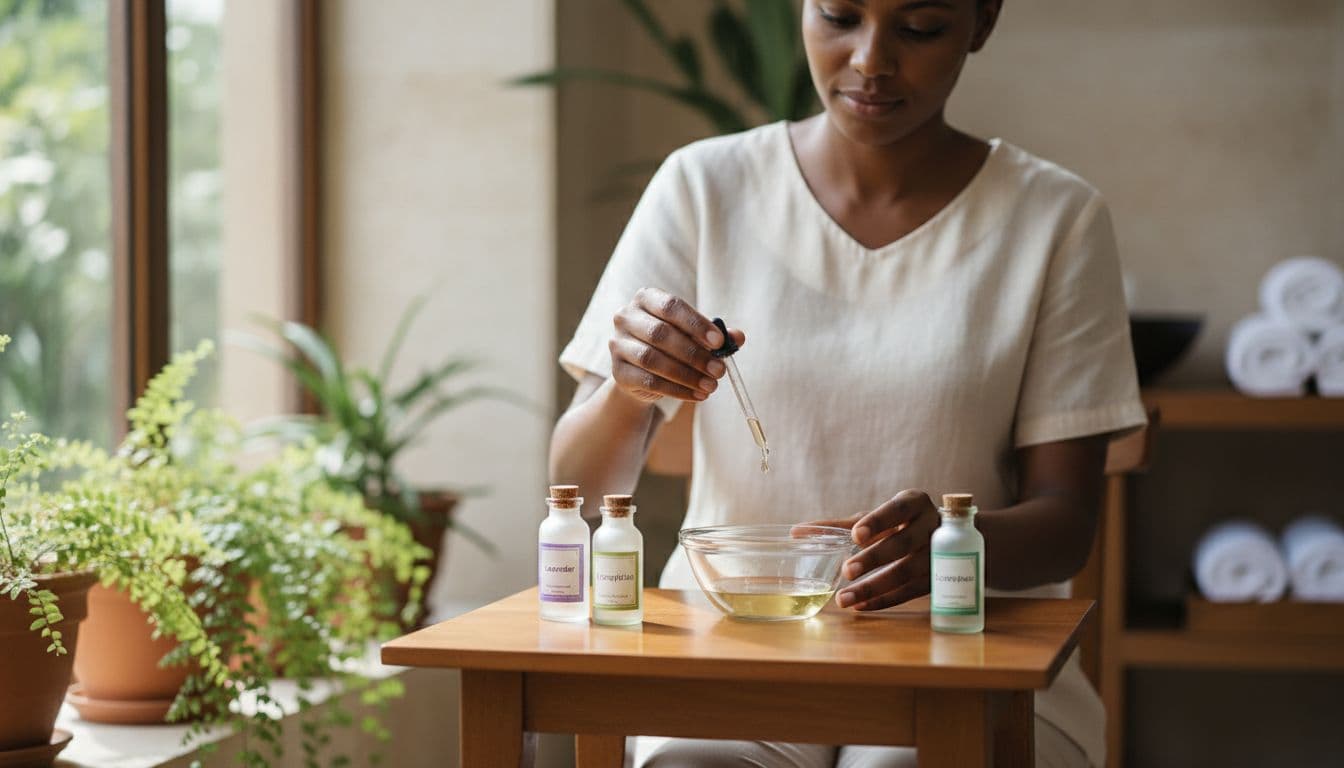
When stress sits in your body like a constant hum, aromatherapy can help you switch gears faster. The massage itself often feels similar to a relaxing Swedish session, but the scent adds a mood cue. It’s like turning down the lights in your nervous system.
Most Nairobi Spa aromatherapy sessions use essential oils diluted in a carrier oil. What you choose should match how you want to feel afterward:
- For stress and sleep: lavender, chamomile, frankincense, or gentle blends that feel soft and settling.
- For a clear head (daytime): eucalyptus, peppermint (used lightly), or citrus blends that feel fresh.
- For “I’m tired but wired”: ask for a calmer scent at lower strength, so it relaxes you without feeling heavy.
Scent is personal. If you hate floral smells, say so. If strong fragrance triggers headaches, say so early, not halfway through the session.
Allergies and sensitivities matter here, more than most people realize. Mention any of the following before the oil goes on your skin:
- asthma or scent-triggered headaches
- eczema or very sensitive skin
- pregnancy (some oils are avoided, and dilution should be extra cautious)
- a history of reactions to perfumes or fragranced lotions
You can also keep it simple and ask for unscented oil. A professional therapist won’t take it personally. Try: “I’m sensitive to fragrance, please use unscented oil only.”
For a deeper read on what oils are common and how to stay safe, this guide on aromatherapy massage Nairobi benefits breaks it down clearly.
What to ask for (so it actually helps):
- “Please keep the room quiet, and keep pressure light to medium.”
- “Use a low-scent blend, and avoid my face and neck if needed.”
- “Focus on slow strokes, shoulders, jaw, and scalp.” (Great for burnout.)
A short stress reset plan (before and after your session):
- Breathe on purpose for 60 seconds before the massage starts, slow inhale through the nose, longer exhale through the mouth.
- Switch your phone off (not silent). Your nervous system relaxes faster when it stops waiting for notifications.
- Drink water, then keep the evening soft. After, choose a simple meal and aim for an early bedtime. Aromatherapy works best when you don’t jump straight back into chaos.
If you want the calm of aromatherapy without any scent, book a relaxing massage and request: quiet room, slow pace, medium-light pressure, extra scalp time. You’ll get a similar “reset” feeling, just without essential oils.
Hot stone and heat based comfort for tight muscles
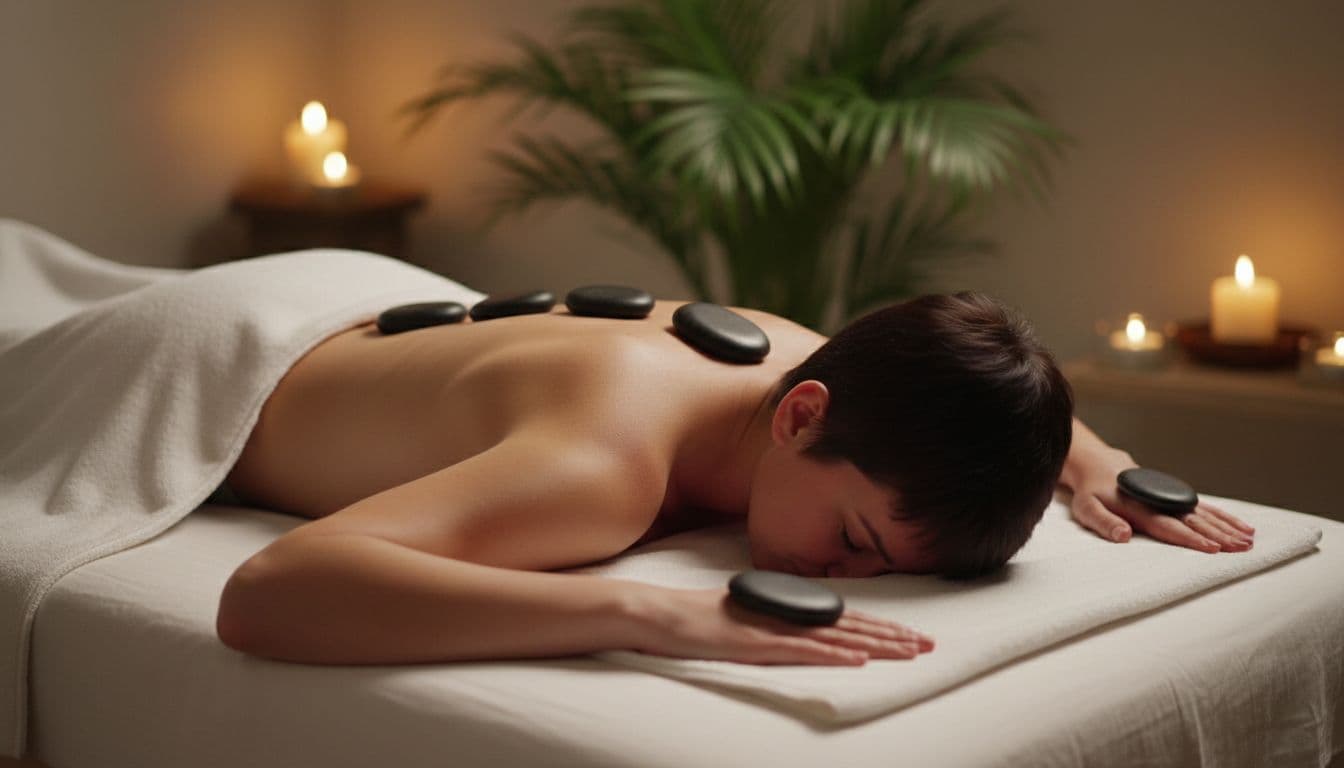
Hot stone massage is for the days when your body feels guarded, like muscles are bracing without your permission. Heat helps because it encourages tissue to soften, so the therapist can work with less force while still reaching stubborn tightness. Many people also find it easier to relax when warmth is involved, especially if they get cold easily on the table.
Here’s how stones are usually used in a session:
- The therapist places smooth heated stones on key areas, often the back, shoulders, or sometimes palms.
- Stones can also be used as an extension of the hands, gliding slowly with oil.
- The therapist may alternate between stone work and hand techniques, depending on what your body responds to.
What it feels like: think “warm, heavy blanket” rather than “burning heat.” The stones should feel comfortably hot, and you should be able to relax your breath. If you feel like pulling away, it’s too hot.
Heat based sessions can be a great choice when you want relaxation and muscle relief, but you don’t want intense pressure. If you want more detail on what to expect, this overview of hot stone massage Nairobi explains the basics and common benefits.
Safety comes first with heat. Avoid high heat (or ask for a gentler option) if you have:
- heat sensitivity or trouble regulating temperature
- reduced sensation (for example, neuropathy)
- uncontrolled high blood pressure or certain heart conditions (ask your clinician if you are unsure)
- inflamed skin, fresh sunburn, open cuts, or active rashes
- fever or illness, because heat can add stress to the body
If any of this applies, don’t guess. Tell the therapist and ask for alternatives, like Swedish, relaxing massage, or targeted work without heat.
What to ask for during booking:
- “Please keep stone heat moderate, and check in often.”
- “I want heat for relaxation, but keep pressure light to medium.”
- “Spend extra time on my upper back and calves.” (Heat often helps these areas release faster.)
60 vs 90 minutes: 60 minutes can feel great when your goal is general comfort. Choose 90 minutes when you want time for both stones and careful work on two or three tight zones.
Foot focused care and reflexology for people who stand, walk, or commute a lot
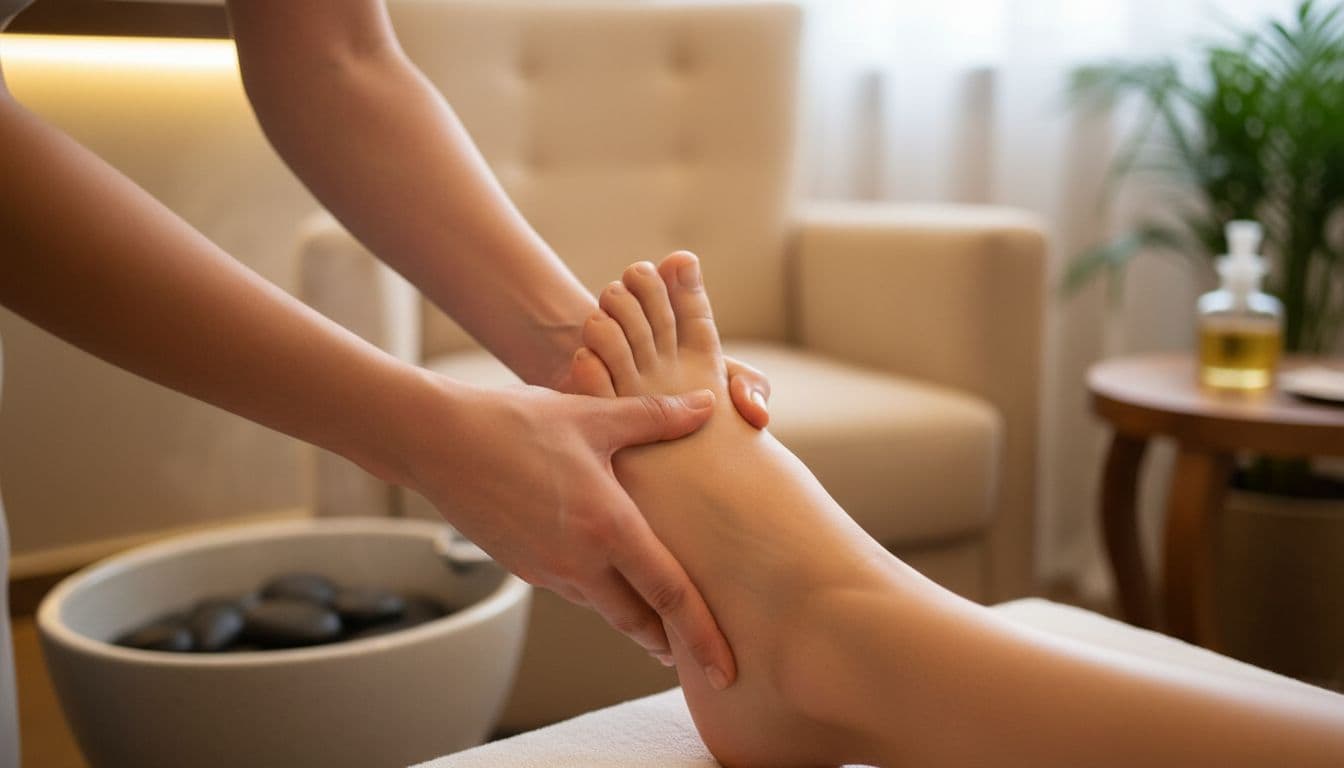
Feet take a daily beating in Nairobi. Standing all day, long walks, gym training, and traffic-heavy commutes can leave your arches sore and your calves tight. Foot-focused care (including reflexology) helps because it works on the foundation. When feet relax, ankles move better, and calves stop pulling like overstretched ropes.
A typical foot session often includes:
- a quick check-in about where you feel pain (heel, arch, toes, ankles, calves)
- a warm cleanse or soak in some spas, then towel dry
- oil or balm, then massage across the sole, heel, toes, and top of the foot
- pressure points (reflexology style) combined with calf and shin work
- gentle stretching of toes and ankle circles to finish
What it feels like: parts can feel deeply satisfying, and some points may feel sharp or tender for a moment. Still, it should stay tolerable. Reflexology isn’t meant to be a pain test. If you’re tensing your whole body, ask them to reduce pressure.
This is a smart option if you:
- stand or walk for hours (retail, hospitality, events, healthcare)
- get tight calves or foot cramps
- feel swelling after long days
- want something effective, even when you don’t have time for a full-body session
What to ask for (so it helps beyond the feet):
- “Please include calves and shins, my feet get tired from walking.”
- “Focus on arches and heels, but keep pressure moderate.”
- “Finish with ankle mobility and gentle stretching.”
Session length tips: If you want quick relief, 30 to 45 minutes can work well. Choose 60 minutes when you want calves included, or when your whole lower leg feels heavy.
Simple home care that keeps results longer (no fancy gear):
- Warm soak (10 minutes): warm water, then dry well between toes.
- Tennis ball roll (2 minutes per foot): slow pressure under the arch, pause on tender spots, then breathe until it softens.
- Supportive shoes: rotate pairs, avoid dead soles, and use simple arch support if you know you need it.
If you have diabetes, poor circulation, nerve issues, or unexplained swelling, ask a clinician before deep foot work. Also tell your therapist so they keep pressure safe.
If you want a bigger reset without a full-body massage, a good combo is relaxing massage plus focused foot work, especially in a 90-minute session. Ask for: 60 minutes full-body relaxation, then 30 minutes feet and calves. It’s one of those plans that feels like you got your week back.
How to pick a Nairobi Spa you can trust, even if you are new in town
When you are new in Nairobi, choosing a Nairobi Spa can feel like picking a restaurant in a new city. Some places look great online, yet the real experience tells a different story. The good news is you can screen most spas before you ever step inside.
Start with a simple mindset: you are not just buying a massage, you are buying cleanliness, safety, and clear boundaries. A trustworthy spa welcomes questions, answers them in plain language, and never makes you feel rushed. If you are a tourist or a business traveler, this matters even more because jet lag, tight schedules, and unfamiliar neighborhoods can turn small surprises into big stress.
Location also plays a quiet role in trust. Many visitors prefer areas like Westlands, Karen, Gigiri, or Lavington because they tend to have better security and more established hospitality options. Still, a great spa can exist outside those spots, so use the framework below and judge what you can verify.
Questions to ask before you book, so there are no surprises

A quick call or WhatsApp chat can save you from a session that feels awkward, rushed, or overpriced. Keep your questions short. Listen for direct answers, not vague replies.
Here are booking questions that work well, plus what good answers usually sound like:
- “How long is the session, and is that hands-on time?”
Good answer: “It’s 60 minutes hands-on. Please arrive 10 minutes early for check-in.”
Watch for: “It’s one hour,” with no clarity on whether that includes changing time. - “What’s included in that service?”
Good answer: “Full-body massage, consultation, fresh towels and linens, and a short wind-down after.”
Watch for: unclear inclusions, or add-ons quietly treated as mandatory. - “Can I request a male or female therapist?”
Good answer: “Yes, you can request. We’ll confirm availability when you book.”
Watch for: dismissive language or jokes. Your preference is normal. - “How do you handle privacy and room setup?”
Good answer: “Private room, therapist steps out while you change, and we use proper draping at all times.”
Watch for: anything casual about draping or shared spaces without clear consent. - “What’s your late policy?”
Good answer: “We can extend only if the next slot is free. Otherwise, we still end on time.”
Why it’s fair: it protects both you and the next client. - “What’s your cancellation or reschedule policy?”
Good answer: “Please give notice (for example, several hours ahead) to avoid a fee.”
Watch for: surprise full charges without explaining the cutoff time. - “How do you take payment?”
Good answer: “M-Pesa and card are accepted (and cash if you prefer). We’ll confirm total before you arrive.”
Watch for: only cash, no receipt option, or reluctance to share the total upfront. - “Do you have parking and security?”
Good answer: “Yes, there’s secure parking, and we’ll share directions or a landmark.”
For travelers: ask if ride-hailing drop-off is easy and well-lit.
If you are booking for pain, pregnancy, or a medical issue, add one more: “Do you have therapists trained for my situation?” A professional spa will either confirm their experience or recommend a safer option.
A trustworthy spa answers in writing on WhatsApp when asked, especially on timing, inclusions, and policies. That little paper trail reduces misunderstandings.
Tourist and business traveler tip: book your massage when you can actually enjoy it. If you have a flight, avoid scheduling deep work right before travel. Light to medium pressure often feels best when you are dealing with jet lag and stiff joints.
Green flags and red flags: a quick way to judge professionalism
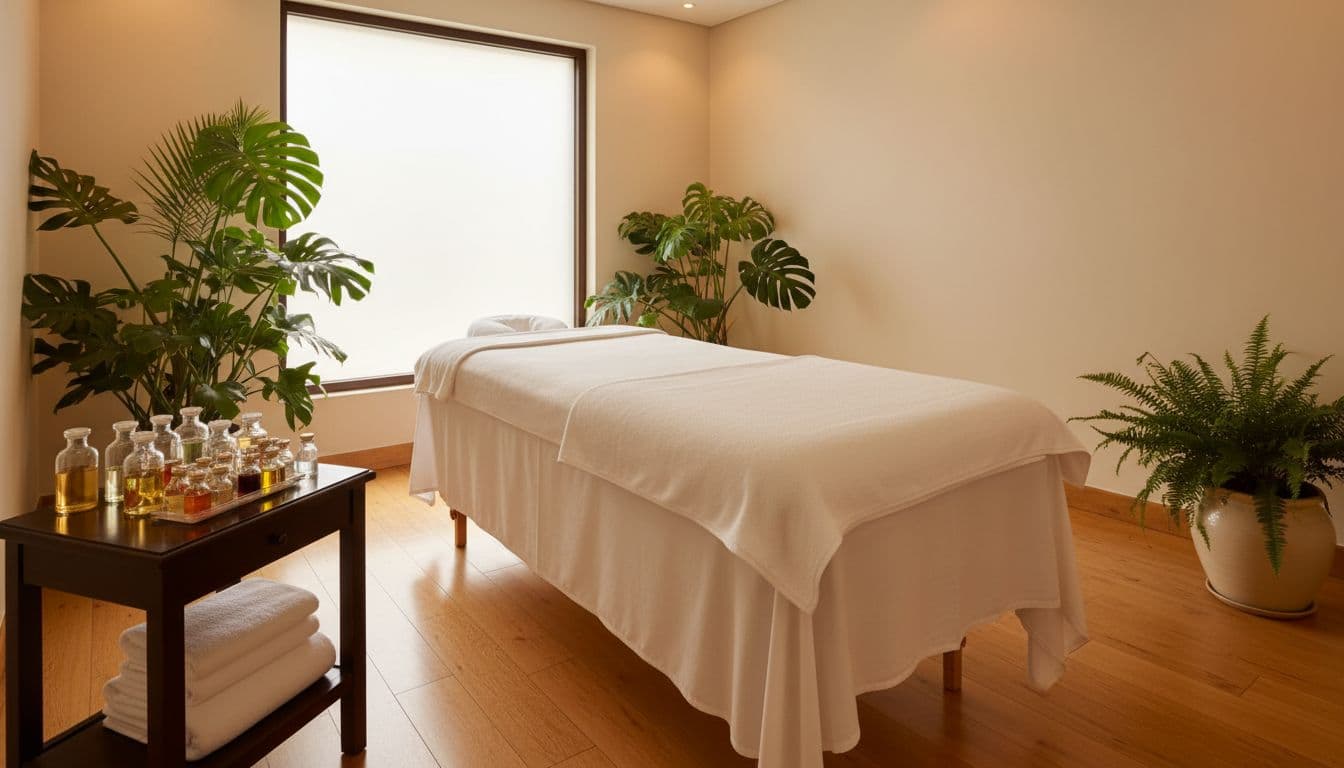
You can often tell within five minutes if a Nairobi Spa takes standards seriously. Think of it like boarding a plane, you relax more when the crew looks prepared.
Green flags that usually mean you are in good hands:
- Clean towels and fresh linens you can see and smell. The room should feel cared for, not improvised.
- Clear check-in questions about pressure, injuries, pregnancy, and scent sensitivity. This is care, not interrogation.
- Therapist checks in during the session, especially early: pressure, temperature, music volume, and comfort.
- Private changing (or clear instructions), with the therapist stepping out while you get on the table.
- Respectful communication, calm tone, and professional language from reception to therapist.
- Clear boundaries and draping, with only the area being worked on uncovered.
- Simple professionalism: clean hands, trimmed nails, tidy uniform or neat appearance, and minimal distractions.
Also pay attention to how they handle money. A professional spa confirms your service, timing, and total cost before the massage starts. That’s a quiet sign of respect.
Now for red flags, stated plainly. Any one of these can be enough to walk away:
- Unclear pricing, changing totals, or surprise “extras” you never agreed to.
- Pushy upselling, especially mid-session, or pressure to buy products to “fix” you.
- Poor hygiene, such as stained linens, reused towels, bad smells, or messy tools.
- No intake questions at all, even when you mention pain, pregnancy, injuries, or allergies.
- Boundary issues, including suggestive comments, flirting, or sloppy draping.
- Rushed feel, where they cut time without acknowledging it, or start late and still end early.
- Location that doesn’t feel safe, especially at night, with unclear directions, poor lighting, or no security.
If something feels off, trust that feeling early. You don’t need a “better reason” to stop. A good line that stays calm is: “I’m not comfortable, I’d like to end the session now.”
For travelers choosing between a hotel spa and a standalone spa, here’s a simple rule. Hotel spas often win on security, consistency, and facilities. Standalone spas can still be excellent, but you should screen them harder on hygiene, therapist training, and policies.
Simple ways to save money without ruining the experience
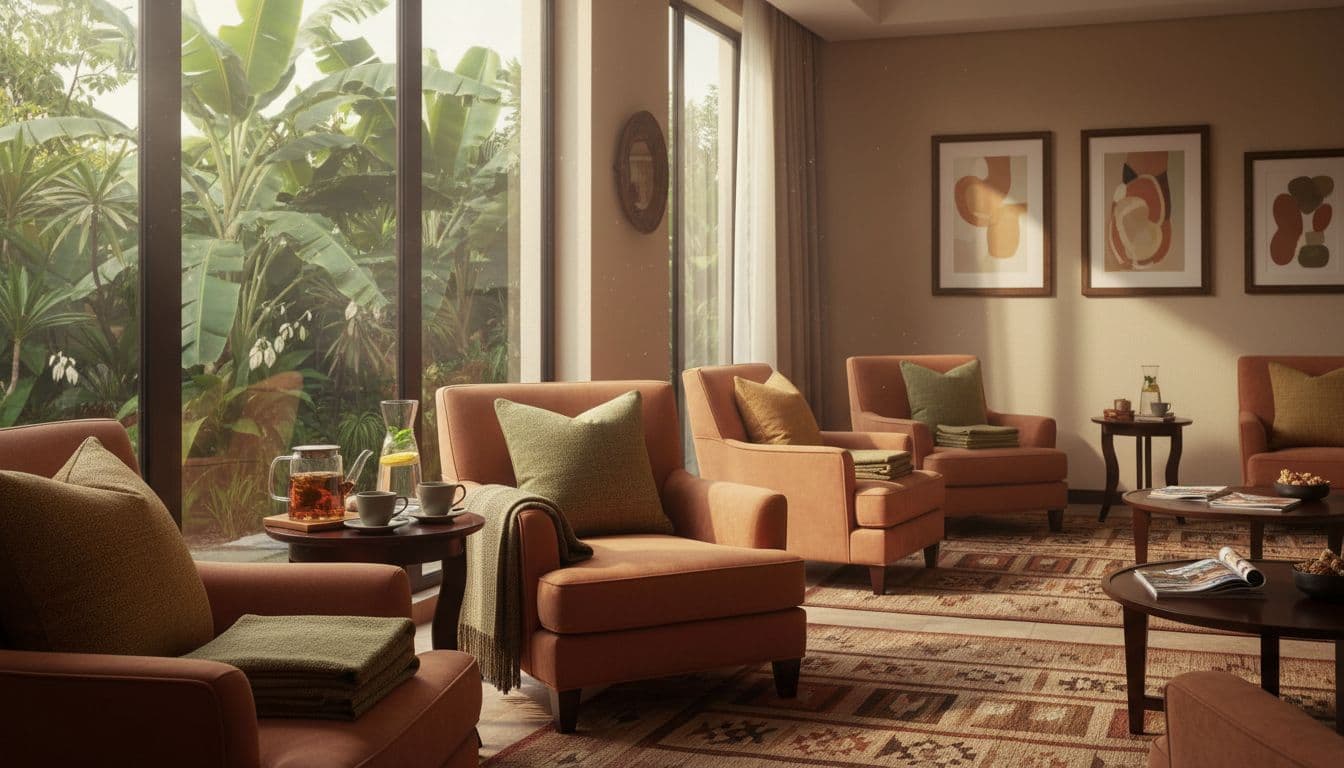
Saving money should not mean tolerating poor hygiene or weak boundaries. The goal is to pay less while keeping the experience solid. Start by adjusting when and how you book, not by gambling on a questionable place.
Try these practical moves:
- Go off-peak when you can. Weekday mornings and early afternoons often feel quieter. You may also get more attention because the schedule is less packed.
- Book on weekdays instead of weekends. Besides possible offers, weekday sessions tend to feel calmer. Less rushing usually means better work.
- Use packages only if you’re consistent. If you plan to go monthly, ask about multi-session bundles. Don’t buy a package you won’t use.
- Choose a shorter session on purpose. If your budget is tight, book a focused session (for example, neck, shoulders, and upper back). A well-aimed shorter massage beats a rushed full-body session.
- Skip add-ons you don’t enjoy. If you don’t care about scrubs, strong scents, or extra heat, don’t pay for them. Keep the session simple and ask for better technique instead.
- Mix “maintenance” and “reset” visits. Use most visits for medium pressure, relaxation, and basic muscle care. Then do a longer session when travel, training, or stress stacks up.
- Ask what’s included before you upgrade. Some spas bundle steam or lounge access, others charge separately. Knowing this upfront prevents surprise spending.
One more money saver that also improves results: book the right pressure for your day. After long flights or a packed work week, many people chase deep tissue and end up sore. A lighter, slower session can feel better, and you won’t feel tempted to add extra time to “fix” the soreness later.
The best value isn’t the cheapest massage. It’s the session that matches your body, stays professional, and leaves you feeling better for days.
Make your Nairobi Spa day feel amazing: a mini plan for before, during, and after
A great Nairobi Spa session starts long before you get on the table. The small choices you make, what you eat, how you arrive, how you breathe, and how you plan your evening, all shape your results.
Think of it like charging your phone. If you plug it in for five minutes, you get a little boost. If you charge it properly, you get a full day of power. Use this simple mini plan to make your massage feel deeper, calmer, and longer-lasting.
Before you go: prep your body and your schedule for better results
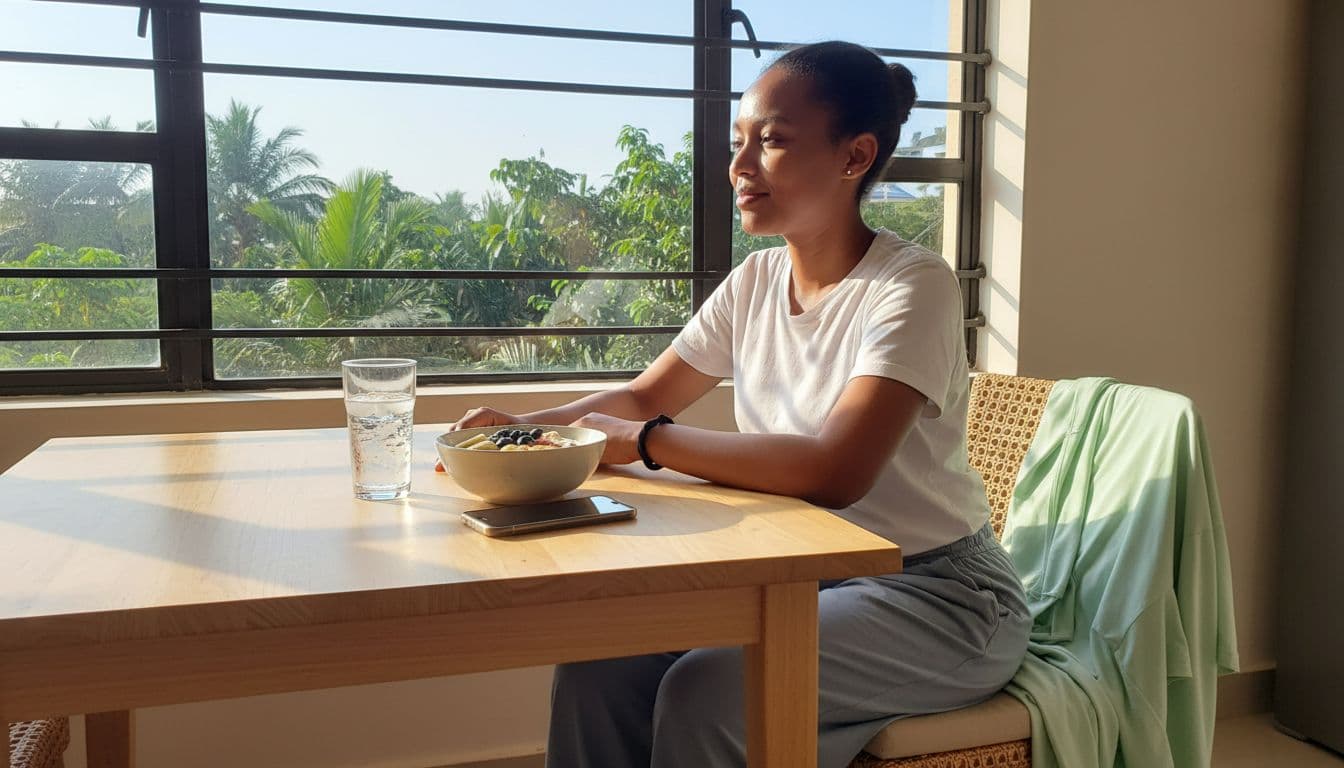
Your goal is simple: show up comfortable, clean, and not rushed. When your body feels safe and steady, it lets go faster.
Start with hydration. Drink water earlier in the day, not all at once right before you leave. If you arrive slightly dehydrated, muscles tend to feel more tender, and you may tense without meaning to. On the other hand, avoid chugging a full bottle in the last 10 minutes unless you love bathroom breaks mid-session.
Next, keep food light. A heavy meal sits in your stomach like a stone, especially when you lie face down. Aim for a small meal 1 to 2 hours before your appointment. Here are easy choices that feel good during a massage:
- Protein plus a little carbs: yogurt with fruit, eggs with toast, or a small chicken wrap.
- Simple and soothing: bananas, oatmeal, or soup with bread.
- If you are in a hurry: a handful of nuts and a piece of fruit.
Alcohol is the big one to skip. Even one drink can dehydrate you, change your blood pressure response, and make you feel dizzy or extra sore later. Save it for another day.
If you can, take a quick shower before you go. You will feel fresher, and warm water also loosens tight muscles. Keep it simple, rinse off sweat, skip heavy perfume or strong lotion, and avoid wearing jewelry that you will need to remove in a rush.
Wear clothes that are easy to change in and out of. Loose pants, a soft t-shirt, and slip-on shoes remove friction from your day. Besides, after a massage, tight jeans can feel like a seatbelt on relaxed muscles.
Bring a few small items so you can stay comfortable without overthinking it:
- Water (especially if you are heading back into traffic after)
- Hair tie or clip if you have long hair (face cradle plus loose hair gets annoying)
- A light layer like a hoodie, because post-massage chill is real
- Cash or M-Pesa ready, so checkout stays smooth and calm
Then protect your time. Arrive 10 to 15 minutes early for check-in, bathroom, and settling your breath. Many places still end your session on time if you arrive late, so being late often means you pay the same but get less hands-on time. That is an easy loss to avoid.
One last step that changes the whole experience: turn your phone off, not just silent. Your nervous system relaxes faster when it stops waiting for a buzz.
If you want your massage to feel like a reset, build a small buffer on both sides, even 20 minutes helps.
During your visit: small choices that help you relax faster
The first five minutes matter most. That is when your body decides if it can soften, or if it needs to stay on alert. Help it choose calm.
As you settle on the table, breathe slowly on purpose. Try this: inhale through your nose, then exhale a little longer than you inhaled. Do that for three rounds. It tells your body, “we’re safe,” and it often drops your shoulders right away.
Speak up early about pressure. Waiting until minute 40 turns the whole session into guesswork. Use clear, simple language:
- Too much: “Please go lighter, that feels sharp.”
- Too little: “You can go firmer, I like medium-firm.”
- Good but sensitive spot: “That area is tender, stay gentle there.”
Pressure should feel like productive work, not like you are bracing for impact. If you catch yourself holding your breath, clenching your jaw, or lifting your shoulders, that is a sign to adjust.
Also share comfort preferences. These details are not “high maintenance.” They are basic signals that help you drop into the massage faster:
- Music: “Can we lower it a little?” or “No music is okay.”
- Temperature: “I’m getting cold, can I have an extra blanket?”
- Scent: “Please use unscented oil, strong smells trigger headaches.”
If your mind keeps checking your to-do list, give it one job. Pick a simple focus, like counting breaths or noticing where the table supports your body. It is like guiding a restless child by holding their hand. Your mind settles when it has something gentle to do.
Finally, let the therapist know what you want from the vibe. Some days you want quiet. Other days, light conversation helps. You can set that tone in one sentence: “I’d love a quiet session today so I can switch off.”
If you are still deciding what to book next time, the Nairobi spa and massage guide is a helpful scan of common options and what they feel like.
Aftercare at home: keep the calm feeling through the next day
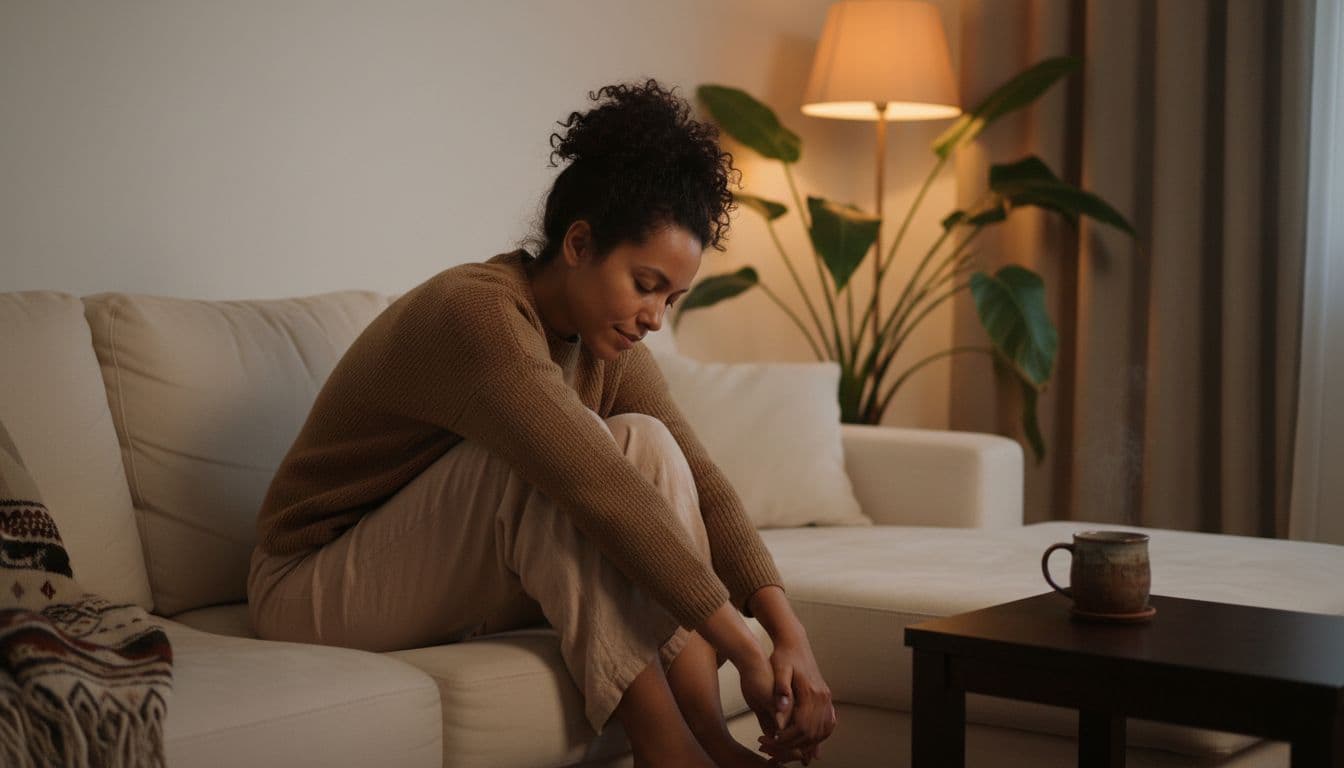
After a massage, your body is more open. That is good, but it also means your next few hours can either lock tension back in, or let the benefits stay.
First, keep the evening soft. Plan quiet time afterward, even if it is just a slower drive home and a calm meal. If you jump straight into errands, loud places, or heavy training, you often lose that calm feeling fast.
Use a simple night routine that takes less than 30 minutes:
- Warm shower for 5 to 10 minutes. Let the water do the work, no scrubbing like it is a workout.
- Gentle stretching for 3 to 5 minutes. Keep it easy, no deep forcing.
- Light dinner if you are hungry, think protein and veggies, or soup and bread.
- Early sleep if you can. Your body repairs best when you give it time.
For stretching, choose calm moves that feel like a slow exhale. A chest opener in a doorway, a gentle neck tilt, and a seated forward fold are enough. If you feel sore, keep the stretch lighter than you think you need.
The next day, add light movement. A 10 to 20 minute walk, easy mobility, or a few slow squats can help your body hold the changes. Avoid a max-effort gym session right after deep work. Give muscles a chance to adapt first.
If you want your Nairobi Spa visits to make steady progress, treat them like maintenance, not rescue. A simple rhythm that works for many people is every 2 to 4 weeks, depending on stress, training, and work posture. Book more often during high-stress months, then space it out when you feel stable.
Tracking results keeps you honest, and it helps you choose the right style next time. Use a quick note on your phone (after you turn it back on) and rate these three things from 1 to 10:
- Sleep quality (did you fall asleep faster, wake less?)
- Pain level (what changed, and where?)
- Mood and energy (calm, focused, irritable, heavy?)
After two or three visits, patterns show up. You will know what pressure works, what areas need time, and which sessions give you the longest carry-over. For your next booking, you can also scan the available treatments menu and pick a style that matches what your notes are telling you.
The best aftercare is boring on purpose: water, warmth, gentle movement, then sleep. That simple combo makes a good massage last longer.
Conclusion
A great Nairobi Spa experience is simple when you keep three things tight: match the massage to your goal, choose a professional place with clear boundaries, and follow basic aftercare so the results last. Also, with Nairobi’s wellness scene staying active (and busy around events like Nairobi Beauty Week), booking ahead and going mid-week can save you time and stress.
Now pick one goal (relaxation, pain relief, or better sleep), choose your session length, then write down two preferences to share at check-in (for example, “medium pressure” and “extra time on neck and shoulders”). Thanks for reading, what’s the one change you want to feel in your body by tomorrow?