Finding the right Massage Nairobi option can feel confusing at first. There are hotel spas, day spas, and small neighborhood studios, all offering different styles, prices, and vibes.
Most people book a massage for one of three reasons: stress relief, back and neck pain, or sports recovery. The good news is Nairobi has plenty of choices, from gentle Swedish and aromatherapy sessions to firmer deep tissue, sports massage, and even hot stone treatments.
This post breaks it down in plain terms so you can book with confidence. You’ll learn how to choose a massage type that fits your goal, how to pick a safe and professional place, what to expect during a session (pressure, privacy, and communication), and what prices usually look like across common time slots. It also covers simple booking tips, including what to ask before you pay and how to plan for busy hours.
What people mean when they search “Massage Nairobi”
When you type “Massage Nairobi”, you’re usually not searching for one exact treatment. You’re trying to match a need (relaxation, pain relief, recovery, or a treat) with a place that’s easy to reach and feels professional. In Nairobi, location matters because traffic can turn a simple appointment into a long trip, so many people choose a spa near work or home in areas like Kilimani, Karen, or Gigiri.
A quick way to think about it is this: spa-style relaxation is about switching your body into rest mode, while therapeutic massage is about fixing a specific problem area.
Relaxation vs. pain relief: how to tell what you need
Before you book, do a fast self-check. Your answers point to the right style and pressure.
Ask yourself:
- Where does it hurt (or feel tight)? Neck, shoulders, lower back, hips, feet?
- How long has it been there? Since yesterday, or for months?
- What’s your stress level this week? Calm, stretched, or running on fumes?
- How’s your sleep? Falling asleep late, waking up stiff, or sleeping fine but still tired?
- What makes it worse? Sitting, driving, workouts, or standing all day?
If your main goal is to unwind, start with gentle to medium pressure like Swedish or aromatherapy. That’s the massage equivalent of turning down the noise in your head, your breathing slows, and your muscles soften without a fight.
If you have a clear problem (a stubborn knot, gym soreness, ongoing neck or back tension), therapeutic work like deep tissue or sports massage can help, but it should still feel controlled and safe. A good rule is “strong, not sharp.” More pressure isn’t always better; too much can make you guard your muscles, feel bruised the next day, or flare up pain. If you’re wincing or holding your breath, ask to ease up.
Common reasons Nairobi locals and travelers book a massage
Most bookings in Nairobi fall into a few real-life scenarios, and each one suits a different style.
Desk-job tension and screen shoulders: Long hours at a laptop often show up as tight traps, headaches, and a stiff neck. Many people do well with Swedish plus focused neck and shoulder work, or a lighter deep tissue session if knots keep coming back.
Long commutes and traffic fatigue: Sitting in one position, gripping a steering wheel, and stress from delays can tighten your lower back and hips. A full-body relaxation massage with extra time on hips and legs is a common choice.
Gym soreness and sports recovery: Runners, lifters, and weekend football players often book sports massage or deep tissue for calves, hamstrings, glutes, and shoulders. Expect targeted work, not just smooth strokes.
Jet lag, hiking, and safari fatigue: After flights or long days on the road, travelers usually want a calming reset. Aromatherapy or hot stone tends to feel comforting and helps you settle into sleep.
Foot pain from walking or standing: If your feet feel “worked,” a foot-focused massage can bring quick relief, especially for people on their feet all day.
Special occasions and couples experiences: Date nights, anniversaries, and birthdays often call for a spa-style session where comfort and atmosphere matter more than intense technique. A couples massage is less about “fixing” and more about shared downtime.
Massage types you can book in Nairobi, and who each one is for
When you search Massage Nairobi, you’ll notice most menus include a few “core” styles. The right pick comes down to what you want today: calm nerves, looser muscles, or recovery from weeks of tightness. Many places (including Nairobi Massage & SPA in Kilimani) can also adjust pressure and focus areas, so you don’t have to fit into a perfect box.
Swedish massage for first-timers who want to fully relax
Swedish massage is the easiest starting point if you’re new, feeling anxious, or you just want your body to stop bracing. It uses long, smooth strokes that flow across the body, plus light kneading and gentle stretching. Pressure is usually light to medium, and it’s designed to feel safe, predictable, and comforting.
If deep pressure makes you tense up, Swedish is like lowering the volume on your whole system. Your breathing slows, your shoulders drop, and your mind stops hopping from thought to thought.
Swedish is a good fit if you:
- Want a full-body reset instead of spot treatment
- Feel overstimulated from work, traffic, or a busy week
- Prefer a relaxing session that won’t leave you sore
Best outcomes people notice: calm mood, easier sleep, and that “lighter body” feeling when you stand up after.
Deep tissue massage for stubborn tightness and sore muscles
Deep tissue is for tight areas that don’t respond to light strokes, think shoulders, upper back, hips, and that one spot that always feels knotted. The therapist works slowly and with focus, sinking into deeper layers of muscle with controlled pressure. It’s not about rushing, it’s about staying on a problem area until it softens.
You’ll hear people talk about “good pain.” That usually means strong pressure that feels productive, and you can still breathe normally. Too much is when you flinch, hold your breath, or feel sharp, electric pain. Speak up early, your muscles release faster when you feel safe.
Plan for two practical things:
- Hydrate after (and later that day) since you may feel drained
- Mild next-day soreness is common, like after a workout
Deep tissue is popular for desk-job tension, gym soreness, and anyone who wants targeted work more than spa-style flow.
Aromatherapy and herbal options when stress is the main problem
If stress is the main issue, aromatherapy and herbal sessions can help you settle fast. Essential oil scents work through your sense of smell, which links closely to the nervous system. The right blend can cue your body into “rest mode,” so the massage feels deeper even with moderate pressure.
Herbal options often add warmth and earthy aromas that feel grounding, especially if your mind won’t switch off. Many people mention in reviews and testimonials that herbal sessions feel like a calm “exhale” after a long week.
A quick safety note: if you have allergies, asthma, migraines, or sensitive skin, tell your therapist before the oil is applied. You can ask for a lighter scent, a patch test, or an unscented option.
Hot stone massage when you want heat for deep comfort
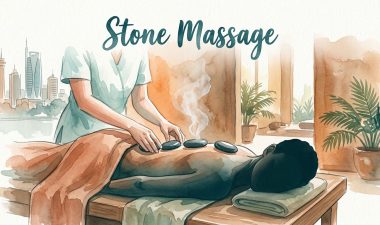
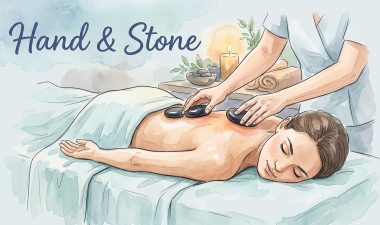
Hot stone massage is all about warmth. Smooth stones are heated and placed on key areas (often the back, shoulders, and sometimes legs), then the therapist may also glide the stones during the massage. The heat helps muscles loosen with less force, which can feel amazing if you carry tension but don’t want intense pressure.
Think of it like warming butter before you spread it. When your muscles are warm, they soften faster, so the work feels deeper without feeling rough. Many people choose hot stone during cool weather, after travel, or when their back feels stiff and “locked.”
Hot stone is a great fit if you:
- Want deep comfort without a deep tissue intensity
- Feel tight from sitting, commuting, or long flights
- Prefer heat to help you relax into the table
Keep guidance simple and safe. Avoid hot stone if you have strong heat sensitivity, inflammation that flares with warmth, or skin issues that react to heat. If you’re pregnant, ask your doctor first and only book with a therapist trained in prenatal care. During the session, speak up if the stones feel too hot, it should feel soothing, not uncomfortable.
How to choose a safe, professional massage spa in Nairobi
When you’re searching Massage Nairobi, the best massage is the one you can relax into because you trust the place. Safety and professionalism aren’t “extras”, they are the foundation. A clean room, clear boundaries, and a therapist who listens will always beat fancy décor.
Use the checks below like you’d use a seatbelt. Most of them take under a minute to confirm, either online before you book or right when you arrive.
A quick checklist for hygiene, privacy, and comfort
Before you get on the table, do a quick scan. A professional spa won’t mind; they usually take pride in the details.
- Fresh towels and linens: Look for clean, dry towels and a freshly made bed (no damp smell, no stains, no reused face cradle cover).
- Handwashing: The therapist should wash or sanitize hands before starting. If you don’t see it, it’s okay to ask.
- Clean room basics: Floors, surfaces, and oils should look tidy, not sticky or dusty. Treatment tools should look well-kept.
- Room temperature: You should be able to request warmer or cooler. If you’re shivering, your muscles won’t release.
- Music level and noise: The music should be low enough to talk comfortably. Constant loud noise can be a red flag for privacy.
- Secure storage: Ask where to place your phone, jewelry, and wallet. Lockers are ideal, a secure drawer is fine.
- Draping standards: You should stay covered except for the area being worked on. Proper draping protects your privacy and sets a professional tone.
- Professional boundaries: The therapist explains what they’ll do, asks for consent, and checks pressure. Any sexual comments, “special” offers, or pushing you past your comfort is a hard no.
- Clear menu and pricing: Prices and time slots should match what you were told, with no surprise add-ons after you undress.
Questions to ask before you book (pressure, focus areas, timing)
A quick message or a 60-second chat at reception can save you from a session that feels wrong. Keep it simple and direct. These questions also help a good therapist plan your treatment.
- “What massage style do you recommend for my goal?” (stress, back pain, recovery, headaches)
- “Can you adjust pressure during the session?” Ask how they handle feedback so you’re not stuck with “too hard” for an hour.
- “Can we focus on specific areas?” Example: neck and shoulders, lower back, hips, calves, feet.
- “How much hands-on time do I get?” Confirm whether a 60-minute booking includes consultation, changing time, or full table time.
- “What should I do if something hurts or feels sharp?” You want a therapist who welcomes feedback, not one who acts offended.
- “Do you have experience with injuries or chronic pain?” Share relevant issues like sciatica, slipped discs, recent strains, or post-surgery limits.
- “Is prenatal massage available?” If pregnant, ask if the therapist is trained, what positions they use, and what they avoid.
- “Are there any reasons I shouldn’t book today?” Mention red flags like fever, skin infections, uncontrolled high blood pressure, or severe swelling.
If they rush you, dismiss medical info, or promise to “fix everything in one session,” take that as a sign to book elsewhere.
Neighborhood vs hotel spa: which one fits your day
Both can be safe and professional. The better choice depends on your schedule, budget, and what you want the rest of your day to feel like.
Hotel spas are built for full-body downtime. Real-time listings for Nairobi highlight luxury properties like Villa Rosa Kempinski and JW Marriott’s Spa by JW (Westlands), which often include extra facilities such as steam rooms, saunas, and pools. If you want that “switch off completely” feeling, hotel spas make it easy because you can arrive early, use amenities, then float into your massage without rushing back into traffic.
You’ll usually pay more at a hotel spa, and peak slots can book out, especially weekends and after-work hours. If your day is packed, the bigger setting can also mean more time moving through reception areas.
Neighborhood spas and studios (common around busy areas like Kilimani and Westlands) tend to win on speed and price. They’re often easier for a lunch-break massage or a quick reset after work. Availability can be better for same-day bookings, and you’re not paying for hotel extras you won’t use.
Karen and nearby green settings suit a slower day. Some well-known escapes sit in calmer, nature-adjacent areas (for example, properties near Karen and Limuru Road with lush grounds). If your goal is quiet air, fewer horns, and a “mini-retreat” mood, that setting can make the massage feel deeper even before it starts.
A simple rule: choose a hotel spa when you want amenities and atmosphere, choose a neighborhood spa when you want convenience and a solid massage without the higher price tag.
What a massage appointment in Nairobi is like, from arrival to aftercare
A typical Massage Nairobi appointment is simple and low-pressure when you know the flow. Most places let you book by phone, WhatsApp, or online, then they’ll ask which style you want (Swedish, deep tissue, hot stone) and how long you’d like, often 60 to 90 minutes. Try to arrive 10 to 15 minutes early because traffic can be unpredictable. At check-in, you’ll confirm your booking, fill a short form, and do a quick consult with the therapist. Then you’ll change in private, settle under a sheet, and the therapist will only uncover the area they’re working on (that’s normal professional draping). After the session, you’ll usually get a moment to sit, drink water, and re-enter the day calmly.
A few small etiquette habits help a lot: set your phone to silent, avoid arriving with strong perfume, and reschedule if you’re sick (fever, flu, bad cough, or a contagious skin issue). Tipping varies by spa and budget, but a small tip is often appreciated if you felt well cared for.
Before your session: what to wear, what to eat, what to tell your therapist
Think of prep like warming up before a workout, it makes everything feel smoother.
Start with comfort. Wear loose clothes you can slip back into easily. Skip heavy jewelry, and avoid strong scents. If the spa has showers, a quick rinse is a nice reset, especially after a hot day or the gym.
Food and water matter more than people think:
- Hydrate in the hours before your appointment, but don’t chug right before you start.
- Eat a light meal 1 to 2 hours before, something simple so you’re not distracted by hunger or a heavy stomach.
During the consultation, be clear and specific. Tell your therapist:
- Your goal (stress relief, tight shoulders, sore legs)
- Pressure preference (light, medium, firm)
- Areas to focus on, and areas to avoid
- Any injuries, recent strains, pregnancy, or skin sensitivity
- Oil or scent allergies
If you’re feeling unwell, it’s better to reschedule than push through. You’ll get a better massage when your body is not already fighting something.
During the massage: speaking up without feeling awkward
A good massage therapist expects feedback. Speaking up doesn’t “ruin the vibe.” It helps your muscles relax because your body stops bracing.
If you’re not sure what to say, keep it short and practical. These phrases work in almost any spa:
- “Less pressure, please.”
- “More pressure on my shoulders.”
- “Can you focus more on my neck and upper back?”
- “Please avoid my lower back today.”
- “The room feels cold, can we adjust it?”
- “That feels sharp, can you go lighter or move slightly?”
You can also guide the session without talking much. If the therapist checks in, a simple “a bit softer” or “that’s perfect” is enough.
One more comfort tip: ask about draping or positioning if you feel exposed or tense. You should feel covered, warm, and safe the whole time. Your job is to relax, their job is to adjust.
Aftercare: how to keep the benefits for the next few days
After a good massage, your body can feel loose and quiet, like someone turned down background noise. Keep that feeling going with a few easy habits.
Right after your session:
- Drink water and keep sipping through the day.
- Take a warm shower later if you want to rinse off oil and stay relaxed.
- Eat a normal meal, but keep it light if you feel a bit “floaty.”
For the next day or two, gentle movement helps:
- Do light stretching (neck, shoulders, hips, calves), nothing intense.
- Prioritize sleep because that’s when your body recovers best.
If you had deep tissue work, skip heavy workouts for the rest of the day, and ideally 24 hours if you feel tender. Mild soreness can happen, similar to post-gym soreness.
Trust your instincts on pain. If discomfort is sharp, unusual, or gets worse, or you notice swelling, numbness, or shooting pain, pause the stretching and get medical advice. A massage should leave you better, not worried.
Prices, packages, and booking tips for Massage Nairobi
Massage prices in Nairobi can feel all over the place until you know what you’re comparing. The best approach is to match the session length and style to your goal, then look at value signals like therapist skill, privacy, and how unhurried the booking feels.
What usually changes the price: time, technique, and add-ons
The biggest price driver is time on the table. A 60-minute session is great for a general reset or targeted work on one area (like neck and shoulders). A 90-minute session gives your therapist room to treat the full body and still spend real time on the tight spots, which matters if you sit all day, train hard, or carry stress in your hips and back.
Technique also shifts the cost. Specialty therapies (deep tissue, sports work, hot stone, herbal options) often cost more because they’re more physically demanding, require extra tools, or need more training. Location can matter too, hotel spas and high-end spaces usually price higher than neighborhood studios.
Add-ons are where totals climb quickly, so choose them based on what you want to feel afterward:
- Couples rooms: You’re paying for a shared space, two therapists, and timed coordination. It’s ideal for a date or gift, less ideal if you want a quiet, problem-focused session.
- Premium oils or aromatherapy: Worth it when stress and sleep are the goal, skip it if you’re sensitive to scents.
- Hot stones or heat upgrades: Great for stiffness if you don’t want very firm pressure.
A simple rule: pick 60 minutes for maintenance, pick 90 minutes when you want change you can feel.
How to spot a good deal without sacrificing quality
A “good deal” is a massage that feels complete, not one that’s cheap because it’s rushed. Packages and memberships can be excellent value if you’re going regularly, especially for desk tension or gym recovery. Look for offers that keep the basics professional: a short consult, clear timing, clean linens, and a therapist who checks pressure.
Common value options to ask about:
- Multi-session packs (for example, 3 or 5 massages) if you know you’ll return.
- Monthly memberships if you want a routine and prefer predictable spend.
- Off-peak slots (mid-morning, early afternoon on weekdays) when spas are quieter.
- First-visit offers that don’t cut session time.
Be cautious with deals that:
- Skip consultation or ignore injuries.
- Start late but still end “on time”.
- Push add-ons hard, or make you feel like a number.
If you’re comparing two quotes, ask one question: “How much of the booked time is hands-on massage?” The answer tells you a lot about value.
Where to check current rates and book online
Rates change with seasons, staffing, and demand, so it’s smart to confirm prices the same day you book. The easiest way is to use a live price list, then choose a time slot that matches your goal and schedule. To see up-to-date options, check current massage rates here: https://nairobispa.com/massage-rates/.
For smoother planning, keep these booking tips in mind:
- Weekends fill fast. Book Friday for Saturday, and earlier for couples sessions.
- Plan around traffic. If you’re coming through Kilimani, Westlands, or CBD routes, give yourself 15 to 30 extra minutes so you don’t start tense.
- Pick your finish time on purpose. A massage right before a stressful errand wastes the calm, aim for a quiet hour afterward if you can.
- Confirm what’s included (add-ons, shower access, and payment method like M-Pesa) so there are no surprises at reception.
Conclusion
Massage Nairobi is simplest when you keep it practical. Start with your goal (stress relief, pain, or recovery), then match it to a style that fits your body today, Swedish for easy calm, deep tissue or sports for stubborn tightness, heat or aromatherapy when you need comfort. Choose a spa that feels clean, private, and professional, because trust is what lets your muscles relax. Speak up during the session, small tweaks in pressure and focus areas make a big difference, then follow basic aftercare (water, light movement, good sleep) so the benefits last.
Prices across Nairobi can run from budget-friendly sessions to luxury packages, so compare like-for-like, same minutes, same style, and real hands-on time. Busy slots fill fast on weekends and after work, so pick your time, book ahead, and give yourself a calm hour afterward.
Thanks for reading, what would feel better this week, a full-body reset or targeted work on one tight area?