Massage and Rates at Nairobi Spa & Massage, Kilimani
Massage prices in Nairobi vary more than most people expect, and the reason is usually simple: you are not paying for massage alone, you are paying for time, location, therapist skill, and the setting around the treatment. A 60-minute session in a quiet, upscale spa can cost a lot more than the same service in a basic clinic or neighborhood spot.
That difference matters when you’re comparing Massage and Rates, because the lowest price doesn’t always give you the best value. Some places charge more because they offer better rooms, trained therapists, extra comforts, or specialty services like deep tissue, hot stone, or aromatherapy. Others keep prices lower by focusing on the treatment itself and skipping the extras.
If you’re shopping around in Nairobi, a local spa like massage services in Kilimani is a good example of what people compare when they want a balance of comfort, service, and fair pricing. Nairobi Spa & Massage in Nairobi, Kilimani gives you a clear place to weigh what matters most, whether that’s relaxation, recovery, or a more premium experience.
The smartest way to judge massage prices is to look at what’s included, how long the session lasts, and whether the spa matches your comfort level. That makes it easier to spot real value before you book, and the next section breaks down the details that shape pricing in Nairobi.
What Shapes Massage and Rates in Nairobi?
Massage prices in Nairobi are shaped by more than a service menu. Session length, massage style, location, and therapist skill all push the final rate up or down. That is why two massages can look similar on paper and still cost very different amounts.
At Nairobi Spa & Massage in Nairobi, Kilimani, those differences are easy to see. A short, targeted session may cost less, while a longer, more detailed treatment with added comfort or specialty care will usually cost more.
 ### Session length changes the price fast
A 30-minute massage is usually the lowest-priced option because it takes less therapist time and covers fewer areas. It works well when you want focused help on the neck, shoulders, lower back, or one tight spot that needs attention fast.
A 60-minute session is the most common choice. It gives the therapist enough time to work through several areas, move at a steady pace, and still keep the price within reach for many clients.
A 90-minute massage costs more because it uses more time and often includes a fuller body treatment. The extra minutes let the therapist slow down, spend more time on problem areas, and make the session feel less rushed.
| Session length | Common price pattern | Best for |
|---|---|---|
| 30 minutes | Lowest | Focused pain relief or a quick reset |
| 60 minutes | Mid-range | Balanced treatment and relaxation |
| 90 minutes | Highest | Full relaxation and fuller body work |
Short sessions are practical when you already know what feels tight. Longer ones are better when you want to unwind fully and leave the room feeling lighter.
The massage style matters more than most people think
Different massage styles need different levels of skill, effort, and tools, so they do not all cost the same. A professional massage therapy menu often shows this clearly, because each treatment has its own purpose and price point.
Swedish massage is usually one of the more affordable options. It uses smooth, gentle strokes and is often chosen for general relaxation, so it does not require much extra setup.
Deep tissue massage usually costs more. It asks for firmer pressure, better control, and more focus, which takes more from the therapist.
Hot stone massage often sits higher on the price list because it needs heated stones and careful handling. Aromatherapy can also cost more when quality oils are included, since the treatment becomes more than touch alone.
A simple comparison helps:
- Swedish: often the most budget-friendly and relaxed
- Deep tissue: usually higher because it demands more precision
- Hot stone: costs more because of heat tools and setup
- Aromatherapy: can rise in price when oils and added care are included
The more tools, care, and skill a treatment needs, the more the rate usually rises.
Neighborhood and setting can raise or lower rates
Where you get the massage matters just as much as the massage itself. In busy Nairobi areas like Kilimani and Westlands, spa rates often run higher because rent, staffing, and general operating costs are higher too.
A spa visit usually comes with better rooms, trained staff, and a quieter setting. You pay for comfort as well as treatment, and that extra polish often shows in the final bill.
Mobile massage at home works differently. The therapist has to travel, carry supplies, and set everything up in your space. That convenience is useful, but it can add travel fees or setup costs to the total.
In other words, the more convenient the service, the more you should expect the price to move. A massage at the spa may feel like a cleaner value for the money, while home service may feel worth it when time and privacy matter most.
Therapist training and experience affect value
A certified or highly experienced therapist may charge more, and that usually makes sense. Training builds skill, and experience builds consistency. When both are present, the massage often feels more precise and better matched to your body.
That matters because a good therapist does not just press harder or softer. They read tension, adjust pressure, and change technique as needed. That kind of control can make a higher rate worth paying.
A skilled therapist also helps build trust. You know what to expect, the session feels steady, and the treatment is more likely to fit your needs instead of following a one-size-fits-all routine.
For many clients, the extra cost pays off when the session is tailored instead of generic. If you want a clearer idea of what that looks like in practice, therapeutic massage services in Nairobi give a good sense of how skill and service shape the final experience.
For example, a less experienced therapist may follow the same pattern for every client. A seasoned one will notice where you hold stress, how your muscles respond, and where to slow down or adjust.
The best value often comes from the right match, not the lowest number. In Nairobi, that means comparing time, style, location, and therapist quality before you book.
Massage and Rates by service type, what you can expect
Massage pricing often makes more sense once you compare service types side by side. A gentle Swedish session, a focused deep tissue treatment, or a specialty service each sits in a different part of the price range for a reason. At Nairobi Spa & Massage in Nairobi, Kilimani, that difference helps you choose based on your goal, not just the number on the menu.
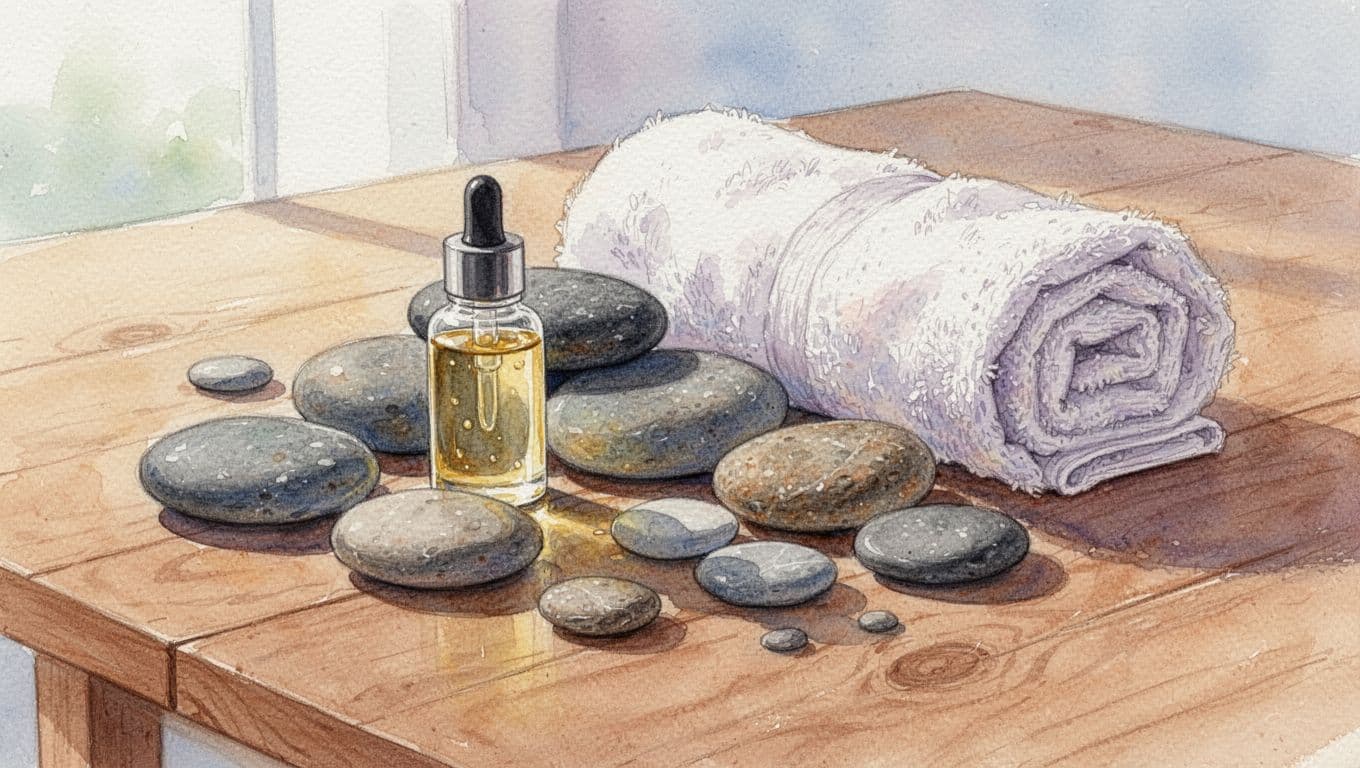 The main thing to remember is simple. Lower-cost treatments usually focus on broad relaxation, while higher-priced ones often use more time, pressure, or supplies. If you want to compare the full menu, you can also view our full range of spa services.
Swedish massage is often the entry-level option
Swedish massage is one of the most popular starting points because it feels light, smooth, and easy to enjoy. It works well when you want to relax, calm your mind, or ease mild muscle tension without a strong or intense touch.
In many spas, Swedish massage sits near the lower end of the price range. That does not make it less valuable. It often gives the best balance for first-time clients, regular spa visitors, and anyone who wants a clean reset after a busy week.
People usually pick Swedish massage when they want:
- Relaxation first: It is soft enough for stress relief.
- A comfortable first session: It feels familiar and easy to tolerate.
- Good value: The price is often reasonable for the time and benefit.
Because the technique is straightforward, the rate usually reflects accessibility as much as skill. A well-done Swedish massage still feels polished, but it stays approachable for many budgets.
Deep tissue costs more because it works harder
Deep tissue massage usually costs more because it asks for more pressure, more focus, and more control. It targets tight areas that need steady work, so the therapist has to stay precise throughout the session.
That extra effort is one reason the rate rises. According to massage pricing guidance from Noterro, service type, session length, and the level of skill required all influence what clients pay.
Deep tissue is often a better fit if you deal with stiff shoulders, a tight lower back, or muscle knots that keep coming back. The treatment can feel intense at times, but many people like it because it goes beyond surface relaxation.
The price is usually higher for three simple reasons:
- The therapist uses firmer pressure and more physical control.
- The session often needs more attention to problem areas.
- The work may require training beyond standard relaxation massage.
If you want pain relief and not just a calm hour, the higher rate can still be good value. You are paying for a more targeted session, not just more pressure.
Hot stone and aromatherapy add extras to the bill
Hot stone and aromatherapy massages usually cost more than basic treatments because they include extra materials and setup. Heated stones need care and time, and essential oils add supply costs. That pushes the final rate above a standard massage.
Hot stone massage feels more indulgent because the warmth relaxes the muscles before deeper work begins. Aromatherapy adds scent and mood, so the session feels softer and more layered. Both services can turn a simple appointment into something that feels more like a treat.
The added cost often comes from:
- Supplies: Stones, oils, and other products must be stocked.
- Preparation time: The therapist has to set up the tools first.
- Longer service flow: The session may take more attention and care.
These treatments are popular when you want comfort as much as relief. They can feel more luxurious, but they also move the bill up for good reason.
Specialty massages may cost the most
Specialty treatments often sit at the top of the price list because they need specific training and a more careful touch. Services like sports massage, prenatal massage, and other targeted therapies are built for particular needs, so the therapist has to adjust technique, pressure, and positioning with care.
That extra skill usually shows up in the rate. A sports massage may focus on recovery or mobility. Prenatal massage needs a gentler, safer approach. Other targeted therapies can address a narrow concern that standard massage does not cover well.
These sessions are worth comparing closely because the value depends on your reason for booking. If you need support for soreness, recovery, or a special stage of life, the higher cost may fit the result you want. If you only need general relaxation, a simpler service may make more sense.
Higher rates in specialty massage usually reflect training, precision, and the extra care needed to do the work safely.
For people comparing options in Nairobi, that makes the choice easier. You can match the service to the need, then decide whether the price feels fair for the level of attention you’ll get.
How to compare value before you book a massage
A fair massage price should feel tied to the experience you get. When you compare value, look past the number and focus on what the session includes, how the room feels, and how the therapist treats you.
At Nairobi Spa & Massage in Nairobi, Kilimani, that kind of comparison is easy to make. A good rate is one that matches the time, care, and comfort you receive, not just a low price tag.
Look at what is included, not just the headline rate
A lower price can look attractive until you check the details. Some offers leave out oils, towels, enough hands-on time, or even a quiet room, and that changes the real value fast.
Before you book, compare the full package side by side. Ask whether the rate includes the full session length, fresh linens, massage oils, and a private treatment space. A spa that charges a little more but includes these basics may give you a better deal overall.
 A quick checklist helps you compare more fairly:
- Session time: Make sure the full booked time is the time you receive.
- Supplies: Check whether oils, towels, and other basics are included.
- Room quality: A calm, private room adds real value.
- Therapist attention: More focus on your problem areas can justify a higher rate.
The best comparison is not “Which one is cheapest?” It is “Which one gives me the most for what I pay?” If you want to compare options in more detail, you can view our massage pricing packages.
A low rate can hide missing extras, while a slightly higher rate may cover a much better experience.
Ask about packages, deals, and longer sessions
Packages often bring the cost per treatment down, especially if you already know you want regular massage. A bundle can be a smarter choice than paying for one visit at a time, since you may get better pricing without losing quality.
Longer sessions can also offer better value than they first appear. A 90-minute massage may cost more than a 60-minute one, but the extra time often feels worth it when you want full-body relaxation or more work on tight muscles. Sometimes the price jump is small compared with the comfort you gain.
If you’re comparing offers, ask about:
- Package pricing for two or more sessions.
- Off-peak deals for quieter hours.
- Longer sessions with a smaller price increase.
- Intro offers that still include the full treatment time.
A deal only helps if it still gives you a proper session. For a clearer look at bundle options and booking choices, this massage package and membership guide is a useful place to start. In many cases, the best value comes from a session that lasts long enough to actually work.
Read reviews and watch for signs of quality
Reviews tell you a lot about value, especially when they mention service, cleanliness, and therapist professionalism. A spa can have a nice website and still fall short in real life, so customer feedback matters.
Look for comments that mention fresh linens, a quiet room, and staff who explain the treatment before they begin. Those details show care. They also show that the rate is matched by a consistent experience, not just a polished front desk.
When you compare reviews, pay attention to these signs:
- Therapist professionalism: Do clients mention courtesy, skill, and good communication?
- Spa atmosphere: Do people describe the space as clean, calm, and private?
- Consistency: Do repeated reviews mention the same strengths?
A fair rate should feel supported by real service, not just a low number or a nice photo gallery. For broader booking advice, how to choose the right spa is a helpful reference on what good value looks like in practice.
Nairobi Spa & Massage in Nairobi, Kilimani is a strong example of what to look for, because the value is not just in the menu price. It is in the session length, the room, the care, and the way the therapist handles your needs.
Smart ways to save money without lowering the quality
You do not have to choose between a fair price and a good massage. The smarter move is to match the booking to your needs, your schedule, and your location, so you pay for value instead of extras you will not use.
At Nairobi Spa & Massage in Nairobi, Kilimani, that mindset helps you get more out of every visit. Small choices, like when you book and which service you pick, can keep the experience high-quality while trimming avoidable costs.
Book off-peak times when possible
 Weekday and daytime slots are often easier to book, and they may cost less than peak weekend hours. In Nairobi, that can make a real difference if you want a calm session without paying extra for high-demand times.
Midday appointments also tend to feel less rushed. The spa is usually quieter, and that gives you more room to settle in before the treatment starts. If your schedule allows it, a Monday-to-Thursday booking can be a simple way to protect both your wallet and your peace of mind.
A smart booking habit looks like this:
- Choose quieter days when your calendar is flexible.
- Ask about daytime availability before you lock in a weekend slot.
- Book early if you want the best choice of times.
A lower-demand time can give you the same massage experience for less stress and less money.
Choose the right treatment for your goal
The right massage saves money because it keeps you from paying for features you do not need. If your goal is relaxation, a Swedish massage may fit better than a more intense treatment. If your muscles feel tight after training or work, deep tissue may be the better match.
This matters because service choice shapes the rate as much as session length does. A person who wants basic stress relief does not need to pay for add-ons that are built for recovery or pain work. Likewise, if you need targeted pressure, a gentle session may leave you disappointed and back on the schedule sooner than you planned.
Matching the treatment to the reason you booked is one of the easiest ways to control Massage and Rates without cutting quality. You get a session that fits your body, and you avoid spending on extras that do not move the needle.
Use local spas to cut travel costs
Picking a nearby spa in Nairobi can save more than time. It can also help you avoid mobile therapist travel fees, setup charges, and the hassle of arranging space at home. When the spa is close to where you live or work, the total cost is often easier to predict.
That local convenience also makes repeat sessions more realistic. If you are recovering from tension, stress, or a sports strain, regular visits matter. A nearby location means you are less likely to skip the next appointment just because traffic, distance, or travel cost feels like too much.
A local option also keeps the experience simple. You arrive, relax, and leave without turning the appointment into a full-day errand. For many Nairobi clients, that balance is the real saving.
If you want to compare appointment options in your area, find local massage appointments and see what fits your routine best.
Conclusion
The clearest takeaway from Massage and Rates is simple, the best price is rarely the lowest one. Time, massage type, location, and therapist experience all shape what you pay, and they also shape how the session feels.
That is why a fair rate should match the result you want, whether you need basic relaxation or more focused body work. A well-chosen massage gives you more value than a cheap session that leaves you wanting more.
When you compare options in Nairobi, places like Nairobi Spa & Massage in Nairobi, Kilimani can give you a useful standard for comfort, service, and value. If you want to compare treatments more closely, massage therapy in Nairobi is a helpful place to look next.