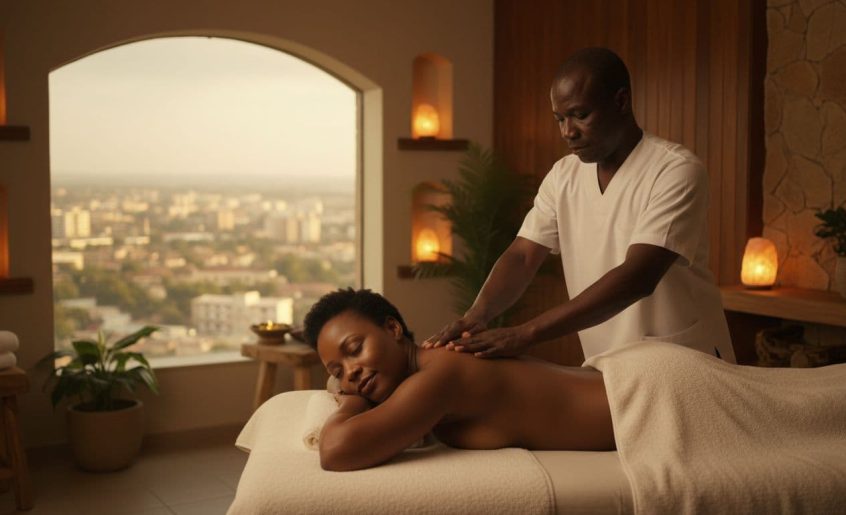
A good Nairobi Massage can do more than ease sore shoulders, it can help with stress relief, muscle recovery, better sleep, and overall wellness.
If you’ve been carrying tension for days or need time to reset, the right session can make a clear difference. Choosing between options like deep tissue, Swedish, or aromatherapy massage depends on what your body needs and how much pressure feels right.
If you’re comparing services, massage therapy in Nairobi can help you narrow down what fits best. Next, it helps to know what happens during a session and how to get the most from it.
What Nairobi Massage Can Do for Your Body and Mind
A good Nairobi Massage works on more than one level. It helps your body unwind, but it also gives your mind a break from constant noise, pressure, and mental clutter. That combination is why people leave a session feeling lighter, looser, and more settled.
The effects can show up fast. Your shoulders may drop, your breathing may slow, and your thoughts may feel less crowded. For many people, that calm after a session is just as valuable as the physical relief.
 ### How massage helps reduce stress and tension
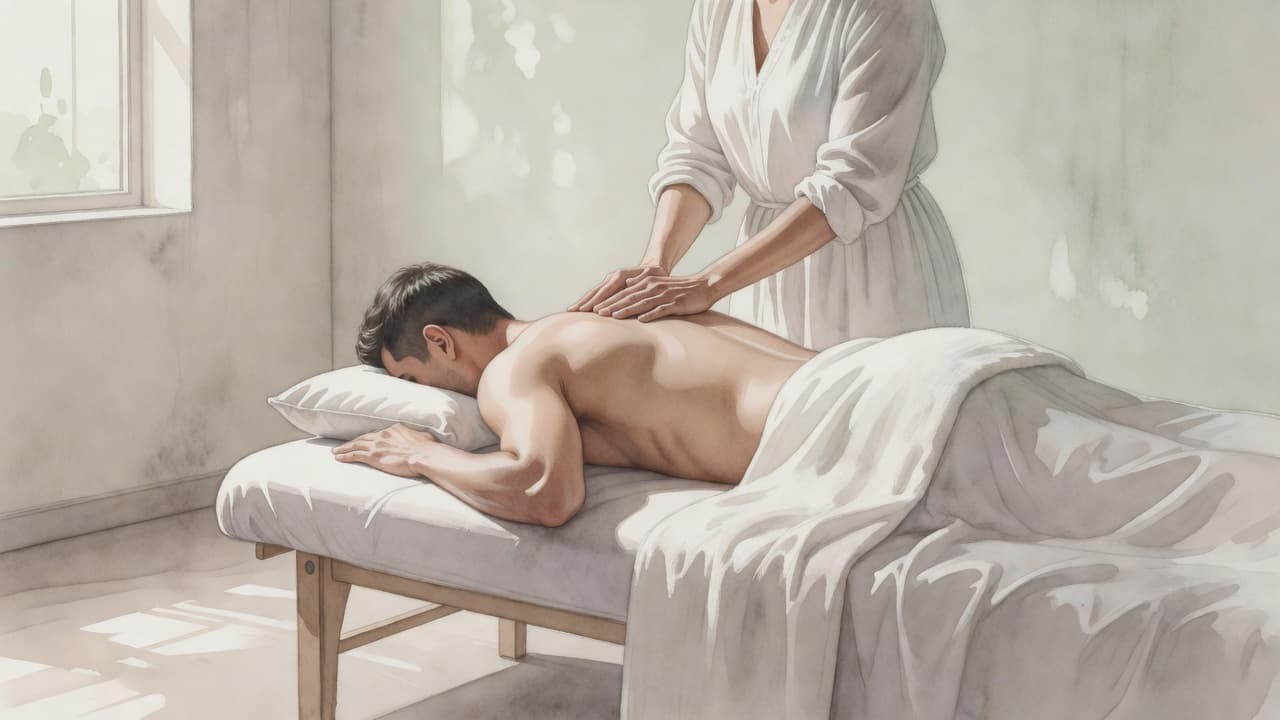
Massage helps the body shift out of stress mode. When pressure and slow movement are applied to tight muscles, the nervous system gets a clear signal to relax. As a result, the body often moves out of that tense, alert state and into a calmer rhythm.
This matters most in areas that hold stress easily, like the neck, shoulders, jaw, and back. Those tight spots can feel like knots that never let go. A skilled session can soften them, improve movement, and reduce that heavy, locked-up feeling.
The mental effect is just as important. Once the body settles, the mind often follows. Many people describe the experience as a reset, like pressing pause on a busy day and getting a few quiet minutes to breathe again.
If you want a broader look at how massage styles and benefits compare, the massage benefits and types guide is a helpful place to start.
A relaxed body often leads to a calmer mind, because tension and stress usually travel together.
Why it can support better sleep and a calmer mood
Massage can make rest easier because it helps your body slow down. After a session, people often feel less wired and more ready to unwind. That easier transition into rest can carry into the night, especially when stress has been keeping sleep light or broken.
Mood can improve too. When pain eases and the body feels less tense, it becomes easier to feel patient, steady, and clear-headed. Even a single session can leave you with a softer edge to your day, which is useful when work, family, or traffic have been wearing you down.
Many people also notice that they breathe better and move more slowly after a massage. That sense of calm can last beyond the treatment room. In other words, the session does not just feel good in the moment, it can shape how the rest of the day feels.
A good fit matters here, and a massage guide on types, benefits, and safety can help you choose a style that matches your needs.
How massage helps sore muscles and active bodies recover
Massage is also useful when your body has been working hard. If you exercise often, sit for long hours, or spend the day lifting, driving, or standing, your muscles can get stiff and tired. Massage helps those tissues loosen so movement feels easier again.
Better circulation is part of the reason. Fresh blood flow brings oxygen and nutrients to sore areas, while also helping the body clear out waste that builds up after strain. That can reduce stiffness and make recovery feel smoother.
For active people, this can be especially helpful after workouts or minor sports strain. Massage can ease soreness, reduce tightness, and support the body as it bounces back. It is not a fix for serious injury, but it can be a smart part of recovery when muscles feel overworked.
A few common situations where people feel the difference include:
- Workout soreness: Muscles feel less tight after training.
- Long workdays: Sitting or standing all day can leave the back and legs stiff.
- Repetitive strain: Repeated movement can build tension in the same areas.
- Minor sports aches: Light strain often improves with rest, movement, and massage support.
Massage can also improve how you move in daily life. When stiffness drops, walking, bending, stretching, and turning your head feel less restricted. That makes it easier to keep up with exercise and regular routines without feeling worn down.
A session can also help if your body has been under pressure for a while. If you want a more detailed look at ongoing physical benefits, the page on regular massage and its effects gives a useful overview.
When your muscles recover well, your mind often feels better too. Less pain means less distraction, and less discomfort usually means better sleep, better focus, and more energy the next day.
A simple way to think about the body and mind connection
Massage works because the body and mind do not operate separately. Tension in one often shows up in the other. When a session releases tight muscles, slows the breath, and creates a calm space, both sides get relief at the same time.
That is why Nairobi Massage appeals to so many people. It can help you feel calmer, move with less strain, and recover faster after a demanding week. For everyday stress, sore muscles, or a restless mind, that kind of support can make a real difference.
Choosing the Right Nairobi Massage for Your Needs
The best Nairobi Massage is the one that matches your goal. If you want to relax, you need a different session than someone who wants pain relief or help with tired muscles.
That choice gets easier when you focus on how your body feels right now. Some people want softness and calm. Others need firmer pressure to work through knots, stiffness, or workout soreness. A good spa will help you choose the style that fits, not push you into one option.
 Swedish massage for gentle relaxation
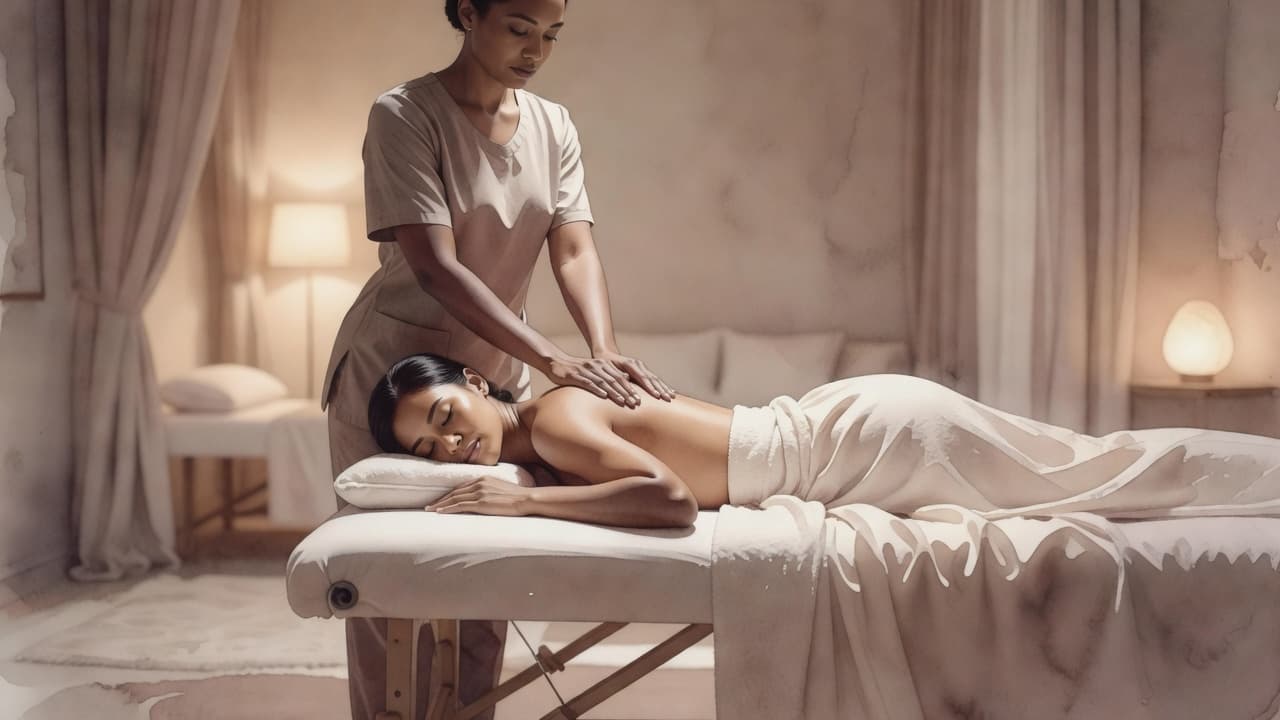
Swedish massage is a strong choice when you want to slow down and unwind. It uses long, flowing strokes, light to moderate pressure, and steady movement that helps your body settle. For first-time clients, it often feels like the safest and most comfortable place to start.
This style works well if stress is the main issue. It can ease surface tension, improve circulation, and leave you feeling lighter without too much pressure. If you want a session that feels soothing rather than intense, Swedish massage fits that need well.
It also helps when you simply want comfort. You don’t need to be sore or in pain to benefit from it. Sometimes your body just needs space to relax, and this is one of the easiest ways to get there.
Deep tissue massage for tight muscles and stubborn knots
Deep tissue massage is better when the problem runs deeper. It uses firmer pressure and slower strokes to reach tight muscle layers, which makes it useful for chronic stiffness, desk-related pain, and soreness from training or physical work.
This style can feel intense at times, especially on tight spots. However, that pressure is often what helps stubborn knots release. If your neck, shoulders, lower back, or legs feel locked up, deep tissue work can bring real relief.
It helps to speak up during the session. A therapist can adjust the pressure so it stays effective without becoming too much. For people who deal with regular muscle tension, this is often the most practical choice.
If your body feels tight in the same places every week, firmer pressure may be the better fit.
For a broader look at common options, the massage type guide for Nairobi can help you compare styles more easily.
Aromatherapy, hot stone, and specialty options
Some sessions add extra elements that change the whole feel of the treatment. Aromatherapy massage uses oils with calming scents, which can make relaxation feel fuller and more personal. Hot stone massage adds warmth, and that heat can help muscles soften faster while creating a very restful experience.
Specialty treatments are useful when you want something more tailored. They can focus on mood, heat, comfort, or a mix of relaxation and muscle care. That makes them a good fit if you know what you want, but still want a spa experience that feels a little more customized.
A simple way to choose is to match the massage to your main need:
- Relaxation: Swedish or aromatherapy
- Deep pressure: Deep tissue
- Tired muscles: Hot stone or deep tissue
- A more personal spa feel: Specialty treatments
When you choose with your goal in mind, the decision feels clear. That is the easiest way to find the right Nairobi Massage for your body, your schedule, and your stress level.
What to Expect During a Nairobi Massage Session
A good Nairobi Massage session should feel calm, clear, and easy to follow. If it’s your first time, the process is usually simpler than people expect. You arrive, share a few details, get comfortable, and let the therapist guide the pace.
The best sessions also leave room for your input. You can speak up about pressure, pain points, or anything that makes you uneasy. That kind of open communication helps the massage feel more effective and more relaxing.
 Before your appointment, how to prepare the easy way
Preparation does not need to be complicated. Arrive a little early so you have time to settle in without feeling rushed. That small buffer makes the start of the session feel much calmer.
It also helps to drink water before your visit and keep your meal light if you are going soon after eating. If you have pain points, injuries, allergies, or any health concerns, say so clearly before the massage begins. A few honest details can make the session safer and more comfortable.
A simple prep checklist can help:
- Arrive on time so you can complete any forms and talk without pressure.
- Drink water before and after your session.
- Share health concerns like recent sprains, sore spots, or skin sensitivities.
- Wear easy, loose clothing so changing feels simple.
- Decide what you want from the session, whether that’s calm, relief, or both.
If you want a broader look at service options before booking, the massage treatments in Nairobi page gives a useful overview.
During the massage, what the experience usually feels like
Most sessions begin with a brief conversation. The therapist may ask what feels tight, what kind of pressure you like, and whether there are any areas to avoid. That quick check helps shape the session before hands even touch the table.
Once you are settled, the therapist usually starts with lighter strokes to help your body relax. After that, the pressure may become firmer in tense areas, or stay gentle if you came for relaxation. Throughout the session, your job is simple: breathe, relax, and speak up if something feels too strong or too light.
Comfort matters more than staying silent. A good therapist expects feedback and adjusts as needed.
The room is usually quiet, with soft music and low light. You may feel sleepy, loose, or a little floaty by the end. That is normal, and it often means your body has finally had space to unwind.
After the session, how to care for your body
After your massage, drink water and give yourself a little time to rest. Your body has just done some work, so it helps to move slowly and avoid rushing back into a packed schedule right away. A short walk, a quiet drive home, or a light meal can feel better than jumping straight into more stress.
Later in the day, notice how your body responds. Some people feel lighter right away, while others notice the effect more clearly after a few hours. If the therapist used deeper pressure, mild soreness can happen, especially in areas that were very tight.
That soreness usually fades, and the relief often builds with time. Gentle stretching, hydration, and a calm evening can help your body settle after the session. If you keep getting massages regularly, you may also notice that your muscles recover faster and hold less tension between visits.
How to Pick a Good Nairobi Massage Spa
A good Nairobi Massage starts with the right spa. The room, the therapist, and the booking details all shape how the session feels, so it pays to look past the first impression.
If you want real value, focus on the basics first. Clean spaces, skilled hands, clear prices, and a calm setting matter more than fancy decor or big promises.
Signs of a clean, calm, and professional space
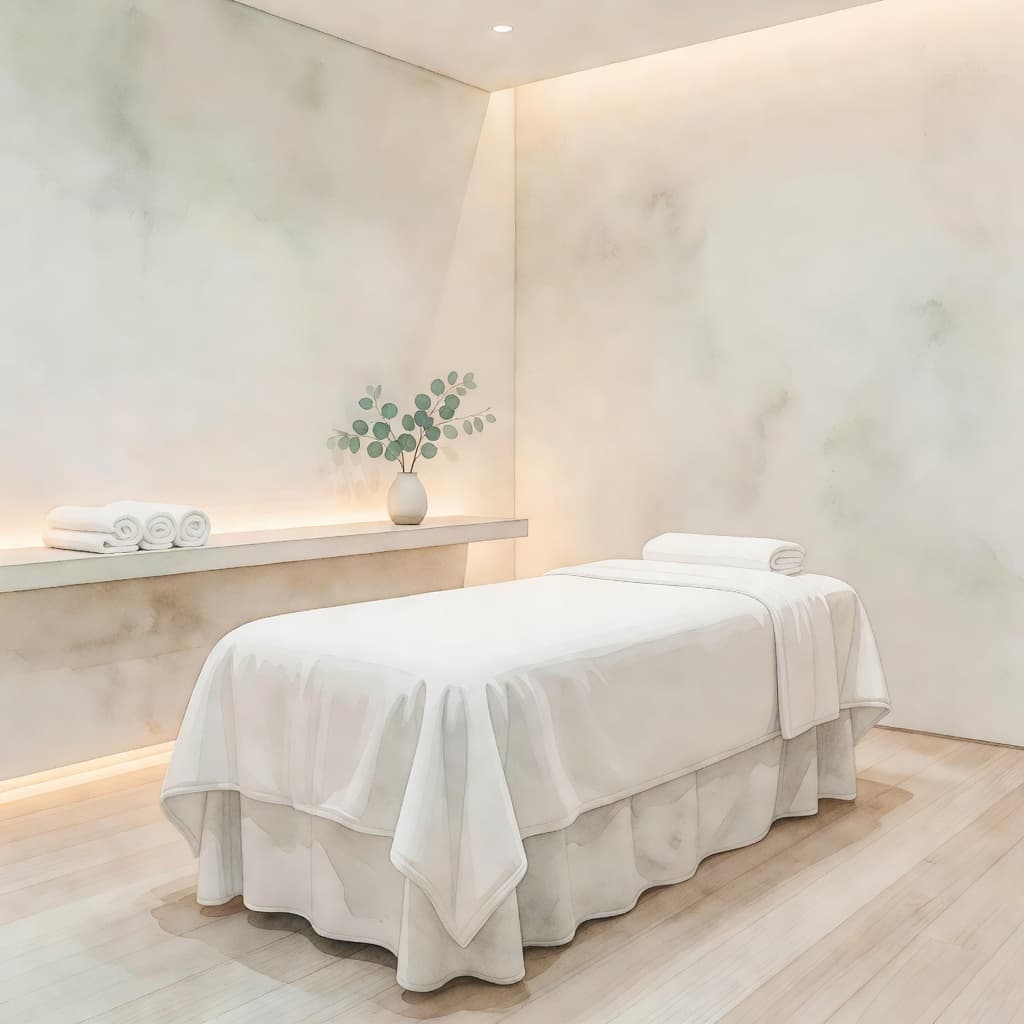 A trustworthy spa feels orderly the moment you walk in. Look for tidy rooms, fresh linens, clean floors, and surfaces that look well cared for. Small details matter here, because a messy space usually points to rushed service.
Privacy is just as important. Treatment rooms should feel quiet and personal, with enough separation that you can relax without distraction. Soft music, low noise, and a steady pace all help create that calm feeling.
Pay attention to the atmosphere, too. A good spa does not feel chaotic or crowded, and the staff should speak in a calm, respectful way. When the setting feels peaceful, your body settles faster and the whole massage feels better.
A simple checklist can help you spot the right place:
- Clean linens and towels that look fresh and well kept
- Private treatment rooms or clear boundaries for comfort
- A quiet, relaxed mood without too much noise or traffic
- Neat reception and waiting areas that feel organized
- Visible care for hygiene in the room and common spaces
A comfortable setting does more than look nice, it helps your body relax before the massage even begins.
Why therapist skill and communication matter
A skilled therapist can change the whole experience. They should listen before the session starts, ask about problem areas, and adjust pressure based on your body, not a fixed routine. That matters whether you want gentle relaxation or firmer work on tight muscles.
Good communication also protects you from a session that feels too strong or too light. If you say your shoulders need more attention or your lower back needs less pressure, the therapist should respond right away. That back-and-forth is part of what makes a good massage therapist in Nairobi worth booking.
Look for signs that the therapist understands different needs. Someone who works with stress relief, muscle recovery, or sports soreness will usually ask better questions and shape the session more carefully. That kind of attention leads to better results and a more comfortable experience.
Questions to ask before you book
Before you confirm your appointment, ask a few direct questions. Clear answers save time and help you avoid surprises at the front desk.
Start with the basics, then move into the details that matter for your body and budget. If the spa answers plainly and confidently, that is usually a good sign.
Ask about:
- Session length and whether consultation time is included
- Pressure style so you know if the therapist uses light, medium, or firm work
- Treatment options such as Swedish, deep tissue, aromatherapy, or hot stone
- Pricing for the exact session you want, including any add-ons
- Stress relief or recovery support if you have a sore back, tight legs, or workout fatigue
- Booking details such as opening hours, location, and how to reschedule if needed
If you want a broader comparison before choosing, the guide to finding the best massage spa in Nairobi is a practical place to start.
A trustworthy spa makes the process easy. You should know what you’re paying for, who will treat you, and what kind of session you’re getting before you arrive.
Making the Most of Nairobi Massage for Long-Term Wellness
A good Nairobi Massage can do more than ease tension for a day. When you make it part of your routine, it can support better sleep, steadier moods, looser muscles, and a body that feels easier to live in.
The key is consistency without overdoing it. Your ideal schedule depends on how stressed you feel, how active you are, and where your body tends to hold pain. A little planning goes a long way, because regular care often works better than waiting until everything hurts at once.
 ### How often to book a massage based on your goals
There is no single schedule that fits everyone. If your main goal is stress relief, a massage every few weeks or once a month may be enough to help you stay balanced. If you sit for long hours, train often, or deal with recurring tightness, closer visits can make more sense.
Your body usually gives clear clues. When stress builds fast, muscles tighten again soon after a session, or pain keeps returning in the same spot, more regular visits may help. That does not mean you need constant treatment, just a rhythm that matches your daily life.
A simple way to think about it is this:
- Monthly: good for general wellness and keeping stress from piling up.
- Every 2 to 3 weeks: helpful during busy work periods, heavy sitting, or frequent travel.
- Weekly for a short stretch: useful for intense training, recovery, or a stubborn sore area.
The best schedule is the one your body can keep up with, not the one that sounds ideal on paper.
If you want a closer look at timing and session planning, the page on massage maintenance schedules is a helpful reference.
Combining massage with rest, movement, and hydration
Massage works best when it sits inside a wider self-care routine. Sleep gives your muscles time to recover, water helps your body stay supple, and light movement keeps stiffness from building up between appointments. Together, these habits do more than one treatment alone.
Stretching is especially useful if you spend a lot of time at a desk or on your feet. Even a few minutes of gentle neck rolls, shoulder stretches, or a short walk can help your body hold onto the benefits of a session longer. In other words, massage opens the door, and your daily habits help you stay there.
It also helps to keep things simple after your appointment. Drink water, rest if you need to, and avoid packing your day too tightly. A massage can reset your body, but your routine keeps that reset from fading too quickly.
When people pair massage with regular movement, better sleep, and enough water, they often notice:
- less stiffness between sessions
- easier recovery after workouts
- fewer tension headaches and sore spots
- a calmer, more settled feeling during the week
When massage is helpful, and when to seek extra care
Massage is a strong support tool for stress, tight muscles, and everyday discomfort. It can also help you notice how your body feels before small issues turn into bigger ones. Still, it should not replace proper medical care when pain is serious or unusual.
If you have a recent injury, sharp pain, swelling, numbness, or pain that keeps getting worse, get checked by a medical professional first. The same is true if you have a health condition that could affect safe pressure or treatment choices. A therapist can support your comfort, but they should not be the only person involved when the problem is more than muscle tension.
The safest approach is simple: use massage for wellness, recovery, and regular maintenance, then bring in medical advice when something feels off. That balance gives you the benefit of both, without guessing your way through pain.
For long-term wellness, the best results usually come from regular visits, honest communication, and habits that support your body the rest of the week.
Conclusion
A good Nairobi Massage can do a lot when the treatment matches your needs and the spa feels right. It can ease stress, support recovery, and help your body feel less tight at the end of a long week.
The biggest takeaway is simple, choose the massage style that fits your goal, then book with a place that values comfort, skill, and clear communication. If you want to compare options, the spa services menu is a good place to start.
For many people, regular massage is one of the easiest ways to stay balanced. If your body has been asking for rest, this is a good time to give it that care.