When you search for Massage Nairobi, you usually want the same few things: relief from stress, looser muscles, and a place that feels calm the moment you walk in. Nairobi life can leave your neck tight, your back sore, and your mind full, so the right massage should help you reset without fuss.
This guide will help you sort through the main massage types, choose the one that fits your needs, and know what a good spa experience should feel like. It also covers how to book with confidence, so you can pick professional massage services in Nairobi that match your budget, your schedule, and your comfort level.
Why massage in Nairobi matters for everyday stress and recovery
Massage has become part of everyday wellness in Nairobi because daily life takes a toll in simple, familiar ways. Long workdays, traffic, screen time, and gym soreness build up fast, and the body often feels it before the mind does.
A good session gives people a chance to slow down, reset, and move more freely again. It also fits real-life needs, whether you want less stress, better sleep, or faster recovery after exercise.
 ### How massage helps a tired body reset
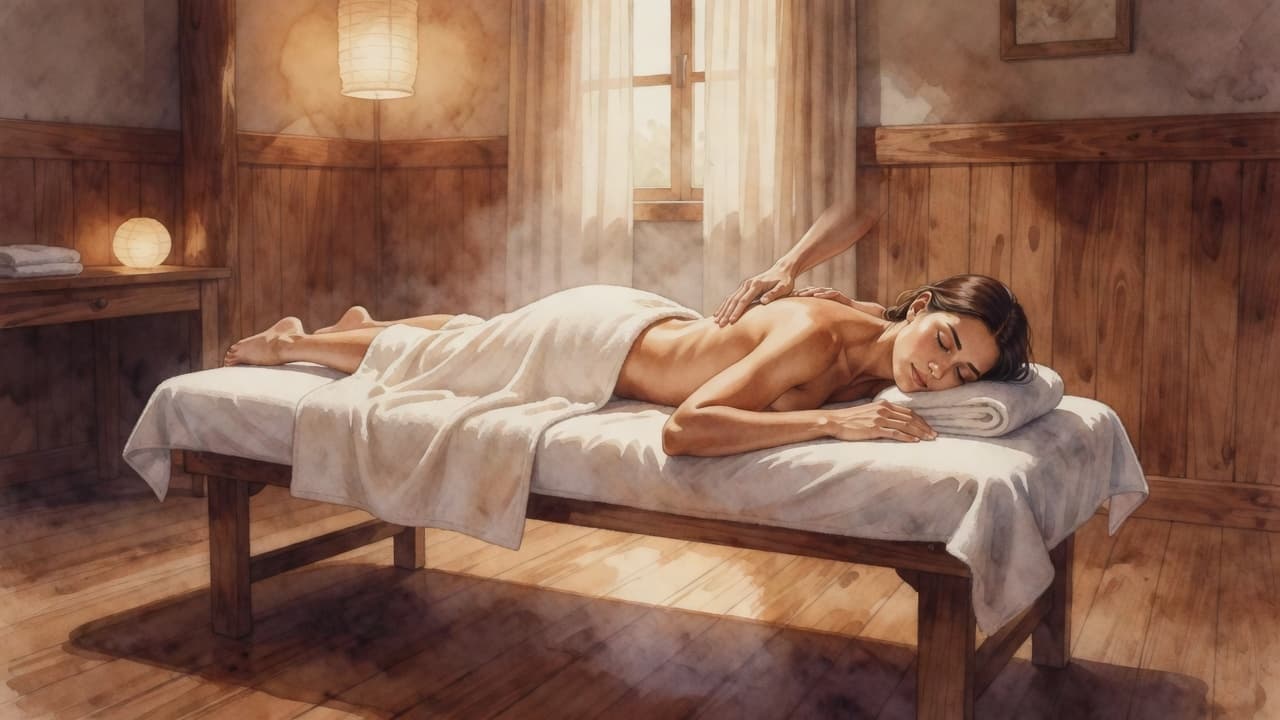
When your muscles stay tight for too long, they start to feel short and stiff. Massage helps loosen that build-up, especially in the neck, shoulders, and back, where stress and desk work show up first.
It also supports better circulation, which helps the body feel warmer, less heavy, and more awake. That is why many people leave a session feeling lighter, looser, and easier to move. If you want a broader look at the methods and their effects, this massage guide for different needs is a useful place to start.
For people who train often, massage can also help the body recover after hard workouts. Sore legs, tight hips, and stubborn knots tend to ease when pressure and movement work together.
Why stress relief is one of the biggest reasons people book
Stress often shows up in the body before you even notice it in your mood. Your breathing gets shallow, your jaw tightens, and your shoulders creep upward without warning. Massage helps break that pattern.
A calm session can slow your breathing, soften muscle tension, and create a clearer headspace. That matters when you feel overloaded, anxious, or mentally drained, because even a short pause can help you feel more balanced.
People often book massage for the same reason they take a deep breath, they need space to settle down.
The mood shift is part of the appeal too. Less tension in the body often means less tension in the mind, and that can carry into the rest of the day. Better sleep, lower stress, and a calmer outlook are all part of the experience.
Who benefits most from regular sessions
Regular massage helps more people than you might expect. Office workers deal with stiff necks and lower back pain. Athletes need faster recovery and less muscle tightness. Busy parents carry stress in their shoulders and sleep with it at night.
Travelers also benefit, especially after long flights, long drives, or packed days on the move. Even one session can help the body shake off that stale, cramped feeling.
Massage is also a smart option for anyone living with chronic tension. You do not need a special reason to book, and you do not need to wait until pain gets bad. A steady routine can help you stay ahead of stress instead of catching up with it later.
People in Nairobi are choosing massage more often because it fits real life. It helps the body recover, gives the mind a break, and makes it easier to handle the next long day with less strain.
The most popular massage options in Nairobi and what each one does
Nairobi spas usually offer a familiar mix of massage styles, even if the names vary a little from one place to another. The core experience is often the same, so you can focus on what your body needs instead of getting caught up in labels.
Some treatments are built for calm and light pressure. Others go after deep knots, workout soreness, or targeted relief in tense areas. If you know the difference, choosing gets much easier.
 ### Swedish massage for relaxed muscles and a lighter feel
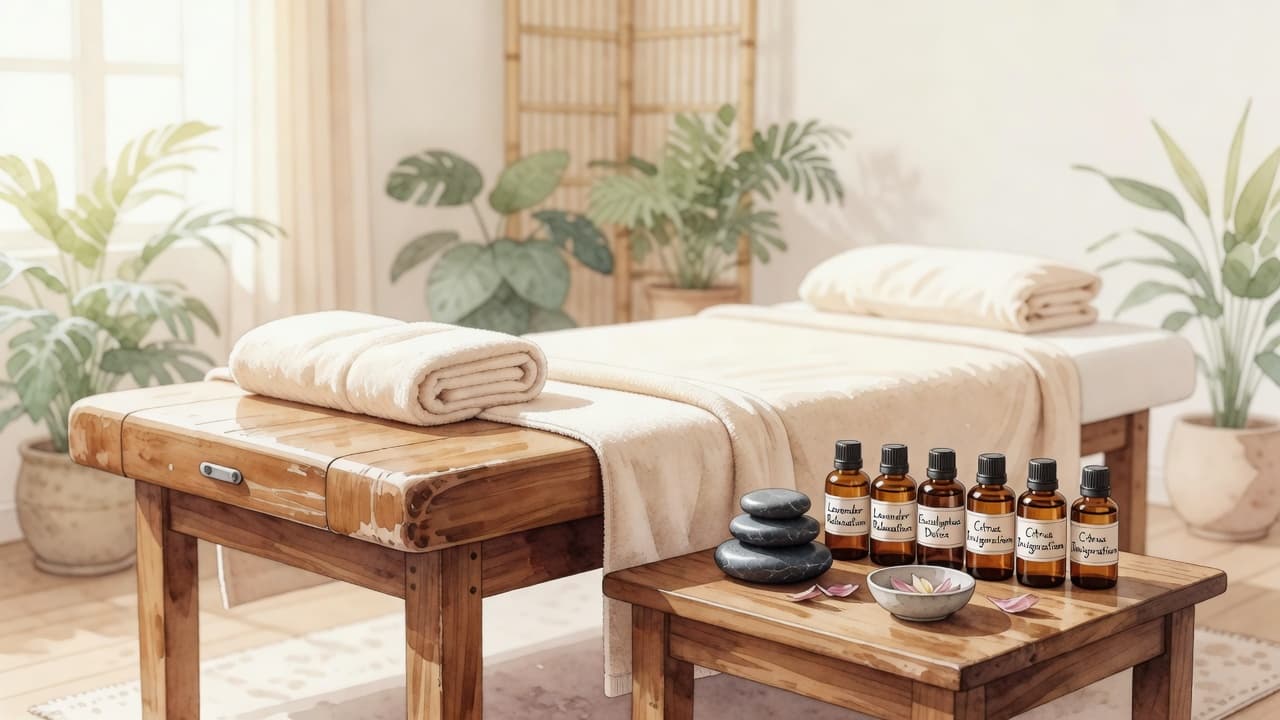
Swedish massage is usually the easiest place to start. It uses long, flowing strokes, light kneading, and steady rhythm to help the body unwind without too much pressure.
This style works well if you want to relax, ease general tension, or try massage for the first time. It can also help your muscles feel looser after a long week at work, but it stays soft enough for people who don’t want anything intense.
Because the pressure is lighter, Swedish massage often feels smooth and calming from start to finish. Many people choose it when they want rest more than recovery.
If you’re new to professional massage therapy treatments in Nairobi, this is often the safest first pick. It gives you a clear sense of how your body responds before you try a stronger session.
Deep tissue massage for tight spots and stubborn knots
Deep tissue massage goes further into the muscle layers, so it’s a better fit for chronic tension and problem areas. People often book it for the shoulders, neck, lower back, or legs after hard workouts.
The pressure can feel firm and intense, especially when the therapist works on stubborn knots. Still, it should remain controlled and safe, with pressure that stays within your comfort level.
This massage is useful when a lighter session doesn’t do enough. It targets tight bands of muscle, helps release built-up tension, and can leave you feeling more open in the areas that usually feel locked up.
Deep tissue should feel strong, but it should never feel reckless or painful in a bad way.
If you have a sore spot that keeps coming back, this is often the style people ask for by name. Different spas may call it “deep reliever” or simply “firm pressure massage,” but the goal is the same.
Aromatherapy and hot stone massage for deeper comfort
Aromatherapy massage adds scent to the experience, which changes the mood as much as the touch. Essential oils are usually blended into the session, so you get a calmer atmosphere along with the physical relief.
People often choose aromatherapy when stress feels heavy or when they want the session to feel more soothing overall. The smell of the oils can make the room feel warmer and more restful, which helps many clients settle in faster.
Hot stone massage takes a different path. Smooth heated stones are placed on key points or used during the massage to help muscles relax faster. The warmth can soften tight areas before deeper work begins, which makes the whole session feel gentler than firm pressure alone.
For a broader look at the main treatment choices, you can also check the full menu of wellness services offered at many Nairobi spas. That helps when you’re comparing styles that sound similar but feel very different in practice.
Specialty treatments for targeted needs
Some spas in Nairobi also offer specialty treatments for specific goals. These may include sports massage for recovery, pregnancy-safe massage if the spa is trained and equipped for it, foot-focused therapy, or other targeted sessions that concentrate on one area.
Sports massage is a strong choice after training, long runs, or physical work. It often uses firmer techniques on tired muscles, with the aim of easing tightness and helping the body bounce back more comfortably.
Pregnancy massage needs extra care, so it should only be booked when the spa clearly offers it and the therapist understands safe positioning and pressure. If that service is available, it can help with back strain, swelling, and general discomfort during pregnancy.
Other focused therapies may appear on menus under names like foot reflexology, Balinese-style massage, or couples massage. The names can change, but the idea stays simple, each one is built for a particular need, setting, or level of pressure.
How to choose the right massage spa in Nairobi
Choosing a spa should feel simple, not uncertain. The right place gives you a clean room, skilled hands, clear answers, and a calm space where you can relax without second-guessing anything.
When you compare options for Massage Nairobi, look past the menu alone. Pay attention to how the spa treats small details, because those details often tell you how seriously they take your comfort.
Signs of a professional spa experience
A professional spa feels organized the moment you walk in. The space should be clean, calm, and free from clutter, with fresh towels, proper oils, and a treatment room that feels private.
Staff attitude matters just as much. Polite greetings, clear directions, and a quiet, respectful tone all point to a spa that values your experience. A rushed or careless welcome usually shows up again during the session.
Look for a clear intake process too. Good spas ask about your needs, your comfort level, and any health concerns before they begin. That kind of care helps them tailor the session to you instead of guessing.
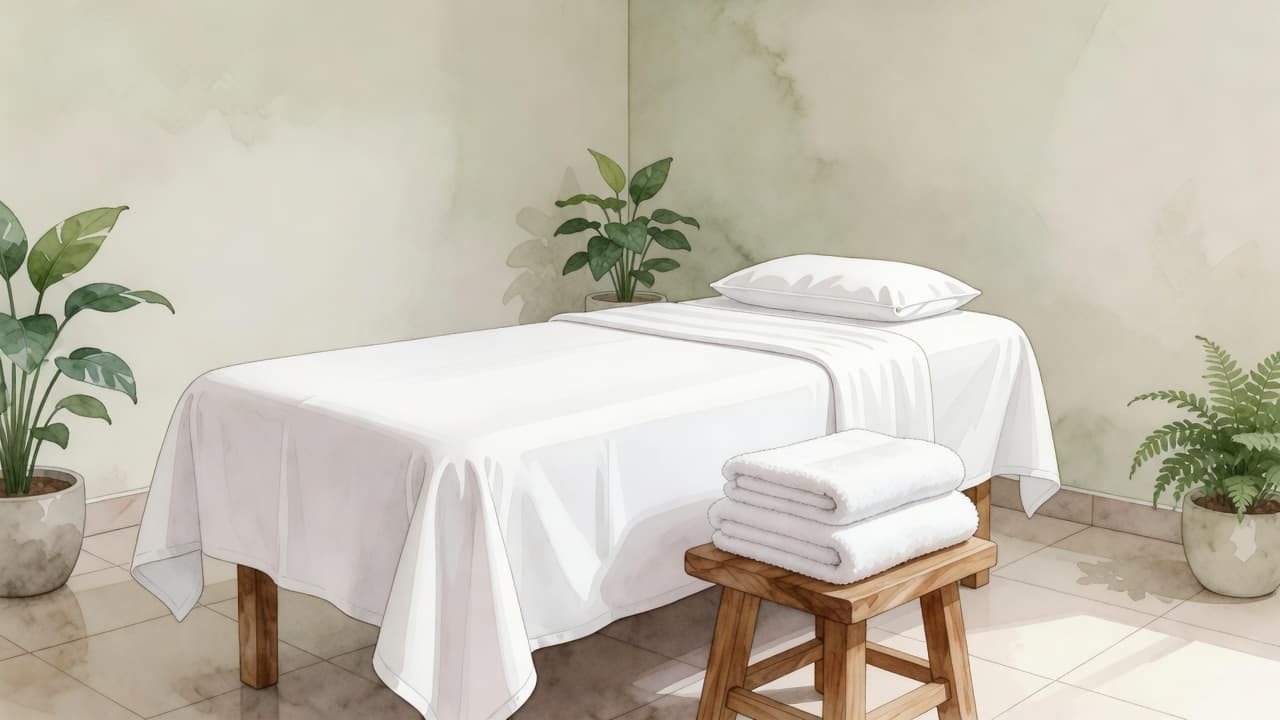 If the towels look clean, the room feels private, and the setup is ready before you arrive, that is a good sign. Small things like these usually separate a polished spa from one that cuts corners.
What good communication looks like before your session
A good spa listens before it starts working. You should be able to ask about pressure level, problem areas, session length, and any health concerns without feeling awkward.
The therapist should also ask simple, useful questions. For example, they may ask where you carry tension, whether you want light or firm pressure, and if you have any injuries or sensitive spots. That short conversation helps them adjust the session to your body.
If you want a clearer sense of the services before you book, the professional massage therapy services in Nairobi page is a helpful reference point. It can make it easier to match the treatment to your goal.
A spa that listens well before the massage usually adjusts better during the massage.
Good communication also includes honesty. If a therapist says deep pressure is not a fit for your current condition, that is a good sign, not a problem. It shows they care about your safety and comfort, not just filling the schedule.
Why location and hours matter more than many people think
Convenience makes a big difference in whether you actually keep massage in your routine. A spa in a location you can reach easily, with simple parking or good access by road, is easier to visit again and again.
That matters in Nairobi, where traffic and timing can turn a short outing into a long one. If the spa is near your home, office, or regular route, booking becomes much less of a decision.
Hours matter too. Evening slots after work and weekend visits give you more flexibility, especially when your week is packed. A spa with limited hours may still be good, but it can be harder to fit into real life.
When a spa is easy to reach and open at practical times, you are more likely to keep massage as part of your routine instead of treating it like a rare treat. Convenience keeps good habits alive.
How to compare prices without choosing only the cheapest option
Price tells only part of the story. A lower rate may look attractive, but it can hide a short session, less experienced staff, or a service that leaves out important details.
Start by comparing session length, therapist quality, and what is included. Some spas include extras like oils, draping, or a more complete consultation, while others keep the service very bare.
A slightly higher price can be worth it if the experience is smoother and more consistent. Better pressure control, cleaner rooms, and a therapist who understands your needs often make the difference between a decent visit and a great one.
A simple comparison helps:
| What to compare | What to look for |
|---|---|
| Session length | 45, 60, 90, or 120 minutes that match your goal |
| Therapist skill | Clear answers, calm approach, and proper technique |
| What is included | Oils, towels, consultation, privacy, and room setup |
| Overall value | Comfort, consistency, and results you can feel |
If two spas charge different prices, the better choice is usually the one that gives you more care, more clarity, and fewer surprises. That is the kind of value that matters long after the appointment ends.
What to expect during your first Massage Nairobi appointment
Your first massage should feel calm, not confusing. Most spas keep the process simple, so you can settle in, talk through your needs, and relax without much effort.
A good appointment usually follows a clear rhythm. You arrive, answer a few questions, choose your pressure, and then lie back while the therapist does the work. If you want a broader look at treatment options before you book, the complete overview of massage types in Nairobi can help you match the right session to your comfort level.
 ### Before the massage starts
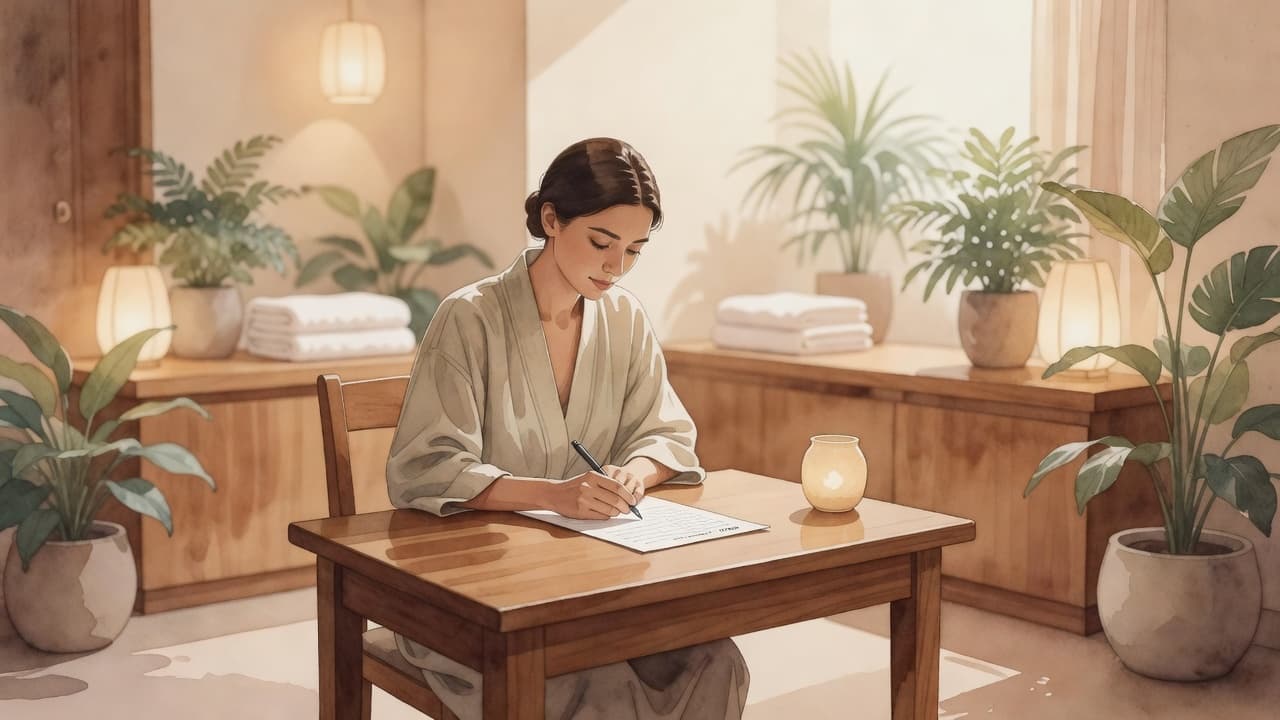
Most first visits begin at reception with a short check-in. You may be asked to fill out a simple form, then the therapist will review it with you before the session begins. This is where you share anything that affects your treatment, such as injuries, allergies, pregnancy, recent surgery, or skin sensitivity.
The therapist will also ask where you feel pain or tightness, which areas need more attention, and which areas they should avoid. Be direct here. If you do not want your lower back touched, or you prefer lighter work on your shoulders, say so clearly.
Pressure choice matters too. Some people want a light, relaxing touch, while others want firmer work on tight muscles. You do not need to guess. Just say what feels right for you, and the therapist can adjust the session before they begin.
A little honesty at the start makes the whole visit smoother. It also helps the therapist work safely and avoid pressure on spots that could feel sore or irritated.
During the session
Once the massage begins, the room should feel private, warm, and quiet. Many spas use soft music, clean sheets, and dim light to help you relax. The therapist usually leaves the room while you get ready, then gives you privacy to lie down before they return.
Draping is standard in a professional spa. That means you stay covered with a sheet or towel, and only the area being worked on is uncovered. You should feel secure, warm, and comfortable the whole time.
The first few minutes often feel like a mix of gentle strokes and steady pressure. Your muscles may feel tight at first, then slowly soften as your body settles. If the therapist finds a knot or tense area, you may notice stronger pressure for a moment, but it should still stay within your comfort zone.
If something feels too strong, too light, or uncomfortable, speak up right away. A good therapist expects that.
You can also ask questions during the session if you need to. For example, you might ask for slower pressure, less work on one side, or more focus on your neck and shoulders. Speaking up does not interrupt the massage, it improves it.
If you want to understand the style you booked, the therapist may explain parts of the treatment as they go. Still, you do not need to talk much. Breathing slowly and letting your body relax is often enough.
After the massage ends
When the massage finishes, the therapist will usually let you know and step out so you can get dressed in privacy. Take your time getting up. Your body may feel loose, sleepy, or a little lightheaded for a few minutes.
Many people leave feeling very calm. Others notice mild soreness, especially after deeper work on tight muscles. That is normal, and it usually fades within a day or so. In some cases, your body may feel like it just came out of a long stretch session, relaxed but a little tender.
A few simple habits help aftercare go more smoothly:
- Drink water to stay hydrated.
- Rest if you need to, especially after a deep tissue session.
- Move gently later in the day so your muscles stay loose.
- Pay attention to how your body feels that evening and the next morning.
If you feel especially sore, warm showers and light stretching can help. However, if something feels sharp, unusual, or lasts longer than expected, it deserves attention.
A first massage should leave you feeling better than when you walked in, even if the effect is subtle. The best sign of a good appointment is simple, you feel calmer, your body feels easier to move, and the next visit already seems less intimidating.
Getting the most from your massage and making it part of your routine
A single massage can do a lot, but the real payoff often comes when you make it regular. The best results usually come from simple habits, clear goals, and a booking rhythm that matches your body’s needs.
If you want massage to help with stress, recovery, or day-to-day muscle tightness, treat it like maintenance. That keeps the benefits going longer and makes each visit easier to plan.
How often you should book depends on your goal
How often you book should match what you want from the session. If stress is the main issue, you may do well with monthly visits or a steady schedule during busy periods. That keeps tension from building up until your shoulders feel locked.
People recovering from sports or heavy training often need a different rhythm. Short-term weekly sessions can help tired muscles settle down, then you can space them out again once the body feels calmer.
Tight muscles from desk work, travel, or long days on your feet usually sit somewhere in between. In those cases, booking every two to four weeks often works well, because it gives you regular relief without waiting until discomfort gets worse. For more detail on timing, the massage frequency guidelines in Kilimani are a helpful reference.
The best schedule is the one you can keep, because consistency matters more than a perfect plan.
Small habits that make each session more useful
A good massage starts before you lie on the table. Drink water beforehand so your body feels ready, and arrive a few minutes early so you can settle in without rushing. That small buffer helps your mind slow down before the session even begins.
Be direct about pain points, sore spots, and pressure preferences. If your neck gets tight from work or your lower back feels stiff after long sitting, say so clearly. The therapist can then focus on what matters most instead of guessing.
After the session, rest if you can. Even a short quiet break helps your body hold onto the relaxed feeling longer.
 ### When massage should be part of a bigger self-care plan
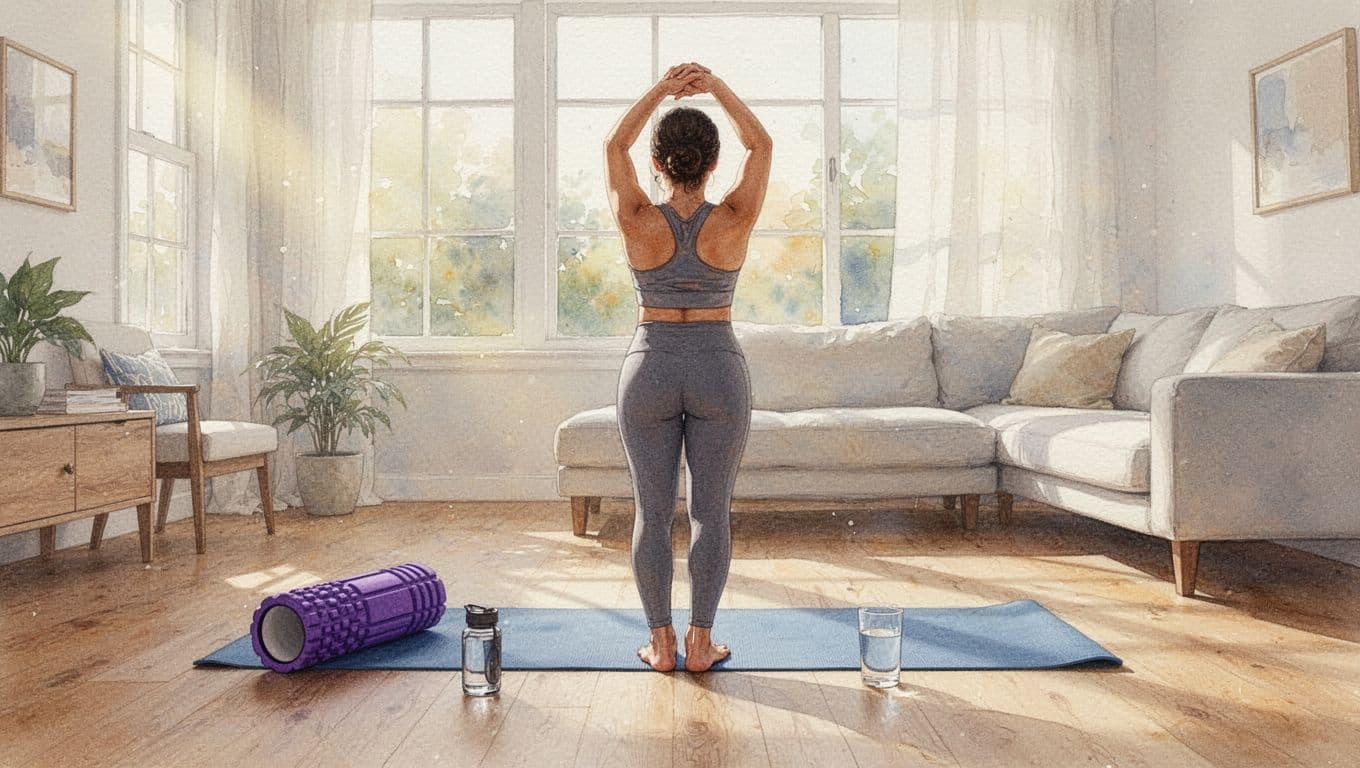
Massage works best when it supports the rest of your routine. Sleep, stretching, movement, and hydration all help your muscles recover and stay loose between visits. Without those basics, massage can feel good for a day and fade too fast.
That is why regular movement matters. A short walk, light stretching, or a bit of mobility work can keep your body from tightening up again so quickly. Hydration also helps, especially after a deep session or a long day in the heat.
Massage is one piece of the puzzle, not the whole picture. When you pair it with better sleep and simple daily care, you get more lasting relief and fewer flare-ups. That is how one good session turns into a habit that supports both comfort and prevention.
Conclusion
The best Massage Nairobi experience is the one that fits your reason for booking. Whether you want stress relief, muscle recovery, or deeper relaxation, the right session should leave you feeling calmer, looser, and more at ease.
That starts with a clean, professional spa and a therapist who listens before the massage begins. If you want a trusted place to begin, massage therapy in Nairobi is a strong place to compare your options and match the treatment to your needs.
Ask questions, be clear about pressure, and choose a session that fits your schedule as well as your body. When you do that, massage stops feeling like a rare treat and becomes a simple, reliable part of staying well.