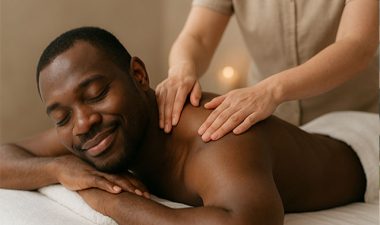
If you’re worn out from traffic, desk aches, training soreness, or a long week, a good massage can feel like a reset. The hard part is picking the Best Massage SPA Nairobi without getting pulled in by photos, hype, or “luxury” that doesn’t match your needs.
Nairobi has great options across Kilimani, Westlands, and Karen, but quality varies. Recent traveler reviews keep pointing to clean spaces, skilled therapists, and consistent pressure as the real difference makers, not the fanciest lobby.
This guide keeps it simple and honest: what to look for (training, hygiene, clear treatment menus, and recent reviews), what to avoid (pushy upsells, vague pricing, and rushed sessions), and how to book the right treatment for your body, whether you need deep tissue for tight knots or a gentler relax-and-recover massage.
What “best” really means in a Nairobi massage spa
“Best” isn’t a trophy a spa wins once and keeps forever. It’s more like the right pair of shoes. The best choice depends on where you’re going and what your body needs today: deep relaxation, pain relief, sports recovery, couple time, or simple self-care.
When people search for the Best Massage SPA Nairobi, they often mean one of two things: a therapist who can work on a real problem (tight shoulders, back pain, sore legs), or a calm place that helps them switch off and sleep better. A quality spa can do both, but you still need to match the massage style, therapist skill, and setting to your goal.
Here’s a simple checklist you can keep in your head when comparing options: skilled therapist, clean linens and rooms, privacy and boundaries, consistent pressure, clear pricing, good recent reviews, easy booking, and safe location with parking or reliable access. If most of those are true, you’re already close to “best” for you.
A quick self-check: what do you need help with today?
Before you book, do a 10-second scan of your body and mood. Where do you feel it most: head, neck, lower back, legs, or all over? Then match your need to a style that fits. This keeps you from choosing a random menu item and hoping it works.
Common needs and what usually helps:
- Stress and mental overload: Swedish massage or aromatherapy massage. Think slow, steady strokes that tell your nervous system to relax.
- Stiff neck and shoulders (desk posture, phone neck): Deep tissue or a focused back, neck, and shoulder massage. Ask for targeted work on traps and shoulder blades, not full-body fluff.
- Lower back pain (tight hips, long sitting): Deep tissue or a sports-style massage that works glutes and hip flexors too. The back often hurts because the hips are locked up.
- Post-gym soreness: Sports recovery massage or hot stone massage. Sports work helps flush soreness, hot stones help muscles soften faster so pressure feels smoother.
- Swelling or heavy legs (standing all day, heat, travel): A gentle lymphatic-style massage (light pressure) or a leg-focused massage. If a spa only offers firm pressure, tell them you want lighter work.
- Poor sleep: Swedish or aromatherapy with a quiet pace and less talking. You want calm pressure and a slow rhythm, not intense pain.
- Long travel fatigue (flights, road trips, city walking): A trekker’s foot massage plus back and leg work. This is great if your feet feel “flat” and your calves are tight.
A quick tip: if you want pain relief, some tenderness is normal, but you should still be able to breathe steadily. If you’re holding your breath, it’s too much.
Green flags that usually mean a quality spa
A good spa feels organized before anyone even touches your muscles. The small details tell you a lot about training, hygiene, and respect.
Look for these green flags:
- They ask intake questions first: “Where do you feel pain?”, “Any injuries?”, “How is your sleep?”, “How much pressure do you like?”, “Any allergies?”, “Are you pregnant?”, “Any areas you don’t want touched?” This is how pros avoid mistakes.
- Fresh linens, every time: Clean sheets, clean towels, and a face cradle cover that looks newly changed. If it smells fresh and looks crisp, that’s a good sign.
- Clean, calm rooms: Floors, surfaces, and bathrooms should be clean. The room should feel private, not like people can walk in anytime.
- Professional boundaries: Clear draping with towels or sheets, clear consent, and no weird comments. You should feel safe and respected the whole time.
- Clear timing choices: They explain options like 60 minutes for a focused session and 90 minutes for full-body plus problem areas. They also start and end on time.
- They check pressure during the session: You’ll hear, “Is this pressure okay?” and they adjust without attitude.
- Hydration and aftercare advice: Simple tips like drinking water, taking it easy after deep work, stretching gently, or using heat for tight areas.
If a spa does these basics well, it usually means the therapist is trained and the management cares about standards, not just sales.
Red flags to watch out for before you pay
Bad spa experiences often start at the front desk, not on the table. If something feels off early, trust that feeling and choose another place.
Watch for these warning signs:
- Unclear pricing: No menu, no confirmed price before you start, or extra charges that appear at checkout. You should know the cost, duration, and what’s included.
- Pushy upsells: Being pressured into add-ons you didn’t ask for, especially before they’ve even heard your needs. Suggestions are fine, pressure is not.
- No intake questions at all: If they don’t ask about injuries, pressure, or goals, they’re guessing. Guessing is how people get bruised or leave in more pain.
- Dirty facilities or used linens: Any sign of poor hygiene is a deal-breaker. Massage is close contact. Cleanliness is non-negotiable.
- Rushed sessions: Starting late, ending early, or a therapist who keeps leaving the room. A real 60-minute session should feel complete, not hurried.
- Inconsistent pressure and random technique: One minute too soft, the next minute painfully sharp, with no check-ins. Skilled work feels intentional and steady.
- Reviews that mention safety issues: Pay attention to patterns in recent reviews, not just one angry comment. If multiple people mention inappropriate behavior, lack of privacy, or feeling unsafe, walk away.
“Best” should leave you feeling cared for, not confused, pressured, or sore in the wrong way. If you spot two or more red flags, it’s usually smarter to keep your money and book elsewhere.
Massage styles you will see most in Nairobi, and who each one is for
Most people booking the Best Massage SPA Nairobi aren’t looking for a fancy name on a menu, they’re looking for a feeling. Better sleep. Looser shoulders. Legs that don’t feel like concrete after a run. The good news is that Nairobi spas tend to focus on a handful of popular styles, and each one has a clear “best for” type of person.
Use this section like a matchmaker. Think about your week (desk hours, gym days, travel fatigue, stress), then pick the massage that fits your body and your mood.
Swedish massage for full-body relaxation and better sleep
Swedish massage is the “exhale” option. It uses light to medium pressure, long gliding strokes, gentle kneading, and a steady rhythm that helps your body drop out of fight-or-flight mode. If your mind feels busy, or you feel tense but can’t point to one specific knot, Swedish is often the best place to start.
What it feels like during a session:
- Long strokes along the back, legs, arms, and neck, meant to calm the nervous system.
- Comfort-focused pressure, where you can still breathe slow and easy.
- A smooth pace that makes it easier to switch off mentally (it’s common to get sleepy).
This style fits a lot of Nairobi lifestyles. If you sit at a desk all day, Swedish helps when your shoulders feel “lifted” without you noticing. If you’re a traveler, it’s a gentle way to reset after flights, walking, and Nairobi traffic tension. If you’re a new mom who just wants to feel like yourself again, Swedish is often a kinder choice than intense pressure (always share any comfort needs and areas to avoid).
Swedish is also great if you’re new to massage. You get the benefits of touch, warmth, and rhythm without bracing for pain. A helpful way to describe it to your therapist is: “I want relaxation, but please spend extra time on my neck and shoulders.”
If you want a clearer idea of what a session includes, see this guide to Swedish massage for relaxation and sleep support.
Deep tissue massage for tight muscles and stubborn knots
Deep tissue massage is the “get in there” option, but it should still feel controlled, not punishing. It uses slow, firm pressure and focused work on tight layers of muscle, especially where you carry stubborn knots (upper back, hips, calves, and lower back are common).
What to expect during a session:
- Slower strokes than Swedish, with sustained pressure that gradually softens tight spots.
- Targeted work on problem zones, not equal time everywhere.
- Some soreness after, especially if it’s been a while since your last massage. Many people describe it like post-workout tenderness for a day or two.
This style is usually the best match if you:
- Train at the gym, play sport, or run regularly and get recurring tightness.
- Have a desk job and feel chronic shoulder and upper-back tension.
- Feel “knots that don’t move” no matter how much you stretch.
A simple real-life example: a runner with tight calves and hip flexors often needs firm, slow work through the lower body, plus glutes and lower back. Another is the desk worker who feels tension between the shoulder blades, deep tissue can be more effective than light strokes when the tightness is baked in.
When to avoid deep tissue (or at least choose a gentler option):
- Recent injury, acute strains, or areas that feel hot, sharp, or inflamed.
- Easily bruised skin or sensitivity to strong pressure.
- Days when you already feel run-down and just need rest.
One tip that helps: rate the pressure honestly. Aim for “productive discomfort,” not “I’m holding my breath.” For a deeper breakdown of how it’s done, check this page on deep tissue massage for tight muscles and knots.
Aromatherapy massage for stress relief, mood, and gentle care
Aromatherapy massage takes the calming effect of massage and adds essential oils to support the mood you want. Think of it like choosing background music for your nervous system. The massage itself is usually gentle to medium pressure, and the scent becomes part of the experience.
What happens in a typical session:
- You’ll often be offered a choice of scents (for example, something fresh and uplifting, or something soft and calming).
- The therapist blends the oil and uses it during the massage, so the scent stays with you throughout.
- The focus tends to be soothing and steady, not intense knot-hunting.
This style is ideal if you’re stressed, mentally tired, or emotionally “wired.” If Swedish feels relaxing, aromatherapy can feel even more calming because scent is tied to memory and mood. It’s also a great choice for people who want massage benefits but don’t want strong pressure.
Simple examples where aromatherapy fits well:
- Desk job burnout: you want your shoulders and scalp to relax, and your mind to quiet down.
- Traveler fatigue: you want gentle full-body care and a calmer mood before sleep.
- New mom self-care: you want comfort-focused touch and a peaceful experience (share any scent dislikes or sensitivity).
Important safety note: do a quick allergy and sensitivity check. If you react to perfumes, have asthma triggers, or get headaches from strong scents, tell the spa before the oil goes on your skin. You can also ask for a lighter amount or unscented oil.
For a closer look at what’s involved, see this guide to aromatherapy massage with essential oils for stress relief.
Hot stone massage, a top Nairobi trend in 2026
Hot stone massage is showing up on more Nairobi spa menus in 2026 for a simple reason: heat relaxes muscles fast. When your body warms up, tight areas often soften sooner, and pressure feels smoother. Many people drift off during a hot stone session because it combines warmth with slow massage rhythm.
What the stones feel like:
- Smooth, heated stones (often basalt) placed on key areas like the back or legs.
- Warmth that spreads gradually, like a heating pad, but more precise.
- The therapist may also massage using the stones, almost like an extension of their hands, to glide over tight muscles.
Hot stone is a great match if you:
- Feel tense “all over” and want relaxation without deep pain.
- Get cold easily, or love the comfort of heat.
- Have muscle tightness but prefer a gentler experience than deep tissue.
It’s also popular with people who struggle to relax during massage. Heat gives your body “permission” to let go. If you’ve ever noticed how a hot shower loosens a stiff neck, hot stones create that same softening effect, but paired with skilled massage.
Who should skip it (or ask for modifications):
- Anyone with heat sensitivity or who gets uncomfortable with warmth.
- If you simply don’t like the feeling of heat on the skin.
- If you’re unsure, ask the therapist to start with lower heat or fewer stones.
A good session should include check-ins like, “Is the temperature comfortable?” You should feel warm and safe, not overheated. For details on how the treatment is typically done, see hot stone massage for fast muscle relaxation.
Best Massage SPA Nairobi: a simple way to compare spas side by side
When you’re trying to find the Best Massage SPA Nairobi, the fastest way is to compare a few places using the same yardstick. Otherwise, it’s easy to get swayed by one nice photo or one dramatic review.
Use this simple scorecard to compare 3 to 5 spas in under 10 minutes. Keep it neutral, score what you can verify, and ignore hype.
Quick spa comparison scorecard (copy and fill in):
| Category | What to check | Score (1 to 5) |
|---|---|---|
| Pricing transparency | Clear menu, clear session length, no surprise fees | |
| Packages and value | Bundles, couples options, add-ons priced upfront | |
| Therapist skill | Reviews mention technique, pressure control, and results | |
| Hygiene | Clean rooms, fresh linens, bathroom cleanliness | |
| Atmosphere | Quiet, private, calming, not rushed | |
| Location and access | Fits your area, parking, security, predictable travel time | |
| Booking policy | Easy booking, clear late policy, clear payment options |
A real example from recent Nairobi reviews (2026) is that people praise spas where therapists adjust pressure well and spaces feel clean and calm. Names that come up often include Serenity Spa, Aromatics Spa, Kaya Spa, Wild Earth Day Spa, and Blossom Spa, but the same comparison method works for any spa you’re considering.
Start with reviews, but read them the smart way
Reviews are useful, but only if you read them like a detective, not like a fan. A five-star rating without details can be marketing. A one-star rant can be a one-off. What you want is a pattern.
Here’s what “real” reviews usually include:
- Therapist details: People mention the therapist by name, describe the pressure, and explain what changed after the session (less neck pain, looser hips, better sleep).
- Cleanliness notes: Fresh linens, tidy rooms, clean bathrooms, and a professional setup.
- Timing and structure: The session starts on time, feels like a true 60 or 90 minutes, and isn’t rushed.
- Repeat visits: Phrases like “I’m a regular,” “I go weekly,” or “I came back” often signal consistency, not just a lucky day.
Now for the smart part: read 10 to 20 recent reviews, then look for repeat themes. If many people mention “great deep tissue” and “pressure checks,” that’s stronger than one glowing story. If multiple reviews mention “rushed” or “kept trying to upsell,” that’s also a pattern.
A quick way to filter reviews without getting overwhelmed:
- Sort by newest first and read the last 3 to 6 months.
- Look for specific outcomes, not just “amazing.”
- Give extra weight to reviews that mention hygiene, privacy, and boundaries.
- Treat extremes carefully. One “best massage of my life” or one “worst ever” doesn’t tell the full story.
When reviews mention things like therapist skill, cleanliness, and a calm vibe again and again (a trend seen in several well-reviewed Nairobi spas in 2026), it usually means the spa has standards, not just good luck.
Match the spa to your day, location, and schedule
The “best” spa on paper can be the wrong choice if it turns into a two-hour round trip in traffic. Think of your massage like a meal. Sometimes you want a quick, satisfying lunch. Other times you want a full weekend dinner.
Start by choosing the kind of day you’re having:
- Quick lunch break massage (30 to 60 minutes): Pick the closest reliable option. You want minimal travel, easy parking, and a clear check-in process. A focused back, neck, and shoulders session can do a lot in 45 to 60 minutes if the therapist is skilled.
- After-work reset (60 minutes): Plan around peak traffic. If you finish work at 5 pm, the “closest” spa might still take forever. Book later, or choose a spa that’s on the side of town you already need to be on.
- Weekend reset (90 minutes): This is where atmosphere matters more. A quieter spa, stronger privacy, and a slower pace can make the extra time feel worth it.
In Nairobi, location choices often come down to convenience:
- Kilimani: Great if you want something central and easy to reach from several areas.
- Westlands: Works well if you’re already nearby for work or errands, but plan for traffic around busy hours.
- Karen: Often ideal for a slower weekend pace, especially if you want a calmer setting and you’re already in that direction.
A practical rule: don’t book a 60-minute massage if the travel will cost you 90 minutes. You’ll arrive tense and leave worried about the ride back.
Also consider booking habits. Even well-reviewed Nairobi spas can fill up in the evenings and on weekends. If you already know your preferred day and time, book ahead and ask about:
- How early you should arrive
- Whether late arrival shortens your session
- Whether they can note your pressure preference on your profile
Matching the spa to your schedule is not just logistics, it protects the whole experience.
Questions to ask when booking so there are no surprises
A good booking call or WhatsApp chat should leave you feeling clear, not unsure. These questions keep things simple and protect your time, comfort, and budget.
Ask these 10 questions before you confirm:
- What is the exact session length on the table? (For example, is a “60-minute massage” actually 60 hands-on minutes, or 50 minutes plus changing time?)
- What pressure levels do you offer, and can you adjust during the session? Tell them if you like light, medium, or deep, and whether you want focused work on a problem area.
- Can I request a male or female therapist? If you have a preference, ask early so it’s easy to schedule.
- What’s included in the price, and what costs extra? Confirm add-ons like hot stones, aromatherapy oils, reflexology, or scrubs.
- Do you have a shower, and is it available before or after? Helpful if you’re coming from the gym or heading to an event.
- What should I wear, and what will you provide? Ask about disposable underwear, towels, draping, and what stays on.
- How early should I arrive? Many spas prefer 10 to 15 minutes for check-in and settling in.
- What is your late-arrival and cancellation policy? Confirm if you lose time, pay a fee, or need to reschedule.
- What payment methods do you accept? Ask about M-Pesa, card, cash, and whether tips are included or optional.
- How do you handle privacy and comfort? Simple checks like private rooms, proper draping, and a clear process if you want an area avoided.
If the answers feel vague, or the pricing changes mid-chat, consider it a signal. The Best Massage SPA Nairobi experience usually starts with clear communication, not confusion.
A closer look at Nairobi Massage & SPA in Kilimani (and what makes it stand out)
If you want a Best Massage SPA Nairobi option that feels calm, organized, and consistent, Nairobi Massage & SPA in Kilimani is worth a look. It’s located at Afya Maisonettes, Kindaruma Road, off Ngong Road, a spot that’s easy to reach from much of the city.
What makes it stand out is the overall feel of the experience. The feedback themes are simple but important: friendly staff, therapists who understand pressure points, and clients leaving very relaxed and “light.” That combination usually points to good basics done well: clear communication, steady technique, and a room that stays quiet enough for your body to actually let go.
Signature experiences to try if you want something different
If standard Swedish or deep tissue feels too “same old,” these options are more specific and can feel like a targeted reset. Here’s who each one tends to suit best:
- Trekker’s Foot Massage: Great if your feet feel beaten up from walking, standing, travel, or training. It’s especially helpful for people who get heavy calves and tired legs and want that “spring back in your step” feeling.
- Herbal Massage Therapy: A strong choice when you want deep relaxation with a sensory element. If you like natural scents and you want your whole body to unwind, the herbal approach can feel comforting and grounding (people often mention the herbs smelling amazing).
- Singing Bowl Therapy: Best for mental fatigue and stress that sits in your chest and shoulders. If your body feels tense but your mind is the bigger issue, this can be a gentle way to slow down, breathe easier, and settle your nervous system.
- Korean Special Bath: Ideal when you want a full-body refresh that feels more like a “reset ritual” than a simple massage. It can be a smart pick before an event, after a long week, or anytime you want to feel cleaner, lighter, and more awake.
- Special Beauty Therapy: A good fit if you want your session to improve how you look and feel, not just loosen muscles. Think of it as the option for days when you want to leave with a calm face, relaxed body, and a more put-together feel.
A quick tip: if you’re trying a new therapy style, tell them what you want most (pain relief, deep relaxation, better sleep, lighter legs). The therapist can match the pressure and pace to that goal.
Prices, plans, and how to budget for a great session
Massage value is not about finding the cheapest slot. It’s about choosing the session length that gives your body enough time to respond. When you compare options, compare by minutes and focus, not just cost.
Use this simple budgeting approach:
- Start with 60 minutes if you have one main issue (tight shoulders, lower back tension, heavy legs). A focused hour can do a lot when the therapist doesn’t rush.
- Move to 90 minutes if you have multiple problem areas, for example neck plus lower back plus tight hips. With 90 minutes, you get full-body relaxation and still have time for real problem-solving.
- Choose add-ons with a purpose, not because they sound fancy. Foot work is great if you stand all day. A bath makes sense if you want a full reset. If your goal is pain relief, put time into the massage minutes first.
If you’re watching your spend, here’s a useful way to think about it: a 60-minute session is like a targeted tune-up, a 90-minute session is like servicing the whole car and fixing the noisy part too. Both can be worth it, but only if you pick the one that matches your needs.
Also, don’t be shy about describing your pressure preference clearly:
- Light pressure: relaxation, anxiety relief, sleep support
- Medium pressure: general muscle tightness, desk tension
- Deep pressure (controlled, not painful): stubborn knots, sports soreness
That one choice can decide whether you leave feeling better or feeling like it “didn’t do much.”
How to book, where to go, and when to visit
For the smoothest experience, treat booking like you’re booking a haircut with a specialist. You want the right service, the right time, and a clear plan before you arrive.
A simple booking flow that works:
- Pick the treatment based on your goal (relaxation, pain relief, foot fatigue, stress reset).
- Pick your time slot and share any preferences up front (pressure level, focus areas, therapist gender preference if you have one).
- Arrive 10 to 15 minutes early so you’re not walking in stressed and rushing straight onto the table.
- Before the session starts, say what your body needs today: “Medium pressure, please focus on shoulders and upper back,” or “My calves are sore, go gentle on my lower back.”
- During the session, speak up once if the pressure is off. A good therapist adjusts fast, no awkwardness.
Where to go: Nairobi Massage & SPA is in Kilimani at Afya Maisonettes, Kindaruma Road, off Ngong Road. If you’re using a ride-hailing app, that full location detail helps reduce wrong turns and delays.
When to visit: Weekdays are listed as 8am to 6pm. Saturday hours appear more limited, so it’s smart to confirm the exact closing time before you head out, especially if you’re booking later in the day.
If you want a calm session, mid-morning and early afternoon often feel quieter than after-work hours. If you’re going for deep work (deep pressure, feet, or recovery), try not to book right before a heavy workout. Give your body time to settle afterward.
Make your massage feel amazing: simple prep and aftercare that works
A great massage is not only about the therapist’s skill, it’s also about what you do around the session. Think of it like a good night’s sleep, the routine before and after matters. If you want that “my body feels light” result (especially when you’re choosing the Best Massage SPA Nairobi options), use this simple prep and aftercare playbook to get more value from every minute on the table.
Before your appointment: small steps that change the whole experience
You don’t need a complicated routine. A few small choices can make the session feel smoother, more comfortable, and more effective.
- Shower if possible (warm is best): A warm shower helps you feel fresh and can soften tight muscles. If you can’t shower, a quick freshen-up still helps you relax mentally.
- Eat light, not heavy: Aim for a light meal 2 to 3 hours before. Heavy food can leave you feeling bloated on the table, and that can make it hard to breathe deep and relax.
- Hydrate early, not all at once: Drink water in the hours leading up to your session. Chugging right before can leave you needing the bathroom mid-massage.
- Arrive a little early: Even 10 to 15 minutes helps your nervous system slow down. Rushing in from traffic keeps your shoulders up around your ears.
- Put your phone on silent: The goal is fewer alerts and fewer mental check-ins. If you need to be reachable, set one emergency contact and let the spa know.
- Share injuries and medical notes: Mention anything recent or ongoing, like a back strain, ankle sprain, sciatica, pregnancy, high blood pressure, or skin sensitivity. The therapist can adjust technique and pressure.
- Choose your comfort level up front: Tell them what you want most: relaxation, pain relief, sports recovery, or better sleep. Then add your pressure preference (light, medium, deep).
- Remove jewelry and watches: Rings, chains, and smartwatches can get in the way, and they can also distract you. Keep them safe in your bag.
- Plan a calm ride home if you can: If the massage is deep or you tend to feel sleepy after, try not to schedule a stressful errand right after. A calm ride helps the benefits stick.
One more practical tip: if you’re coming from the gym, do the workout first, then massage after. Deep work can make muscles feel loose, and heavy training right after often feels harder than usual.
During the massage: how to speak up without feeling awkward
Good therapists expect feedback. Your job is not to “tough it out.” Your job is to help them help you. If something feels off, say it early, in a simple sentence. No long explanation needed.
Here are easy phrases you can use word for word:
- For lighter pressure: “Can you go a bit lighter, please?”
- For deeper pressure (without pain): “A little more pressure is okay, as long as it stays comfortable.”
- To focus on shoulders or a problem area: “My shoulders are the main issue today, can you spend more time there?”
- To avoid a sensitive area: “Please avoid my lower back today, it’s sensitive.”
- To change technique if it feels sharp: “That feels sharp, can you adjust the angle or use a softer approach?”
- To adjust temperature: “Could we make the room a bit warmer (or cooler)?”
- To change music or volume: “Can the music be a little lower?”
- To reset when you’re tense: “Give me a second to breathe, then you can continue.”
A simple rule that works: you should be able to breathe slowly during pressure. If you’re holding your breath or tensing your jaw, it’s too much. Try this in the moment: inhale through your nose for four counts, exhale for six. Your body often releases faster when your breathing stays steady.
After the session: how to make the benefits last into tomorrow
The massage does a lot, but your next few hours decide how you feel the next day. Treat the rest of your day like a soft landing.
Start with these basics:
- Drink water: Have a few glasses over the next couple of hours. If Nairobi weather feels hot or dry, you may need more than usual. Skip heavy alcohol right after, it can dehydrate you.
- Do gentle stretching: Keep it easy, not intense. A slow neck stretch, child’s pose, or a light hip stretch helps your body hold on to the looseness.
- Take a warm shower: Warm water can calm the nervous system and ease any tenderness, especially after deep tissue. It also helps if you feel oily from massage lotion.
- Choose an early night: Sleep is when your body does the repair work. If you can, plan a quieter evening and get to bed a bit earlier.
- Avoid intense workouts right away after deep tissue: Give it at least 12 to 24 hours if the session was heavy. A gentle walk is fine, but hard lifting or sprints can feel rough on freshly worked muscles.
Normal soreness vs when to seek help: Mild tenderness for a day (sometimes two) after a deep session can be normal, similar to post-workout soreness. What’s not normal is sharp pain, numbness, new tingling, severe swelling, unusual bruising, dizziness that doesn’t pass, or pain that gets worse each day. If any of those happen, contact a healthcare professional.
To make your next visit even better, track one quick note on your phone:
- What pressure felt best
- Which areas needed more time
- What didn’t feel good (too much elbow, too much neck work, room too cold)
That small record turns your next appointment into a session that fits you faster, with less guesswork and better results.
Conclusion
The Best Massage SPA Nairobi choice comes down to four clear steps: pick your goal (sleep, stress relief, pain, or recovery), choose the style that matches it (Swedish, deep tissue, aromatherapy, hot stone), compare a few places with the scorecard, then book with confidence. The best experiences in 2026 still track back to the basics: clean rooms, skilled hands, steady pressure, and clear pricing, not flashy extras.
Start with a reputable spa in an area that’s easy for you to reach, because a shorter, calmer trip makes the session work better. Share your needs early (pressure level, focus areas, injuries, and anything to avoid) so the therapist can deliver results you can feel, not a generic routine.
When you’re ready, explore the services and book a time that gives you space to relax afterward. What would make the next session a win for you: less pain, better sleep, or a quieter mind?