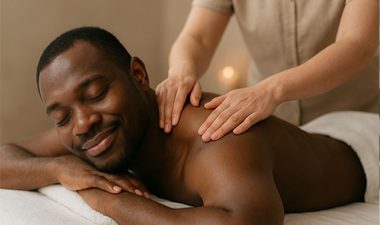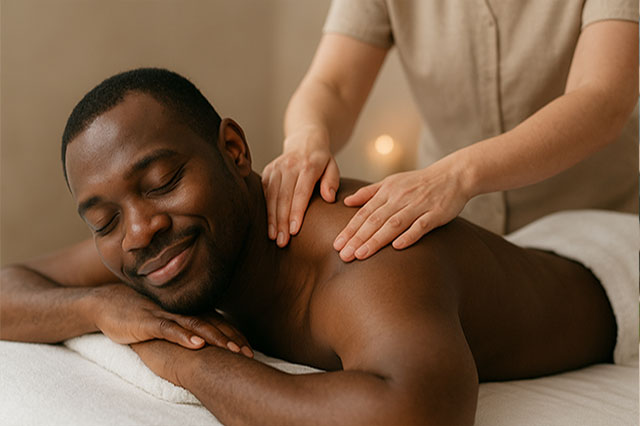
A good massage shouldn’t feel like a mystery. In plain terms, it’s hands-on work (sometimes with tools) that uses pressure and movement on your muscles and soft tissue to ease tension, reduce soreness, and help your body relax.
People book massages for simple, real-life reasons: stress that won’t switch off, back pain from long hours sitting, stubborn muscle tightness after workouts, sleep that’s been off lately, or faster sports recovery. It can also be a helpful reset when you feel stiff, run down, or just need quiet time to breathe.
This guide is for first-timers who aren’t sure what to wear or what to say, and for regulars who want better results from each session. You’ll get a clear breakdown of popular types (like Swedish, deep tissue, hot stone, aromatherapy, and sports massage), what each one is best for, and what benefits you can realistically expect.
You’ll also learn what happens in a typical appointment, how to communicate pressure and comfort, and when to skip a massage or ask your doctor first. Massage is only getting more common, the U.S. Bureau of Labor Statistics projects 18% job growth for massage therapists from 2023 to 2033, so knowing how to choose a great therapist matters.
What a massage actually does in your body (and why it feels so good)
A Massage isn’t “just relaxing.” It’s touch and pressure that tells your body it’s safe to soften. Muscles that have been bracing all day start to let go, blood flow improves in the areas being worked, and your stress response often quiets down. That combo is why you can walk out feeling lighter, looser, and more clear-headed, even after a short session.
That said, results vary based on your goal, your stress level, your sleep, and what your body is dealing with right now. The same session can feel amazing for one person and only “okay” for another, and that’s normal.
Relaxation vs pain relief: two different goals, two different approaches
A relaxation massage is mostly about comfort and calming your system. Think smooth, steady strokes, gentle kneading, and a pace that feels like it’s slowing your thoughts down. The therapist usually covers broader areas (back, shoulders, legs) and keeps pressure in the “this feels good” zone. You should be able to breathe easily and unclench your jaw without trying.
Pain relief is different. When you want help with a stubborn tight spot, the work is often slower, more focused, and sometimes more intense. The therapist may spend longer on a small area and use firmer pressure, careful holds, and specific angles to ease knots and tender points. It can feel strong, but it should still feel controlled, not sharp.
A simple example:
- Stress headaches often come from tension in the neck, jaw, and upper shoulders. A relaxation-focused approach can calm those areas and reduce that “wired” feeling that feeds headaches.
- A tight lower back from long sitting or heavy training may need slower, targeted work on the lower back, hips, and glutes, plus guidance on pressure so your muscles stop guarding.
The key difference is the goal: soothing versus changing a specific problem area.
The nervous system effect: why massage can help stress and sleep
When life is busy, your body can get stuck in high alert, like an engine idling too fast. Massage helps signal the opposite. With steady pressure and safe, predictable touch, many people shift into a calmer mode, breathing slows, the heart rate often settles, and the mind stops racing.
This is one reason massage can support better sleep. It’s hard to fall asleep when your shoulders are up by your ears and your brain is still running tomorrow’s to-do list. Massage helps lower that background tension, so it’s easier to unwind at night. People also report a mood lift after a session, which makes sense when your body feels less “on edge.”
If you want the sleep benefit, book your session at a time you can actually come down afterward. Rushing straight into traffic, emails, or a tough workout can cancel out part of the reset.
After effects: what’s normal to feel after a massage
Right after a massage, it’s common to feel sleepy, thirsty, or a bit “floaty.” Some people notice mild soreness the next day, especially after deeper work. That soreness usually means tissues were challenged, similar to how you might feel after a new workout. It should ease within a day or two.
What should not happen is just as important. A massage shouldn’t leave you with:
- Sharp pain during or after
- Numbness or tingling that doesn’t quickly pass
- Severe bruising or worsening pain over the next 24 to 48 hours
A quick way to judge pressure: good pressure feels intense but relieving, and you can still breathe normally. Pain makes you tense up, hold your breath, or want to pull away.
To help your body keep the benefits, try these simple aftercare steps:
- Drink water over the next few hours, especially if you feel thirsty.
- Take it easy for the rest of the day if you can, your body is adjusting.
- Use gentle movement (a short walk or light stretching) to stay loose.
- Skip heavy training for 12 to 24 hours after deep work if you’re sore.
- Sleep earlier if you feel drowsy, that’s often when your body restores.
Most popular types of massage and who they work best for
Choosing a massage is easier when you start with your goal: do you want to switch off stress, work out a stubborn knot, or recover from training and long days on your feet? Pressure, pace, heat, oils, and technique all change how a session feels, and who it suits best.
Use this quick rule: if you’re new, start gentler and adjust from there. You can always go deeper next time. If you have an injury, are pregnant, have a clotting issue, or you’re managing a medical condition, check with your clinician and tell your therapist before the session.
Swedish massage: the classic choice for stress relief and first timers
Swedish massage is the “starter” massage for a reason. It uses light to medium pressure, long gliding strokes, gentle kneading, and steady rhythm. The goal is relaxation, circulation support, and easing that everyday tightness that builds up in shoulders, neck, and lower back.
What it feels like: smooth, flowing work across bigger muscle groups, often with oil. It’s more like ironing out wrinkles in a shirt than digging into a knot.
Swedish works best for:
- First-timers who aren’t sure what pressure they like yet
- People with stress, poor sleep, or tension headaches
- Anyone who wants a full-body reset without soreness after
Be cautious if:
- You bruise easily or take blood thinners, ask for lighter pressure
- You have a new injury or inflammation, the therapist may avoid that area
- You dislike oil or scents, request unscented products
A simple ask that helps: “Keep it relaxing, and tell me before you increase pressure.”
Deep tissue massage: targeted pressure for stubborn knots and long term tightness
Deep tissue massage is not “as hard as possible.” It’s slow, focused work that uses pressure in a controlled way so the muscle can actually release. A good deep tissue session often starts lighter, then gradually sinks into layers that feel tight or “stuck.”
What it feels like: deliberate pressure, slower strokes, and time spent on problem spots (upper back, hips, glutes, calves). You might feel intensity, but it should still feel productive, not sharp.
Deep tissue works best for:
- Long-term tightness from desk work or repetitive lifting
- People who get “knots” that come back fast
- Active bodies that need targeted work, not just relaxation
Be cautious if:
- You’re very sore, sick, or run down, deep work can feel like too much
- You have nerve pain, sciatica symptoms, or numbness, speak up fast
- You’re pregnant or have clotting risks, get medical guidance first
How to communicate intensity (this matters):
- Use a 1 to 10 scale, aim for 6 to 7, where you can still breathe
- Say “That’s too sharp,” not “It hurts a bit,” if it makes you tense
- Ask for “same spot, less pressure” instead of pushing through
Hot stone massage: heat that helps muscles let go faster
Hot stone massage pairs massage strokes with smooth heated stones placed on key areas (often the back, shoulders, or legs). Warmth helps muscles soften sooner, which can make the whole session feel easier on your nervous system. When your body feels safe and warm, it stops guarding as much.
What it feels like: soothing heat, slower pacing, and a heavy, calming sensation from the stones. Many people who feel tense all the time say it’s the first time their shoulders truly drop.
Hot stone works best for:
- People who feel “stuck” from stress and can’t relax easily
- Those who want deep relaxation without deep pressure
- Anyone who tends to feel cold or tight in the muscles
Be cautious if:
- You have heat sensitivity, rosacea flares, or migraines triggered by warmth
- You have neuropathy or reduced sensation, you might not feel if it’s too hot
- You’re pregnant or have circulatory issues, get cleared and request adjustments
If you’re unsure, ask for “warm, not hot” stones, and have the therapist check in often.
Aromatherapy and herbal massage: adding scent and plant based oils for deeper calm
Aromatherapy and herbal massage add essential oils or plant-based oils to a massage to support relaxation and mood. The technique can be Swedish-style or deeper work, but the sensory layer (scent and skin feel) is the main difference.
What it feels like: a normal massage with an added calming “signal” to your brain. Scents can change how you experience the room, like turning down the volume on mental noise.
How essential oils are usually used:
- Mixed into a carrier oil or lotion at a safe dilution
- Used in the room (diffuser) if you prefer not to apply to skin
- Chosen based on your preference, not a one-size-fits-all promise
Picking a scent:
- Lavender: classic for relaxation and sleep support
- Eucalyptus or peppermint: feels fresh, can be too strong for some
- Citrus: uplifting, good if you want “calm but not sleepy”
Be cautious if:
- You have asthma, migraines, or scent sensitivity, request unscented
- You have eczema or reactive skin, ask for a patch test or very mild dilution
- You’re pregnant, some essential oils are not recommended, keep it simple
Sports and foot focused massages: recovery for busy bodies
Sports massage and foot-focused work are perfect when your body is doing a lot. Sports massage often combines targeted pressure, compression, and stretching to help recovery and maintain movement. Foot massage (including reflexology-style pressure) focuses on the soles, heels, toes, and calves, which can affect how your whole body feels when you stand and walk all day.
What it feels like:
- Sports: specific work on calves, quads, hamstrings, hips, and shoulders, plus stretching that can feel “good tight”
- Foot-focused: thumb and knuckle pressure on the feet, slow holds, and calf release (often surprisingly intense)
Works best for:
- Athletes, runners, gym-goers, hikers, and people with physical jobs
- Anyone with tight calves, plantar tension, or heavy legs after long days
Be cautious if:
- You have a fresh strain, swelling, or sharp pain, avoid aggressive work
- You have diabetes, neuropathy, or circulation issues, foot pressure must be gentle
- You’re pregnant, certain points and positions may need changes
Also trending in 2026: lymphatic drainage massage, which uses very light strokes to encourage fluid movement. It’s a fit for people with puffiness or swelling and those who want a calming, “lighter than Swedish” touch. It’s not the same as deep tissue, and it should never feel painful. Avoid it unless cleared if you have heart failure, kidney issues, infection, or a history of blood clots.
What happens in a massage session, step by step
A Massage appointment is pretty predictable once you’ve done it once. Most sessions follow the same flow: you arrive, share a few details that shape the work, get comfortably draped on the table, then the therapist checks in while they work. The goal is simple, help you feel safe, relaxed, and better in your body, without guesswork.
A practical rule for time: 60 minutes is great for a full-body “reset,” 90 minutes is better if you want full-body plus extra focus on 1 to 2 problem areas (like neck and shoulders, or hips and lower back).
Before the massage: quick intake questions that help you get better results
Before you get on the table, expect a short intake form and a few direct questions. This part isn’t paperwork for the sake of it, it’s how the therapist avoids triggers and targets what you actually need.
Here’s what they may ask, and why it matters:
- What brings you in today (relaxation, pain relief, recovery)? Your goal sets the pace and pressure, like choosing between a calm walk and a focused workout.
- Where do you feel pain or tightness, and what kind is it? “Dull ache” and “sharp nerve-like pain” are not the same, and the approach changes.
- Any injuries, surgeries, or areas to avoid? Old shoulder injuries, fresh sprains, or a sensitive lower back need smart adjustments.
- Pressure preference (light, medium, firm)? If you don’t know, say that. They can start lighter and build up.
- Allergies or skin sensitivities (oils, lotions, scents)? This helps them choose unscented products or skip aromatherapy.
- Pregnancy or postpartum status? Positioning and pressure points may change, and side-lying might be best.
- Medical conditions and meds (blood thinners, high blood pressure, nerve issues)? Some conditions call for gentler work or avoiding certain techniques.
Honesty protects you. If you “tough it out” or skip details, the therapist can’t make safe choices, and you might leave sore in the wrong way.
During the massage: how to communicate pressure and comfort in real time
After intake, you’ll be shown to the room. The therapist will step out so you can undress to your comfort level. Most people remove everything except underwear, but you can keep more on if you prefer. You’ll lie under a sheet or blanket, and draping keeps you covered; only the area being worked on is uncovered, and private areas stay covered the whole time. The therapist usually knocks before re-entering.
The massage often starts with lighter strokes to warm the tissue, then moves into deeper kneading or focused work if that’s the plan. Add-ons can show up here too, like heat packs on tight muscles or gentle stretching near the end to help you feel more open and loose.
Use simple, clear phrases. You don’t need to be polite at the expense of comfort:
- “A bit lighter, please.”
- “You can go a little deeper, that pressure feels good.”
- “Stay on that spot for a moment.”
- “That feels sharp, can you adjust?”
- “My hand is tingling, can we change position?”
- “Can you avoid my lower back today?”
Consent is ongoing. You can ask to change pressure, stop a technique, or have an area skipped at any time.
After the massage: simple habits that help the benefits last longer
When the session ends, the therapist steps out so you can dress at your own pace. After that, a few small habits can help you stay loose longer:
- Drink water over the next few hours, especially if you feel thirsty.
- Take a short walk or do gentle movement so your body doesn’t stiffen up again.
- Stretch lightly (think easy neck rolls, chest opening, hip flexor stretch), not intense flexibility work.
- Try a warm shower later to keep muscles relaxed, especially after deep work.
- Avoid a hard workout for a few hours if you feel tender, give your tissues time to settle.
- Eat a normal meal and don’t skip rest if you feel sleepy.
- Make a quick note for next time, what pressure felt best, what area needed more time, and anything you want avoided.
How to choose the right massage for your needs
The “best” Massage isn’t the fanciest one, it’s the one that matches what your body is asking for today. Think of it like shoes, you wouldn’t wear running shoes to a wedding. If you’re unsure, start gentle (light to medium pressure), see how you feel the next day, then adjust on your next visit.
Pick based on your goal: a quick matching guide
Use this as a quick match, then tell your therapist your top 1 to 2 goals so they can focus the session.
| Your goal | Massage type(s) that usually fit | Pressure to start with |
|---|---|---|
| Stress, feeling wired | Swedish, hot stone, aromatherapy | Light to medium |
| Back or neck tightness | Deep tissue (targeted), therapeutic focus | Medium, build to firm |
| Tension headaches | Swedish plus neck, jaw, scalp focus, aromatherapy (if you tolerate scent) | Light to medium |
| Workout recovery, sore legs | Sports massage, deep tissue (spot work) | Medium |
| Swelling or puffiness | Lymphatic drainage | Very light |
| Sleep support | Swedish, hot stone, slow-paced relaxation | Light to medium |
| “I just want to feel better” | Swedish or a mixed session (relaxation plus a few focused areas) | Light to medium |
A simple “if this, try that” list:
- If you want calm fast, try Swedish with slower pacing.
- If you want knots addressed, try deep tissue but keep it in the “strong, not sharp” range.
- If you hate intense pressure, try hot stone, heat helps muscles soften without force.
- If you feel puffy, try lymphatic drainage (it should never hurt).
How often should you get a massage
Frequency depends on three things: your goal, your stress level, and what you do day to day (desk work, training, parenting, travel). Budget matters too, consistency beats one huge session.
- One-time reset: 1 session when you feel run down, stiff, or stressed.
- Monthly maintenance: every 4 to 6 weeks for general wellness and tension control.
- Tough pain or heavy training block: 1 time per week (sometimes 2) for a short period, then taper to every 2 to 4 weeks once things settle.
If you feel sore for more than 48 hours after deep work, go lighter next time or space sessions out.
Questions to ask before you book
A quick call or message can save you from a mismatch. These questions keep it simple and safe:
- What training and licensing do you have?
- Do you have experience with my issue (neck pain, headaches, sports recovery, swelling)?
- What Massage type do you recommend for my goal, and why?
- How do you adjust pressure during the session?
- What session length fits my goal, 60 or 90 minutes?
- Can you focus on specific areas (like hips and lower back) without doing deep pressure everywhere?
- What is your policy if I’m late, and does it shorten my time?
- How do you handle privacy and draping?
- What hygiene steps do you follow (fresh linens, handwashing, room cleaning)?
- Are there any reasons I should not book today (fever, new injury, blood thinners, pregnancy)?
Safety first: when massage helps and when to pause or get medical advice
Massage is great for the everyday stuff, tight shoulders from your laptop, a stiff back after travel, sore legs after training, stress that shows up in your jaw. In these cases, a well-done session can calm your nervous system, ease muscle guarding, and help you move more freely.
But massage is not a tool for “pushing through” warning signs. If your body is sending signals that something is off, the safest move is to pause and get medical advice. Think of massage like stretching; helpful for normal tension, risky when there’s an injury, infection, or a symptom that needs a diagnosis.
Red flags: symptoms that should not be “massaged away”
If you notice any of the signs below, skip the massage (or stop the session) and speak with a clinician. A good therapist will agree and support that choice.
- Sudden, severe pain, especially after a fall, lift, or accident. Sharp pain is your body’s alarm, not a knot that needs more pressure.
- Numbness or tingling that is new, spreading, or not improving with position changes. That can point to nerve involvement.
- Unexplained swelling, severe tenderness, warmth, or redness in one limb. This can be a reason to rule out a blood clot or infection.
- Chest pain, shortness of breath, or fainting feelings. These are medical issues first, not massage issues.
- A severe headache that comes with other symptoms (vision changes, weakness, confusion, fever, stiff neck, or vomiting).
Also pause for common “do not book today” situations: fever, contagious illness, open wounds, new rash, burns, severe swelling, or recent surgery without clearance. Massage can wait; your recovery should not.
Sensitive groups: pregnancy, older adults, and ongoing health conditions
Some people can still enjoy massage safely, they just need the right approach and honest disclosure.
Pregnancy: Seek a therapist trained in prenatal care. Positioning matters (often side-lying), pressure is usually lighter, and certain areas may be avoided. If you’re in your first trimester or have a high-risk pregnancy, get guidance from your clinician before booking.
Older adults: Bodies change. Skin can bruise more easily, bones may be more fragile (osteoporosis), and joints may be sensitive. A smart therapist adjusts with gentler pressure, slower pace, and sometimes shorter sessions.
Ongoing conditions (like diabetes, high blood pressure, heart disease, cancer care, blood-thinner use, neuropathy, or autoimmune flares): Tell your therapist what you take and what symptoms you get. Massage may be fine with modifications, but some areas or techniques should be avoided.
A simple rule: if you’d mention it to a nurse, mention it at intake.
Hygiene, professionalism, and boundaries in a quality spa
A safe massage experience should feel clean, clear, and respectful from the first minute.
Look for these basics:
- Fresh linens for every client, a clean table, and a room that doesn’t feel “re-used.”
- Hand washing or sanitizer before touch, and clean tools if any are used.
- Clear consent: you’re told what will happen, and you can change pressure or stop anytime.
- Proper draping: only the area being worked on is uncovered, private areas stay covered.
- No pressure to do anything uncomfortable: no guilt, no pushing, no weird comments.
Massage supports wellness, comfort, and recovery, but it does not replace medical care. When in doubt, get checked first, then come back to the table with peace of mind.
Conclusion
Massage works best when you treat it like a tool, not a mystery. The right session can calm your nervous system, ease tight muscles, and help with stress, sleep, and everyday aches, without needing extreme pressure to “count.” Whether you choose Swedish for simple relaxation, deep tissue for stubborn knots, hot stone for warmth-driven release, aromatherapy for a calmer mood, or sports and foot work for recovery, the main win is matching the style to your goal.
A good appointment is also straightforward, you’ll talk through your needs, stay properly draped, and get check-ins on pressure and comfort. Small choices make a big difference, start gentle if you’re new, go longer (90 minutes) when you want focused work, and pay attention to red flags like sharp pain, numbness, swelling, fever, or a fresh injury.
Thanks for reading, now book a Massage that fits what your body needs this week. Tell your therapist your goal (relaxation, pain relief, recovery), and share your pressure preference early so the work stays comfortable and effective.