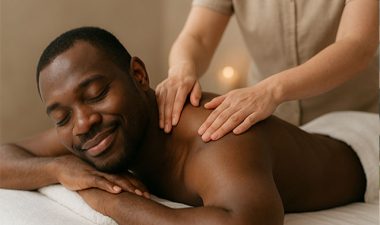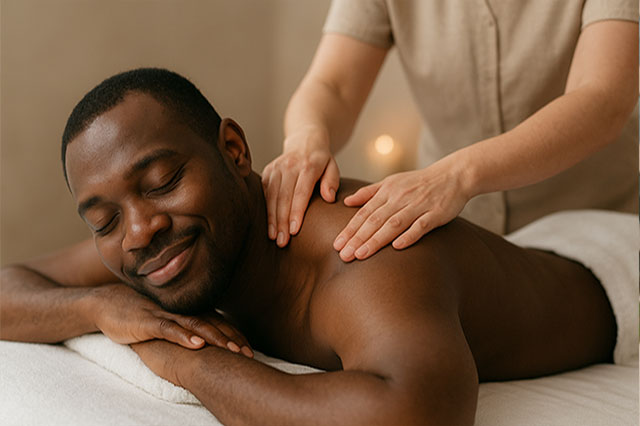
Long week at work, tight shoulders after the gym, or that stiff feeling after travel, it adds up fast. A good Massage in Kilimani can ease soreness, calm your mind, and help you sleep better, but only if you pick the right place.
Kilimani is central and easy to reach from many parts of Nairobi, so you’ll find plenty of spas and therapists nearby. The catch is that quality can vary, from great hands and clean rooms to rushed sessions that don’t do much. Knowing what to look for saves money and disappointment.
In this guide, you’ll get a clear look at the most common options in the area, including deep tissue, Swedish-style relaxation, hot stone, and foot-focused treatments. You’ll also learn how to match a style to your goal, whether that’s stress relief, muscle recovery, or simple downtime.
If it’s your first visit, you’ll see what a normal session feels like, from consult and pressure checks to privacy and aftercare. There’s also a simple checklist for safety and hygiene (linens, therapist professionalism, and how the room should be set up), plus practical booking tips and what prices often look like in Kilimani (many sessions land around KSh 3,000 to 8,000 for about an hour, with premium spots higher).
What “massage in Kilimani” usually means, and what you can actually book
When people search for Massage in Kilimani, they’re usually after one of two things: a calm, feel-good reset (stress relief, better sleep, switching off), or targeted work for tight areas (sports recovery, stubborn knots, post-desk stiffness). The tricky part is that many places use similar words in their menus, even when the session style is totally different.
A quick scan of the service description can tell you what you’re actually booking, and help you pick the right pressure, pace, and focus before you show up.
Relaxation vs therapeutic massage, how to tell the difference before you arrive
Most Kilimani spas offer both, but they’re built for different outcomes.
Relaxation-focused sessions usually read like:
- Swedish, aromatherapy, calming, soothing, gentle, light-to-medium pressure
- Mentions of sleep, stress relief, unwind, mood, full-body flow
- A “whole body” approach with fewer details about specific problem areas
Therapeutic-focused sessions often read like:
- Deep tissue, trigger point, sports, pain relief, firm pressure
- Mentions of knots, tension release, mobility, targeted areas
- Clear focus zones like neck and shoulders, lower back, hips, calves
Before you pay, ask a few questions. It saves you from booking a “relaxing deep tissue” that turns out to be neither.
Quick booking checklist (call or online chat):
- “Is this session mainly for relaxation, or targeted muscle work?”
- “What pressure range do you use, and can I request light pressure?”
- “Do you work on specific areas if I mention them, like neck or lower back?”
- “Is it a full 60 minutes hands-on, or does that include consultation and changing?”
- “What should I avoid wearing, and do you provide disposable underwear or draping?”
Popular styles you will see around Kilimani, and who they suit best
You’ll see the same names across many menus, but the feel is different. Here’s the simple match-up:
- Swedish massage: Best for stress relief, first-timers, and anyone who wants a smooth, relaxing session. Be cautious if you hate oil or prefer very focused work.
- Deep tissue massage: Fits gym-goers and people with stubborn tightness who want firm pressure. Be cautious if you bruise easily, feel sore for days after pressure, or want a gentle session.
- Hot stone massage: Great when you want warmth and slow, calming work on tense muscles. Be cautious if you’re sensitive to heat or prefer brisk pressure.
- Aromatherapy massage: Fits anyone who relaxes through scent and wants a softer, spa-like experience. Be cautious if strong smells trigger headaches or irritation.
- Foot massage: Ideal for tired feet after long days, standing jobs, or travel. Be cautious if your feet are very ticklish or tender.
- Stretching-based sessions: Good for people who feel stiff and want guided movement with pressure. Be cautious if you don’t like being moved into stretches, or if you prefer a quiet, still session.
Add-ons and spa extras that can change the whole experience
Add-ons can turn a normal appointment into a full reset, but they also change the time, price, and the “feel” of the session. In Kilimani, common extras include herbal compress (warm pouches pressed along tight areas), singing bowls (sound-focused relaxation), and access to sauna or steam at some spots. You may also see body scrubs for smooth skin or a special bath experience as part of a package.
Before confirming, ask two practical questions: what’s included in the listed price, and how many extra minutes the add-on adds. That small detail often decides whether you leave refreshed, or rushed.
How to choose a good massage therapist or spa in Kilimani
When you book Massage in Kilimani, you’re not just paying for a technique. You’re paying for hygiene, comfort, and a therapist who listens. The best places feel consistent from the first hello to the last minute of aftercare. If you’re new to massage, use the steps below to avoid awkward surprises and end up somewhere you’d happily return to.
A simple quality checklist, cleanliness, privacy, and professionalism
Think of this like checking into a good hotel room. Small details tell you a lot before the massage even starts.
Start with these practical checks as soon as you arrive:
- Fresh linens: The bed should have clean sheets, a clean face cradle cover, and no oily smell. If you see stained towels or reused-looking covers, leave.
- Hand washing: A professional therapist washes hands before starting (or uses sanitizer in front of you). It’s a basic safety signal.
- Clean room basics: Look for a tidy floor, clean surfaces, and a bin with a liner. Bathrooms should be clean too, not “almost clean.”
- Clear draping policy: A good spa explains how they cover you with a sheet or towel and what stays covered. You should never feel exposed.
- Respectful communication: You should be asked about pain areas, injuries, and pressure preference. The tone should be calm, not rushed or flirty.
- Calm environment: You don’t need luxury, but you do need quiet, steady lighting, and minimal interruptions.
During the session, professionalism shows up in the small moments:
- They explain boundaries before they begin (what they will work on, what they won’t).
- They ask for consent before changing pressure or moving to sensitive areas (like hips, glutes, chest, or inner thighs).
- They check in after a few minutes to confirm pressure and comfort.
- They adjust without attitude when you ask for lighter pressure, more focus on one area, or less talking.
If anything feels off, you’re allowed to stop. A good therapist will respect that without pushing back.
Reading reviews the smart way, what to trust and what to ignore
Reviews help most when you treat them like a pattern-finding exercise, not a popularity contest. One glowing review can be luck. Ten reviews mentioning the same thing is information.
Scan reviews with this quick method:
- Look for repeats: Consistent mentions of pressure control, cleanliness, punctuality, and therapist skill usually mean the experience is stable.
- Check the details: Reviews that mention “fresh towels,” “asked about injuries,” or “checked pressure” tend to be more reliable than generic “amazing service.”
- Sort by recent: Prioritize the last 3 to 6 months. Staff turnover happens, and cleanliness can change over time.
Watch for red flags that show up in wording:
- Pushy upsells: If multiple people mention being pushed into add-ons mid-session, expect a sales-heavy experience.
- Unclear pricing: Complaints like “price changed at checkout” or “extra fees” are serious. Transparent places confirm the total before you start.
- Poor hygiene hints: Words like “musty,” “dirty,” “used towels,” or “smelled like oil” are non-negotiable warnings.
From 2025 to 2026, many Nairobi reviews highlight a few trends: late hours (including very late appointments) and more personalized pain relief, where therapists focus on specific tight areas and adjust pressure often. Those are good signs when paired with strong notes on cleanliness and punctuality.
Pricing and value, what usually affects the cost in Nairobi
Massage prices in Nairobi vary for real reasons, and a higher price isn’t always better. What matters is whether the price matches the experience you want.
Here’s what usually affects cost:
- Location and overheads: A spa in a prime, easy-access spot may charge more simply due to rent and staffing.
- Therapist experience: Skilled hands cost more, especially for deep tissue and pain-focused work.
- Session length: A true 90-minute session should feel unhurried. Confirm whether “60 minutes” means hands-on time or includes changing and consultation.
- Add-ons and heat treatments: Hot stones, special oils, herbal compresses, or foot-focused upgrades increase cost.
- Couples rooms: Couples setups often cost more because they require extra space, coordination, and two therapists.
A light example range can help you sanity-check: some Kilimani deep tissue providers charge around KES 6,000, while couples hot stone packages can be higher (often in the KES 8,000 to 12,000+ range depending on the venue and extras). Prices change, so confirm the total cost before you book, and ask what’s included (time, add-ons, shower access, and taxes if applicable).
What to expect during your first massage appointment in Kilimani
A first Massage in Kilimani should feel simple and respectful, not confusing or awkward. Most spas follow a familiar flow: you arrive, share a few details so the therapist can work safely, then you get a quiet session with clear privacy rules, and you leave with a few basic aftercare tips (often with tea or water). The biggest thing to remember is this: you’re in control the whole time. You can ask for changes, pause, or stop, without needing to explain yourself.
Before the session, quick intake questions and setting your goals
After you check in, expect a short chat or form. It’s not paperwork for the sake of it, it’s how the therapist avoids hurting you and gets better results.
Common questions include:
- Where do you feel pain or tightness most? (neck and shoulders, lower back, hips, calves)
- What pressure do you like? Light, medium, or firm
- Any injuries or recent surgery? Sprains, slipped discs, strained muscles, or chronic issues
- Are you pregnant, or could you be? This changes positioning and what’s safe
- Any allergies or sensitivities? Especially to oils, scents, or heat treatments
This is also where you set the tone. Be direct about what you want, because “a massage” can mean very different things.
Try saying one clear goal:
- “I want to relax and switch off today.”
- “My neck and shoulders are tight from desk work.”
- “Please focus on my lower back and hips.”
- “My feet feel tired, I’d like extra time on them.”
If you’re unsure, say that too. A good therapist can guide you toward a lighter Swedish-style session or more targeted deep tissue work.
During the massage, draping, pressure, and how to ask for changes
You’ll usually be shown to a private room to change. In most places, you undress to your comfort level and lie under a sheet or towel. Draping means you stay covered, and only the area being worked on is uncovered. That’s the standard for privacy.
Early in the session, the therapist may check pressure. You don’t have to “tough it out.” Use simple, exact phrases:
- “Please use lighter pressure.”
- “Can you go a bit firmer on this side?”
- “That spot feels sharp, please avoid it.”
- “Can you focus more on my upper back?”
- “Please spend less time on my legs.”
If anything feels wrong, speak up right away. You can also say, “I need to stop,” at any point. A professional therapist will pause and adjust without arguing.
After the massage, soreness, hydration, and when to rest
After a deep tissue session, mild soreness can happen. It can feel like the day after a workout: tender muscles, a little heaviness, or warmth in tight areas. That’s common for 24 to 48 hours.
What’s not normal: strong pain, numbness, dizziness that doesn’t pass, or bruising that spreads. If that happens, contact the spa and consider medical advice.
Simple aftercare helps you feel better faster:
- Drink water over the next few hours (and skip heavy alcohol if you can).
- Do light stretching for stiff areas, nothing intense.
- Avoid hard workouts the same day if you feel tender.
- Rest if you feel sleepy, your body is settling.
If stress and tightness keep coming back, book follow-ups. Regular sessions (even monthly) often work better than waiting until you’re in pain again.
Best times to book, how long to go, and how often to get a massage
If you want your Massage in Kilimani to feel worth the time and money, plan it like you’d plan a workout, match the session length to your goal, book at the right time, and repeat it often enough to maintain results. A massage isn’t magic, it’s more like ironing a wrinkled shirt, it works best when you don’t wait until the creases are deep.
Choosing the right session length, 30, 60, or 90 minutes
30 minutes works best when you have one clear problem area. Think neck and shoulders after laptop days, a tight lower back, or calves after a run. It’s also a smart choice if you’re new to massage and want to test pressure, therapist style, and comfort level without committing to a full hour.
60 minutes is the practical “full-body” option for most people. It gives enough time for a complete routine (back, legs, arms, neck) while still focusing briefly on your tightest spots. If you’re balancing a budget, a regular 60-minute session often beats a rare 90-minute session because consistency matters.
90 minutes is for deeper work plus breathing room. You can spend real time on stubborn areas (hips, lower back, shoulder blades) and still finish with calming strokes so you don’t walk out feeling rushed or overworked. It’s a great fit when stress is high, sleep is off, or you’re carrying tightness from weeks of training.
One planning note that saves frustration: add-ons need extra time. Hot stones, herbal compress, foot focus, or a scrub can eat into hands-on massage if they’re squeezed into the same slot. Ask how many minutes the add-on takes, then book longer so the main massage doesn’t get shortened.
How often should you go, based on stress, workouts, or chronic tightness
Frequency depends on what you’re trying to fix. Use simple schedules that fit real life, then adjust based on how your body responds.
A good starting point for most people:
- Monthly: general wellness, better sleep, and “maintenance” when you feel mostly fine.
- Every 2 to 3 weeks: busy periods at work, high stress, lots of sitting, or frequent travel.
- Once a week (short-term): intense training blocks, recurring tightness, or rehab-style care for a limited time (often 3 to 6 sessions), then taper back.
Listen to the signals after each visit. If you feel looser for only two days, you may need closer spacing for a while. If you’re sore for more than 48 hours, you probably went too deep, too soon, or trained hard right after.
Booking tips for Kilimani, late hours, weekend rush, and planning ahead
For busy professionals, timing is half the battle. Some Kilimani spas advertise flexible scheduling, including later evening slots and early starts, but online listings don’t always show true availability. The most reliable move is to confirm by call or WhatsApp, especially if you need an after-work appointment.
To avoid the common squeeze:
- Book ahead for Fridays and weekends. Those slots fill first because people want to recover after the week.
- If you can, choose mid-week evenings or late-morning weekdays for a calmer, less rushed experience.
- Arrive 10 minutes early so you can use the restroom, settle, and do a quick intake chat without cutting into your hands-on time.
If you’re planning around budget, ask one direct question before you confirm: “Is the session time full hands-on time, or does it include changing and consultation?” That answer helps you choose between a 60-minute and 90-minute booking with no surprises.
Safety, comfort, and common red flags to avoid
A great Massage in Kilimani should feel safe, clean, and fully in your control. Think of it like getting into a car with a driver you trust: you should know where you’re going, what it costs, and you should feel comfortable the whole ride. If anything feels unclear or rushed, slow it down with questions, or choose another place. Your comfort matters as much as the technique.
Health situations where you should ask a doctor first
Massage is usually low risk, but some health issues make it smart to pause and get medical advice first. If you’re not sure, treat it like exercise: when your body is fighting something, rest is often the better choice.
Ask a doctor first (or skip the session) if you have:
- Fever or flu-like symptoms: If you feel unwell, massage can leave you more drained.
- Infections (skin infections, contagious illness): You don’t want to spread it or irritate the area.
- Open wounds or rashes: Oils and rubbing can slow healing and raise infection risk.
- Recent surgery: Healing tissue is sensitive, and pressure can cause problems.
- Uncontrolled high blood pressure: Some techniques and heat can affect how you feel.
- Blood clots (or a history of them): Pressure can be dangerous in this situation.
- Severe varicose veins: Avoid strong pressure over bulging, painful veins.
- Pregnancy considerations: Prenatal massage can be great, but it should be done by someone trained, using safe positioning and avoiding certain pressure points.
Even if your condition feels “small,” tell the therapist. Mention allergies, meds (especially blood thinners), old injuries, or chronic pain. A good therapist adjusts pressure, positioning, and areas worked on.
Boundaries and consent, what professional behavior looks like
You control the session, full stop. You control pressure, pace, and what areas are worked on. If you want only back and shoulders, that’s valid. If you want to skip glutes or hips, that’s also valid.
Professional behavior usually looks like this:
- They explain draping (you stay covered, only the area being worked on is uncovered).
- They check pressure early and respond well when you say, “lighter” or “avoid that spot.”
- They ask before working near sensitive areas, such as upper chest, inner thighs, hips, or glutes.
- Their tone stays respectful, neutral, and focused on the massage.
If something feels off, you don’t need to debate it. Say, “Please stop,” sit up, and end the session. Leave if you feel unsafe. A professional will respect that without arguing.
Red flags, unclear prices, poor hygiene, and pressure to add extra services
Most problems are avoidable with a quick check before you start. If answers are vague, trust that signal.
Watch for these red flags:
- Unclear prices or “we’ll discuss after”
- Unclear duration (60 minutes should mean 60 minutes, not 45 hands-on)
- Dirty room, musty smells, or no fresh linens
- No hand washing or therapist starts without sanitizing
- Pushy upsells mid-session, especially add-ons you did not request
- Ignoring your no, or touching areas you did not agree to
Before you undress, ask and confirm:
- The price list (total cost, including any extras).
- The session duration and what counts as hands-on time.
- What’s included (oil choice, shower access, hot stones, towels).
Clean linens and a tidy room are non-negotiable. If basics are missing, pick another place and move on.
Conclusion
Massage in Kilimani works best when you treat it like a simple plan, not a gamble. Start by picking your goal, stress relief, muscle recovery, or a bit of both, then book the style that matches it (Swedish for calm, deep tissue for tight spots, hot stone for slow warmth, foot work for heavy legs). Choose a length that fits your needs too, 30 minutes for one problem area, 60 minutes for a full reset, 90 minutes when you want real time on stubborn tension.
Quality is easy to spot when you know what to check: clean linens, washed hands, clear draping, honest pricing, and reviews that mention pressure control and professionalism. During the session, speak up early, pressure and focus should adjust to you, not the other way around. If tightness keeps returning, plan follow-ups and space them based on how long you feel better.
Now pick a reputable Kilimani spa, book one session this week, and use how you feel after to fine-tune your next visit. Thanks for reading, what would make your next massage feel like a win: deeper work, more relaxation, or both?