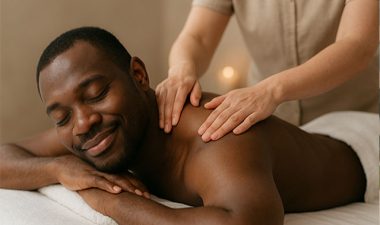
When your shoulders are up to your ears and your phone won’t stop buzzing, it’s hard to think straight. If you’re searching for massage near me in Nairobi, you probably want real wellness relief, not a gamble.
Maybe it’s work stress, neck and shoulder pain, gym soreness, poor sleep, anxiety, or those long hours in traffic. A good massage can calm your nervous system, loosen tight muscles, and help you feel like yourself again.
This guide breaks down how to choose the right massage type for what you’re feeling, from full body massage to more targeted options (Swedish for relaxation, deep tissue for stubborn knots, sports-focused work for training aches). It also covers how to tell if a place is clean, safe, and professional, so you’re not guessing with your body.
You’ll get a clear idea of what you might pay in Nairobi, since prices often vary by style and time. In many areas, a session can range from about KES 1,500 to KES 10,000, with specialty options often costing more.
By the end, you’ll know how to book quickly, what to ask before you go, and how to get better results after your session (hydration, timing, and a simple recovery plan).
What “Massage Near Me” Really Means, and How to Narrow It Down Fast
When you type Massage Near Me, you’re rarely asking for the closest pin on a map. You’re asking for a place you can actually get to, safely, at the right time, with the right massage therapist, for the exact problem you feel in your body. In Nairobi, “near me” also means traffic, parking, building entry, and whether there’s a same-day slot when you’re already uncomfortable.
Use this quick filter to cut through the noise at massage places in under a minute: location (Kilimani and nearby), open hours, same-day slots, therapist preference (male or female), pressure level, budget, and purpose (relaxation vs pain relief). Searches often spike when people want quick relief, but booking ahead still matters on busy days, especially weekends.
Start with your goal, stress relief, pain relief, sleep, or sports recovery
Before you compare prices or ratings, get clear on what you want today. Answer this 30-second checklist:
- What’s bothering you most right now? Headaches and tight shoulders for stress relief, lower back pain for pain relief, post-workout soreness, swelling, anxiety, or you just want quiet time.
- Where is it? Neck, shoulders, lower back, legs, feet, or all over.
- How much pressure feels right? Light, medium, or firm.
- Do you want to feel calm, or fixed? Some days you need both, but pick the priority.
- How long can you spare? 30 minutes, 60 minutes, or 90 minutes.
Then match your goal to a likely direction (no overthinking):
- Stress and mental fatigue often fits Swedish or aromatherapy, lighter pressure, longer strokes for relaxation.
- Stubborn knots and ongoing tightness often points to deep tissue, slower, firmer work.
- Training aches and stiff legs usually fits sports-focused massage to support recovery.
- Tired feet from long days can suit foot massage or reflex-style work.
Choose a location that matches your schedule, not just your map
A massage “near” you can still be a headache if it takes an hour to reach. Nairobi traffic is real, and parking can be limited, so plan around your day, not wishful thinking.
Practical ways to narrow it down fast:
- Search by neighborhood you can reach reliably, like Kilimani, Kileleshwa, Westlands, or the CBD edges (depending on where you are).
- If you’re going in the evening, check closing time and confirm the last booking slot. Many spas run roughly 9 AM to 9 PM, but it varies.
- Think about building security and entry, especially for late appointments. A place can be great and still slow to access.
- Read the latest reviews, not the ones from years ago. Staffing and standards change.
If you want a same-day appointment, book your appointment early. Same-day slots can exist, but Saturdays and after-work hours fill fast.
Know the difference between a spa experience and a medical-style massage clinic
A quick way to choose is to ask yourself what you want to walk out with.
Spa-style massage (relaxation-first) usually focuses on:
- A calm room, soft music, and a slower pace
- Full-body flow, aromatherapy, and comfort
- Feeling lighter, quieter, and less “switched on”
Therapeutic or clinic-style massage (problem-first) usually focuses on:
- Targeting pain points (neck, lower back, hips)
- Firmer pressure, trigger points, and mobility work
- A plan for tight areas, not just a relaxing hour
If today’s main issue is stress, poor sleep, or burnout, a spa-style session often hits the mark. If you’re dealing with persistent pain, limited movement, or sports strain, choose a more therapeutic setup and describe the exact area and pain level when you book.
Picking the Right Massage Type for Your Body (Simple Guide)
Common massage techniques include a few popular styles. The right pick depends on two things, what you want to feel after, and how your body reacts to pressure, scent, and heat. Research up to 2026 links massage with a lower stress response, better blood circulation, and less soreness for many people, but results vary by person, and consistency matters more than a one-off visit.
Swedish massage: best if you want to relax and reset
Swedish massage uses gentle, flowing strokes, light kneading, and steady rhythm. It’s the classic “exhale and let go” style that promotes relaxation, because it helps your body shift out of that tense, switched-on mode.
Choose Swedish if you:
- Are a first-timer and want something predictable
- Feel stressed, mentally tired, or have muscle tension
- Want a full-body session that feels soothing, not intense
A good Swedish session should feel like your muscles are being “ironed out” slowly, not poked or forced. Your simple expectation: you should leave calmer, looser, and clearer, not sore. If you want deeper work later, Swedish is still a smart starting point because it helps you learn what pressure feels good.
Deep tissue massage: best for stubborn knots and long-term tightness
Deep tissue massage uses slower strokes and stronger pressure to work into deeper muscle layers. It’s often the best match when you’ve had tightness for a long time, or you can point to a specific knot that never seems to go away.
Choose deep tissue if you:
- Deal with chronic neck, shoulder, or lower back tightness
- Train often and feel “stuck” or heavy in certain areas
- Want focused work more than a relaxing flow
Some soreness can happen after, like a tough workout, especially if the therapist works on dense knots. That’s normal for many people, but sharp pain isn’t. Speak up about pressure, and mention it if you bruise easily, because good deep tissue is controlled, not brutal.
Aromatherapy massage: best when your mind feels as tired as your body
Aromatherapy pairs massage with essential oils to support relaxation and stress relief. The massage itself may feel like Swedish (light to medium pressure), but scent adds another layer that can help you unwind faster.
Before you start, keep it practical:
- Ask what oils they use and what each one is meant to support
- Avoid strong scents if you get headaches or feel nauseated by perfume
- Mention asthma, skin sensitivity, or allergies up front
If you want a session that feels like a mental reset plus body relief, aromatherapy is a strong option. You should leave feeling settled, not overwhelmed by fragrance.
Hot stone massage: best when you feel stiff and want warmth to loosen you up
Hot stone massage uses warm stones placed on key areas and sometimes glided along muscles. Heat helps tense muscles relax faster, which can make tight spots soften without needing very firm pressure.
It’s a great fit if you:
- Feel stiff from long sitting, travel, or stress
- Prefer warmth and a slower pace
- Want comfort-focused relaxation
Be cautious if you’re heat-sensitive, don’t like very warm temperatures, or feel unwell in hot environments. Ask for the stones to be cooler or removed if anything feels too hot.
How to Tell if a Massage Place Is Clean, Professional, and Worth Your Money
When you’re searching Massage Near Me in Nairobi, it’s easy to get pulled in by nice photos and a low price. Clean and professional is less about “luxury” and more about basics done right, clear info, respectful communication, fresh linens, and boundaries that feel normal. Think of it like choosing a restaurant, if the front looks sloppy, the back probably is too.
Use the quick checks below to filter options before you spend time or money.
Green flags you can spot in 2 minutes (before you book)
You can learn a lot from their Google listing, social pages, and one WhatsApp chat. Look for signs that they run their place like a real service, not a hustle.
- Clear service menu: They list massage types (Swedish, back massage, deep tissue, hot stone, reflexology), and each one has a short description that matches what you’re feeling in your body.
- Transparent prices for spa treatments and time lengths: You can see “60 minutes” or “90 minutes” with a price, not just “from” or “DM for rates.” Clear timing usually means they respect schedules.
- Easy booking: A working phone number, WhatsApp response, or online booking is a strong sign they’re organized. Same-day slots are fine, but the process should feel calm, not chaotic.
- Professional communication: They answer questions directly, use polite language, and don’t dodge basics like location, what’s included, or therapist availability.
- Consistent reviews that mention hygiene at massage places: Read the most recent reviews, not just the top ones. Good signs include phrases like clean room, fresh towels, neat bathrooms, smells clean, and “I felt comfortable.”
- Skill gets mentioned by name: Reviews that say “ask for X massage therapist” or mention “worked my shoulders carefully” often point to trained hands, not random staffing.
- Real photos (not only stock images): Photos of the reception, treatment room, and bathroom area help. A tidy space in photos usually matches the real experience.
Red flags that should make you choose another option
If one or two things feel off, trust that feeling. Your body is the customer here.
- Vague pricing: If they won’t share prices and session length upfront, expect surprises.
- Pressure to add hidden extras: Pushy upsells, “special packages,” or last-minute fees (oil fees, room fees) are a bad sign when they were not mentioned before.
- Unclear location details: If they avoid giving the exact building name, floor, or parking guidance, skip it. A professional place makes arrival simple.
- Poor hygiene cues: Dirty floors in photos, stained towels, bad smells, cluttered rooms, or comments in reviews about “unclean” spaces.
- Boundary discomfort: Any sexual hints, “special services,” or talk that makes you feel uneasy is an immediate no. A real spa keeps it respectful and clear.
- Rushed tone: If they rush you to pay before answering simple questions, the session may feel rushed too.
Questions to ask before you arrive (pressure, privacy, and what to wear)
Copy and paste these into a WhatsApp message. A good place answers clearly, without attitude.
- “Do you have a therapist available today at 6 pm for a 60-minute session?”
- “What massage types do you offer, and what’s the price for 60 and 90 minutes?”
- “What is included in the price (oil, towels, shower use, tips)?”
- “Can I request light, medium, or strong pressure, and can we adjust during the session?”
- “Do you have private rooms, and how do you handle privacy and draping?”
- “What should I wear, and what do you provide (disposable underwear, towels)?”
- “Do you have shower facilities, and should I arrive early if I want to use them?”
- “What is your cancellation policy, and do you require a deposit?”
If their answers are clear and respectful, you’re probably walking into a clean, professional setup. If they dodge, push, or make you uncomfortable, move on fast.
What to Expect in a Good Massage Session (So You Feel Comfortable)
A professional massage should feel predictable in a good way. You’ll know what’s happening, you’ll stay covered (draped) the whole time, and you’ll feel in control of pressure and focus areas. If you’re tense, sore, or stressed, this part matters, comfort helps your body relax, and relaxation is what lets the therapist do better work.
Before the massage: quick intake, choosing pressure, and setting boundaries
Most good places start with a short intake, either a form or a quick chat. This is where you share anything that could affect your therapeutic massage session, even if it feels small.
Tell your therapist about:
- Injuries, chronic pain or pain (sprains, sciatica, headaches, old shoulder issues)
- Pregnancy or if you might be pregnant
- Recent surgeries (including C-section, dental work, stitches, or lymphatic massage needs)
- Medical conditions and meds (blood thinners, high blood pressure, diabetes)
- Skin sensitivity or allergies, especially if they use oils or aromatherapy
- Sensitive areas you don’t want touched, or areas you want avoided completely
Setting boundaries can be simple and clear. Try phrases like: “Please avoid my abdomen,” or “My lower back is sensitive, go easy there.” A professional therapist will respect that without making it awkward.
You’ll also choose pressure. Don’t guess. If you’re not sure, start with medium and adjust. Remember this: you control the pressure, not the therapist. You can say “lighter,” “a bit deeper,” or “stop” at any moment. That’s normal, not rude.
Draping should also be explained or handled calmly, even during a full body massage. The therapist leaves the room while you undress to your comfort level (many people keep underwear on), then you lie under a sheet or towel. Only the area being worked on should be uncovered.
During the massage: normal sensations vs pain you should not ignore
At the start, the massage often feels warm and soothing, like your muscles are being slowly softened. With deeper work, you might feel a strong, “good pressure” sensation, like a knot is being pressed and then melts.
Good pressure usually feels:
- Intense but manageable
- Like a “hurts so good” ache that eases as you breathe
- Better after a few seconds, not worse
Pain you should not ignore includes:
- Sharp or stabbing pain
- Burning pain
- Tingling, pins and needles, or numbness
- Pain that makes you hold your breath or tense up
Use quick, practical feedback. A few easy lines:
- “A bit lighter, please.”
- “That’s perfect pressure, keep it there.”
- “Can you focus more on my shoulders and neck?”
- “Avoid that spot, it feels sharp.”
A good therapist checks in, adjusts right away, and keeps you properly covered when you turn over or change position.
After the massage: how to make the benefits last longer
The session doesn’t end when you get off the table. What you do in the next few hours can decide whether you feel good for one evening or for days, helping to rejuvenate your body.
Keep aftercare simple:
- Drink water after, and keep sipping through the day
- Stretch gently, especially neck, hips, calves, and chest
- Take a warm shower if you feel tender (skip very hot water if you feel lightheaded)
- After deep tissue or sports massage, avoid intense workouts right away, give your muscles time
- Plan for good sleep, massage can make you sleepy to promote deep relaxation for a reason
Mild soreness after deep work can happen, similar to post-gym ache. It should fade in a day or two. If you feel sharp pain or worsening symptoms, don’t push through it.
Tipping is personal and depends on the place. Some spas include service charge, others don’t. If you want to tip, you can ask at reception what’s normal, or tip directly if the spa allows it.
One last thing that surprises first-timers: regular sessions usually help more than one-off visits. Even once every 2 to 4 weeks can make tightness easier to manage, especially if you sit a lot or train hard.
Booking a “Massage Near Me” in Nairobi, Prices, Timing, and Smart Deals
When you search Massage Near Me in Nairobi, you’re usually trying to solve a real problem fast, stress, stiffness, pain, or plain burnout. The trick is booking in a way that protects your time and your wallet. Prices can swing a lot based on the area, the therapist, and what’s included, so a “good deal” is really about value, not the lowest number.
Typical price ranges and what changes the cost
For a 60-minute massage in Nairobi, a common real-world range is KSh 2,000 to KSh 7,000 per hour. You’ll often see Swedish on the lower side, deep tissue in the middle, and aromatherapy or hot stone closer to the top, especially in upscale locations.
Here’s what usually changes the cost:
- Location: Areas like Westlands and parts of Kilimani often price higher than more budget-focused zones, mostly due to rent, ambience, and client expectations.
- Therapist experience: More training and stronger technique typically costs more, especially for sports-style work or targeted pain relief.
- Session length: A 90-minute session often gives better results for tight backs and full-body work, but always check the per-minute value.
- Add-ons: scalp massage or other body treatments like hot stones (great for blood circulation), premium oils, scrubs, steam, or a bath can add KSh 1,000 to 6,000+ depending on what it is.
- Couples rooms: You may pay extra for the room setup, timing coordination, or a higher service tier.
- Luxury amenities: Saunas, lounges, showers, robes, and “spa-day” extras raise the price even if the massage time is similar.
Before you pay, compare 2 to 3 places and confirm what’s included. Ask one simple line: “Is the price for a full 60 minutes of hands-on massage, and does it include oil and towels?”
Best times to book if you want a quiet, unrushed session
If you want calm and space to breathe, timing matters as much as technique. Weekday mornings or early afternoons often feel quieter, with less noise and fewer back-to-back bookings. Therapists also tend to have more energy earlier in the day, which you’ll feel in the pace and focus.
Peak times in Nairobi are predictable:
- Weekday evenings (after work) fill quickly.
- Saturdays are usually the busiest, so booking ahead is the safest move.
One detail many people miss is the difference between “appointment time” and true hands-on time. Some places include changing time, consultation, or shower time inside your hour. To avoid a rushed finish, confirm:
- The session is 60 minutes hands-on (or ask how many minutes are hands-on).
- You should arrive 10 to 15 minutes early if there’s paperwork or you want to settle in.
If you need a same-day slot, message early, be flexible by 30 to 60 minutes, and consider a less popular time window.
At-home or hotel massage: when it makes sense, and what to confirm
A mobile massage can be the smartest option when your schedule is packed, you’re recovering, or Nairobi traffic feels like the real enemy. It also works well after travel days or when you want to rest right after the session, not get back in a car.
Before you confirm, run a quick checklist so it stays professional and comfortable:
- Table and setup: Ask if they bring a proper massage table, not just a mat.
- Clean basics: Confirm fresh linens, clean towels, and the oils they’ll use.
- Clear arrival time: Get a realistic ETA and ask about any travel fee upfront, and be sure to book appointment with at least 24 hours lead time for best availability.
- Privacy: Choose a quiet room, lock away valuables, and keep the setup area clear.
- Safety: Use a reputable provider, share the booking details with someone you trust, and don’t accept vague identity or pricing.
Mobile pricing often sits in the same broad range as in-spa sessions, but the value comes from convenience. If your body needs rest, being able to roll straight into a shower and bed can be worth every shilling.
Conclusion
“Massage near me” works best when you treat it like a quick match, not a random pick. Start with your goal (stress relief, pain relief, sleep, or recovery), then choose the style that fits it, Swedish for calm, deep tissue for stubborn knots, heat-based options when you feel stiff and want warmth to do part of the work.
Next, filter hard for professionalism. Clear pricing, clean rooms, respectful draping, and calm communication matter as much as technique. A good massage therapist checks in on pressure, listens, and keeps the session predictable, so you can relax and get results.
Go in knowing what to expect, set boundaries, and speak up early if something feels too intense. Book at smart times when you can, weekday mornings or early afternoons tend to feel quieter and less rushed, and weekend slots often need a bit of planning.
Start with one well-chosen full body massage session, then adjust from there, pressure level, therapist choice, and how often you go.
Now run a quick search, shortlist 2 to 3 options, message each place using your question list, and book the time that gives you room to breathe.