
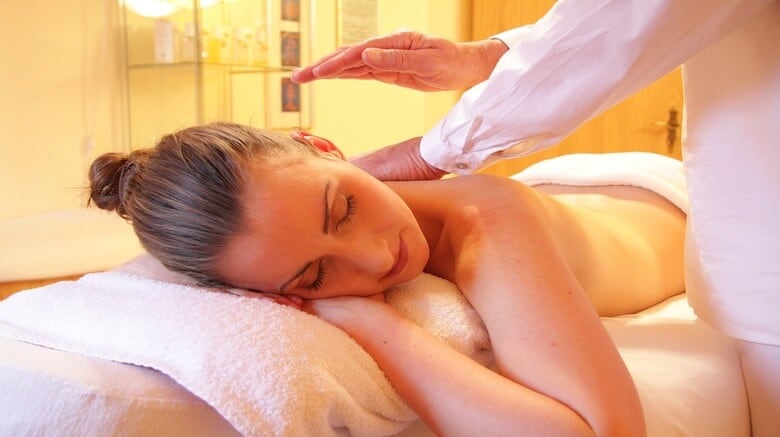
Benefits of Massage for Stress Relief, Sleep, and Recovery
Massage matters because it does more than help you unwind for an hour. The benefits of massage can reach into the parts of daily life that wear you down most, including stress, tight muscles, poor sleep, and slow recovery after long days or hard workouts.
If you sit at a desk, train often, or carry tension in your shoulders and back, your body keeps score. Regular massage can ease pain, improve circulation, calm the nervous system, and make it easier to move without that constant stiff feeling. It can also support better rest, which is one reason many people make it part of their weekly wellness routine.
For some people, massage is a way to manage soreness after exercise. For others, it is the break that helps them reset mentally and feel more balanced again. If you want to see how different treatments fit your needs, you can explore our spa services as you read on.
The real value is simple, massage helps your body recover while giving your mind space to slow down.
Why the benefits of massage go far beyond feeling relaxed
Massage can feel like a break from the noise, but the effects often reach much further than that. It can help your body shift out of a tense, overworked state and back into a calmer rhythm. That matters whether you are dealing with long work hours, tight muscles, restless nights, or just a general sense that your body never fully switches off.
The benefits of massage are strongest when you see it as part of regular wellness, not just an occasional treat. Yes, it feels good in the moment. But it can also support your body in ways that build over time, especially when you keep stress from piling up.
How massage helps calm the nervous system
When life gets busy, the body tends to stay on alert. Shoulders rise, breathing gets shallow, and your muscles brace for the next task. Massage helps interrupt that pattern by giving your body a clear signal that it can relax.
Gentle pressure, steady movement, and a quiet setting can all help the mind slow down. As your breathing evens out and your muscles loosen, the whole body starts to feel safer and less guarded. That shift matters because tension is not just physical. It can affect your mood, your focus, and how easily you unwind at the end of the day.
A good massage is a bit like turning the volume down on stress. The noise is still there in the background, but it stops running the show. You may leave feeling lighter, less keyed up, and more comfortable in your own body.
For a closer look at different options, you can read this massage guide to types, benefits, and safety. It can help you match the right style to your needs, whether you want light relaxation or firmer work on tight areas.
A calmer body often leads to a calmer mind, because the two are always working together.
Why regular massage can improve sleep and mood
Sleep and mood often improve when stress starts to drop. That is one reason many people notice they sleep better after massage sessions. Their muscles are less tense, their breathing feels easier, and their mind is not racing as much when bedtime comes around.
Massage can help create the kind of deep calm that makes rest feel more natural. Many people say they feel lighter, less anxious, and more refreshed after a session. That feeling can carry into the next day too, which matters when you want steadier energy and a better mood at work, at home, or after exercise.
There is also a simple everyday benefit here. When your body feels calmer, small problems can feel easier to handle. Traffic, deadlines, and family stress do not disappear, but your response to them can soften.
Research and health resources also point to this link between massage, stress relief, and better sleep. The Mayo Clinic Health System notes that massage may help lower stress and anxiety while improving relaxation and mood. That lines up with what many people feel after consistent care, more ease during the day and better rest at night.
Why massage is more than a treat for special days
Massage often gets booked for birthdays, holidays, or times when pain is already hard to ignore. However, it can fit into a regular self-care plan just as easily as exercise, hydration, or good sleep habits. When you make it routine, you give your body a chance to reset before tension builds up.
That kind of steady support can help you stay more aware of what your body is telling you. You may notice tight spots sooner, recover faster after workouts, or catch signs of burnout before they grow bigger. In other words, massage can help you pay attention before your body starts shouting.
Regular sessions also make it easier to keep wellness simple and realistic. You do not need to wait until you feel exhausted or sore to book one. A monthly or even biweekly session can be a practical way to stay ahead of stress and keep your body moving with less strain.
Some people use massage the same way they use a walk, a stretch break, or a quiet hour away from screens. It becomes part of a healthy rhythm, not a reward for reaching a breaking point. If you want that kind of support, exploring massage therapy in Nairobi can help you see how regular sessions fit into real life.
For many people, that is where the real value shows up. Massage does not just relax you for a moment. It helps your body recover, your mind settle, and your routine feel more balanced over time.
The physical benefits of massage for pain, movement, and recovery
Massage helps the body in simple ways you can feel. It can ease soreness, loosen tight muscles, and make movement feel less stiff after long hours, hard workouts, or physical work.
That matters when your neck feels locked up, your shoulders stay tense, or your lower back keeps nagging all day. These are the places where tension often builds first, and they are also the places where massage can make the biggest difference.
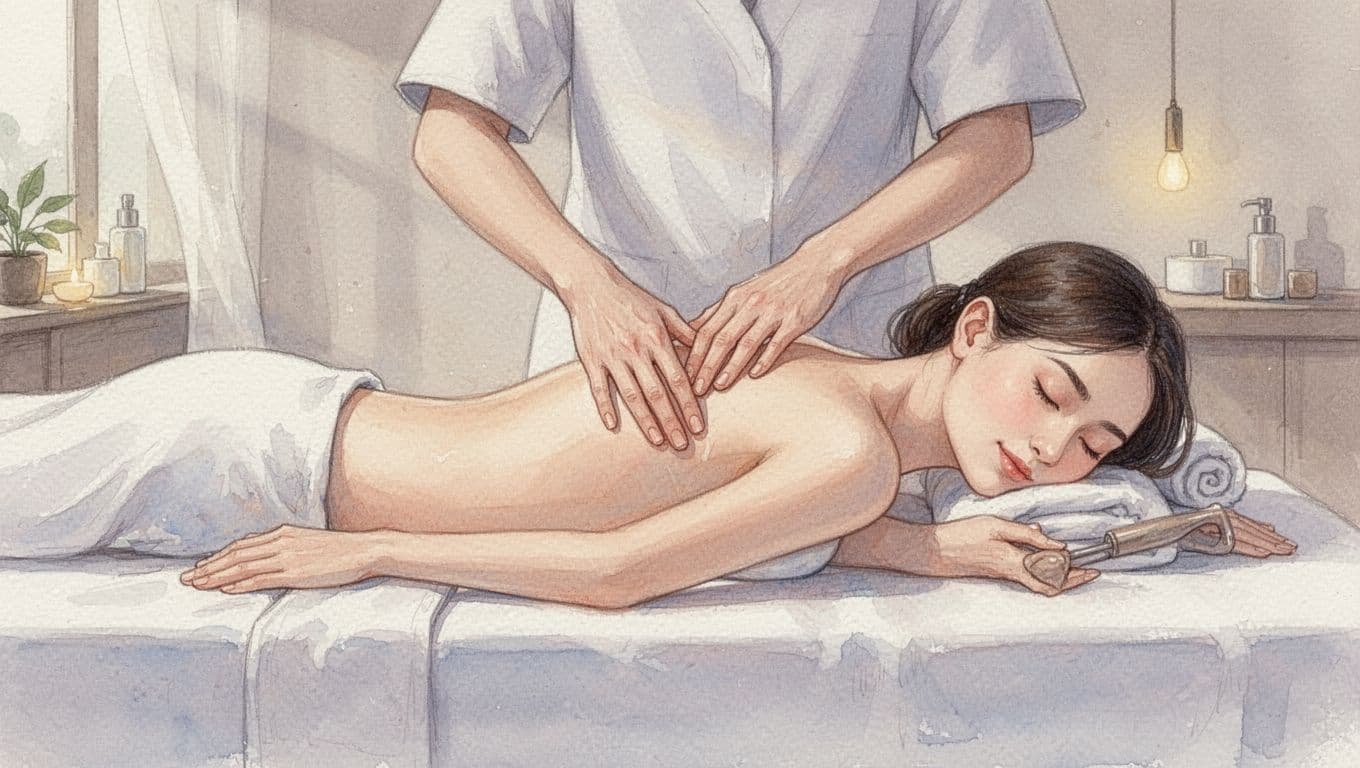 ### How massage can ease sore muscles and tight spots
When muscles get overworked, they can feel short, hard, and tender. Skilled touch helps those areas soften by applying steady pressure, warming the tissue, and encouraging the muscle to let go instead of guarding itself.
That is why so many people book massage for the same stubborn spots. The neck tightens after hours at a desk. The shoulders rise under stress. The lower back complains after standing, lifting, or sitting too long.
A good massage does not force the body to relax. It gives the body a reason to relax. As the pressure settles in, many people notice less stiffness, less pulling, and less of that dull ache that makes normal movement feel like work.
This is where the benefits of massage become practical. You are not chasing a luxury feeling. You are helping sore areas move from guarded and tight to softer and more usable.
Common problem areas often include:
- Neck tension from screen time, driving, or poor sleep posture
- Shoulder tightness from stress and repeated arm movement
- Lower-back stiffness from sitting, lifting, or long standing shifts
Tight muscles often make the whole body feel smaller, like you are moving inside a jacket that is two sizes too small.
Massage can help change that feeling. When the pressure is right, the body often responds with less resistance and more ease. You may still feel the work your body has done, but it does not have to feel stuck.
If you want firmer pressure for deeper knots, a deep tissue massage for muscle recovery can be a strong choice. It is often used for areas that stay tight no matter how much you stretch.
The role of massage in better circulation and faster recovery
Massage also supports blood flow near the muscles being worked on. Better circulation helps bring oxygen and nutrients to tired tissue, which matters when your body needs to recover after exercise or a long day on your feet.
That improved flow can also help your muscles feel less heavy. Instead of that drained, weighted-down feeling, the body often feels warmer, looser, and more ready to move again. For many people, that alone makes a session worth it.
Recovery is not only for athletes. A warehouse worker, nurse, server, runner, or parent who spends all day on their feet can feel just as worn out as someone who trained hard. Massage gives those tired muscles a chance to settle down.
Research has also linked massage with lower soreness and better recovery after exercise. A review in PubMed reports effects such as reduced muscle tension and improved recovery markers, which matches what many people feel after a well-timed session.
A simple recovery pattern often looks like this:
- Your muscles get fatigued or overused.
- Tension builds and movement feels heavier.
- Massage helps the tissue relax and circulation improve.
- The body feels less drained and more ready for the next day.
That does not mean massage fixes everything at once. It does mean your body gets support while it repairs itself. For people who feel beat up after work or workouts, that can be the difference between dragging through the next day and moving with more ease.
Why athletes and active people use massage to stay ready
People who train often or stay physically active use massage for a reason. It helps them keep soreness under control, which makes it easier to stay consistent with movement.
When muscles are less tight, warm-ups feel smoother and workouts often feel more manageable. After training, massage can help the body settle faster, so recovery does not drag on as long. That is especially useful when you train several times a week or need to get back to work quickly.
Massage can also help with the little aches that build up over time. A runner may feel it in the calves and hips. A lifter may feel it in the upper back and forearms. Someone with a physical job may feel it in the shoulders, feet, or lower back. In each case, the goal is the same, less soreness, easier movement, and a quicker return to normal.
Many active people also use massage to stay more aware of their bodies. When a small tight spot starts to show up, it is easier to address it before it turns into a bigger problem. That can help you train smarter and recover with fewer interruptions.
For people who want a broader look at treatment options, this massage therapy in Nairobi page is a useful place to compare approaches that fit recovery, soreness, and ongoing body care.
How massage may support flexibility and range of motion
Flexibility is not just about touching your toes. It is about how easily your body bends, reaches, turns, and lifts during normal life. When muscles and soft tissues stay tight, even basic movement can feel like a chore.
Massage can help by reducing tension in the muscles that limit motion. As those tissues loosen, joints often move with less strain. That can make everyday actions feel easier, whether you are reaching into a cabinet, bending to tie a shoe, or walking after a long stretch of sitting.
This is one reason massage fits well into both recovery and prevention. Better movement does not only help in the gym. It helps when you get out of bed, carry groceries, or climb stairs without feeling stuck.
The effect is often most obvious after a session. Your body may feel more open, less pinched, and less likely to resist movement. Over time, regular massage can support a steadier sense of mobility, especially if you tend to carry tension in the same places.
You may notice the difference in small ways first:
- Reaching overhead feels smoother
- Bending at the waist feels less sharp
- Walking after sitting feels easier
- Stretching after exercise feels more natural
Those small changes matter. They add up to a body that feels easier to live in, not one that keeps fighting you.
Massage works best when the body gets regular care
The physical benefits of massage often show up fastest when you do not wait until you are completely worn out. Regular sessions can help keep tight spots from getting worse and help your body recover before soreness builds up too much.
That is especially helpful if your days are full of sitting, standing, lifting, or training. Your body keeps repeating the same demands, so it helps to give it repeat support too. Massage is one of the simplest ways to do that.
When movement feels easier and muscles feel less tight, daily life tends to feel more manageable. You may sleep better, work with less discomfort, and bounce back faster after strain. That is the practical side of massage, real relief that helps you keep moving.
Benefits of Massage for Headaches, Stress Pain, and Better Mental Balance
Stress rarely stays in one place. It shows up in your neck, your jaw, your shoulders, and then your head starts to ache. That is why the benefits of massage often feel bigger than simple relaxation, it can interrupt the chain between tension, pain, and mental overload.
When your body stays braced for too long, your mind tends to follow. Massage helps loosen that grip. It can soften tight muscles, ease pressure, and give you a calmer starting point for the rest of the day.
How neck and shoulder tension can lead to headaches
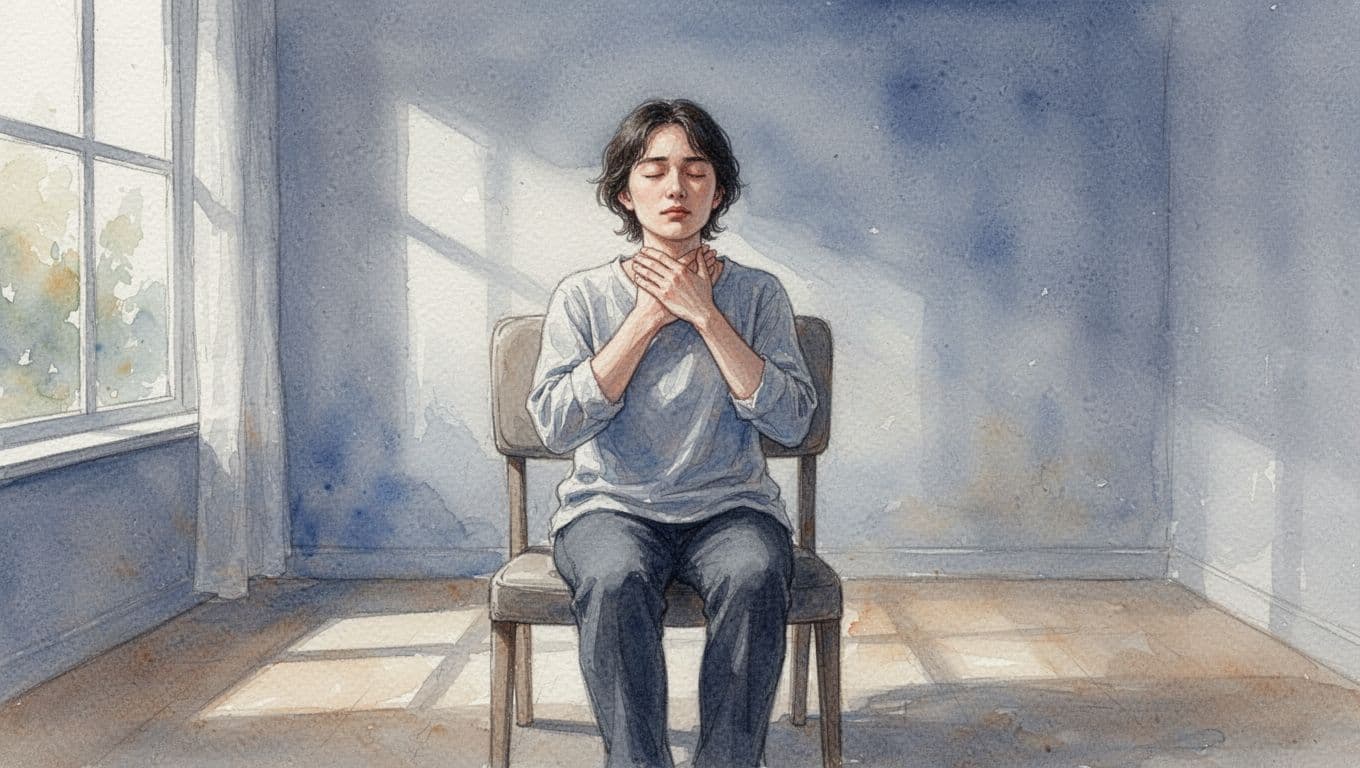 A lot of headaches begin with the same pattern. Stress builds, the shoulders rise, the neck tightens, and the muscles around the head start to pull. Over time, that pressure can leave you with a dull ache, a tight band feeling, or pain that seems to move from the base of the skull into the temples.
This happens because tense muscles do not just feel stiff, they can also irritate the areas around them. When your posture stays tight for hours at a desk or in traffic, the upper body works like a clenched fist. Massage can help loosen those muscles, which may reduce one of the main triggers behind tension headaches.
It also gives you a break from the cycle. Instead of carrying the same tight pattern all day, your body gets a chance to reset. For many people, that makes massage one of the most practical ways to ease stress-related head pain before it builds.
If you want more background on how different massage styles support pain relief, the science-backed benefits of regular massage page is a helpful place to start.
Why massage can help you feel less overwhelmed
Stress is not only physical. It can make you feel short-tempered, scattered, and worn down before the day is even half over. Massage can help by giving your body and mind a slower pace to settle into, which often makes everything feel more manageable.
That shift matters on busy weeks. When your muscles unclench, your thoughts often feel less crowded too. You may still have the same tasks waiting for you, but they can feel easier to handle when your body is not already running on edge.
Many people also notice they feel less irritable after a session. That happens because constant tension takes a toll. Pain, poor sleep, and mental strain all feed into each other, so easing one part of the cycle can help the others calm down as well.
A regular session can give you a clearer head and a steadier mood. It’s a simple reset that can make the difference between feeling pushed around by the week and feeling ready for it.
For readers who want a broader view of how massage supports both body and mind, the holistic health benefits of professional massage page offers a useful overview.
When the body stops bracing for everything, the mind often stops bracing too.
The connection between massage, relaxation, and deeper breathing
Stress changes the way you breathe. You start taking faster, shallower breaths, and your body acts like it never got the message to relax. Massage helps reverse that pattern by easing muscle tension and encouraging a slower, more natural breath.
As the body softens, breathing tends to follow. The chest feels less tight, the shoulders stop holding up so much weight, and the nervous system gets a cue to settle down. That is one reason massage can feel so good when you are mentally overloaded, it helps move you out of that stuck, keyed-up state.
Deeper breathing matters because it supports calm in a direct way. It can slow the pace of stress in the body, reduce that rushed feeling, and help you feel more present again. For someone who feels mentally crowded, that small shift can make the whole day feel more workable.
Health resources also point to this connection between massage and stress relief. The American Headache Society notes that massage may help reduce tension in the muscles of the head, neck, and shoulders, which is one reason it can be useful for headache care.
Massage does not erase deadlines or personal stress, but it can make your body less reactive to them. That calmer physical state often becomes the foundation for better focus, steadier moods, and a little more balance when life feels heavy.
How to get the most from a massage session
The benefits of massage grow when the session fits your goal and your body gets a little care before and after. A good appointment is not just about lying down and hoping for the best. It works better when you know what you need, speak up during the session, and give your body time to settle afterward.
A little planning goes a long way. The right style, the right timing, and a few simple habits can make one session feel useful instead of forgettable.
Choosing the right massage style for your goal
Different massage styles do different jobs, so start with the result you want. If your main goal is to switch off and feel lighter, a gentler style such as Swedish or aromatherapy massage usually fits best. These sessions focus on calming the body, easing mild tension, and helping you relax without a lot of pressure.
If you have stubborn knots, sore shoulders, or tight legs, firmer work makes more sense. Deep tissue massage is often used for muscles that feel locked up from stress, workouts, or long hours at a desk. It can feel intense at times, but that deeper pressure is often what helps tight spots release.
For recovery after activity, look for a massage style that supports circulation and muscle care. Many active people prefer treatments that focus on sore areas rather than a full-body relaxation session. If you are unsure where to start, choosing the right massage type in Nairobi can help you compare common options without overcomplicating the decision.
 > The best massage is the one that matches your body’s current needs, not the one that sounds most impressive.
A simple way to decide is to match the style to the goal:
- Relaxation: Swedish or aromatherapy massage
- Deep muscle work: Deep tissue or similar firmer techniques
- Recovery: Focused treatment for sore or overused areas
That small bit of clarity helps you get more from the session right away.
How often should you get a massage?
Frequency depends on what your body is dealing with. If stress is high or you train hard, weekly massage can help stop tension from piling up. For many people with ongoing stress or regular soreness, every two weeks is a comfortable middle ground.
If your needs are lighter, once a month may be enough to keep your body from tightening up again. The main point is consistency. One massage can feel great, but regular sessions are what help the benefits last.
You can also use your own body as a guide. If your neck tightens again after a week, that is a sign you may need more frequent care for a while. If you stay loose for two to four weeks, monthly appointments may be enough.
For general maintenance, a steady rhythm often works better than waiting until you feel worn out. That approach keeps stress from building into a bigger problem. It also helps you notice patterns in how your body reacts to work, exercise, and rest.
What to do before and after your appointment
Small habits can make the whole experience smoother. Before your session, drink water, arrive a little early, and avoid rushing in from a stressful task if you can help it. A few calm minutes before the massage help your body settle faster.
It also helps to speak up before the work starts. Tell the therapist where you feel sore, how much pressure you like, and whether anything feels off. Clear communication keeps the session comfortable and more effective.
A little prep can make a big difference:
- Hydrate beforehand so your body is ready for the session.
- Arrive early so you can slow down before the massage starts.
- Share pressure preferences so the therapist can adjust as needed.
During the massage, keep talking if something needs to change. Too much pressure can make muscles guard instead of relax. Too little pressure may not reach the areas that need attention. The right balance is what helps the body let go.
After the massage, give yourself time to rest. Drink more water, move slowly, and avoid jumping straight into a heavy workout or a packed schedule. Many people feel a little sleepy or loose after a session, and that is normal. If you want the benefits to last longer, keep the rest of the day as simple as possible.
For a practical refresher on aftercare, the American Massage Therapy Association explains what to expect before, during, and after a session. A few small choices, like loose clothing and a calm pace afterward, can help the effects linger.
A massage does more when you protect the calm it creates.
The same goes for the hours after your appointment. A warm shower, a light stretch, or an early night can help your body hold onto the relief. If you want to keep that post-session feeling going, simple after-massage self-care tips offer a useful reminder to slow down and let your body absorb the work.
When you choose the right style, keep a steady schedule, and take care of yourself before and after, the session works harder for you. That is where massage stops feeling like a quick break and starts becoming part of real recovery.
Conclusion
The biggest benefits of massage are easy to recognize once you look past the spa table. It helps the body let go of stress, eases sore muscles, and supports better sleep when tension has been building for too long.
It also gives your body a real chance to recover. Whether you are dealing with desk-related tightness, workout soreness, headaches, or a mind that never fully slows down, massage can help you feel more settled and more mobile.
That is why massage works best as part of a steady wellness routine. A regular session can keep small aches from growing, help you rest better, and make daily movement feel smoother.
When stress, pain, and poor sleep start affecting how you feel every day, massage is a simple, practical way to bring your body back into balance.