
Swedish Massage Benefits for Stress Relief and Recovery
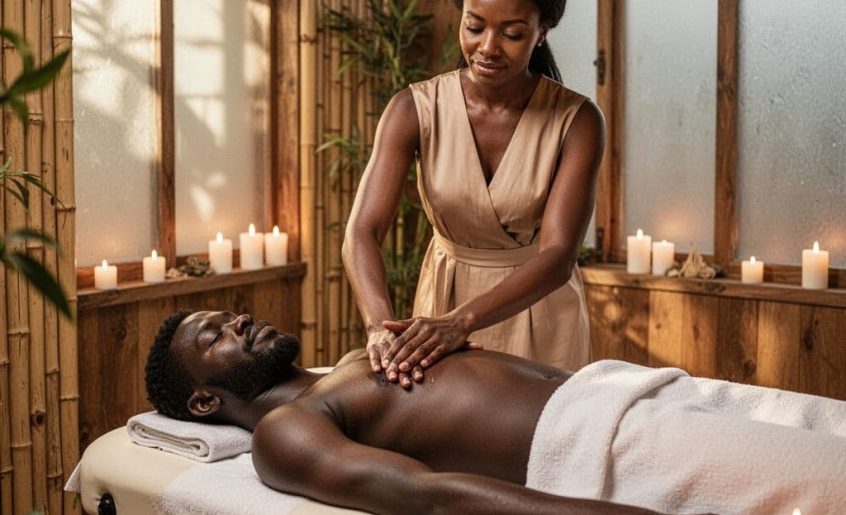
A Swedish massage is the classic full-body massage many people choose when they want to feel lighter, calmer, and less tense. It uses smooth, flowing strokes, gentle kneading, and steady pressure to ease tight muscles and help your body unwind without feeling too intense.
That balance is a big reason it stays so popular with first-time spa clients and regulars alike. If your days in Nairobi leave you with stiff shoulders, a busy mind, or that tired feeling that lingers after work, Swedish massage gives you a simple way to reset. It also fits well after exercise, when your muscles need relief from soreness and your body needs a chance to recover.
For many people, the appeal is how approachable it feels. You don’t need to be used to deep pressure or athletic recovery work to enjoy it, and that makes it a good choice when you want comfort as much as results. At Nairobi spa visits, it often becomes the massage people return to because it feels familiar, relaxing, and easy to trust.
If you want a session that supports stress relief, better rest, and muscle recovery at the same time, Swedish massage is often the first place to start.
In the next section, you’ll see what makes this style work so well for everyday wellness, and why so many people pair it with a regular self-care routine.
What Makes Swedish Massage Different from Other Massage Styles?
Swedish massage stands out because it focuses on flow, comfort, and steady relief. Instead of chasing intense pressure or forcing tight tissue to release, it works in a way that helps your body settle first, then soften. That makes it a strong fit if you want stress relief, better circulation, and less muscle tension without feeling beaten up afterward.
It also feels more rhythmic than many other massage styles. The therapist keeps moving with a clear purpose, which helps the body relax instead of bracing against the work. If you want to compare it with other options, you can also explore our full range of massage therapies to see where Swedish massage fits best.
 ### The five classic strokes and how they feel
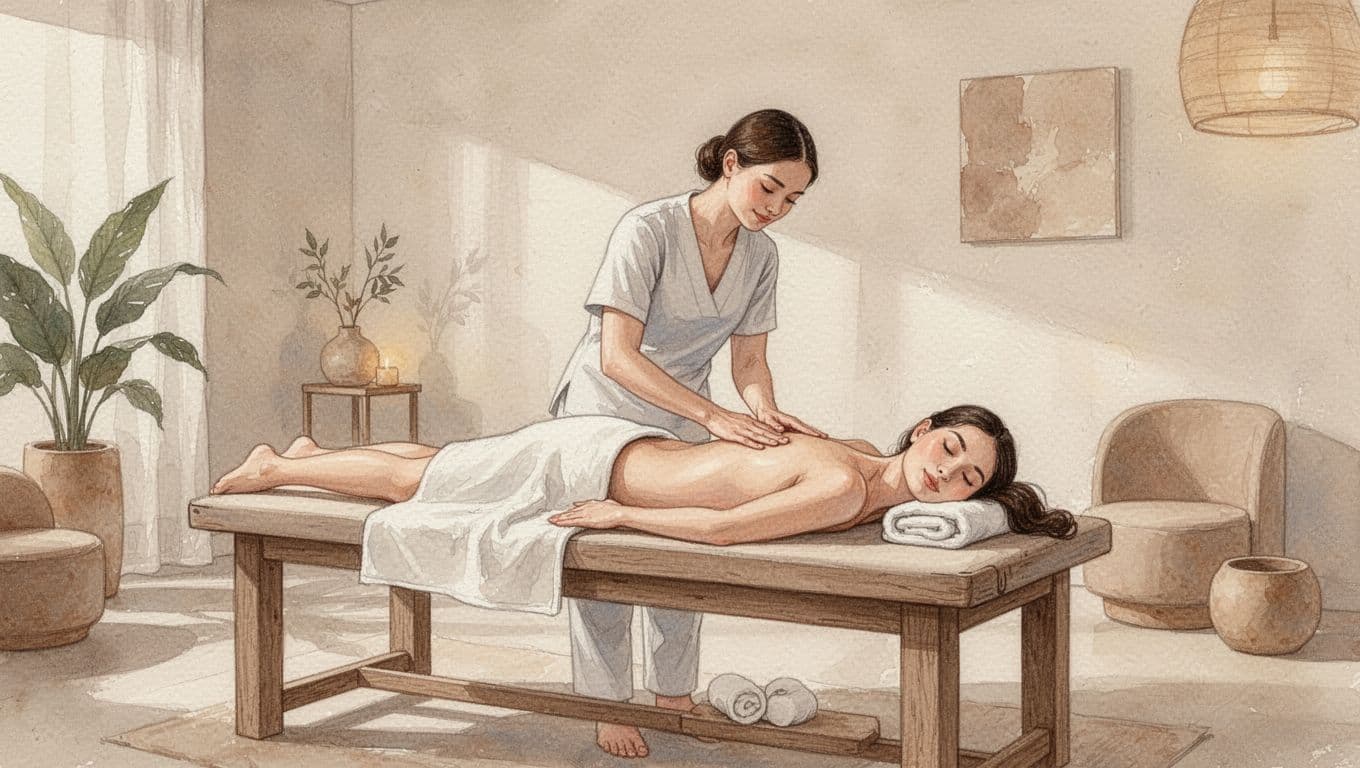
Swedish massage is built on five core strokes, and each one creates a different sensation. A therapist may switch between them in one session to warm the body up, ease tight spots, and help you relax more fully.
- Effleurage uses long, gliding strokes. It feels smooth and calming, almost like a gentle wave over the skin. Therapists often use it at the start and end of a session to settle your nervous system and spread massage oil evenly.
- Petrissage is a kneading motion. It feels like muscles are being lifted and rolled in a slow, steady way. This helps loosen areas that feel stiff or tired.
- Friction uses small, focused movements. It feels more targeted and precise, so therapists use it on knots or thick, tense areas that need extra attention.
- Tapotement uses light tapping, patting, or chopping motions. It feels brisk and energizing, so it may be used briefly to wake up heavy or sluggish muscles.
- Vibration creates a gentle shaking or trembling sensation. It feels subtle but effective, and therapists often use it to help muscles release tension near the end of a session.
A good Swedish massage often feels like a conversation between the therapist’s hands and your muscles, with each stroke used for a different reason.
How Swedish massage supports the nervous system
One reason Swedish massage feels so good is that it helps your body move out of stress mode. When the strokes are slow and steady, your breathing often slows down with them. Your shoulders drop, your jaw loosens, and your whole system starts to feel less alert.
That shift matters because stress keeps the body on guard. Swedish massage encourages the opposite response, which is calm, rest, and repair. Many people notice they leave the table with a clearer mind and a quieter body, which is part of why this style is so popular for stress relief and recovery.
The effect can be simple but real. Gentle touch gives your body a cue that it can relax, and that often leads to deeper breathing, less mental noise, and a softer overall mood. A recent WebMD overview of Swedish massage also notes its role in relaxation and short-term pain relief.
Why pressure can be lighter but still effective
Swedish massage is often gentler than deep tissue work, but that doesn’t mean it’s weak. The pressure can still reach tight muscles, encourage circulation, and ease built-up tension without the sharp, heavy feeling some people dislike.
This is one of the biggest differences between Swedish massage and more intense styles. Deep tissue often goes after stubborn layers with strong pressure, while Swedish massage works with a lighter touch and a more relaxed pace. That makes it easier to enjoy if you want relief without soreness during or after the session.
You can also expect more flexibility in how it feels from one area to the next. A therapist may use lighter strokes on the back, then add more focused work on the neck or shoulders where tension tends to collect. The result is usually a session that feels soothing first, then restorative.
For many people, that balance is the sweet spot. You still get muscle ease, better circulation, and less stiffness, but the experience stays comfortable enough that your body can truly let go. That is why Swedish massage remains a go-to choice for people who want relaxation and recovery in the same session.
Swedish Massage Benefits for Stress Relief and Recovery
Swedish massage works well when your body feels tense and your mind feels crowded. It uses steady pressure, long strokes, and rhythmic movement to help you slow down, loosen up, and feel more at ease.
That matters in everyday life. Work pressure builds. Traffic wears you down. Long hours at a desk leave your neck and shoulders tight. A calm session gives your body a chance to switch gears, and that shift often shows up in how you breathe, sleep, and move afterward.
For many people, Swedish massage also fits neatly into a regular Nairobi wellness routine. You can book it after a heavy week, after a workout, or anytime stress starts to pile up. If you want to compare it with other options, our full range of spa services makes it easy to choose the right session for your needs.
 ### How it helps calm a busy mind
A Swedish massage can feel like a reset button for a mind that won’t slow down. The smooth strokes and steady pace help your body relax first, and that often makes the mind follow. As your muscles stop bracing, your breathing usually gets slower and fuller, which helps you feel less rushed and less on edge.
That calming effect is useful when stress comes from ordinary things, not big events. A deadline, a long commute, a packed schedule, or too much screen time can leave you mentally drained. A session creates a quiet pause in the middle of that noise, which is often enough to make the rest of the day feel more manageable.
There is also a real body response behind the calm. Swedish massage can help the nervous system shift toward a rest-and-digest state, which supports relaxation and short-term stress relief. For a simple overview of the style and its benefits, WebMD’s Swedish massage guide gives a useful summary.
When the mind has been running all day, even one hour of stillness can feel powerful. You leave less tense, less distracted, and more ready to handle the next part of your day.
How it helps sore muscles recover
Swedish massage also helps when your muscles feel tired, stiff, or overworked. After the gym, after sports, or after sitting too long at a desk, your body can feel heavy and tight. Gentle kneading and flowing strokes help those muscles soften again.
The work is practical. The therapist warms up tight areas, eases knots, and helps the tissue feel less restricted. That can make your neck easier to turn, your shoulders easier to drop, and your back less rigid when you stand up.
This is one reason people often book Swedish massage after long office hours or exercise. It doesn’t hit the body with harsh pressure, so it feels soothing while still giving real relief. If your body feels sore but you still want comfort, this style is often the better choice.
Swedish massage is often a smart pick when you want recovery without the heavy, sore feeling that can come after more intense bodywork.
The best results usually show up when you use it as part of a routine, not just as a one-off treat. A regular session can help your body stay looser between long work weeks, training days, or busy travel periods.
Why better circulation matters
Better circulation is one of the quiet benefits of Swedish massage. The long, gliding strokes help blood move through the muscles more easily, which matters when your body has been tense or inactive for a while. More movement in the tissue can also help you feel warmer, lighter, and less locked up.
That matters after strain because tight muscles often feel slow and hard. When circulation improves, the area can feel more open and less heavy. In simple terms, your body gets a better chance to deliver oxygen and nutrients where they are needed most.
It can also help after exercise. A workout puts stress on the muscles, and massage can support the recovery process by easing tightness and helping the body clear out some of the buildup that comes with strain. That doesn’t mean it replaces rest, water, or good sleep, but it can be a useful part of recovery.
For people who spend long hours sitting, this benefit is easy to appreciate. A stiff lower back or tight shoulders often feel better when the blood flow gets moving again. Over time, that can make daily movement feel smoother and less restricted.
How it can improve sleep and mood
The calm you feel on the table often carries into the rest of the day. When your body settles, your mood usually feels steadier too. Many people leave a Swedish massage feeling lighter, less irritable, and less mentally loaded.
Sleep can improve for the same reason. A relaxed body is less likely to stay alert at bedtime, and a slower stress response can make it easier to wind down at night. That fresh, sleepy feeling after a session is one of the reasons people book massage after a long week instead of waiting until they are fully worn out.
The mood benefit is just as valuable. A good session can take the edge off the day, especially when stress has been piling up for days at a time. You may not solve every problem on the table, but you often feel better equipped to deal with them afterward.
For many clients, that is the real appeal of Swedish massage. It supports the body, but it also gives the mind room to breathe. That combination is hard to beat when you want recovery that feels gentle, practical, and easy to return to.
What to Expect During a Swedish Massage Session in Nairobi
A first Swedish massage should feel calm, clear, and easy to follow. The pace is usually unhurried, and the therapist will guide you through each step so you know what comes next. In a good Nairobi spa, the room feels quiet, warm, and private, which helps your body settle before the treatment even begins.
Most sessions last 60, 90, or 120 minutes, depending on how much time you want for full-body work and focused attention. If you want a fuller breakdown of the style itself, the Swedish massage guide explains the technique in more detail.
 ### Before the massage starts
Your visit usually begins at reception, where you check in and confirm your appointment. If it’s your first time, arrive a little early so you have time to relax, fill out any basic forms, and share anything the therapist should know.
That first conversation matters. You can mention sore spots, old injuries, pregnancy, recent surgery, or anything that makes certain areas sensitive. You should also say whether you want light, medium, or firmer pressure, because that helps the therapist shape the session to your comfort level.
Clothing is simple. Most people undress to their comfort level, and many leave underwear on. You will always be covered with a sheet or towel, and only the area being worked on is uncovered at any moment. That draping keeps the session private, warm, and easy to relax into.
A few small details help too. Keep your phone off, skip heavy perfume, and tell the therapist if you want a quiet session or a more chatty one. If you want to compare location options before booking, the massage parlour Kilimani guide is a helpful place to start.
The best sessions usually begin with clear communication, because comfort is easier to create when the therapist knows what you need.
What happens on the table
Once you are settled on the table, the therapist starts with slow, flowing strokes that warm the muscles and help you ease in. The room stays quiet, the pressure stays steady, and the work usually moves in a calm rhythm that feels easy to follow.
A Swedish massage often begins on the back, then moves to the shoulders, arms, legs, and feet. The therapist may use long gliding strokes first, then kneading motions to soften tight tissue. If one area feels especially tense, they may spend a little extra time there with gentle, focused pressure.
The goal is comfort, not speed. Your body has time to respond, and that makes the treatment feel smoother as it goes. For many people, the first few minutes feel like a door opening slowly, then the rest of the session settles into a deep, steady calm.
The spa setting also adds to that feeling. Soft lighting, clean linens, and quiet music help the room feel safe and restful. If you want a broader look at the service menu, you can also browse massage services in Kilimani for more context on what’s available.
How a therapist adjusts the pressure
Pressure is never one-size-fits-all. A good therapist watches how your body reacts and listens to your feedback, then adjusts as needed. If a stroke feels too light, they can go a little deeper. If it feels too strong, they can ease off right away.
You don’t need perfect wording. Simple comments work well, like “a little lighter on the shoulders” or “more pressure on my lower back.” That kind of direct feedback helps the therapist focus the massage where it matters most, without turning the session into guesswork.
A therapist may also change pressure across different areas. Your legs may want firmer work, while your neck may need a softer touch. That mix is normal, because the body rarely holds tension in the same way everywhere.
If you want a general reference for first-time expectations, this Swedish massage overview gives a simple breakdown of how a typical session flows. Still, the best guide is your own body, so speak up if anything feels off.
A Swedish massage should feel adjustable, not fixed. Your comfort level shapes the session every step of the way.
How to feel after your appointment
After the massage, most people feel loose, calm, and a little slower in the best way. Your shoulders may feel lighter, your breathing may feel easier, and your mind may feel less crowded. Some people also feel sleepy, especially after a long or stressful week.
Mild soreness can happen, too, especially if your muscles were already tight. That usually feels more like a gentle workout ache than pain. It often fades within a day or so, and it can be a sign that the body is settling after being held in tension for too long.
A few simple habits help aftercare go more smoothly:
- Drink water to help your body recover and stay hydrated.
- Rest when you can, especially if the session left you sleepy.
- Move gently instead of jumping straight into intense exercise.
- Notice how your body feels over the next few hours, since relaxation often lasts beyond the appointment.
Many people sleep better after a Swedish massage, especially when stress has been building for days. The calm often carries into the evening, which is one reason this style works so well for recovery. If you want to plan your next visit around that feeling, our spa services page can help you choose the right next step.
Is Swedish Massage the Right Choice for You?
Swedish massage fits a lot of people for a simple reason, it feels welcoming without being overwhelming. If you want relief, calm, and a full-body reset that still feels comfortable, this style is often a strong match.
It also works well when you want a massage that supports your body without asking it to brace for heavy pressure. That makes it easy to enjoy after a stressful week, before a busy one, or any time your muscles feel tired and your mind feels full.
 ### Best for first-time spa guests and relaxation seekers
If you have never had a massage before, Swedish massage is usually the easiest place to start. The strokes are smooth, the pace is calm, and the pressure usually stays light to medium, so your body has time to relax instead of tensing up.
That matters for first-timers. Some people worry that massage will hurt or feel too intense, but Swedish massage is built around comfort. You can breathe, settle in, and get used to the experience without feeling pushed past your limit.
It also suits anyone who wants stress relief more than deep corrective work. If your goal is to let your shoulders drop, calm your nervous system, and feel a little lighter by the end of the session, this style does the job well.
A few common reasons people choose it first include:
- A gentle introduction to massage without strong pressure.
- Full-body relaxation that feels steady and reassuring.
- Less post-massage soreness than more intense bodywork.
- Easy communication, since the therapist can adjust pressure quickly.
Swedish massage is often the safest and most welcoming choice when you want comfort first and intensity later.
When deep tissue or specialty therapy may be better
Swedish massage is a good all-around option, but it is not always the best fit. If you have stubborn knots, ongoing pain, or a specific area that keeps tightening up, deeper or more targeted work may help more.
Deep tissue massage uses slower, firmer pressure to reach tighter layers of muscle. For someone with a stubborn shoulder knot or a lower back that feels locked up, that extra focus can make more sense than a lighter full-body session. A comparison like Swedish massage vs. deep tissue massage helps show the difference clearly.
Specialty therapy can also be a better choice when the problem is specific. Sports recovery, repetitive strain, or an old injury may need work that targets one area instead of spreading attention across the whole body. In those cases, Swedish massage may still feel good, but it may not go far enough on its own.
Still, lighter does not mean ineffective. Swedish massage can ease general tightness and help your body recover after regular daily stress. It just works best when your main goal is broad relaxation, not deep pain relief.
Who should check with a professional first
Some people should speak with a qualified therapist or healthcare professional before booking. That includes anyone with a recent injury, chronic pain, a medical condition, or a body that reacts strongly to touch or pressure.
Pregnancy is another time to ask first. Many people can enjoy massage during pregnancy, but the therapist should know your stage of pregnancy and any related concerns so they can use the right approach. Sensitive skin, swelling, blood-clotting issues, recent surgery, and certain medications also deserve extra care.
If you are unsure, ask before the session instead of guessing. A quick conversation can prevent discomfort and help you choose the safest option for your body.
The American Massage Therapy Association also advises people to share health history openly before treatment, since good communication helps therapists adapt the session safely. That kind of check-in is simple, but it makes a real difference.
For many people, Swedish massage is the right choice because it feels gentle, familiar, and restorative. For others, a deeper or more targeted approach works better. The best fit is the one that matches your body, your comfort level, and the result you want most.
How to Choose the Best Swedish Massage Experience in Nairobi
Choosing the right Swedish massage in Nairobi is about more than picking the nearest spa. The best experience feels clean, calm, and professionally run, with clear communication before you even lie down.
A good spa should make it easy to relax from the start. That means you know what you are paying for, you can book without stress, and the therapist understands whether you want pure relaxation or support for sore muscles and recovery. If you want a wider view of the options available, our massage Nairobi guide is a helpful place to compare different treatments and session types.
 ### What to look for in a good spa
Start with the basics. A trustworthy spa should look and feel clean, from the reception area to the treatment room. Fresh linens, tidy surfaces, and a calm scent all matter because they help you relax and show that the spa takes your comfort seriously.
Atmosphere matters just as much. Soft music, low noise, and warm lighting create the right setting for Swedish massage, which depends on ease and flow. If the front desk feels rushed or disorganized, that often carries into the session too.
Professional service is another must. Staff should greet you clearly, explain the session, and answer questions without pressure. Clear pricing is equally important, so you know the cost of a 60-minute, 90-minute, or longer treatment before you commit.
Easy booking also saves time and stress. A good spa gives you simple ways to reserve by phone, message, or online form. If the spa offers several wellness treatments, that can be a bonus, because it gives you room to choose what fits your body best, whether that is Swedish massage, deep tissue, or a recovery-focused treatment.
A spa can look beautiful, but the real test is whether it feels organized, respectful, and easy to trust.
Questions to ask before booking
A few simple questions can tell you a lot before you book. You do not need a long interview, just enough to make sure the session matches your needs.
- What pressure levels do you offer? This helps you know whether the therapist can keep the session light, medium, or firmer.
- How long are the sessions? A 60-minute massage works well for general stress relief, while 90 minutes gives more time for the back, shoulders, and legs.
- How experienced are your therapists? Ask whether they have training in Swedish massage and how long they have been practicing.
- Can you adjust the massage for recovery or stress relief? A good therapist should be able to shift the session based on your goal.
- Do you work with any health concerns or injuries? This is important if you need gentle work or have a sensitive area.
If a spa answers these questions clearly, that is a good sign. If the replies feel vague or rushed, keep looking. You want a place that treats your appointment like a real service, not a quick transaction.
How to make your session feel more personal
You get a better Swedish massage when you speak up early. Arrive a little before your booking so you are not walking in stressed or rushed. That extra few minutes helps you settle your breathing and gives you time to share what you want from the session.
Be direct about your goal. If you want stress relief, say that. If your shoulders are tight from desk work or your legs need help after exercise, mention it before the massage starts. The more clear you are, the easier it is for the therapist to shape the pressure and focus.
Session length also changes the experience. A shorter treatment can work if you only want a quick reset, but a longer one gives the therapist more room to work through the whole body at a slower pace. For recovery after a busy week or a workout, that extra time can make a real difference.
A few small habits help too:
- Share your pressure preference before the massage begins.
- Mention sensitive areas so the therapist can avoid discomfort.
- Choose the right duration for your goal, not just your budget.
- Give feedback during the session if something feels too light or too firm.
A Swedish massage should feel tailored, not generic. When you choose a spa carefully and speak up about your needs, the whole experience feels smoother, calmer, and more useful for both stress relief and recovery.
Conclusion
Swedish massage remains a reliable choice because it does the basics well. It calms a busy mind, eases tight muscles, and gives your body space to recover without heavy pressure.
That is why it works so well for people in Nairobi who want both comfort and results. Whether you are carrying stress from work, stiffness from long hours at a desk, or soreness after exercise, the steady rhythm of Swedish massage helps you feel more open, rested, and ready to move again. If you want to compare it with other options, our massage guide is a helpful place to start.
The real value comes from consistency and the right setting. Choose a spa that feels clean, calm, and professional. Speak clearly about your pressure preference and any sore areas, because a good session depends on that feedback as much as it does on technique.
When life feels heavy, a regular Swedish massage can make a real difference. It is a simple habit, but it supports stress relief, recovery, and overall comfort in a way that many people can feel right away.