
Aromatherapy Massage in Nairobi: Benefits, Oils, and Session Guide
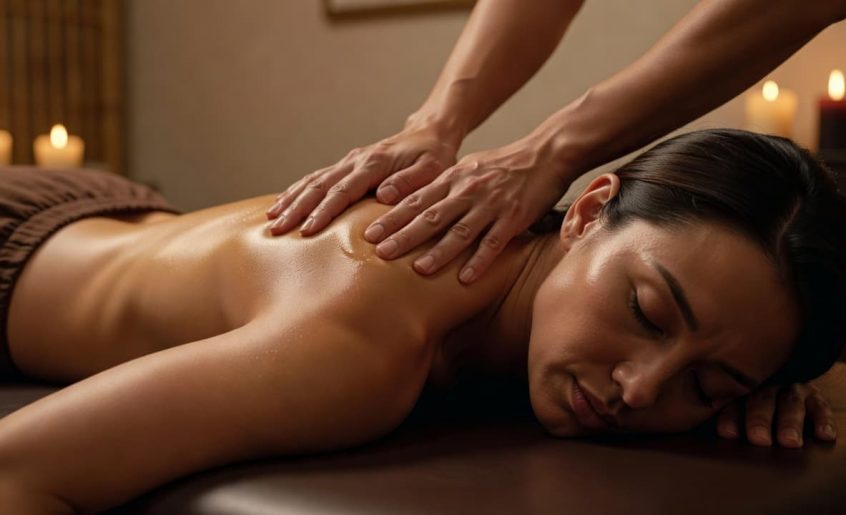
Aromatherapy massage blends skilled touch with essential oils, so your body relaxes while your mind gets a calmer signal too. In Nairobi, it’s a popular choice for people who want stress relief, better sleep, and a reset after long, busy days.
The right session can ease tight muscles, soften mental fatigue, and leave you feeling more settled without feeling rushed. If you’re considering an aromatherapy massage in Nairobi, it helps to know how the treatment works, which oils are used, and what a good session should feel like.
Aromatherapy Massage: How It Works and What Makes It Different
Aromatherapy massage brings two calming effects together, touch and scent. The therapist uses massage strokes to relax the body, while carefully chosen essential oils add another layer of comfort through smell and skin contact.
That combination is what sets it apart. You’re not just getting pressure on sore areas, you’re also giving your nervous system a gentler signal to slow down.
 ### The role of essential oils in the treatment
Essential oils are concentrated plant extracts made from flowers, leaves, peels, or herbs. In aromatherapy massage, the therapist chooses oils based on the mood or effect you want, such as calm, freshness, or clearer focus.
Before use, the oils are usually mixed with a carrier oil like sweet almond, grapeseed, or coconut oil. That step matters because essential oils are strong and should never be applied to the skin at full strength. The blend lets the oil move smoothly over the body while reducing the chance of irritation.
Both the scent and the skin contact matter. The aroma reaches you as you breathe, while the oil blend touches the skin and supports a more soothing massage experience. If you want a broader look at oil pairings and massage styles, the massage guide to types and benefits gives a helpful breakdown.
The best aromatherapy sessions use oils that match the person, not just the trend.
How scent and touch work together
Massage helps release tight muscles through steady, controlled strokes. At the same time, the scent of essential oils can help the mind feel less tense and more settled. That pairing is what makes the experience feel so complete.
For example, a slow back massage can loosen knots, while a lavender or citrus blend can make the room feel calmer almost right away. One part works on muscle tension, the other supports mood and relaxation, so your body and mind start to settle together.
This is why aromatherapy massage often feels softer and more restful than a standard treatment. The pressure may be light to medium, but the effect can still feel full and grounded because both senses are involved.
What makes it different from a regular massage
A Swedish massage usually focuses on general relaxation, circulation, and smoother movement in the muscles. Deep tissue massage goes further, using firmer pressure to reach stubborn tension and deeper knots. Aromatherapy massage can include gentle Swedish-style strokes, but the main goal is broader than muscle relief alone.
The difference is the experience. With aromatherapy massage, the therapist is also working with scent, mood, and comfort, so the session feels more soothing and less clinical. The oils may support stress reduction, emotional balance, and a slower mental pace, even if the physical pressure stays light.
In simple terms, a regular massage helps the body feel better. Aromatherapy massage helps the body feel better while also giving the mind a calmer space to rest. That is why many people choose it when they want relief without the intensity of deeper work.
The Real Benefits of Aromatherapy Massage for Body and Mind
Aromatherapy Massage does more than make a session feel pleasant. The right oils, paired with steady massage work, can help your body relax and your mind slow down at the same time. That makes it a practical choice when you want relief that feels both physical and mental.
 The effects are usually simple but noticeable. You may feel less tense, sleep more easily, or leave the room with a lighter mood. In many cases, the session works best as a reset after long workdays, noisy commutes, or busy weeks.
Why it helps with stress and anxiety
Calming scents like lavender and chamomile can help the mind settle. As you breathe them in during an aromatherapy massage, the experience feels softer and less rushed, which can make everyday stress feel easier to handle.
Touch matters just as much. Slow, steady massage strokes can reduce the physical signs of tension, while the scent gives your brain a calmer cue to follow. That combination often helps people feel more at ease within minutes, especially when they carry stress in the neck, jaw, or shoulders.
Many people also find that a relaxing scent changes the mood of the whole room. Lavender often feels gentle and familiar, while chamomile has a warm, soothing quality. For a broader look at how massage supports stress relief, see massage benefits for body and mind.
A calm scent can help set the tone before the massage even begins.
How it can ease sore muscles and body tension
When you want a cooling, refreshing feel, oils like peppermint or eucalyptus are often used. They can make the skin feel crisp and awake, which pairs well with massage work focused on tired muscles.
The strokes also help loosen tight spots. Neck stiffness, shoulder knots, and lower-back tension often respond well to careful pressure and slow movement. That mix of touch and scent can leave the body feeling less heavy and more open.
Here’s where it often helps most:
- Neck tension from screens, poor posture, or long drives
- Shoulder tightness from stress or repetitive movement
- Back soreness after a long day on your feet
- General stiffness when you feel worn out but not injured
 The result is often more than simple comfort. Your muscles can feel less guarded, which makes it easier to move, stretch, and rest afterward.
Sleep, mood, and mental clarity benefits
A relaxing session can make it easier to fall asleep later in the day. When your body feels calmer and your breathing slows, bedtime often feels less like a struggle and more like a natural next step.
Uplifting scents such as citrus can help if you feel drained or flat. On the other hand, calming oils like lavender or sandalwood are better when you need to wind down after a long day. That balance gives aromatherapy massage a useful range, depending on how you feel before the session.
It can also support clearer thinking. When stress eases off, your mind has less noise to sort through, so focusing on small tasks feels simpler. A calm body often leads to a calmer head, and that can make the hours after your massage feel more productive.
For readers who want more detail on the research side, Cleveland Clinic’s overview of aromatherapy and stress relief gives a helpful plain-language summary. Some studies also point to possible immune support through lower stress levels, since ongoing stress can wear the body down over time.
That is why the benefits can feel so broad. Aromatherapy Massage may not solve every problem, but it can give you a real break, and sometimes that break is exactly what your body and mind need.
Choosing the Right Essential Oils for Your Goals
The best essential oil depends on what you want the session to do. Some blends help you slow down, some feel cooling on tired muscles, and others make the room feel brighter and more awake. In aromatherapy massage, that choice matters because scent can shape the whole experience before the massage pressure even begins.
A good therapist does not pick oils at random. They match the blend to your mood, your body, and the reason you booked the session. If you want a calmer mind, the blend should support that. If your shoulders feel heavy after a long week, the oil should suit that goal instead.
 ### Lavender, chamomile, and other calming choices
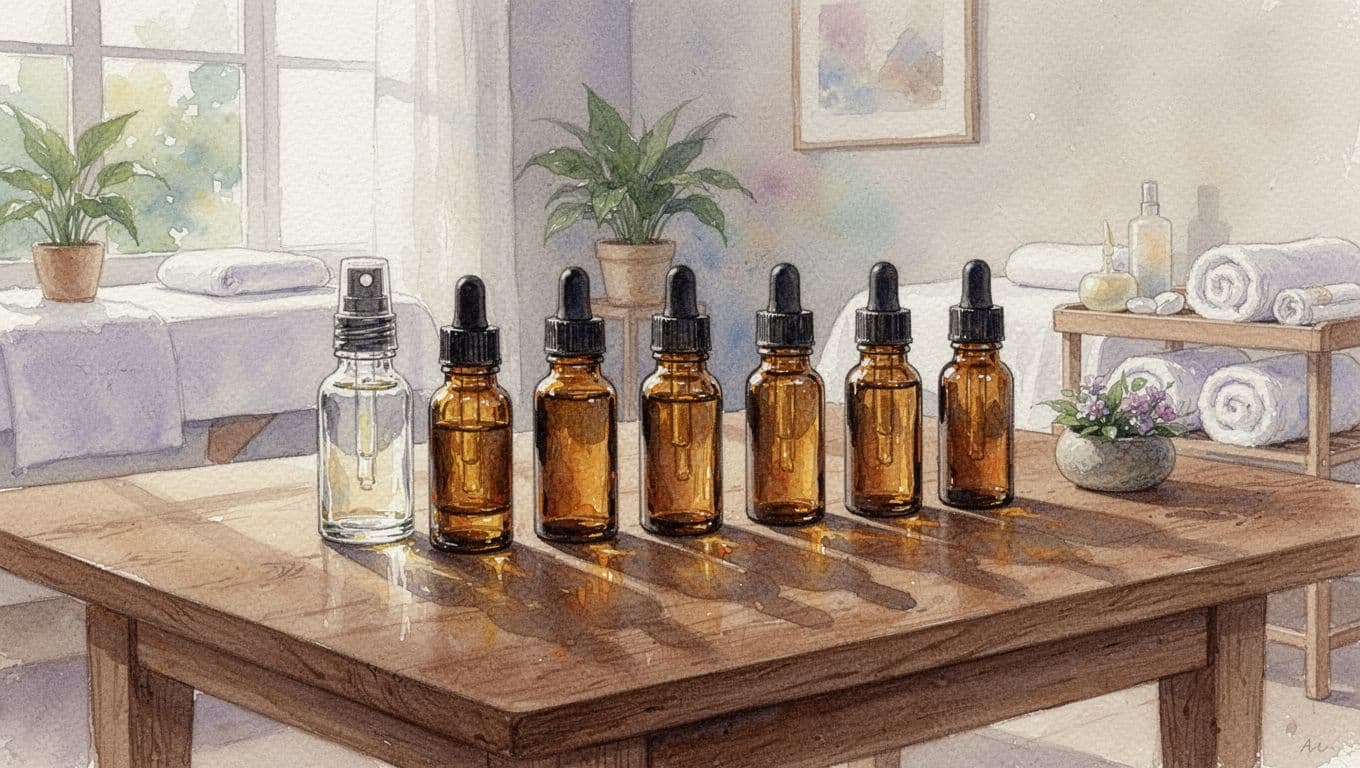
Lavender is one of the most common oils for relaxation, and for good reason. Its soft floral scent feels familiar, steady, and easy to settle into. Many people choose it when they want help unwinding after a busy day or when sleep feels out of reach.
Chamomile has a gentler, warmer scent. It often works well for people who want a quiet, comforting mood without anything too sharp or strong. In aromatherapy massage, both oils are popular when the goal is to ease a busy mind and create a slower pace.
Other calming options can include sandalwood or ylang ylang, depending on the blend and the person. The right choice often comes down to personal taste, because a scent that feels soothing to one person may feel too heavy to another.
For relaxation-focused sessions, these oils are often chosen because they:
- Feel soft and familiar
- Support a calmer mood
- Work well with slow, flowing massage strokes
- Pair nicely with evening sessions or bedtime routines
A calming oil should feel like a soft exhale, not a strong statement.
Peppermint, eucalyptus, and oils for sore spots
Peppermint and eucalyptus are common picks when the body feels tight, warm, or worn out. Peppermint brings a cool, fresh scent that many people find energizing. Eucalyptus also has a clean, crisp aroma that can make a room feel open and clear.
These oils are often used for muscle comfort because they create a refreshing sensation that pairs well with massage on sore areas. They are especially useful when the neck, shoulders, or back feel tense after long hours of sitting, driving, or training.
Massage and aromatherapy benefits are often strongest when the blend matches the body’s needs, not just the scent you like in a bottle. That’s why a therapist may use peppermint for one client and eucalyptus or rosemary for another.
Peppermint and eucalyptus often feel best when you want:
- A cooling, fresh sensation
- Relief for tired muscles
- A more awake, alert feeling after the session
- A scent that feels clean and light
Rosemary and lemongrass can also fit this group. Both have a sharper, more active scent, which makes them useful when you want comfort without feeling sleepy.
Citrus and herbal scents for mood and focus
Orange and lemon oils bring a bright, clean scent that can lift the mood fast. They often feel cheerful without being heavy, so they work well when you want the massage to leave you feeling lighter and more open.
Herbal oils like rosemary do something a little different. Rosemary has a fresh, green scent that many people connect with focus and mental alertness. It can be a strong match when you want to feel clear-headed, especially before a long day or after a stretch of mental fatigue.
If you want a quick guide, this table makes the common pairings easy to scan.
| Goal | Common oils | Best feel |
|---|---|---|
| Relaxation | Lavender, chamomile | Soft, calm, sleepy |
| Sore muscles | Peppermint, eucalyptus, rosemary | Cool, fresh, easing |
| Mood and focus | Orange, lemon, rosemary | Bright, clean, uplifting |
Citrus blends often feel best in morning or midday sessions. They can make the room feel airy and refreshed, while herbal notes keep the blend from becoming too sweet. For many people, that balance is exactly what they want from professional massage services in Nairobi.
The simplest way to choose is to start with your goal. Calm, comfort, or clarity, each one calls for a different scent profile. When the oil fits the reason for the massage, the whole session feels more personal and more effective.
What to Expect During an Aromatherapy Massage Session in Nairobi
Aromatherapy Massage is simple, calm, and easy to settle into, even if it’s your first time. In many Nairobi spas, the session begins with a short conversation, then moves into a quiet room where the pace slows right away.
You can also expect options that fit your schedule. Some spas offer different session lengths, calm treatment rooms, and easy booking by phone or online, so the experience feels practical as well as relaxing.
 ### How the session usually starts
The session usually begins with a quick consultation. The therapist asks why you booked, what kind of scent you like, and whether you want a lighter or firmer touch.
Health questions may also come up. Expect simple checks about allergies, asthma, pregnancy, sensitive skin, recent injuries, or any pain spots that need care. That brief conversation helps the therapist choose the right oil blend and avoid anything that might irritate you.
If you’re not sure what pressure feels best, say so. A good therapist will start gently and adjust as needed. Many aromatherapy consultations also cover scent preference, since the oil should feel pleasant as soon as you smell it. For a more detailed look at the intake process, the Nairobi massage booking guide is a helpful reference.
If an oil smells too strong or the pressure feels off, speak up early. Small adjustments make the whole session better.
What happens while you are on the table
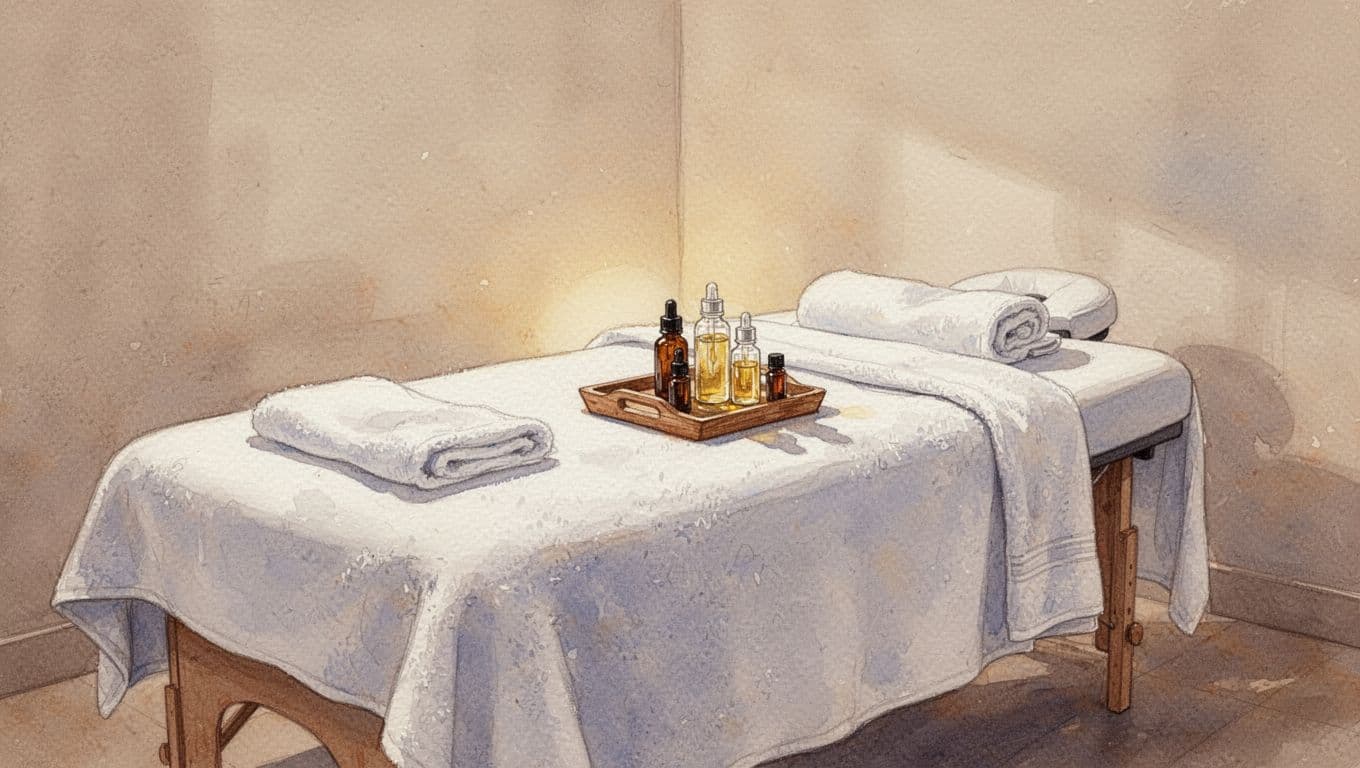
Once you’re on the table, the room should feel warm, private, and quiet. Some spas use soft music, while others keep the space silent so you can relax without distraction.
The therapist usually starts with slow, smooth strokes. Oil is applied in small amounts, then spread with steady movements that help the skin glide easily and the muscles release without strain. The touch often feels flowing and even, more like a gentle wave than a hard push.
Aromatherapy Massage often focuses on common tension points, such as the neck, shoulders, back, and legs. The therapist may spend a little extra time on tight spots, but the session still stays calm and unhurried. That balance is what makes it feel both soothing and useful.
If you want to understand how scent and bodywork support each other, The Benefits of Aromatherapy During Massage gives a clear overview of that pairing. The main thing to expect is comfort, not pain, and the therapist should keep checking in if needed.
How to feel after the massage
After the massage, many people feel lighter, calmer, and a little sleepy. Others feel warm, loose, and pleasantly quiet, like their body finally got a break.
That post-session feeling can last for hours, especially if the massage eased built-up stress. Drinking water helps, since massage and oils can leave you feeling a bit drained in a good way. It also helps to rest for a bit instead of rushing straight back into work or traffic.
If possible, keep the next hour or two open. A slow walk, a quiet meal, or even just sitting still for a while can help the relaxed feeling last longer. You may also want to avoid heavy exercise or a packed schedule right after your appointment.
Many first-time clients are surprised by how settled they feel. The session is gentle, but the effect can stay with you well after you leave the spa.
Who Should Try Aromatherapy Massage, and When to Be Careful
Aromatherapy Massage fits a lot of different needs, but it works best when you know why you’re booking it. Some people want relief from stress. Others want help with tight muscles, poor sleep, or a mind that feels stuck in overdrive.
It can be a smart choice for busy professionals, athletes with muscle tension, and anyone who wants a calmer reset after a long week. Still, the oils matter, so a little caution goes a long way. If you want to compare treatment options before booking, you can also explore our professional massage services.
Good reasons to book a session
If your days feel full before they even start, an aromatherapy session can help you slow down. Long work hours, back-to-back meetings, and constant screen time often leave the neck, shoulders, and jaw tight. A calm massage with the right oil blend can ease that heaviness and give your nervous system a break.
Mental fatigue is another strong reason to book. When your brain feels crowded, even simple tasks can feel harder than they should. A soothing scent, paired with steady touch, can make the whole body feel more settled.
This type of massage also works well for people dealing with poor sleep or general burnout. If you fall asleep late, wake up tense, or feel worn out without a clear reason, a gentle session can help you reset. Athletes and active people may like it too, especially when training leaves them stiff but not injured.
If you want relaxation without a harsh or intense treatment, aromatherapy is often a good first choice.
When essential oils need extra caution
Essential oils are powerful, so they deserve respect. If you have skin allergies, ask for a patch test or a very mild blend first. Even natural oils can irritate sensitive skin, especially if they are too strong or poorly diluted.
People with asthma or strong scent sensitivity should be extra careful too. A scent that feels pleasant to one person can feel overwhelming to another. If a smell tends to trigger coughing, headaches, or tight breathing, say so before the session starts. For a general safety reference, WebMD’s essential oil guide gives a simple overview of common precautions.
Pregnancy also calls for caution. Some oils are not a good match during pregnancy, and some spas may avoid certain blends altogether. If you’re pregnant, or if you have migraines that react to scent, talk to a doctor first and tell the therapist exactly what you need.
How to choose a therapist you trust
A good spa experience starts with simple listening. The therapist should ask about your scent preferences, your pain points, and any health concerns before the massage begins. That short conversation should feel easy, not rushed.
You should also hear clear explanations about the oils. A trustworthy therapist can tell you what blend they plan to use, why it fits your needs, and how they will dilute it. Clean towels, neat tools, and a tidy room matter too, because hygiene shapes both comfort and safety.
Privacy and comfort are just as important. The therapist should respect your boundaries, check the pressure, and give you room to speak up if something feels off. If you need a softer scent, less pressure, or more coverage, that request should be welcomed without fuss.
A session feels better when the space feels calm, clean, and professional. That is the kind of care that makes Aromatherapy Massage feel safe, personal, and worth repeating.
How to Get the Best Results From Your Aromatherapy Massage
Aromatherapy Massage works best when you treat it like a small reset, not just another item on your schedule. A little preparation before the session and a calm pace afterward can make the scent, touch, and rest feel much more effective.
The goal is simple: help your body relax faster, keep your skin comfortable, and give the benefits more time to settle in. A few practical choices can make the whole experience feel smoother.
 ### What to do before your appointment
Arrive a little early so you can slow down before the massage begins. Rushing in from traffic or work makes it harder to relax, and the first few minutes of your session may feel shorter than they should.
Eat lightly a little before your visit. A heavy meal can leave you sluggish, while an empty stomach can make you feel distracted. Water also helps, so sip some before you come in, but don’t overdo it right before the massage.
Most importantly, speak up about your preferences before the therapist starts. Tell them if you want a softer or firmer touch, and mention any scent you like or dislike. If you’re sensitive to strong smells, say that early so the oil blend can be adjusted.
A quick check-in can save the whole session. If you want help choosing the right therapist and booking style, the Nairobi massage therapy guide is a useful place to start.
A few simple habits help:
- Arrive 10 to 15 minutes early so you can settle in.
- Eat something light instead of a full meal.
- Drink water before and after the session.
- Share pressure and scent preferences before the massage starts.
Clear preferences make a better session. A good therapist can adjust, but only if you tell them what you need.
How to make the benefits last longer
What you do after the massage matters almost as much as the massage itself. If possible, keep the rest of your day slow. Your body has just shifted into a calmer state, and a packed schedule can pull you right back out of it.
Hydration helps a lot. Water supports recovery and keeps you from feeling sluggish after the session. Gentle stretching can also help, especially if the massage loosened tight shoulders, hips, or lower back muscles.
Rest is the main goal, even if you only get a little of it. A short nap, a quiet walk, or time away from your phone can help the relaxed feeling stay with you longer. If you can, avoid hard workouts and stressful errands right after the appointment.
A few hours of calm can stretch the benefits far beyond the treatment room. For a simple overview of how aromatherapy and massage work together, Massage and Aromatherapy Benefits offers a helpful perspective.
How often to book for stress relief and recovery
How often you book depends on your goals, your budget, and your routine. If you want steady stress relief, a regular schedule usually works better than waiting until you feel worn out. If you’re using Aromatherapy Massage for muscle recovery, consistency can help your body stay ahead of tightness.
Some people book weekly when stress is high or when they need regular recovery after training or long workdays. Others prefer once a month to stay balanced and give themselves a dependable reset. Both can work well, as long as the timing fits your life.
If you are unsure where to start, begin with one session and pay attention to how long the calm lasts. Then adjust based on your body. If the relief fades quickly, you may benefit from more frequent visits. If the effect lasts for weeks, monthly sessions may be enough.
A simple rhythm often looks like this:
- Weekly for active stress care or ongoing muscle tension.
- Every two weeks for steady maintenance.
- Monthly for general relaxation and recovery.
The best schedule is the one you can keep. A therapist who understands your goals can help you choose a pace that feels realistic, comfortable, and worth repeating.
Conclusion
Aromatherapy Massage brings together steady touch and the right essential oils, which is why it works so well for stress relief, muscle ease, and a calmer mood. When the blend matches your goal, the session feels more personal and more effective.
For people in Nairobi, that balance matters after long workdays, traffic, and busy routines. A good session can help you slow down, recover, and leave with a lighter body and a clearer head.
If you have been thinking about trying it, book a session and pay attention to how your body and mood respond. That small reset can say a lot.