
Deep Tissue Massage in Nairobi, Kilimani | Nairobi Spa
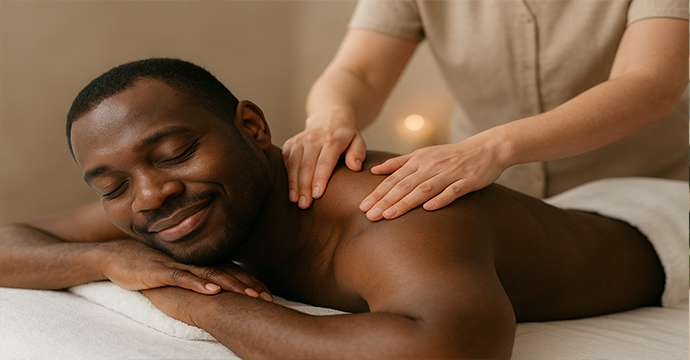
Deep Tissue Massage is for the days when your muscles don’t settle down on their own. It uses slow, firm pressure to reach deeper muscle layers and tight spots that a lighter massage often misses.
That’s why people often choose it for chronic pain, stubborn muscle knots, stress that sits in the shoulders, poor mobility, or recovery after hard workouts and long workdays. If your body feels tight, heavy, or sore in the same places over and over, this type of massage can give those areas the focused attention they need. At Nairobi Spa & Massage in Kilimani, clients often look for that kind of targeted relief when everyday tension starts to build up.
Deep tissue work can feel intense at times, but the goal is steady relief, not quick pressure for the sake of it.
It also helps to know that deep tissue massage is different from a relaxing spa massage. A soothing session is great when you want calm and light stress relief, while deep tissue work is better when your body needs more direct attention. The next part looks at how it works and when it makes the most sense for you.
What a Deep Tissue Massage actually does for your body
Deep Tissue Massage works by applying slow, firm pressure to the places that stay tight the longest. In Nairobi Spa & Massage in Nairobi, Kilimani, that usually means focused attention on muscles and connective tissue that feel stuck, sore, or overworked.
The pressure is controlled, not rushed. That matters because the body responds better when the therapist gives tight areas time to soften instead of forcing them open. Used well, this kind of work can help your body move more freely, feel less sore, and recover with less effort.
 ### Why slow, firm pressure reaches deeper tension
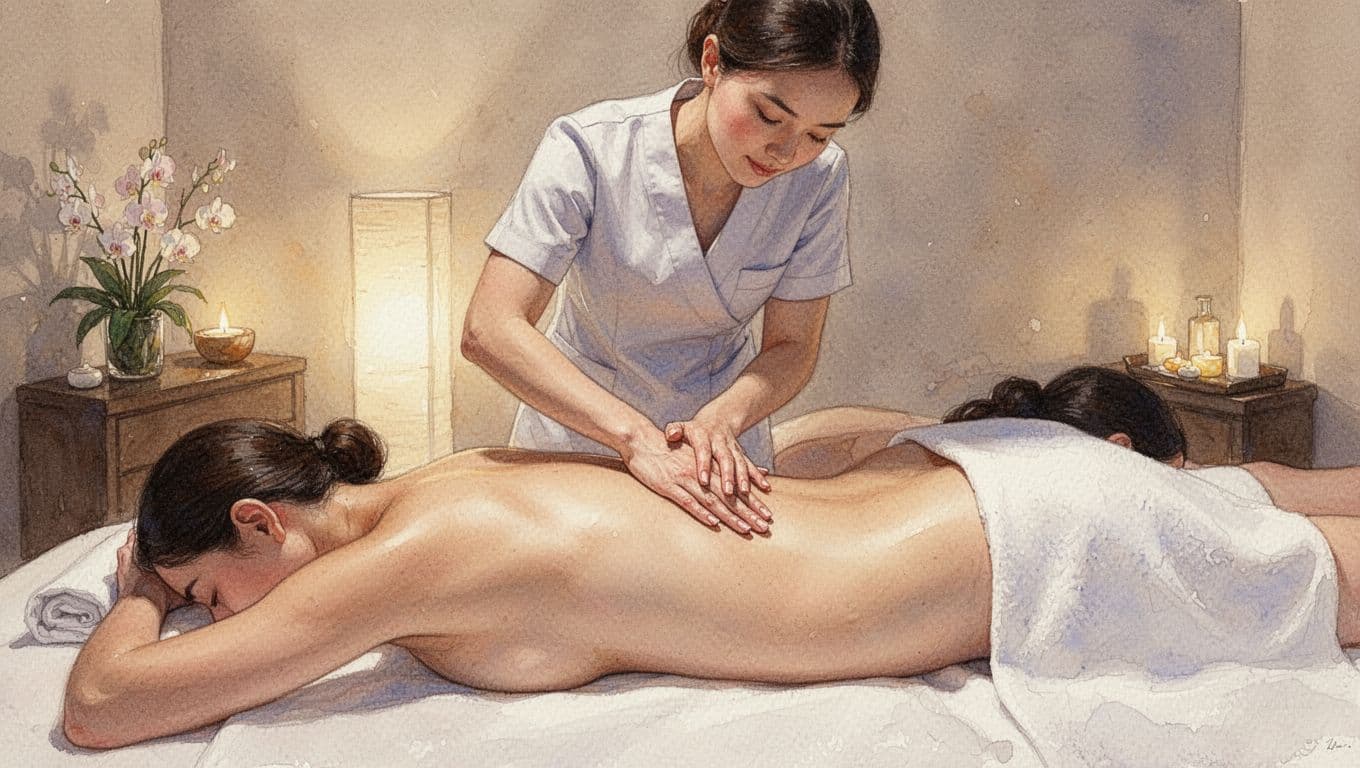
Deep Tissue Massage is not about pressing hard for the sake of it. A skilled therapist works slowly so the body has time to relax around the pressure. That makes it easier to reach deeper layers of muscle and fascia without causing the area to clamp up even more.
Hard pressure and deep pressure are not the same thing. Hard pressure can feel sharp, rushed, or too forceful. Deep pressure feels steady, targeted, and controlled, which is why it often works better for stubborn tension. A deep tissue massage in Nairobi is designed around that kind of careful approach, not random force.
The slower pace also helps the therapist notice how your body reacts. If an area guards too much, they can ease off and work around it. That gives the muscle a better chance to let go instead of fighting back.
The best deep pressure feels precise, not aggressive.
Pain relief, better movement, and less stiffness
People usually book this massage because something hurts, feels tight, or moves badly. Back pain, shoulder tightness, neck pain, and all-over stiffness are common reasons to seek treatment. These problems often build up from posture, stress, work habits, or exercise.
Deep Tissue Massage can also improve range of motion, which simply means your joints and muscles can move more freely. Reaching overhead, turning your neck, or bending down may feel easier after the body stops bracing against pain. For many people, that change feels small at first, then obvious in daily life.
A massage session often helps with:
- Back pain that keeps returning after long days
- Shoulder tension from carrying stress in the upper body
- Neck tightness from screens, driving, or poor posture
- General stiffness that makes movement feel heavy
If those issues have been building for months, deep tissue massage for chronic pain can be a practical place to start. WebMD also notes that deep tissue work may help with pain and muscle tension, which lines up with what many people feel after treatment, especially when the tightness has been there a while. See WebMD’s overview of deep tissue massage for a broader look at those benefits.
How deep tissue work can help stress and recovery
Physical tension and mental stress usually show up together. When your mind stays on alert, your shoulders lift, your jaw tightens, and your breathing gets shallow. Over time, that pattern can leave your whole body feeling worn out.
Deep Tissue Massage helps break that cycle. As tight muscles soften, many people feel calmer because the body is no longer holding so much strain. Better relaxation can also support sleep, which matters when stress has been dragging you down for days or weeks.
It can be useful after workouts too. Firm, focused work may help with soreness, recovery, and the heavy feeling that follows hard training. It also helps after long hours of sitting, when the hips, lower back, and upper back start to feel locked in place. Research summaries on deep tissue massage also point to benefits for recovery and muscle function, including support for athletic use and soreness management, as seen in this deep tissue massage benefits summary.
The result is simple. Your body gets a chance to release tension, move better, and feel less overloaded.
What to expect during a Deep Tissue Massage session
A Deep Tissue Massage usually starts slower than people expect. That first part matters because the therapist is not trying to force the body open. Instead, they are reading your muscles, easing them into the work, and building enough warmth for the deeper pressure to land well.
If you book at Nairobi Spa & Massage in Nairobi, Kilimani, the session should feel focused and controlled. You may feel strong pressure, but it should still feel manageable, with room to speak up if anything feels too sharp.
 ### How a therapist prepares your muscles before going deeper
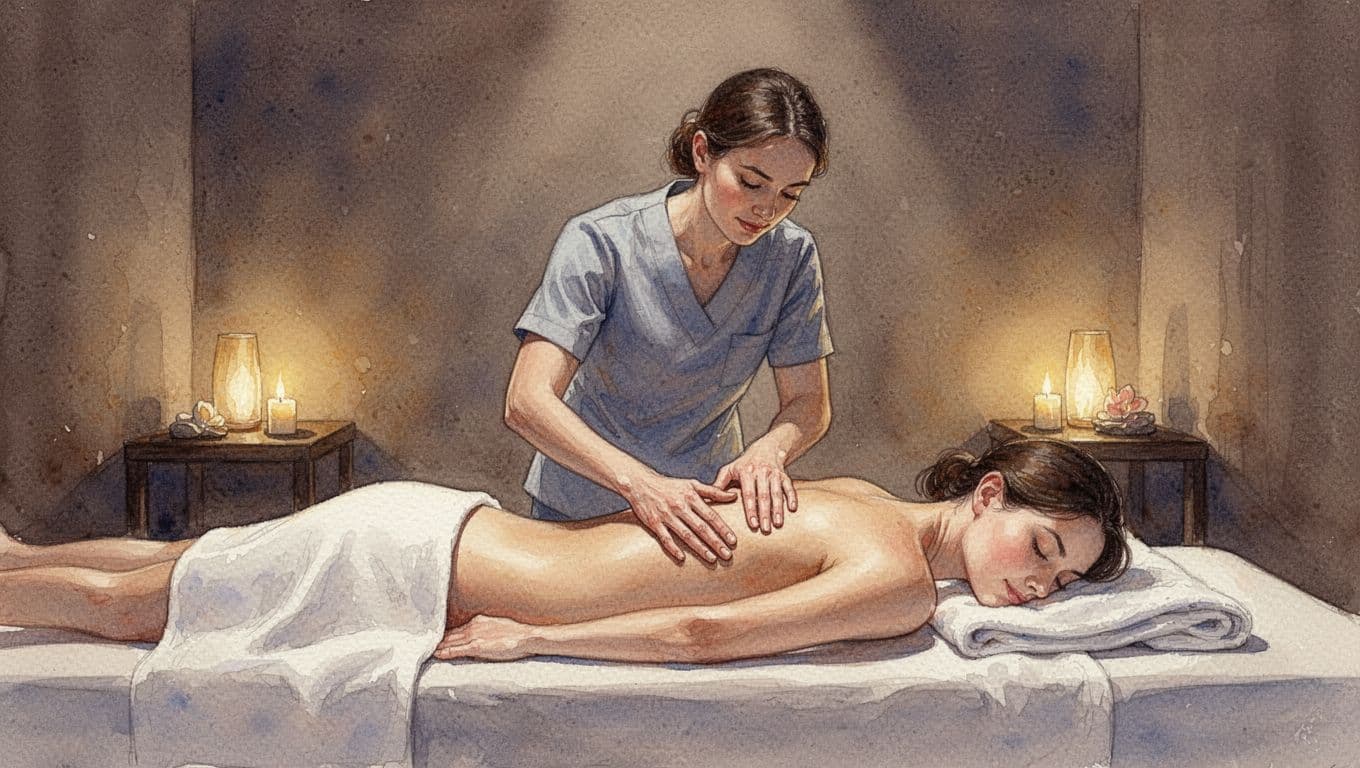
The session often begins with slower strokes and broad, warming touch. This helps raise blood flow, soften tight tissue, and let your body relax before the therapist works on stubborn spots. A good therapist does not jump straight into heavy pressure because cold, guarded muscles tend to push back.
Communication comes first, too. You can point out sore areas, old injuries, and pressure limits before the massage starts, which helps the therapist adjust the session to your body. That conversation makes the deeper work safer and more effective, because the therapist knows where to go slowly and where to stay lighter.
Warm-up pressure also gives your nervous system time to settle. When the body feels rushed, it braces. When it feels prepared, it usually responds better.
Common techniques used, like trigger point work and friction
Once the muscles are ready, the therapist may use thumbs, knuckles, forearms, or elbows to reach tight areas. The touch can feel firm and focused, especially around the neck, shoulders, lower back, and hips where knots often hide. In some spots, the pressure may feel tender, but it should still stay within a tolerable range.
Therapists often use trigger point work on specific knots, holding pressure until the tissue starts to release. They may also use friction, which means short, controlled movements across tight fibers to loosen stuck tissue. For a broader look at the style and goals of this treatment, Healthline’s deep tissue massage overview gives a clear basic summary.
Deep tissue work should feel intense at times, but it should never feel like sharp pain you need to endure.
What the massage may feel like during and after the session
During the massage, you may feel a mix of relief and pressure. Some areas release quickly, while others take time. That difference is normal, especially if the tightness has been there for weeks or months.
Afterward, mild soreness is common, much like the feeling after a good workout. At the same time, many people notice looser shoulders, less stiffness, and easier movement later that day or the next. If the session was intense, give your body some room to adjust.
A few simple aftercare steps help:
- Drink water so your body can recover well.
- Rest when you can, especially after a stronger session.
- Ease back into activity instead of jumping straight into hard exercise.
- Notice how your body feels over the next 24 hours, especially in the treated areas.
You may also want to avoid booking a heavy workout right after treatment. A lighter pace gives your muscles time to settle and keeps the benefits of the session from getting drowned out by fresh strain.
Is deep tissue massage right for you?
Deep Tissue Massage works well when your body holds tension that never seems to let go. It is a strong, focused treatment, so it fits some people much better than others.
If your muscles feel knotted, tight, or overworked, this type of massage may help. If your body is dealing with an injury, a medical condition, or pain that feels unusual, it pays to slow down and ask the right questions first. A good session should feel purposeful, not risky.
 ### Best candidates for deep muscle relief
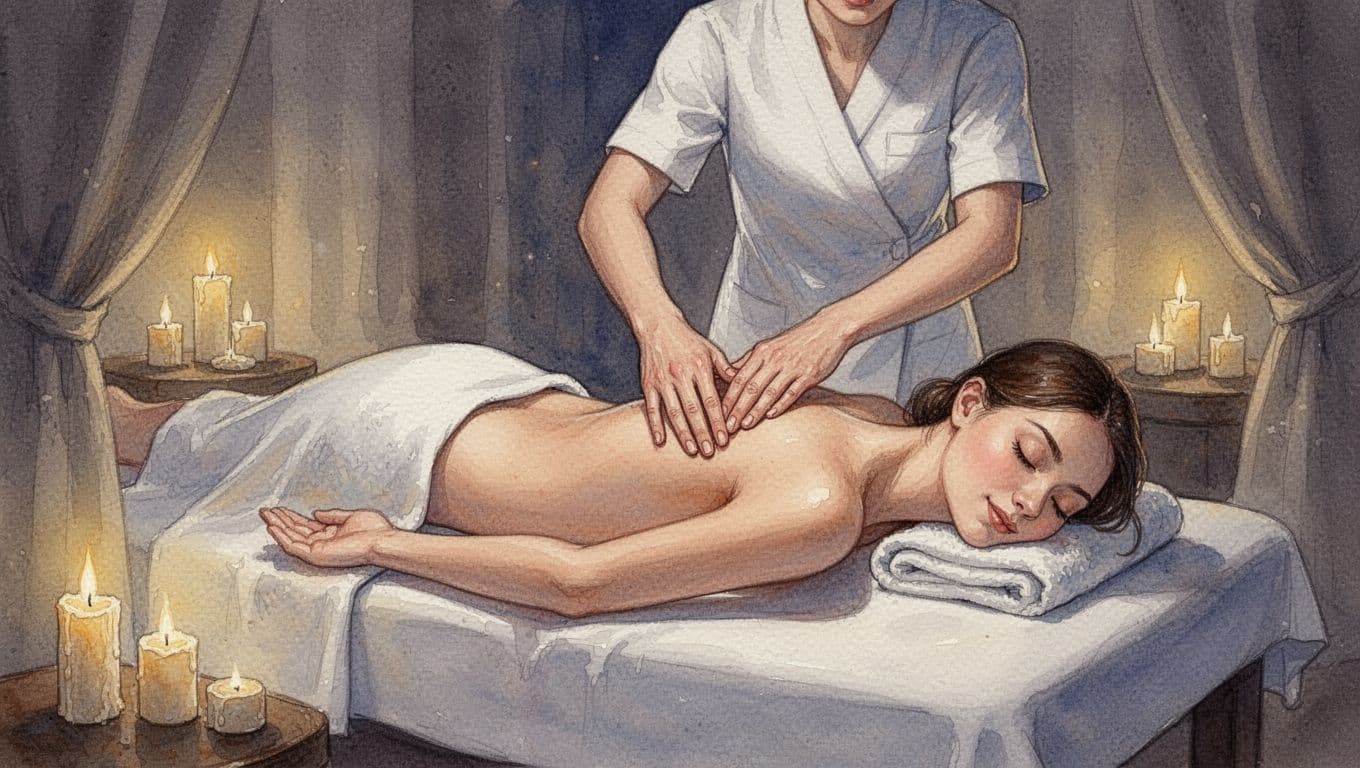
Deep Tissue Massage is a strong fit for people with chronic tension. If your neck, shoulders, or lower back stay tight no matter how much you stretch, focused pressure may help those areas relax.
It also works well for athletes and active people. Training, lifting, and repeated movement can leave muscles tired and tight, especially in the legs, hips, and upper back. Desk workers often need it too, since long hours at a screen can lock the shoulders forward and make the upper body feel stiff.
Anyone dealing with an old strain may notice the difference as well. Sometimes the body keeps guarding an area long after the original soreness has faded. In those cases, a steady session at Nairobi Spa & Massage in Nairobi, Kilimani can help the muscle stop bracing and start moving more freely.
When to speak up about pain, injury, or health concerns
Some people should check with a professional before booking a deep tissue session. That includes anyone with recent surgery, active inflammation, blood clot risk, fractures, open wounds, or other health issues. People with osteoporosis, bleeding problems, or conditions that affect healing should be extra careful too. WebMD gives a clear overview of groups that should avoid deep pressure or get medical clearance first in its deep tissue massage safety guide.
Honest communication makes a big difference. Tell the therapist where it hurts, what happened, and what pressure feels safe. If you leave out important details, the massage can be less helpful, and in some cases, more uncomfortable than it should be.
A few things are worth mentioning before the session starts:
- Recent injuries that still feel sore, swollen, or unstable
- Pain that changed suddenly or feels different from your usual tension
- Medications that affect bruising or bleeding
- Surgery or medical treatment in the last few months
How to tell the difference between helpful discomfort and too much pressure
Good discomfort feels firm, focused, and manageable. You may feel a stretch-like ache or a tender spot that eases as the therapist holds pressure. That kind of feeling usually comes with relief afterward, not alarm.
Bad pain feels sharp, burning, numb, or overpowering. If you feel tingling, stabbing pain, or a pressure level that makes you tense up, speak up right away. Your body should not have to fight the massage.
A useful rule: strong pressure can be normal, but sharp or numb pain is a warning sign.
You should also say something if the pressure keeps building instead of settling. A skilled therapist can always adjust their touch, slow down, or move to a different area. That conversation keeps the session safe and makes the treatment work better for your body.
Choosing the right place for a deep tissue massage in Nairobi
The right spa makes a big difference with Deep Tissue Massage. You want a place that feels calm, safe, and professional from the moment you walk in. You also want a therapist who knows how to work through tight muscles without turning the session into a pain contest.
In Nairobi, Kilimani is a strong choice because it gives you access to well-kept spaces and easy booking options. At Nairobi Spa & Massage in Nairobi, Kilimani, the focus should be on comfort, pressure control, and a session that matches your body, not a one-size-fits-all routine.
 ### Signs of a skilled therapist and a well-run spa
A good therapist listens before they touch. They ask about sore spots, old injuries, and how much pressure feels right, then adjust their work based on your feedback. That kind of attention tells you they understand both the body and the person on the table.
A well-run spa also shows its quality in the small things. Clean towels, fresh linens, tidy rooms, and a calm greeting all matter because they set the tone for the entire visit. If the space feels rushed or careless, the massage usually feels that way too.
Look for these signs before you book:
- Professional communication before and during the session
- Experience with deep pressure work and muscle-specific techniques
- Clean, organized treatment rooms with fresh linens
- A calm atmosphere that helps your body relax
- Clear attention to comfort and safety at every step
A therapist should also know when to ease off. Firm pressure is useful, but it should never feel reckless. The best sessions feel controlled, purposeful, and responsive to how your body reacts.
Why location, comfort, and communication matter
Location matters more than people think. If the spa is easy to reach, you arrive less stressed and more relaxed. That helps your body settle before the massage even starts, which makes the work more effective.
Comfort matters too, because deep tissue work asks your muscles to let go. A quiet room, the right temperature, and a setup that lets you lie still without strain all help you get more from the session. When the space feels safe, your body stops bracing.
Communication is the final piece. Clear pressure feedback lets the therapist stay within your comfort zone and avoid going too hard too fast. If something feels sharp, numb, or tense, speaking up early keeps the session on track.
A few simple habits improve the whole experience:
- Pick a spa that is easy for you to get to.
- Arrive with enough time to settle in.
- Tell the therapist where the tightness is.
- Speak up if the pressure changes too quickly.
The right place for Deep Tissue Massage makes the body relax before the first stroke begins.
For readers comparing options in the city, massage services in Kilimani can give you a better feel for what a local spa should offer, from setting to treatment style.
Conclusion
Deep Tissue Massage works best when the goal is real relief, not just a short break from stress. It can help ease stubborn pain, soften tight muscles, and improve movement when your body has been holding tension for too long.
It also supports recovery in a practical way. When pressure is applied with the right technique, the body has a better chance to release knots, improve circulation, and settle down after hard work, long hours at a desk, or intense training. Just as important, the calmer body often leads to a calmer mind.
For people in Nairobi, Nairobi Spa & Massage in Nairobi, Kilimani is a strong option when you want focused treatment in a professional setting. The best results still come from the basics, though, choosing the right therapist, speaking up during the session, and giving your body time to recover afterward.
When those pieces line up, Deep Tissue Massage can do exactly what people hope for, it can make movement easier, reduce pain, and leave the body feeling more open and less strained.