
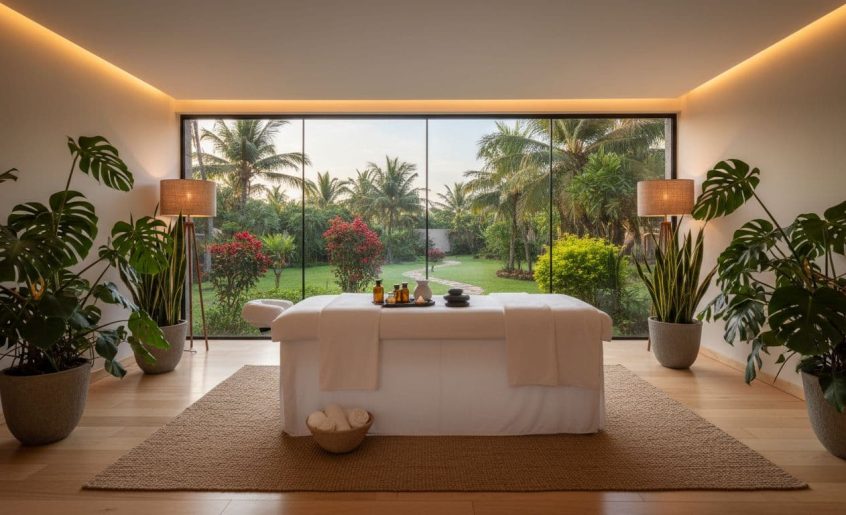
Hot Stone Massage: Benefits, How It Works, and Safety
A hot stone massage uses smooth heated stones along with hands-on pressure to help your muscles loosen and your body settle down. The warmth feels different from a standard massage because it sinks into tight areas before the therapist works them, which can make the session feel gentler and more comforting.
People often choose it for stress relief, sore muscles, and a deeper sense of calm. If you’re comparing massage options in the city, choosing the right massage session matters just as much as the technique itself.
This guide breaks down how hot stone massage works, the main benefits, who it’s best for, and what you can expect during a session.
How Hot Stone Massage Actually Works
Hot stone massage feels simple on the surface, but a lot is happening under that calm, warm pressure. The therapist uses heat, placement, and slow handwork together, so your muscles can soften before stronger pressure starts.
The process is gentle by design. That matters because warmth changes how your body responds, and the massage feels smoother when tight tissue has already begun to loosen.
Why therapists use basalt stones
Therapists often choose basalt stones because they hold heat well and stay smooth against the skin. Basalt is a dense volcanic rock, so it warms evenly and keeps that warmth for longer than many other stones.
That makes the session more comfortable. The stone feels steady, not scratchy or sharp, and the heat releases slowly instead of dropping off too fast. For a treatment built around warmth, that steady heat matters a lot.
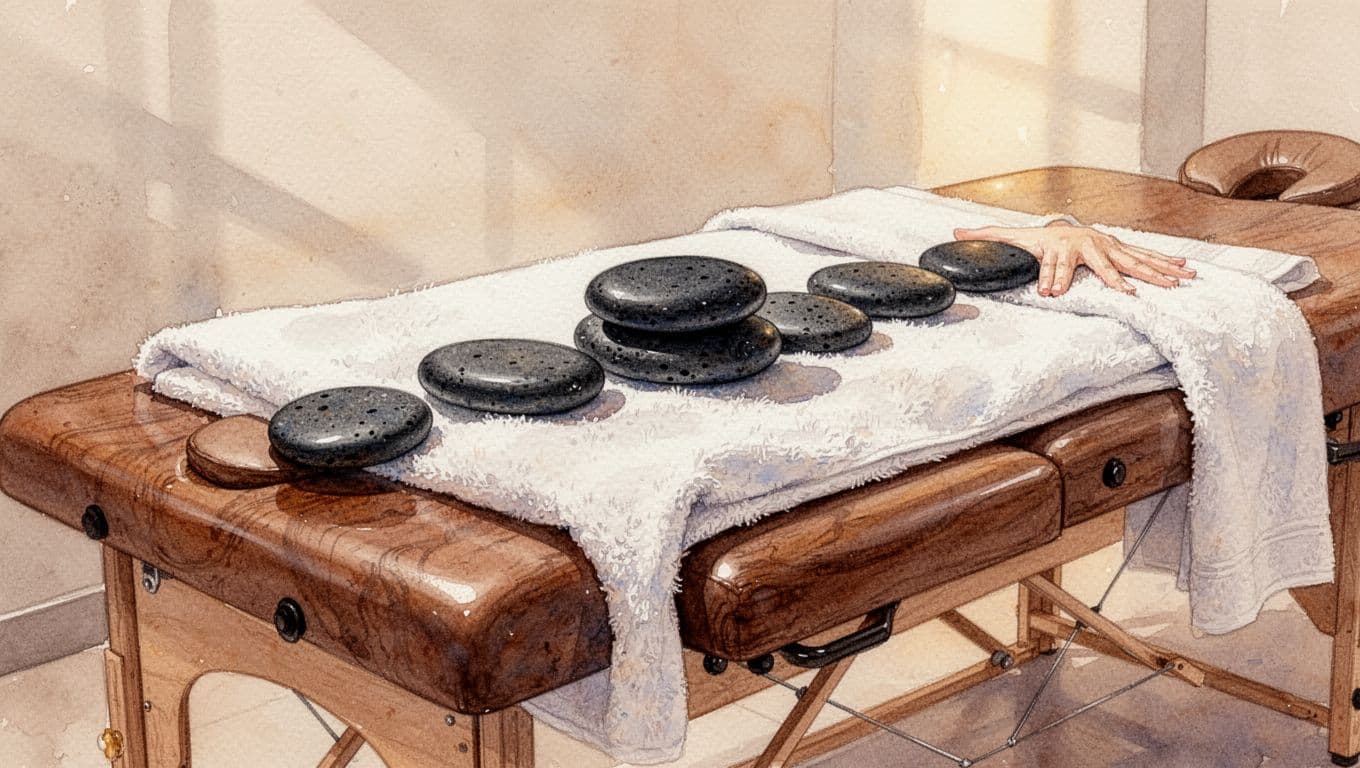 Basalt also gives the therapist good control. The stones can rest on larger muscle groups, or they can move with the hands during the massage. In a well-run session, the stones are heated to a safe, comfortable range, usually warm enough to soothe the body without feeling sharp or too hot.
Good hot stone work should feel warm and relaxing, never risky or painful.
If you want to compare this style with other massage options, the guide to massage therapy types and benefits can help you see where hot stone fits.
What the session feels like from start to finish
The session usually begins with stones that have been heated and checked for comfort. The therapist may place them on the back, shoulders, hands, or legs first, so your body can adjust to the warmth before any deeper work begins.
At first, the heat feels like a slow wave settling into the muscles. You may notice your breathing getting easier, your shoulders dropping, and your body becoming heavier on the table. That is a good sign. It means your nervous system is starting to settle down.
Next, the therapist often uses the stones like an extension of the hands. The pace stays slow and measured, with smooth strokes and light to medium pressure. Sometimes the stones glide over the skin, and sometimes they rest in place while the therapist works nearby areas.
The ending is usually quiet. The stones come off gradually, and you get a few moments of rest before getting up. Many people leave feeling loose, warm, and a little sleepy, like their body has finally stopped holding its breath.
For readers who want a fuller sense of the technique itself, what is a hot stone massage gives a simple breakdown of the method and setup.
How heat changes the way muscles respond
Heat makes tight muscles more willing to let go. When the tissue warms up, it becomes softer and more flexible, so the therapist can work without your body resisting as much.
That warmth also helps blood flow improve in the treated area. Better circulation brings more oxygen and nutrients to the muscle, which can make sore or tired areas feel calmer. In plain terms, the body stops guarding so hard.
This is why hot stone massage often feels more comfortable than deep pressure alone. The heat prepares the body first, so the therapist can use firmer strokes with less strain. A recent overview from Healthline on hot stone massage also notes that the combination of heat and massage can support relaxation and ease muscle tension.
The effect is a bit like loosening a knot before pulling on it. The therapist still does the work, but the heated muscle gives more easily. As a result, the pressure tends to feel smoother, and the release often comes faster.
For many people, that is the real value of hot stone work. It does not rush the body. It gives the body a reason to relax first, then the massage can go deeper with less discomfort.
The main benefits of hot stone massage
Hot stone massage is popular for a reason. The heat changes how the body feels under pressure, so the session often brings relief faster and with less discomfort than a purely firm massage.
Many people choose it when they feel worn down, stiff, or overloaded. Others love it because the warmth feels comforting in a way that plain pressure does not. That extra heat can make the whole experience feel easier to settle into.
 ### Easing tight muscles and everyday aches
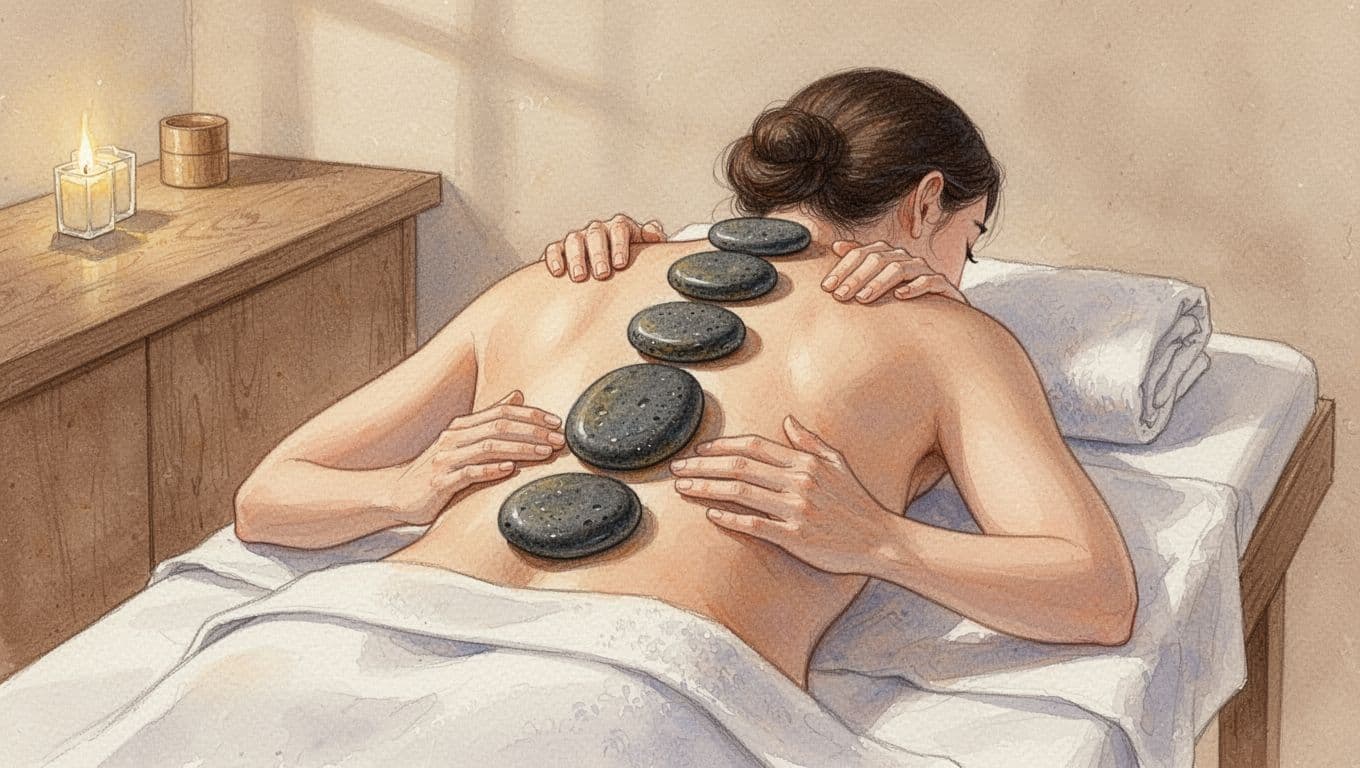
Heat and massage work well together when your body feels clenched. The stones warm the muscle first, which helps the tissue soften before the therapist adds pressure, so tight spots often release more smoothly.
That matters for common problem areas like the back, shoulders, and neck. If you sit at a desk for hours, drive often, or carry stress in your upper body, you probably know that heavy, bundled-up feeling around the shoulders. Hot stone massage can help that area stop guarding so hard.
It also helps after workouts. Sore muscles often feel less stiff once warmth has moved through them, and the massage can ease the feeling of knots that sit under the surface. For many people, it feels like the body is finally getting permission to relax.
If you’re comparing treatment options, massage services in Nairobi often include hot stone work alongside other styles that target tension and recovery.
Calming stress and helping the mind slow down
The warmth does more than loosen muscles. It can also quiet the nervous system, which is a big part of why hot stone massage feels so soothing.
When your body feels warm, supported, and still, your mind often follows. That is useful if you deal with anxiety, mental overload, or a constant sense of being “on.” The steady pressure and smooth strokes give your brain something simple to focus on, so the mental noise can ease up for a while.
For many people, the best part is the feeling of being cared for, warmed, and fully allowed to rest.
That comfort matters. A calm session can feel like a reset after a busy week, especially if stress has been sitting in your shoulders or jaw for days. For a broader look at how massage fits into stress relief, the benefits of massage therapy are well covered by Healthline.
Supporting circulation, flexibility, and sleep
Hot stone massage also has a few secondary benefits that people notice right away. Better blood flow is one of them, because warmth helps blood vessels widen and allows circulation to move more freely through the muscles.
That can support recovery after long days, hard workouts, or travel. In addition, when muscles loosen up, movement often feels easier. Bending, turning, and stretching can all feel less restricted once the body is warm and relaxed.
Sleep is another common benefit. When the session helps you unwind, your body often stays in that calmer state afterward. Many people feel sleepy once they get home, which is one reason this treatment works well in the evening or on a day off.
A few simple benefits stand out most:
- Better blood flow can help tired muscles feel less sluggish.
- Looser muscles can make everyday movement feel smoother.
- Deep relaxation can make it easier to fall asleep later.
In short, hot stone massage is not just about comfort in the moment. It can also help your body recover, move with less stiffness, and settle into better rest after the session ends.
Who gets the most from a hot stone massage?
Hot stone massage works best for people who want warmth, comfort, and steady relief without a lot of heavy pressure. It often feels especially good when your muscles are tight, your mind feels crowded, or you just want a calmer kind of bodywork.
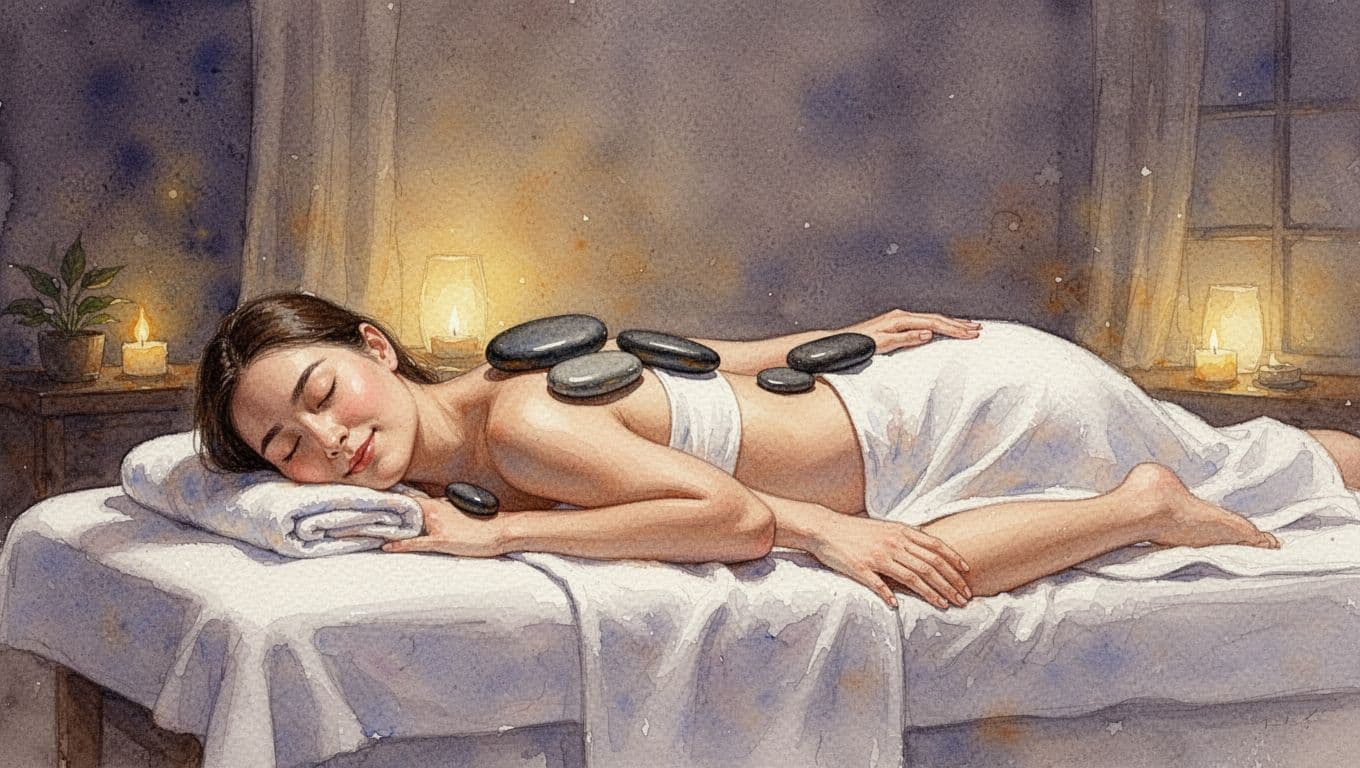 If you usually feel cold, carry tension in your neck and shoulders, or prefer a soothing session over a hard-working one, this style may fit you well. For people comparing options, massage therapy in Nairobi includes several approaches, but hot stone often stands out for its relaxing feel.
Best matches for this style of massage
Hot stone massage is a strong match for people who want relief without feeling pushed too hard. The warmth helps the body loosen first, so the session feels softer and more welcoming than a firm deep tissue treatment.
It often suits:
- Stressed professionals who sit for long hours and feel it in their shoulders, neck, or jaw.
- Active people with sore muscles who want warmth to ease post-workout tightness.
- People who feel cold often and enjoy a heated, cozy treatment.
- Anyone who prefers gentle-to-moderate pressure instead of intense kneading.
- Relaxation-focused clients who want their massage to feel calming, not draining.
Many people also choose it when they want a wellness session that helps them slow down. A hot stone massage can feel like a reset button for the body, especially after a busy week.
If your ideal massage leaves you warm, loose, and sleepy, this style is probably a good match.
When another massage type may be a better fit
Some people need a different approach. If you want very deep pressure for stubborn knots, a deep tissue session may fit better. If heat makes you uncomfortable, a cooler style is usually the safer choice.
It can also help to look elsewhere if you want a more energizing massage. Some clients prefer a brisk, movement-based session that feels more active than soothing. Hot stone massage is calmer by design, so it is not the best choice for everyone.
A massage with firmer work may make more sense when your main goal is intense muscle release. For a warmer and gentler experience, though, hot stone often wins.
Common safety notes and situations to mention first
Before booking, share any health concerns with your therapist. That matters even more if you have skin sensitivity, circulation issues, are pregnant, or know that heat feels uncomfortable for your body.
Certain conditions need extra care because warm stones can make symptoms worse or raise the risk of burns. Health sources such as Healthline’s hot stone massage guide also note that people with heat sensitivity or circulation problems should be cautious.
Mention these concerns first if they apply to you:
- Skin irritation or sensitivity such as rashes, open areas, or recent sunburn.
- Circulation issues or conditions that affect how you feel heat.
- Pregnancy, unless a qualified provider has said the treatment is appropriate.
- Any condition that makes heat uncomfortable, even if it seems mild.
A good therapist will adjust the session or suggest a different massage style if needed. That kind of honest check keeps the experience safe and comfortable, which is the whole point of choosing hot stone massage in the first place.
What to expect before, during, and after your session
A hot stone massage feels much easier when you know the rhythm of the appointment. The session usually starts with a quick check-in, moves into slow warmth and steady pressure, then ends with a calm, slightly floaty feeling that can last for hours.
A little preparation also helps. If you arrive relaxed and speak up early, the therapist can adjust the temperature, pressure, and pace to fit your body.
How to prepare so you feel comfortable
Arrive a little early so you are not hurrying into the room. That gives you time to settle in, share any health concerns, and let the therapist know what you want from the session.
Drink water before your appointment, and keep it going afterward too. Wear comfortable clothing, and skip anything tight or fussy. If you have a sore spot, a skin issue, or heat sensitivity, mention it right away. Open communication helps the therapist adjust the stones and pressure so the treatment feels right for you.
A few small steps make a big difference:
- Arrive early so you can relax before the massage starts.
- Drink water before and after your session.
- Wear loose, comfortable clothes that are easy to change out of.
- Share concerns up front, including pain points or heat sensitivity.
- Keep it honest if the stones feel too warm or the pressure feels off.
If you want more help getting ready, how to prepare for a massage covers the basics in a simple way.
 ### What happens while the stones are in use
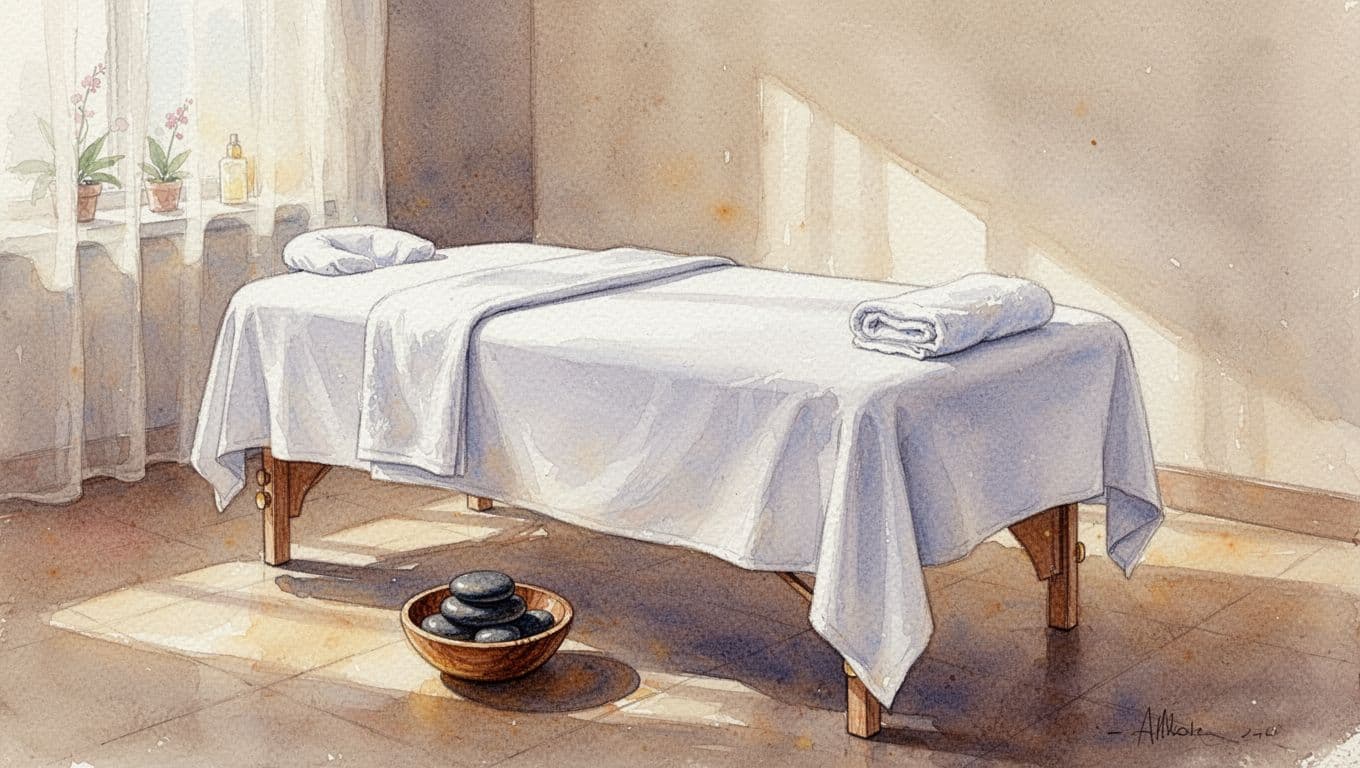
The therapist usually begins by warming up the body with a few hands-on strokes, then places heated stones on specific areas like the back, shoulders, hands, or legs. After that, they may alternate between stone placement and hand massage, which keeps the heat steady while the muscles continue to soften.
The warmth spreads through the tissue like a slow thaw. Tight areas often start to feel less guarded, and the body may sink more fully into the table. That is one reason hot stone massage feels so soothing, it lets heat do part of the work before the therapist adds pressure.
You should still feel in control the whole time. If a stone feels too hot, or if you want more or less pressure, speak up right away. A good therapist will adjust without breaking the calm.
For a broader look at spa treatment styles, massage services in Nairobi can help you compare options.
Warmth should feel steady and comforting. If anything feels sharp or too hot, say so right away.
How to care for yourself after the massage
After the session, slow down if you can. Your body may feel loose, heavy, or unusually calm, and some people feel slightly sleepy. That reaction is normal, especially after a treatment that uses heat so well.
Water helps the body recover, and a slower pace gives the benefits time to settle in. Skip a hard workout, keep your plans light, and give yourself a little room before jumping back into errands. If you can rest for a bit, the relaxation often lasts longer.
A simple aftercare routine works best:
- Drink water to replace fluids and support recovery.
- Rest when possible instead of rushing into a busy schedule.
- Keep the pace easy for the rest of the day.
- Notice how you feel, because sleepiness or a calm mood can follow the session.
Some people leave feeling refreshed, while others feel ready for a nap. Both reactions fit the experience. The main goal is the same, let the warmth, pressure, and rest do their work without interruption.
For aftercare details and safety guidance, hot stone massage benefits and aftercare offers a clear overview of what many people notice next.
Choosing the right spa and making the most of your visit
A good hot stone massage starts before the first stone touches your skin. The right spa uses trained hands, clean tools, and a room that helps your body relax instead of stay alert.
That matters because small details shape the whole session. A careful therapist, a quiet space, and clear service information can make the difference between a decent appointment and one that feels worth repeating.
Signs of a quality hot stone massage service
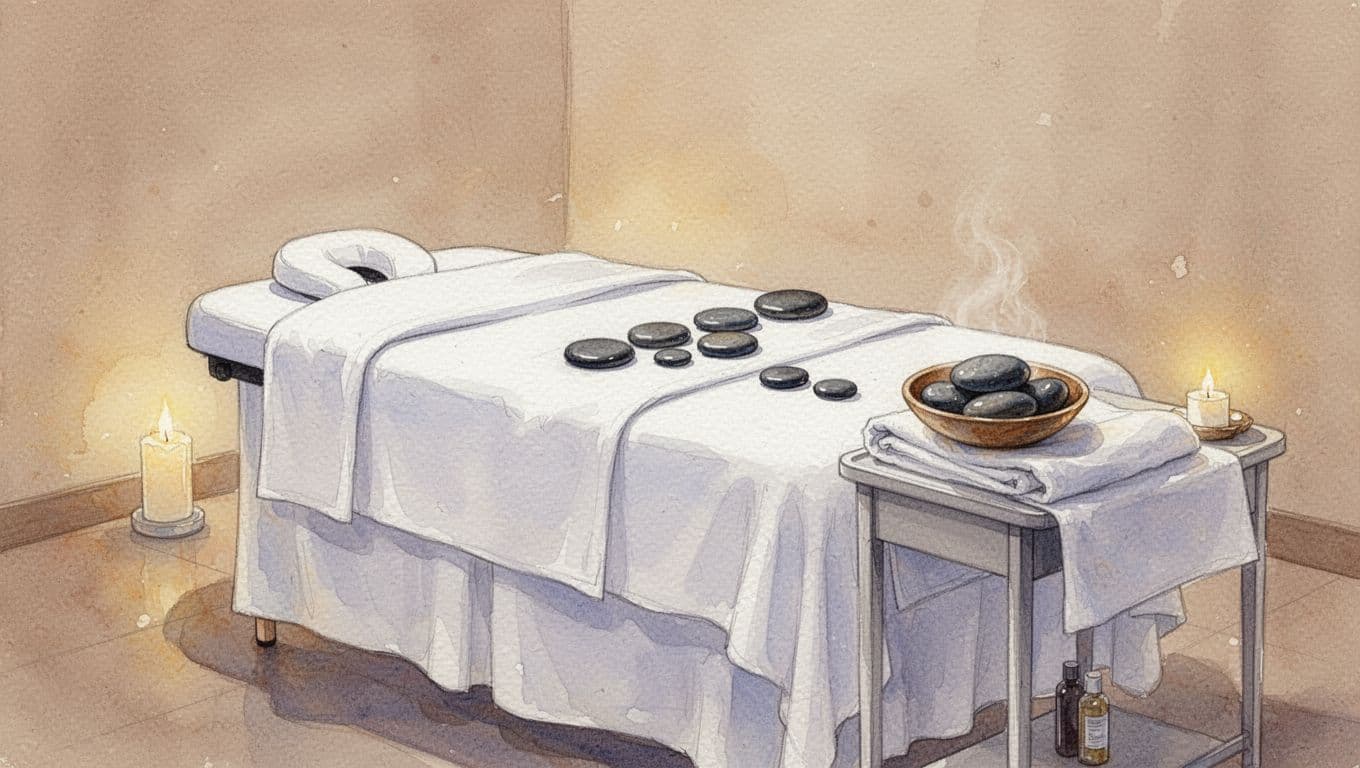 Look for a spa that treats hot stone work as a skill, not just an add-on. The therapist should be trained in stone placement, temperature control, and pressure adjustments, because hot stone massage depends on precision.
A clean setup also says a lot. Fresh linens, sanitized stones, tidy surfaces, and a room that feels calm all point to good habits behind the scenes.
Pay attention to how the stones are handled. They should feel warm, never scorching, and the therapist should check in if the heat feels off. A quality service keeps the session safe and comfortable, not rushed.
A few signs are easy to spot right away:
- Professional training is visible in confident, careful touch.
- Clean linens and tools make the room feel cared for.
- Controlled stone heat keeps the treatment safe.
- A peaceful room setup helps you settle in faster.
Clear service descriptions help too. If a spa explains what the session includes, how long it lasts, and what style of pressure to expect, booking feels easier. Client reviews can also give you a fast read on consistency and comfort, especially when they mention the therapist’s skill and the room atmosphere. If you want a place with clear treatment details, the Nairobi spa massage guide is a helpful place to compare options.
A polished hot stone massage should feel calm from the moment you walk in.
Questions worth asking before you book
A few simple questions can save you from a session that misses the mark. This is especially useful if it’s your first hot stone massage, but regular clients can use the same checklist when trying a new spa.
Start with the stones themselves. Ask how they heat them, how they check the temperature, and whether they place them directly on skin or use a barrier when needed. That tells you a lot about safety and care.
Then ask about the session format. Find out how long the appointment lasts, which areas they usually treat, and whether they can focus on your back, neck, shoulders, or legs if those spots feel tight.
You can also ask about pressure. Some people want a soft, calming session, while others want a little more work on stubborn knots. A good therapist should be able to adjust without losing the relaxed feel.
Useful questions include:
- How do you heat and monitor the stones?
- How long do your hot stone sessions last?
- Can you adjust the pressure during the massage?
- Do you focus on full-body work or target specific areas?
- What should I do if the stones feel too warm?
If the spa answers clearly and without hesitation, that usually means they know their service well. If the answers feel vague, keep looking.
How to decide on the best session length
Session length changes the whole experience. A shorter appointment can work well when you want quick relief in one or two tight areas, while a longer session gives the therapist more time to work through the full body at an easier pace.
A 30 to 45 minute session usually fits focused work. It can be a good choice for the neck, shoulders, or lower back when you want relief without a long appointment. It also works well if you’re short on time or want to try hot stone massage for the first time.
A 60 minute session gives you more breathing room. The therapist can spend more time warming the muscles, then move across several areas without rushing. For many people, this is the sweet spot between comfort and value.
A 90 minute or longer session is best when you want full-body relaxation. There’s more time for slower transitions, deeper warming, and a calmer finish. If you want the massage to feel like a full reset, longer is usually better.
| Session length | Best for | What it feels like |
|---|---|---|
| 30 to 45 minutes | One or two sore spots | Focused, efficient, and targeted |
| 60 minutes | General tension and moderate stress | Balanced and relaxing |
| 90 minutes or more | Full-body unwinding | Slower, fuller, and more restorative |
The right choice depends on your goal. If you want fast relief, keep it short. If you want your body to fully let go, give yourself more time.
For readers comparing services and timing, choosing the right massage in Nairobi can help you match the session length to your needs.
Conclusion
Hot stone massage brings together heat, steady pressure, and calm pacing in a way that helps the body let go. It can ease tight muscles, support recovery, and leave you feeling warm, loose, and more at ease.
That is why it works so well for people who want real comfort without harsh pressure. When the stones are handled well, the whole session feels safe, soothing, and restorative.
If you want a treatment that feels relaxing and effective at the same time, hot stone massage is an easy choice. It gives your body space to soften, and it leaves you with that rare feeling of being truly restored.