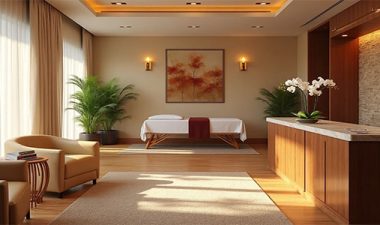
A back massager can make a long workday more comfortable, especially after hours at a desk, a traffic-heavy commute, or a demanding workout. The right device may provide soothing pressure and temporary comfort, but it should not replace medical care for persistent or severe pain.
For people comparing home devices with professional massage in Kenya, the main choice comes down to pressure, coverage, portability, and control. Some tools target one tight area, while others cover most of your back during a short relaxation session. This guide will help you choose safely.
Key Takeaways
- Shiatsu cushions suit broad back coverage, while massage guns work better on selected muscle areas.
- Heat, intensity control, auto shut-off, noise, weight, and warranty matter more than a long list of presets.
- Use a massager on muscle, not directly on the spine, bones, joints, open wounds, or swollen areas.
- People with certain health conditions should ask a healthcare professional before using one.
- A home device supports comfort and relaxation, while a qualified massage therapist can adapt pressure to your body.
Which Type of Back Massager Fits Your Routine?
Back massagers use different mechanisms, and each one creates a different experience. Choosing by appearance alone can leave you with a device that feels too strong, too weak, or difficult to position.
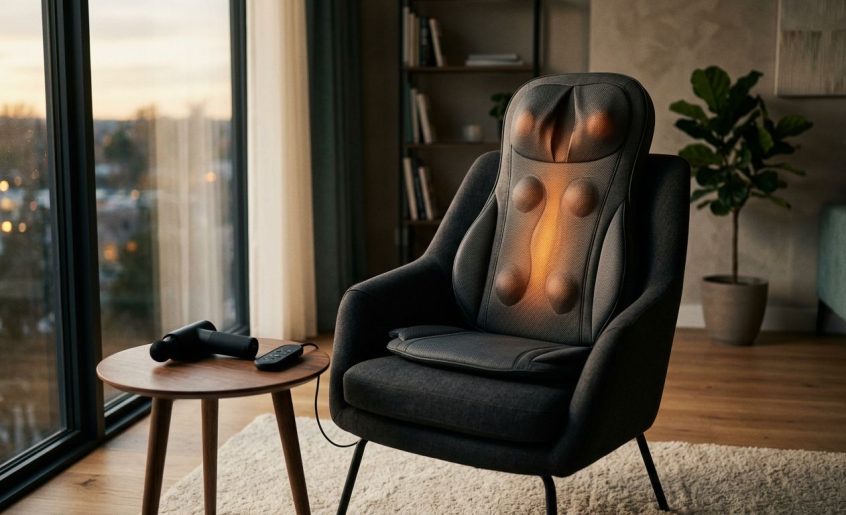
A shiatsu massager uses rotating or kneading nodes. Seat cushions, massage pillows, and chair pads often use this design. They provide wider coverage across the upper or lower back, making them useful for people who want hands-free relaxation while sitting.
Rolling devices move nodes along the back in a set path. Some models include a moving track that follows the spine area without pressing directly on the vertebrae. These products suit people who want a slow, structured motion rather than rapid tapping.
A massage gun delivers quick pulses through a small attachment. It works best for a specific muscle area, such as the upper shoulders or the muscles beside the lower back. Because reaching your own back can be difficult, you may need another person to position it accurately.
Handheld wands offer more freedom, but they require you to hold and guide the device. They can reach areas a chair pad misses, although their weight and handle shape matter. A poorly balanced wand may make your arm tired before your back feels comfortable.
Vibration-only models usually feel gentler. They can suit first-time users or people who prefer surface-level movement. Compression models use air-filled sections that inflate and release around the back. They are less common than shiatsu and percussion designs but may feel calming during seated use.
A full massage chair offers the broadest coverage, but it costs more and takes up considerable space. For many homes, a chair pad gives a practical middle ground.
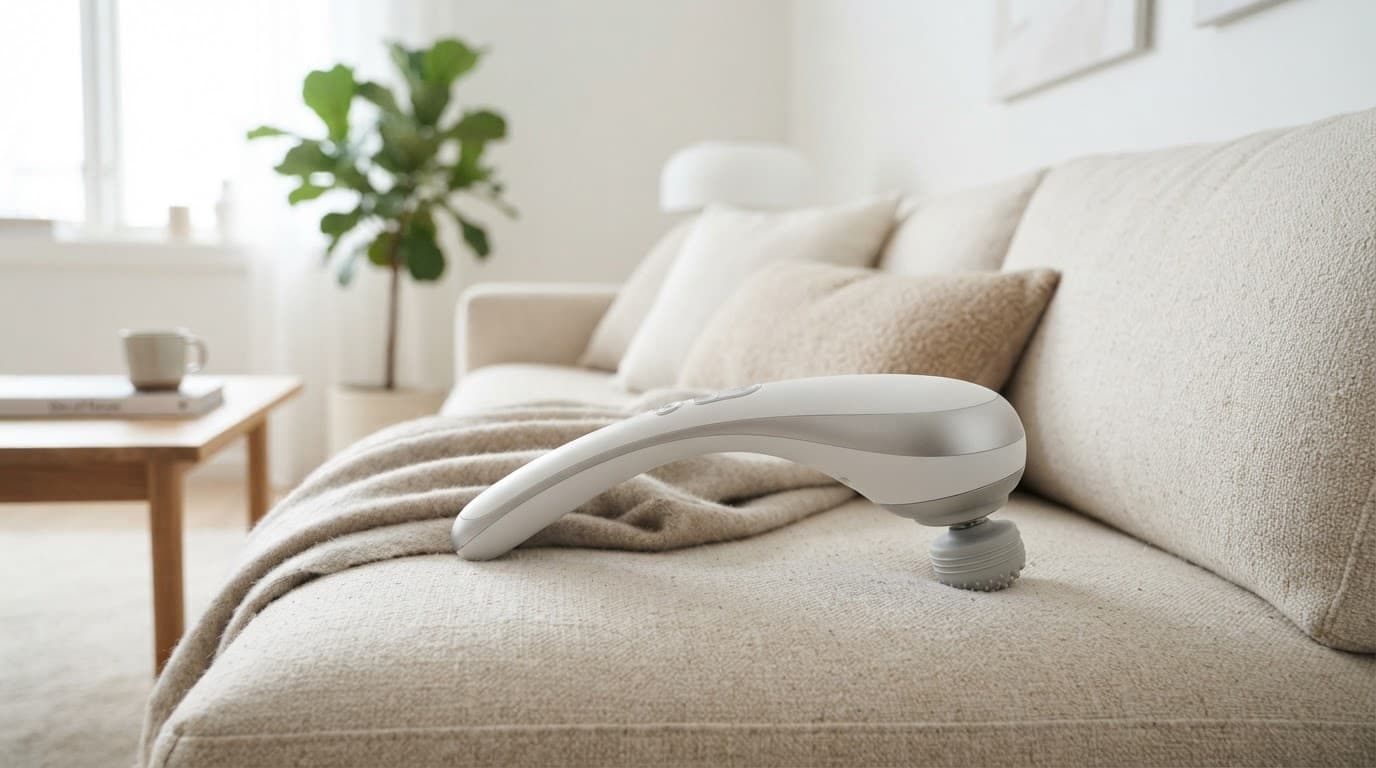
An ergonomic handheld device can support short relaxation sessions at home.
Features That Matter When Buying a Back Massager
The best features depend on how and where you plan to use the device. Start with the area you want to reach. A chair pad may cover the upper, middle, and lower back, while a handheld model offers more precise control.
Heat is common in shiatsu cushions and back pillows. Some users enjoy the added warmth because it makes firm pressure feel more comfortable. Choose a model with independent heat control, so you can use the massage function without heat when preferred.
Intensity settings are also important. Look for at least three levels, especially if more than one person will use the device. A low setting gives you room to adjust, while a high setting may suit people who prefer firmer pressure. More intensity does not automatically mean better results.
An auto shut-off timer helps prevent extended use. Many devices stop after roughly 10 to 30 minutes. That feature is useful because users can relax without watching the clock or leaving the machine running.
Noise affects the experience. A loud motor may disturb people in the next room, make office use awkward, or interfere with sleep routines. If you plan to use the product while reading or watching television, check reviews for comments about sound.
Before buying, compare these practical details:
| Feature | What to check |
|---|---|
| Coverage | Upper back, lower back, shoulders, or full back |
| Pressure | Gentle vibration, kneading, rolling, or percussion |
| Power | Corded operation, rechargeable battery, or both |
| Controls | Intensity, direction, heat, and timer |
| Comfort | Padding, node shape, handle design, and weight |
| Maintenance | Wipe-clean fabric or removable washable cover |
| Purchase protection | Warranty, returns, and local support |
For massage guns, attachment shape matters. Consumer Reports advises users to apply percussion tools over muscles and avoid bones and joints. Its massage gun buying guidance also discusses how different heads suit different areas.
Choosing Between a Chair Pad, Handheld Device, and Massage Gun
A chair pad is usually the easiest choice for desk workers. Place it on a suitable chair, select a comfortable setting, and let the moving nodes cover a larger section of your back. This format works well when you want a simple routine after work.
A handheld back massager is more useful when you want to change positions or target one side. However, you may not reach the middle of your back without assistance. Check the weight, grip, cord length, and control placement before choosing one.
Massage guns suit people who want short, focused sessions. They are popular after exercise, but they require careful positioning. Use a rounded head over broad muscle areas and keep the pressure light at first. Avoid using the device over the spine, kidneys, front of the neck, or areas with reduced sensation.
A massage chair provides convenience, but it may force your body into a fixed position. Try one before buying if possible. Your height, shoulder width, and lower-back shape affect how well the rollers line up.
The main trade-off is simple: pads provide coverage, handheld tools provide reach, and massage guns provide focused percussion. If your priority is relaxation while seated, choose a pad. If you want portability, consider a handheld model. If you need a compact tool for selected muscle groups, a gun may fit better.
A general body massager guide can help you compare common device formats before you visit shops or online marketplaces.
How to Use a Back Massager Safely
Read the manufacturer instructions before your first session. Place the device against muscular areas and begin with the lowest comfortable intensity. Increase pressure only if the sensation remains comfortable.
Most people should start with a short session of around 10 minutes. Follow the product timer and avoid falling asleep while heat or powered movement is active. Stop immediately if you feel sharp pain, numbness, tingling, dizziness, skin irritation, or unusual weakness.
Keep percussion devices away from the spine itself. The same rule applies to the ribs, hip bones, knees, elbows, and other prominent bones. Never use a massager over broken skin, bruising, infection, swelling, or an area that recently underwent surgery.
Heat needs extra care. Test the temperature with your hand, especially if you have reduced sensitivity. Do not place additional blankets over a heated device, and inspect cords and plugs for damage.
A comfortable sensation should stay comfortable. Pain, numbness, or burning is a reason to stop, not a sign that the device is working better.
Clean the contact surface according to the instructions. If several people share the product, wipe it regularly and avoid using it on bare skin when the manufacturer recommends clothing between the device and body.
Who Should Ask a Healthcare Professional First?
A home massager is a comfort tool, not a diagnostic or treatment device. Speak with a doctor or physiotherapist before use if you have unexplained back pain, pain after an accident, a suspected fracture, severe sciatica, or symptoms that travel into an arm or leg.
Professional advice is also important if you have osteoporosis, a bleeding disorder, a blood clot, advanced arthritis, nerve damage, or reduced skin sensation. People taking blood-thinning medicine should ask before using firm percussion or deep pressure.
Pregnancy, recent surgery, cancer treatment, implanted medical devices, and significant circulation problems also require individual guidance. The same applies to children and older adults who may not accurately judge pressure or heat.
A massage therapist can assess your comfort and adjust pressure during a session. If you search for massage therapy near me, massage places near me, or a massage spa near me, choose a business that clearly states its services and booking process. Avoid providers making promises to cure serious medical problems.
In Nairobi, you can compare local options through this guide to massage in Nairobi, including Swedish massage, deep-tissue work, and spa appointments. A professional session may suit you better when your back feels difficult to reach or when you want a tailored experience.
Using a Home Device Alongside Professional Massage in Kenya
A back massager works well for short, regular comfort sessions. Professional massage offers something a machine cannot: a trained person can ask about pressure, notice areas of tension, and change technique during the appointment.
For general relaxation, Swedish massage uses long, flowing movements and lighter to medium pressure. Deep tissue massage uses firmer, slower work, but it isn’t automatically suitable for every sore back. Thai massage includes assisted stretches and different body positions, so tell the therapist about injuries or mobility limits first.
People looking for massage Nairobi, Nairobi massage spa, or massage near me current location should check the therapist’s qualifications, hygiene standards, prices, and cancellation policy. If you want a full body massage Nairobi appointment, mention any sensitive areas before the session begins.
A foot massager may help you relax after walking or standing, while a professional foot massage can address pressure and comfort preferences more precisely. Likewise, an at-home device may help after a busy day, while a massage spa Nairobi appointment offers a calmer setting and human guidance.
Search terms such as “massage app”, “massage near me open now”, or “mobile massage Nairobi” can help you find convenient bookings. Still, confirm the business name, physical location, therapist details, and service price before paying a deposit.
What a Back Massager Cannot Do
A device may reduce the feeling of tightness for a while, but that does not prove it has corrected the cause of back pain. Pain can relate to posture, an injury, nerve irritation, joint problems, or another health condition.
Avoid relying on online “massage video” demonstrations that show extreme pressure or aggressive techniques. A “deep tissue massage video” may look impressive, but copying it without training can irritate tissue or worsen an injury.
Also be careful with claims about lymphatic massage, circulation, detoxification, or permanent pain relief. A lymphatic drainage massage is a specialised service, and a consumer device is not a substitute for assessment by a trained professional.
Choose comfort over intensity. If your symptoms last, worsen, or interfere with sleep and daily movement, arrange medical assessment rather than upgrading to a stronger machine.
Conclusion
The right back massager should match your routine, body, and preferred pressure. A chair pad offers broad coverage, a handheld tool gives flexible reach, and a massage gun suits focused muscle work.
Look for adjustable intensity, independent heat control, an auto shut-off timer, manageable noise, and a clear warranty. Use the device briefly and carefully, then seek professional advice when pain, numbness, injury, or a medical condition is involved.
A home massager can make relaxation easier, but safe use matters more than maximum power. For personalised support, combine sensible home use with a qualified massage therapist or trusted spa appointment in Nairobi.