
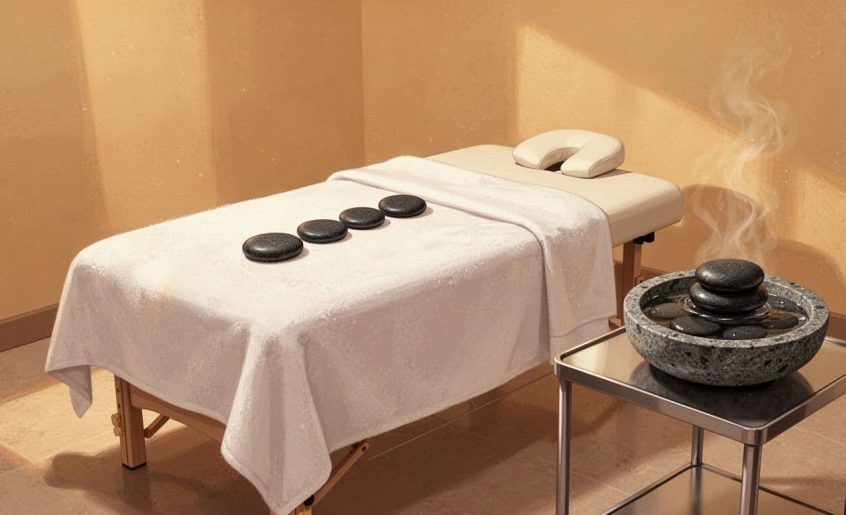
Hot Stone Massage in Nairobi: Stress Relief and Recovery
A hot stone massage can ease that heavy, wired feeling that builds up after long days, poor sleep, or tough workouts. The warm stones help tight muscles soften, so your body can settle without a lot of pressure.
If you’re in Nairobi and want stress relief, better rest, or faster recovery, this treatment is worth a closer look. A therapeutic hot stone massage uses heat and skilled touch together, which is why so many people find it calming from the first few minutes.
Below, you’ll see how the treatment works, the main benefits, what a session feels like, and the safety points to keep in mind before you book.
Hot Stone Massage: How It Works and Why People Love It
Hot stone massage feels simple, but the effect can be very powerful. Warm stones, smooth touch, and slow pressure work together to help your body relax without feeling pushed. That mix is why many people leave the table feeling lighter, calmer, and less tense.
The basic idea behind heated stones and gentle pressure
In a hot stone massage, the therapist warms smooth stones until they feel comfortably hot, not sharp or harsh. Those stones are then placed on key areas like the back, shoulders, or legs, and also used as tools to glide across the muscles with oil or lotion.
The stone does more than add heat. It helps the therapist move with less drag, so the touch feels smooth and steady. That makes the session feel calm from the start, especially if your muscles are tight or you don’t enjoy heavy pressure.
A good session often feels like this:
- Warm stones on tense spots help your body settle.
- Slow strokes with oil or lotion reduce friction and feel more fluid.
- Gentle kneading eases tight areas without forcing them.
- Long pauses with the stones in place let warmth sink in.
The goal is comfort first. The stones should feel soothing, never too hot.
This style of massage is one reason many people choose hot stone massage in Nairobi. It gives the body heat, touch, and rest in one session, which can feel easier than a firm, deep-pressure treatment.
Why heat changes the way your body responds to massage
Heat changes how your muscles react before the therapist even starts working. As the skin warms, blood vessels open up, blood flow improves, and tight tissue starts to soften. That makes stiff spots easier to reach, so the massage can feel more effective with less force.
Heat also tells your nervous system to slow down. Your body stops bracing as much, which is why warm touch often feels safer and more soothing than cold or room-temperature touch. In other words, the muscles relax, and your mind usually follows.
This is also why heat can help massage feel deeper without pain. The therapist does not need to push as hard when your tissue is already looser. For a broader look at how different massage styles work, see this massage guide on types, benefits, and safety.
For people who feel tense, sore, or mentally overloaded, that change matters. Heat helps the body open up, and the massage can do its job with less resistance.
The Biggest Benefits of Hot Stone Massage for Stress and Recovery
Hot stone massage gives you more than a nice spa moment. It helps the body settle, eases tight muscles, and creates a slower pace that many people need after busy workdays or hard training sessions. If you want relief without strong pressure, this treatment fits that need well.
The warmth does much of the heavy lifting. It helps your body soften before the therapist even starts working, so the session often feels smoother and more restful than a firm massage. That is why many people choose it when they want comfort, calm, and recovery in one visit.
How hot stone massage can help calm stress and anxiety
Warm stones and steady touch can help the body shift out of that tense, alert mode. As the heat sinks in, muscles stop bracing as hard, breathing often slows, and the whole session can feel like a reset button for your nervous system.
That calm matters when your mind feels crowded. A hot stone massage can reduce the sense of being overwhelmed, especially when stress shows up as tight shoulders, jaw tension, or a heavy chest. The warmth does not just soothe the skin, it also supports mental ease.
For many people, the biggest benefit is simple. They leave the table feeling less wired and more grounded.
If your stress shows up in your body first, hot stone massage can help interrupt that cycle.
Why it can support sore muscles, stiffness, and post-workout recovery
Hot stone massage also works well for tired, tight muscles. The heat helps loosen stiff areas, which makes it easier for the therapist to work without pushing too hard. That can be useful after a gym session, a long run, or a day spent sitting in traffic or at a desk.
The warmth helps blood flow improve around sore spots, and that can support recovery. It also makes movement feel easier afterward, especially if your back, neck, or legs have been holding tension for days. For active people in Nairobi, that mix of comfort and function is a real plus.
A good session can help with:
- Tight shoulders and neck strain, especially after long hours of work
- Leg soreness and lower-back stiffness after exercise
- General muscle fatigue, when your body feels worn down
- Reduced pressure sensitivity, since the heat does some of the work
If you want a broader look at the treatment style, the hot stone massage service page gives a useful overview.
Other benefits worth knowing, like better sleep and improved flexibility
The benefits often continue after you leave the spa. When your muscles relax, your body has an easier time slowing down at night, which can support better sleep. Many people also notice they feel less restless and less tense before bed.
Better flexibility is another quiet win. When muscles are less tight, everyday movement feels easier, whether you are bending, stretching, or walking up stairs. That softer, looser feeling can make a normal day feel less strained.
For a general medical overview of the treatment, Healthline’s hot stone massage guide offers a helpful summary of common benefits.
What Happens During a Hot Stone Massage Session
A hot stone massage feels simple once it starts, but a lot happens behind the scenes before the first stone touches your skin. The therapist prepares the stones carefully, sets up a calm space, and checks the heat so the session feels soothing instead of harsh. That setup matters, because the right warmth sets the tone for the whole treatment.
If you are booking for the first time, expect a slow, steady pace. The session is built to help your body settle, so nothing should feel rushed or rough.
How the therapist prepares the stones and the treatment area
The stones are heated in a proper warmer, not left to guesswork. Most therapists use smooth basalt stones because they hold heat well, and they warm them to a safe, even temperature before the session begins. The stones should always be checked before use, so they feel comfortably warm, not too hot for the skin.
The treatment area is set up with clean towels, fresh oil, and a quiet, relaxed layout. The bed is usually covered neatly, and the therapist keeps everything within reach so the session flows without interruptions.
A good setup usually includes:
- Clean, warmed stones ready in the heater
- Fresh towels or sheets for comfort and coverage
- Massage oil or lotion for smooth gliding
- A calm room with low noise and soft lighting
The best hot stone massage feels controlled and safe from the start, because the heat is managed carefully.
For a general overview of what the treatment involves, WebMD’s hot stone massage guide gives a clear summary of the basics.
What the massage feels like once the stones touch your body
When the stones touch your skin, the first feeling is warmth, then relief. The heat spreads slowly, almost like a warm cloth that keeps getting softer, and your muscles often start to loosen within moments. That early warmth is one reason people enjoy a hot stone massage so much.
The therapist may place stones on the back, shoulders, hands, legs, or feet, then use other stones to glide across tense areas. Those movements are usually light and smooth, with a steady rhythm that helps your body relax. If your muscles are tight, the stones can feel like they are melting through the stiffness.
The experience often moves in a simple pattern. First comes placement, then gentle strokes, then a shift to another area of the body. This keeps the pressure even and gives each part of your body time to respond to the heat.
A session often feels like this:
- Warm stones settle on tense spots.
- The therapist uses oiled stones for long gliding strokes.
- Tight areas get light kneading or circular motions.
- The therapist moves to the next area while the first one stays warm.
The warmth should feel soothing, never sharp. If a stone ever feels too hot, the therapist should adjust it right away.
How a session usually ends and what people feel afterward
As the session wraps up, the therapist removes the stones and may finish with standard massage strokes by hand. This helps the body come down gently after the heat work, so the transition back to normal feels smooth. Often, the final minutes feel even quieter than the rest of the massage.
Afterward, many people feel loose, calm, and sleepy. Some notice that their shoulders drop naturally, their breathing feels easier, and their body has a heavy, rested feeling. That relaxed state can last after you leave, which is why people often plan a quiet rest of the day afterward.
You may also feel warm for a while, so drinking water helps. A little rest after the massage can go a long way, especially if your muscles were tight before you arrived.
Who Is a Good Fit for Hot Stone Massage, and Who Should Be Careful?
Hot stone massage works best when your body wants warmth, comfort, and steady pressure instead of heavy force. Many people enjoy it because the heat helps muscles soften before the therapist starts working, which can make the whole session feel easier to receive.
Still, this treatment is not for everyone. Some health conditions need a doctor’s okay first, especially when heat, circulation, or pressure could create a risk.
People who often enjoy this treatment most
This massage is a strong match for people who feel stressed, tense, or mentally overloaded. If your shoulders ride high, your jaw stays tight, or your body feels stuck in “go mode,” the heat can help you settle faster.
It also suits people with tight muscles, mild soreness, or everyday stiffness. Long desk hours, traffic, poor sleep, and light workout fatigue can all leave the body feeling locked up. In those cases, hot stone massage often feels more comforting than a firm, deep-pressure session.
Many guests also choose it when they want a gentler recovery option. The warmth can make movement feel easier, especially if you are not looking for intense pain relief work. For some people, that makes it a better fit than a harder sports massage.
You may be a good fit if you:
- feel run down and need to relax
- have muscle tension, but not a serious injury
- want warmth more than strong pressure
- prefer a calm, soothing session over a heavy one
If you want a spa experience that feels steady and restorative, a guided spa massage booking choice can help you choose the right session with more confidence.
Health conditions that may need extra caution first
Some people should check with a doctor before booking, because heat and pressure matter. With reduced sensation, you may not notice when a stone is too hot. With circulation issues, heat can affect blood flow in ways that are not safe.
Extra caution is wise if you have:
- pregnancy, because body temperature changes matter
- diabetes or numbness, especially if you have neuropathy
- skin issues like eczema, psoriasis, rashes, open cuts, burns, or active irritation
- circulation problems, including peripheral vascular disease
- blood clots, a clotting history, or blood thinner use
- recent surgery, fractures, or an acute injury
- severe osteoporosis, where pressure may be risky
If heat, swelling, numbness, or healing tissue is part of your health picture, get medical advice first.
People with heart conditions, uncontrolled high blood pressure, fever, or feeling unwell should also pause before booking. In those cases, even gentle heat can place extra stress on the body. For a clearer medical overview, the Medical News Today hot stone massage guide gives a helpful general summary.
Simple safety signs to watch for during the session
A good session should feel warm, soothing, and manageable. If anything starts to feel wrong, speak up right away. The therapist can adjust the stones, slow down, or move to a cooler area.
Watch for these warning signs:
- pain instead of comfort
- burning or sharp heat
- ongoing discomfort under the stone
- a stone that feels too hot
- numbness that makes it hard to judge temperature
If a stone feels off, say so immediately. Hot stone massage should never test your tolerance. It should feel like steady relief, not a burn you have to push through.
For more general safety context, the American Massage Therapy Association’s hot stone overview is a useful reference before you book.
How to Choose the Right Hot Stone Massage in Nairobi
A good hot stone massage should feel calm from the moment you walk in. In Nairobi, that means choosing a spa that values training, clean treatment rooms, and clear communication as much as the massage itself. The right therapist will explain the session, manage the heat with care, and adjust the pressure to match how your body feels that day.
What to look for in a trained and careful therapist
Start with the therapist’s skill. Proper hot stone work depends on more than warm stones and oil, because the therapist needs steady hands, good timing, and a solid sense of heat control. The stones should feel warm and comforting, never risky or random.
A careful therapist will also ask how you feel before starting. They should check for sore spots, sensitive areas, recent injuries, or any condition that might need a lighter touch. Good communication matters here, because your comfort depends on it.
Look for someone who can explain the treatment clearly in simple language. If the therapist can tell you how the stones will be used, where they will be placed, and how hot they will feel, that is a good sign. For extra peace of mind, it helps when the spa follows temperature guidance like the American Massage Therapy Association hot stone safety advice.
If you want a treatment option that feels well-paced and more private, a package like the half day hot stone massage can also give you a better sense of how the spa handles longer sessions.
Questions to ask before you book your appointment
A good spa should make it easy to ask questions before you commit. That conversation helps you avoid surprises and choose a session that fits your needs.
Use simple, direct questions like these:
- How hot do you keep the stones?
- How long is the session?
- What pressure do you عادة use?
- Can you adjust the treatment for sensitive skin or sore muscles?
- What should I expect during the appointment?
You can also ask whether the therapist can soften the pressure or skip certain areas. If you prefer a gentler experience, say so early. The best therapists welcome that input and work with it.
Why comfort, cleanliness, and clear communication matter
Clean tools and fresh linens are non-negotiable. The stones, towels, and table should all look and feel spotless, and the room should smell fresh, not stale or overdone. Dry linens matter too, because damp fabric can make a relaxing session feel cold and off.
The room itself should feel peaceful. Soft lighting, low noise, and a tidy setup help your body settle faster. Just as important, the therapist should check in during the massage and ask if the heat or pressure feels right.
If a spa is hard to question before the booking, that can be a warning sign.
Clear communication turns a standard hot stone massage into a better experience. When you know what to expect, feel heard, and trust the environment, the whole session feels safer and more restful.
Conclusion
Hot stone massage is a simple way to calm stress, ease sore muscles, and give your body time to settle. When the heat is managed well and the pressure feels right, the treatment can leave you looser, calmer, and more ready to move again.
That balance is what makes it so useful. It feels soothing, but it also supports recovery for people who carry tension, sit too long, or push their bodies hard.
If you want less tension and better rest, a well-done hot stone massage is a smart place to start. Book with confidence, choose a trained therapist, and let the warmth do its work.