
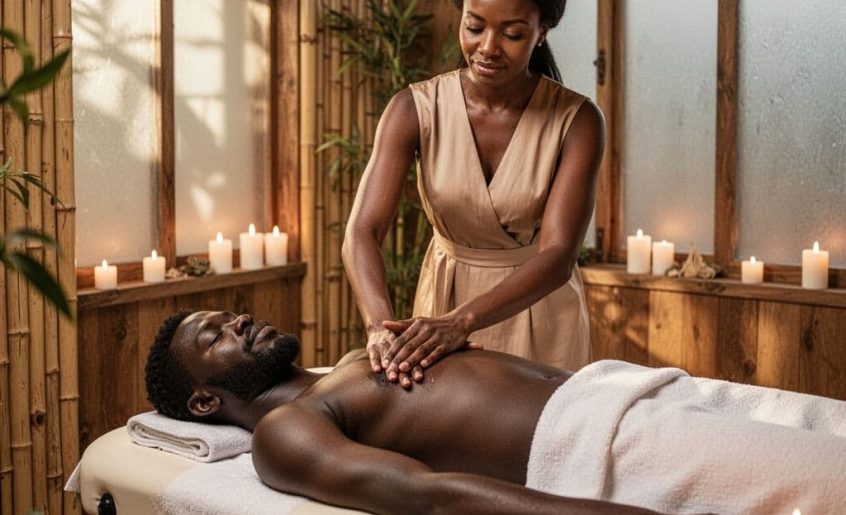
Swedish Massage Benefits for Relaxation and Relief
A Swedish massage is a gentle, full-body treatment that helps your muscles loosen and your mind slow down. In Nairobi, it’s a favorite choice when you want to feel lighter, calmer, and more refreshed after a busy week.
It uses smooth strokes, kneading, and light to medium pressure to ease tightness without feeling harsh. Many people choose it for stress relief, better sleep, and that loose, rested feeling that stays with you after the session ends. If you want a clear primer before booking, our guide to massage benefits and safety is a helpful place to start.
Keep reading to see how Swedish massage works, what a session feels like, who benefits most, and how to choose the right treatment in Nairobi.
Swedish Massage explained in simple terms
Swedish massage is the classic relaxation massage most people picture first. It uses smooth strokes, gentle kneading, light pressure, and a steady rhythm to help the body relax without feeling intense. For many first-time clients, that balance is exactly why it feels so easy to enjoy.
It’s also a practical choice when you want relief without a heavy, painful session. Swedish massage can ease everyday tightness, support better movement, and leave you feeling more settled afterward. If you want a fuller breakdown of the treatment itself, see our page on what is Swedish massage.
The main techniques a therapist uses
A Swedish massage session usually blends a few simple techniques. Each one has a different feel, but all of them work together to keep the session smooth and comfortable.
Effleurage is the long, gliding stroke that usually starts and ends the massage. It feels warm and flowing, almost like the therapist is smoothing the muscles into a calmer state. This stroke helps your body settle, spreads the massage oil evenly, and prepares the muscles for deeper work.
Petrissage feels more like kneading. The therapist gently lifts, rolls, or squeezes the muscle tissue to release stiffness. It often feels comforting, like soft pressure that helps tight spots let go. This is one of the main ways Swedish massage works on everyday soreness.
Friction uses small, circular movements or focused pressure in one spot. It may feel slightly firmer, but it still stays controlled and comfortable. Therapists use it to target areas that feel stuck, such as the shoulders, neck, or lower back.
Tapotement is a light tapping or rhythmic percussive motion. It can feel a little brisk, almost like a gentle drumbeat on the skin. This technique wakes up tired muscles and adds a fresh, lively finish to the massage.
Gentle stretching rounds out the session. The therapist may guide your arms, legs, or neck through easy stretches to help you feel looser. It supports flexibility and gives the body a softer, more open feeling.
Together, these techniques create a treatment that feels steady and calm, not aggressive. If you’re comparing treatment styles, this overview of Swedish massage therapy benefits gives a helpful sense of why it stays so popular.
Swedish massage is designed to feel reassuring, not harsh. The goal is relaxation first, with tension relief as a bonus.
How Swedish massage helps the body relax
Swedish massage works so well because slow, rhythmic touch tells the body it can let go. When pressure is gentle and consistent, the nervous system gets a clear message that it’s safe to relax. As a result, the body begins shifting out of stress mode and into rest mode.
That shift matters. Stress can leave your shoulders tight, your jaw clenched, and your breathing shallow. A calm massage helps interrupt that cycle, so your muscles stop bracing and your mind starts slowing down. The effect often feels like someone turned down the volume on your whole day.
Recent research points in the same direction. One session of Swedish massage has been linked with lower cortisol, the main stress hormone, along with a calmer mood afterward. It can also support the release of feel-good chemicals such as serotonin and dopamine, which help you feel more balanced after the session. For a simple research-backed summary, Healthline’s guide to Swedish massage benefits is a useful reference.
The body benefits too. Better blood flow helps carry oxygen and nutrients through tired muscles, while the gentle motion can reduce that heavy, stiff feeling that builds up after long workdays or travel. In other words, the massage does more than feel nice in the moment. It helps your body settle down in a way that lasts beyond the table.
Most people leave a Swedish massage feeling lighter, calmer, and less tense than when they arrived.
Swedish massage is also a good entry point if you don’t want anything too strong. Deep tissue work can be useful for stubborn knots, but it often feels firmer and more intense. Swedish massage stays lighter, so it suits people who want stress relief, body balance, and a session they can fully relax into. That’s why many clients start here, then decide later whether they want something deeper.
If your muscles feel sore but you still want comfort, Swedish massage gives you that middle ground. It softens tension, supports circulation, and helps your whole body move toward a more rested state. For many people, that is exactly the kind of reset they need.
What happens during a Swedish massage session
A Swedish massage session is calm, structured, and easy to follow. You know what’s coming, and your therapist should keep the pace comfortable the whole time. For first-timers, that simple flow removes a lot of the guesswork.
Most sessions follow the same pattern: a short check-in, privacy while you get settled, steady hands on the table, then a few practical tips before you leave. Session lengths often run 60 or 90 minutes, and both can work well depending on how much of the body you want covered. If you want help choosing the right appointment length, our guide to arriving early for massage therapy is a useful place to start.
Before the session starts
The session usually begins with a brief intake conversation. Your therapist may ask where you feel pain, what you want from the massage, and whether you have allergies, injuries, surgeries, or sensitive areas. They’ll also ask about pressure preference, because what feels relaxing to one person may feel too light or too firm to another.
This part matters because it shapes the whole session. If you want stress relief, they’ll keep the work gentle and flowing. If you have a sore neck, tight lower back, or tired legs, they can spend more time there without making the massage feel rough.
A few simple steps make check-in easier:
- Wear comfortable clothing that’s easy to change out of.
- Arrive about 10 to 15 minutes early so you’re not rushed.
- Drink some water before you come in.
- Speak up about any pain, illness, or recent injury.
You’ll usually be given privacy to undress to your comfort level and lie on the table under a sheet or towel. Therapists use draping to keep you covered except for the area being worked on, so you stay modest and relaxed. If you want a quick sense of how that check-in works, this overview of spa intake and health forms covers the basics well.
What the massage feels like on the table
Once the massage begins, the therapist usually starts with broad, smooth strokes across larger muscle groups. That first contact helps your body settle, much like easing into warm water before the deeper soak. After that, the work often moves toward tighter spots, such as the shoulders, neck, lower back, or calves.
The pressure should feel comfortable, not painful. Swedish massage is built around rhythm and relaxation, so the touch is meant to ease tension rather than fight it. If anything feels too firm, too light, or uncomfortable, say so right away. A good therapist will adjust without making it awkward.
During the session, you may feel warmth spread through the muscles, a slower breathing pattern, or a sense of heaviness in a good way. Some areas may get a little more focused attention with kneading or circular work, especially if they hold stress from long workdays or travel. The flow usually stays steady, calm, and reassuring.
For a fuller picture of the treatment style, what to expect during a Swedish massage gives a clear breakdown of the usual sequence. You can also ask your therapist to stay closer to relaxation work if that’s what you need most.
Comfort is the rule during Swedish massage. Pressure should be adjustable at any point, and your voice matters throughout the session.
After the massage and what to do next
After the session, many people feel loose, warm, sleepy, or very calm. A little soreness can also happen, especially if your muscles were tight before you came in. That mild ache usually feels like the body has finally stopped holding on so hard.
Take it easy for the rest of the day if you can. Drink water, rest, and skip heavy workouts right away so your body has time to settle. A short walk or gentle stretching is fine if it feels good, but hard exercise can wait.
Your therapist may check in before you leave and ask how the pressure felt or whether any area needs attention next time. That quick conversation helps shape future visits, especially if you plan to book regular sessions. If you want to understand common after-session effects in more detail, this Swedish massage aftercare guide is a solid reference.
A good Swedish massage should leave you feeling cared for, not confused. When you know the flow, the whole experience feels easier to book and even easier to enjoy.
The biggest Swedish Massage benefits people notice
The best thing about Swedish Massage is how quickly people feel the difference in daily life. The body feels less braced, the mind feels less crowded, and simple things like sitting at a desk or sleeping through the night can feel easier.
For many people in Nairobi, that matters after long work hours, traffic, and too much screen time. The benefits are not flashy, but they are real, practical, and easy to notice after a session or two.
Stress relief and a calmer mind
Swedish Massage is one of the most reliable ways to help the body step out of stress mode. The long strokes, gentle kneading, and steady pace signal the nervous system to slow down. As tension drops, breathing often gets easier, the jaw unclenches, and the whole body feels less on guard.
That calm matters after a packed Nairobi day. Maybe you have spent hours in meetings, answered messages without a break, or stared at a laptop until your head felt full. A Swedish massage can give your mind a quieter lane to run in, almost like lowering the volume on background noise.
It also helps with mental overload. When your body relaxes, your thoughts often stop racing as fast. Many people leave feeling lighter, more settled, and less anxious than when they walked in. For some, that shift shows up the same day. For others, it builds over repeated visits.
A relaxed nervous system can also support a better mood. Research summaries on Swedish massage benefits point to stress reduction, lower cortisol, and a calmer emotional state after treatment. In everyday terms, that means less feeling of being wound up and more room to breathe.
Regular sessions can help keep that calm from slipping away so quickly. If stress keeps showing up in your shoulders, your sleep, or your patience, Swedish Massage gives your body a clear reset.
Less muscle tightness and fewer aches
One of the first things people notice is how much looser their muscles feel. Swedish Massage can ease stiff shoulders, a sore lower back, and neck tension that builds from sitting, driving, or working long hours. The pressure is gentle, but it still helps muscles let go of some of that daily holding pattern.
This is a good fit if your body feels tight but not injured. You may notice that your shoulders sit a little lower, your neck turns more easily, or your lower back feels less packed with tension. That kind of relief can make a long commute or a full workday feel more manageable.
It can also support general muscle comfort and recovery. After exercise, travel, or a week of poor posture, the body often needs help relaxing back into a better state. Swedish Massage can do that without the harsh feeling some people expect from stronger bodywork.
Relief should feel steady, not sharp. If a massage leaves you relaxed and moving more freely, that is a good sign.
A gentle approach works well for many people who want comfort without strain. If you are comparing options in town, Swedish massage in Kilimani is a useful place to start when you want a session focused on relaxation and ease.
A few common benefits people describe include:
- Looser shoulders after long desk work or phone use.
- Less neck stiffness after hours in one position.
- A calmer lower back when sitting has taken its toll.
- Softer overall muscle tone, especially after a stressful week.
These changes are not magic, and they do not replace medical care. Still, they can make daily movement feel easier and less tiring. Over time, regular sessions may help your body hold less tension between appointments.
Better circulation, sleep, and overall energy
Swedish Massage can also help the body feel more refreshed. The long, flowing strokes encourage blood to move more freely through the muscles and soft tissue. Better circulation means oxygen and nutrients can reach tired areas more easily, which may help you feel less sluggish after the session.
That improved flow often connects to sleep, too. When the nervous system settles down, the body has a better chance to rest properly later that night. Many people sleep more soundly after massage because they are less tense, less distracted, and less physically uncomfortable.
The Mayo Clinic Health System lists massage benefits such as improved circulation, decreased muscle stiffness, and better sleep quality. Those are the same everyday results many clients notice after Swedish Massage, especially when stress has been building for days or weeks.
Better sleep can change the whole next day. You may wake up with more patience, less heaviness in the body, and a clearer head. That fresh feeling is one of the reasons people keep coming back, not just for comfort, but for the way massage supports the rest of the week.
You may also notice a lift in energy after the session. It’s not the jittery kind that comes from caffeine. It feels more balanced, like your body has stopped fighting itself. That can make it easier to get through errands, work, or a workout without feeling drained.
Swedish Massage can support that sense of well-being in a few practical ways:
- It reduces the strain that makes the body feel tired.
- It helps the nervous system shift into rest mode.
- It supports sleep, which is where recovery really happens.
- It leaves many people feeling lighter and more comfortable in their own bodies.
The result is simple. You feel less worn down. Your body has more room to recover. Your mind gets a break from the constant push of daily life.
For best results, consistency matters. A single massage can feel great, but regular sessions often create bigger changes over time. That is why many people treat Swedish Massage as part of their routine, not just a one-time treat.
Who gets the most out of Swedish massage in Nairobi
Swedish massage works well for a wide range of people, but some groups feel the benefits more quickly. If your body feels tight, tired, or overloaded by daily routines, this style often fits well because it stays gentle and easy to adjust.
In Nairobi, that matters. Long commutes, desk work, family duties, travel, and regular stress can leave your shoulders, back, and mind carrying more than they should. Swedish massage gives those areas a break without asking your body to go through intense pressure.
If you’re still comparing options, the massage therapy styles at Nairobi Massage & SPA page is a useful place to see how Swedish massage fits alongside deeper or more targeted treatments.
Best for first-time spa clients and relaxation seekers
Swedish massage is often the easiest starting point for someone new to massage. The strokes are smooth, the pace is calm, and the pressure stays light to medium unless you ask for more. That makes the experience feel welcoming instead of intimidating.
First-time clients usually want to know one thing: will it hurt? With Swedish massage, the answer is usually no. A good therapist keeps the touch comfortable and checks in on pressure, so you can relax without bracing for pain.
It also helps if you simply want to unwind. Maybe you have had a long week, your sleep has been off, or your shoulders feel locked after days of tension. Swedish massage gives you a soft reset, like turning down the brightness after staring at a screen all day.
If you want comfort, calm, and a session that feels easy to trust, Swedish massage is often the right first choice.
That gentle style is one reason it stays so popular. According to a PubMed review on Swedish massage, studies have linked it with helpful physical and stress-related benefits in several settings. For many people, those benefits matter most when the goal is simple relaxation without extra strain.
Helpful for people with busy routines or light soreness
Swedish massage fits people whose bodies are tired from everyday life, not just workouts or injuries. Office workers often carry tension in the neck, shoulders, and lower back after hours at a desk. A long commute can add more stiffness, especially when traffic keeps you sitting in one position for too long.
Busy parents also get a lot out of it. Carrying children, bending, lifting, and moving all day can leave the body feeling worn out. Even when the aches are mild, they can pile up and make the whole day feel heavier.
This is where Swedish massage helps in a practical way. It eases light soreness, improves circulation, and gives overworked muscles a chance to relax. As a result, many people leave feeling less tight and more ready to handle the rest of the week.
In Nairobi, that kind of relief is useful after a full day in town, a packed school run, or back-to-back meetings. The massage does not need to be intense to be effective. Often, the steady pressure is enough to loosen the body and calm the mind at the same time.
A few people who often benefit include:
- Desk workers who sit for long stretches and feel neck or shoulder tension.
- Parents who carry stress in the back, arms, and upper body.
- Travelers who feel stiff after flights, road trips, or long rides.
- Casual exercisers who want recovery support without heavy pressure.
For people in these groups, the goal is usually comfort, not correction. Swedish massage meets that need well.
When another massage style may be a better fit
Some situations call for a different approach. If you have strong muscle knots, chronic deep tension, sports strain, or recovery needs after a hard workout, deep tissue or sports massage may be more appropriate. Those styles use firmer pressure and more focused work.
That can be helpful when the problem sits deeper in the muscle layers. For example, someone training regularly may want more targeted recovery, while someone dealing with a recurring shoulder knot may need slower, firmer work than Swedish massage provides. A massage therapist can help you choose the right option based on what your body needs that day.
You may also need extra care if you have a recent injury, inflammation, or a medical condition that affects pain or healing. In those cases, it helps to speak up before the session starts and mention any areas that should be avoided. A lighter massage can still feel good, but the best choice depends on your body, not just the name of the treatment.
Swedish massage stays a strong option when you want relief that feels safe, steady, and easy to enjoy. When your body needs comfort more than intensity, it often gives you exactly that.
How to choose the right Swedish massage experience
The best Swedish massage feels matched to your body, your mood, and your schedule. A good session should leave you looser and calmer, not guessing whether you picked the right option.
Start with your main goal. If you want to unwind, sleep better, and ease everyday stress, a lighter session usually fits. If you feel stiff after long hours at a desk or a busy week on your feet, ask for a bit more pressure on the spots that hold tension.
Choosing pressure, duration, and focus areas
Pressure changes the whole feel of Swedish massage. Light pressure is better when you want calm, warmth, and full-body relaxation. Medium pressure works well when you want a little more muscle release without crossing into pain. Firmer work can help with tight shoulders or a sore lower back, but it should still feel controlled.
Tell the therapist what your body needs most. For example, if your neck feels tight but your legs feel fine, ask them to spend more time up top. That keeps the session focused instead of spreading attention too thin.
Session length matters just as much. A 60-minute massage is a smart pick when you want a quick reset or need to stay within budget. A 90-minute session gives more room for the therapist to work on several areas and keep the pace slow. If you feel very tense, travel-worn, or sore in more than one place, the longer session usually feels more complete.
A simple way to choose is this:
- 60 minutes fits mild stress, limited time, or a first visit.
- 90 minutes fits higher stress, more muscle tightness, or a full-body reset.
- Longer sessions make sense when you want slow work on several problem areas and don’t want to rush.
Budget also plays a role. If you plan to book regularly, a shorter session you can repeat may help more than one long visit. Consistency often matters more than chasing the deepest pressure on day one.
If your body feels tired but sensitive, start with lighter pressure and a 60- or 90-minute session. You can always go firmer next time.
When you book Swedish massage therapy sessions in Kilimani, ask how much hands-on time is included and whether the therapist can focus on your neck, shoulders, or lower back.
Questions to ask before you book
A few clear questions can save you from a disappointing session. Ask about the therapist’s training and experience with Swedish massage, especially if you want the treatment tailored for stress, soreness, or recovery.
It also helps to ask about the spa itself. Clean towels, fresh linens, and proper room setup matter because comfort starts before the first stroke. Oils and lotions matter too, especially if you have sensitive skin or allergies.
Use these questions as a quick check:
- Are you trained in Swedish massage, and how do you adjust pressure?
- Can you focus on my neck, back, shoulders, or legs?
- What oils or lotions do you use?
- How clean and private is the room?
- Can you tailor the session for stress relief, soreness, or recovery?
You should also ask about comfort details. Room temperature, music volume, lighting, and table padding can all affect how well you relax. If you run hot or cold, say so before the session begins.
For guidance on what to ask and why it matters, this massage therapist question guide gives a practical rundown. The same idea applies here, ask early, and ask plainly.
If you have pain, a recent injury, or an allergy, mention it before you arrive. A therapist can only adjust the session if they know what you need.
Signs of a good spa experience
A quality spa experience feels calm the moment you walk in. The space should look clean, smell fresh, and feel organized. If the front desk is rushed or the room feels cluttered, the session often feels that way too.
Good service also shows up in the small details. Staff should speak respectfully, explain the process clearly, and answer questions without making you feel awkward. You should know what will happen, how to change the pressure, and how to ask for a pause if needed.
Clear communication is a strong sign you’re in the right place. Before the massage starts, the therapist should ask about your goals, allergies, injuries, and preferred pressure. During the session, they should check in if needed, especially when working on a sore area.
Booking should be easy too. You shouldn’t have to chase basic information about hours, location, or contact details. In Nairobi, a good spa makes it simple to book ahead, confirm the session, and arrive without stress. If a place has a clear booking path, that usually says a lot about how it handles clients.
A few practical signs to look for:
- Clean treatment rooms and fresh linens
- Polite staff who listen without rushing
- A calm room with manageable music and lighting
- Easy booking by phone, form, or direct contact
- A therapist who adjusts pressure when you ask
If the spa is at Afya Maisonettes on Kindaruma Road, check the location details and working hours before you go. That small step helps your visit start smoothly, which is half the battle when you want to relax.
A good Swedish massage should feel easy from the first question to the last stroke. When the pressure matches your body, the session length fits your day, and the spa treats you with care, the experience usually lands exactly where you want it to, calm, loose, and refreshed.
Conclusion
Swedish massage is a simple choice when your body feels tight and your mind feels full. Its gentle strokes help calm the nervous system, ease muscle tension, and create the kind of relief that feels natural, not forced.
That is why it works so well for people who want more comfort, better sleep, and less stress after long days in Nairobi. The best sessions do more than loosen sore shoulders. They leave you feeling lighter, steadier, and more at ease in your own body.
If you are choosing a session, match the pressure and length to what you need that day. A lighter massage works well for pure relaxation, while a longer session can give your body more time to settle and release built-up tension. The right Swedish Massage is the one that fits your body, not just your schedule.
For many people, making massage part of a regular self-care routine is what keeps stress from piling up again. One good session can help. Consistent care often helps more.
If you live in Nairobi and want a calmer body and mind, Swedish massage is a practical place to start.