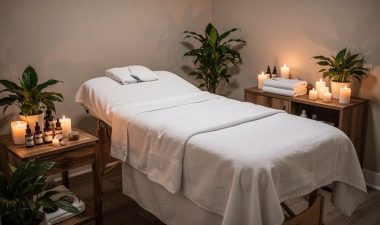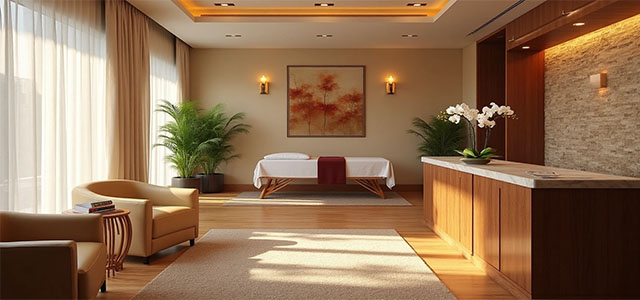
Long workdays, traffic, workouts, and city noise can leave your body tense before the day is even over. A good Massage Spa in Nairobi gives you a fast way to ease that pressure, loosen tight muscles, and feel more like yourself again.
If you’re choosing a spa, you want more than a nice room and soft music. You want skilled hands, clear service options, and a place that fits your needs, whether you want stress relief, muscle recovery, or a calmer sleep at night. A trusted massage therapy in Nairobi can make that choice easier.
Keep reading, because the right spa experience starts with knowing what to expect and what to look for.
What Makes a Great Massage Spa in Nairobi
A great Massage Spa in Nairobi feels professional from the moment you walk in. The best places make you feel safe, respected, and ready to relax, instead of wondering about the quality of the treatment.
Look for clear service details, trained therapists, clean rooms, and a calm setting. Those basics matter more than flashy photos or big promises. A spa that gets the details right usually gives a better experience overall.
 ### Signs the therapists are trained and professional
Skilled therapists are the heart of any good spa. They should explain the service clearly, ask about your needs, and adjust pressure or technique without guesswork. If you want to understand what a strong treatment menu looks like, you can also explore our professional massage services.
A professional spa usually gives you enough information before you book. That includes the type of massage, session length, what to expect, and any limits or precautions. For a broader view of massage credentials, the AMTA guidance on massage therapy credentials is a useful reference.
Watch for these green flags before you book:
- Clear qualifications: The spa can explain therapist training or certifications.
- Relevant experience: Staff know how to handle stress relief, sore muscles, or recovery work.
- Specific service descriptions: The menu tells you what each massage does.
- Good communication: The therapist asks about pressure, pain points, and preferences.
If a spa can’t explain its services clearly, it usually can’t deliver them clearly either.
You can also ask direct questions when booking. Ask who will handle your session, how long they have worked there, and whether they have experience with your type of concern. A confident spa answers without hesitation.
Why cleanliness and privacy matter so much
Cleanliness changes the whole mood of a spa visit. Fresh linens, tidy treatment rooms, and a calm reception area tell you the business takes your comfort seriously. When the space feels spotless, your body relaxes faster.
Privacy matters just as much. You should never feel exposed, rushed, or heard by everyone at the front desk. Good spas give you space to change, settle in, and enjoy the treatment without stress.
A quiet, well-kept room also helps your mind switch off. The small details matter here, like clean towels, organized tools, soft lighting, and a reception area that doesn’t feel noisy or crowded. Those details build trust before the massage even begins.
How to spot a spa that focuses on wellness, not hype
A wellness-focused spa keeps things simple and honest. Its menu is easy to read, its booking process is smooth, and its staff explain services without pushing extras you don’t need. That kind of place feels steady, not sales-driven.
Red flags are easy to spot once you know what to look for. Vague service names, confusing prices, rushed booking replies, and promises that sound too good to be true all point to a weak experience. On the other hand, clear session times, straight answers, and a proper booking system show that the spa respects your time.
A good spa should feel like this:
- Real massage services: The menu matches the treatment you actually want.
- Clear pricing: You know what the session costs before you arrive.
- Easy booking: Appointments are handled without confusion.
- Honest communication: Staff explain what the treatment can and can’t do.
If you’re still comparing options, look for a spa that speaks plainly about its offerings and keeps the process simple. A wellness-first business does not need hype to earn trust, it lets the room, the service, and the therapist do the talking.
Massage services people usually ask for in Nairobi
Most people booking a Massage Spa in Nairobi want one of a few tried-and-true treatments. Some want to switch off after a long week, while others need real help for tight shoulders, sore legs, or workout pain. The best choice usually comes down to how your body feels right now and how much pressure you want.
 A good spa will explain the difference before you book. That matters because the right service can feel like a reset, while the wrong one can feel too light or too intense.
Swedish massage for full-body relaxation
Swedish massage is the go-to option when you want to unwind. It uses smooth, flowing strokes and lighter pressure, so it feels calming rather than intense. If this is your first spa visit, it’s usually the easiest place to start.
This treatment works well for stress relief, general tension, and simple body fatigue. It helps your muscles soften without pushing too hard, which is why many people choose it after a busy week or a long commute. For a broader look at common styles, this overview of massage therapy types gives a useful comparison.
Swedish massage is a strong fit if you want:
- A gentler session
- A full-body relaxation treatment
- A calm introduction to massage
- Better rest after a stressful day
It leaves you feeling loose, warm, and settled. If your main goal is to switch off, this is often the safest pick.
Deep tissue massage for tight muscles and long days
Deep tissue massage is the choice for muscle knots, stiffness, and heavy tension. The pressure is firmer, and the therapist works more slowly into deeper layers of muscle. That makes it a better fit for people who sit at a desk all day, carry stress in the neck and back, or feel sore after exercise.
You may feel some discomfort during the session, but it should still feel controlled and purposeful. A good therapist checks in often and adjusts pressure so the treatment stays effective, not harsh. When done well, it can help loosen tight spots that regular massage barely reaches.
This is a practical option if you deal with:
- Neck and shoulder tension from desk work
- Lower-back stiffness
- Post-workout soreness
- Muscle tightness that keeps coming back
Deep tissue massage should feel strong, not painful. Clear communication with the therapist makes a big difference.
Aromatherapy, hot stone, and other specialty treatments
Specialty treatments change the experience by adding extra elements like fragrance, heat, or different pressure styles. Aromatherapy massage uses essential oils to create a more calming mood, while hot stone massage adds warmth that can help muscles relax faster. Those small changes can make the treatment feel more soothing or more comforting, depending on what your body needs.
These options are a good fit when you want something a little different from a standard massage. Aromatherapy works well if you want a softer, mood-based session. Hot stone massage is better if you like heat and want to ease deeper tension without a lot of strong pressure. Some spas also offer combinations that blend relaxation with focused body work.
The details matter here. Fragrance can affect how calm you feel, heat can change how quickly muscles loosen, and pressure can shape the whole session. If you’re sensitive to strong scents or high warmth, mention that before the massage starts.
Foot reflexology and targeted relief for tired legs
Foot reflexology is a smart choice for people who walk a lot, stand for long hours, or want a shorter treatment with real benefits. The therapist focuses on pressure points in the feet, which can help tired legs feel lighter and less worn down. It’s especially popular with people who want relief without booking a full-body session.
This treatment is usually shorter, so it fits neatly into a busy day. Even so, it can leave you feeling more refreshed than you expect, especially if your feet carry most of your daily strain. Many people choose it after shopping, travel, or a full day on their feet.
It’s a useful option when you want:
- A shorter appointment
- Focused relief for feet and legs
- Less full-body exposure
- A reset that still feels worthwhile
For many spa visitors, reflexology is the middle ground between a quick fix and a full massage. It’s simple, targeted, and easy to fit into a packed schedule.
How massage helps with stress, sleep, and recovery
A good massage does more than feel pleasant for an hour. It helps the body slow down, makes tight areas easier to move, and gives the mind space to settle.
That matters when stress shows up as a stiff neck, poor sleep, or sore legs after a long week. In a busy city, those problems build on each other fast. Massage helps break that cycle before it becomes a bigger issue.
Why massage can calm a stressed mind
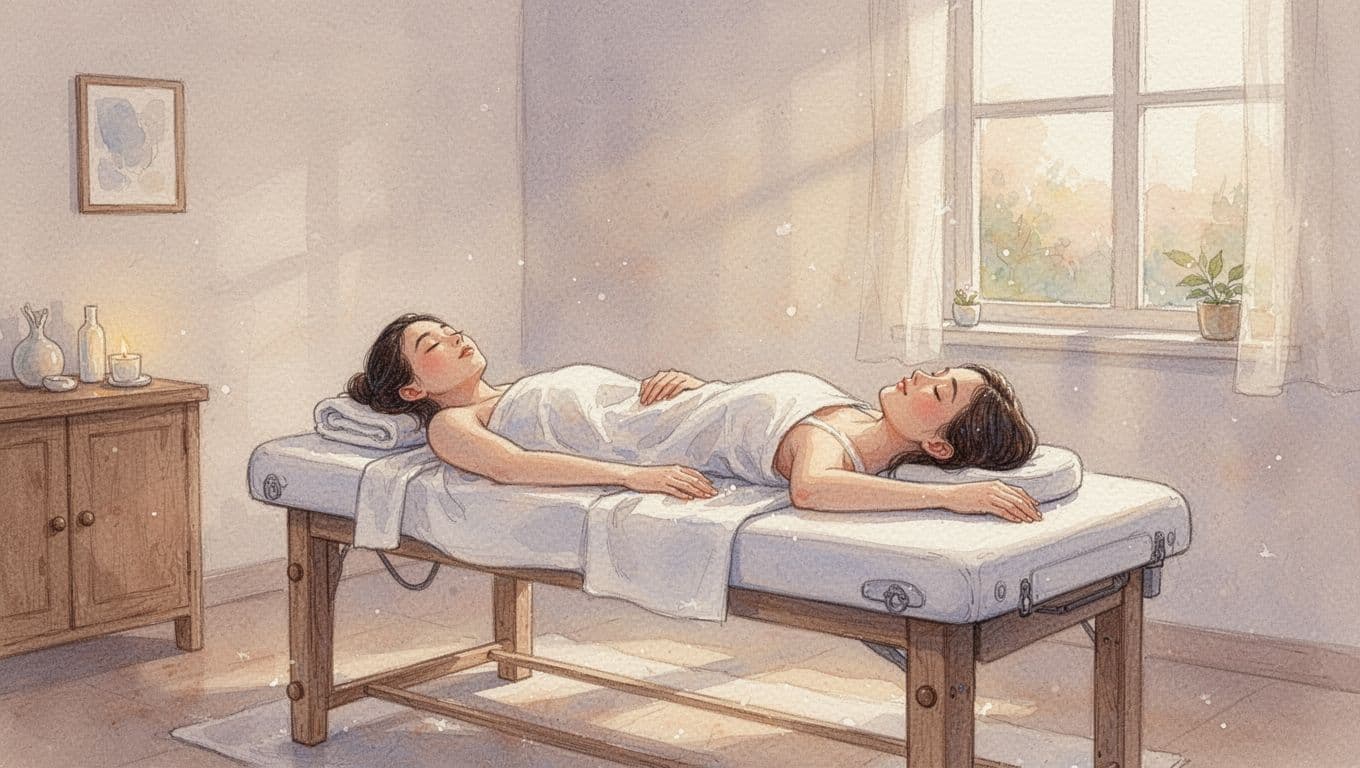 Stress usually shows up in the body first. Your shoulders lift, your jaw tightens, and your neck starts to ache. Massage helps the body shift out of that tension mode by easing the muscles that hold stress the longest.
When pressure is applied in a steady, caring way, breathing often slows down too. That gives your nervous system a chance to move toward rest instead of alertness. In simple terms, your body stops acting like it needs to stay on guard.
The mental effect is just as important. Once the tightness starts to ease, your thoughts often feel less crowded. That quiet stretch of time can make room for calm, which is one reason many people book a massage therapy session in Nairobi when work and life start piling up.
Relaxed muscles often lead to a quieter mind.
A therapist can also focus on the spots that carry the most strain. Tight shoulders, a stiff upper back, and neck pain often soften with the right pressure. That relief is physical, but it also changes how the whole body feels.
How it supports better sleep and a lighter mood
Sleep gets harder when the body stays tense. Massage helps lower that tension, so it becomes easier to unwind at night and drift off without fighting restlessness.
This is one reason people feel lighter after a session. When aches ease and breathing slows, the body is better prepared for deeper rest. Research also points to massage as a helpful tool for sleep quality, especially when stress and pain get in the way of rest. A helpful overview from the American Massage Therapy Association explains how massage can support better sleep by reducing stress, pain, and anxiety.
The mood shift often shows up before bedtime even arrives. People leave the spa feeling less on edge, less irritable, and more settled in their own skin. That easier feeling can carry through the rest of the day, then follow you into the night.
Many people notice benefits like these after a session:
- Less restlessness: The body feels calmer, so it’s easier to sit still and relax.
- Deeper sleep: A looser body can settle into rest more quickly.
- Better mood: Less tension often means less irritability and mental strain.
- More energy the next day: Better rest usually leads to a steadier morning.
If your evenings feel wired even when you’re tired, massage can help reset that pattern. For a fuller look at how regular sessions support wellness, see massage benefits, types, and trends.
Why active people use massage for recovery
Active people use massage because sore muscles need care, not just time. After workouts, long walks, sports, or physically demanding work, the body can feel tight and worn out. Massage helps loosen those sore areas so movement feels easier again.
It can also support flexibility. When muscles feel less stiff, your joints usually move with more comfort. That makes it easier to stretch, train, or get back to daily routines without feeling like everything is pulling at once.
Circulation matters too. Massage encourages blood flow, which helps deliver oxygen and nutrients to tired muscles. That support can make recovery feel smoother after a hard session or a tough week.
Here’s where massage often fits into an active routine:
- After a workout when muscles feel heavy or tight.
- After sports when the body needs a reset.
- During busy work weeks when long hours leave the back and legs stiff.
- After minor strain when you want support while you recover.
For people dealing with ongoing soreness or sports-related strain, a guide to massage therapy and recovery can help you choose the right service. Massage is not a replacement for medical care, but it can be a practical part of recovery when used well.
It also helps you pay attention to your body sooner. That matters, because small aches are easier to manage than tightness that has been building for days. If you keep active, regular sessions can help you stay loose, move better, and bounce back with less strain.
How to choose the right massage spa in Nairobi for your needs
The right spa depends on what you want out of the session. If you want to relax, you need a different setup than someone booking for sore muscles or recovery work.
Start with your goal, then compare the spa’s services, prices, location, and reviews. That simple order keeps you from paying for a treatment that misses the mark. A good massage service menu should make that choice easy.
 ### Match the spa to your goal, relaxation, pain relief, or recovery
If you want to unwind, choose a spa that feels calm, polished, and low-pressure. Look for Swedish massage, aromatherapy, or hot stone treatments, since these are built for comfort and stress relief.
If your body hurts, focus on skill and treatment style instead. Deep tissue or targeted therapy is better for tight backs, stiff necks, or post-workout soreness. The types of massage overview is a useful reference if you want to compare styles before you book.
First-time visitors usually do best with a gentle session and clear explanations. Regular clients can ask for stronger pressure, focused work, or a treatment plan that changes with their needs.
A simple way to choose:
- Relaxation: Pick a spa with a calm setting and lighter massage styles.
- Pain relief: Choose a place that asks about tension points, injuries, or problem areas.
- Recovery: Look for therapists who understand sore muscles and mobility work.
- First visit: Start with a shorter, lighter session so you can judge the experience.
A spa that matches your goal will feel right within the first few minutes.
Compare price, session length, and value
Price matters, but the cheapest option is not always the best value. A shorter session can work if you only need quick relief, while a longer one gives the therapist more time to work through tight areas and settle your body.
Packages can also change the value. Some spas offer bundled sessions or add-ons, which may help if you plan to visit often. Luxury settings can cost more too, since you are paying for the room, service flow, and overall experience, not just the massage itself.
Use price as one part of the decision, not the whole picture. A slightly higher rate can be worth it if the therapist is better, the room is cleaner, and the service feels more personal.
| What you pay for | What it usually means | Best for |
|---|---|---|
| Short session | Quick relief, less time on the table | Busy days |
| Long session | More time for full-body work | Deep relaxation or stubborn tension |
| Package deal | Lower cost per visit | Regular spa clients |
| Luxury setting | Better ambiance and comfort | Special occasions |
The best choice is the one that fits your body, your budget, and how often you plan to go.
Read reviews with a careful eye
Reviews help, but only if you read them with focus. Look for patterns, not one-off praise or complaints. If several people mention the same therapist skill, clean rooms, or smooth booking process, that carries more weight than a single glowing comment.
Pay attention to how people describe the experience. Words like professional, clean, calm, and effective are good signs. Repeated complaints about rushed sessions, weak communication, or poor hygiene are hard to ignore.
You should also look for real results. Did the reviewer say their shoulder pain eased? Did they sleep better after the visit? Did the spa keep the appointment on time? Those details matter more than vague compliments.
A few review points are worth checking before you book:
- Consistency: The feedback should stay positive across different visits and dates.
- Cleanliness: People should mention tidy rooms, fresh linens, and a neat space.
- Professionalism: Staff should sound respectful, clear, and attentive.
- Results: The spa should help with the reason you booked in the first place.
If you want a deeper look at choosing the right treatment for your body, the massage therapy and recovery guide can also help you narrow down the best fit. When the reviews, price, and service style point in the same direction, you usually have a solid choice.
What to expect during your first spa visit
Your first visit to a Massage Spa in Nairobi should feel calm, not complicated. Most spas keep the process simple, starting with booking, then a short check-in, then a conversation about what your body needs. Once you know the flow, the whole experience feels much easier.
A good first session gives you space to settle in, speak up about pressure, and leave with a lighter body. If you want to compare options before you go, you can also reserve your massage appointment through a local booking page that explains the visit in plain language.
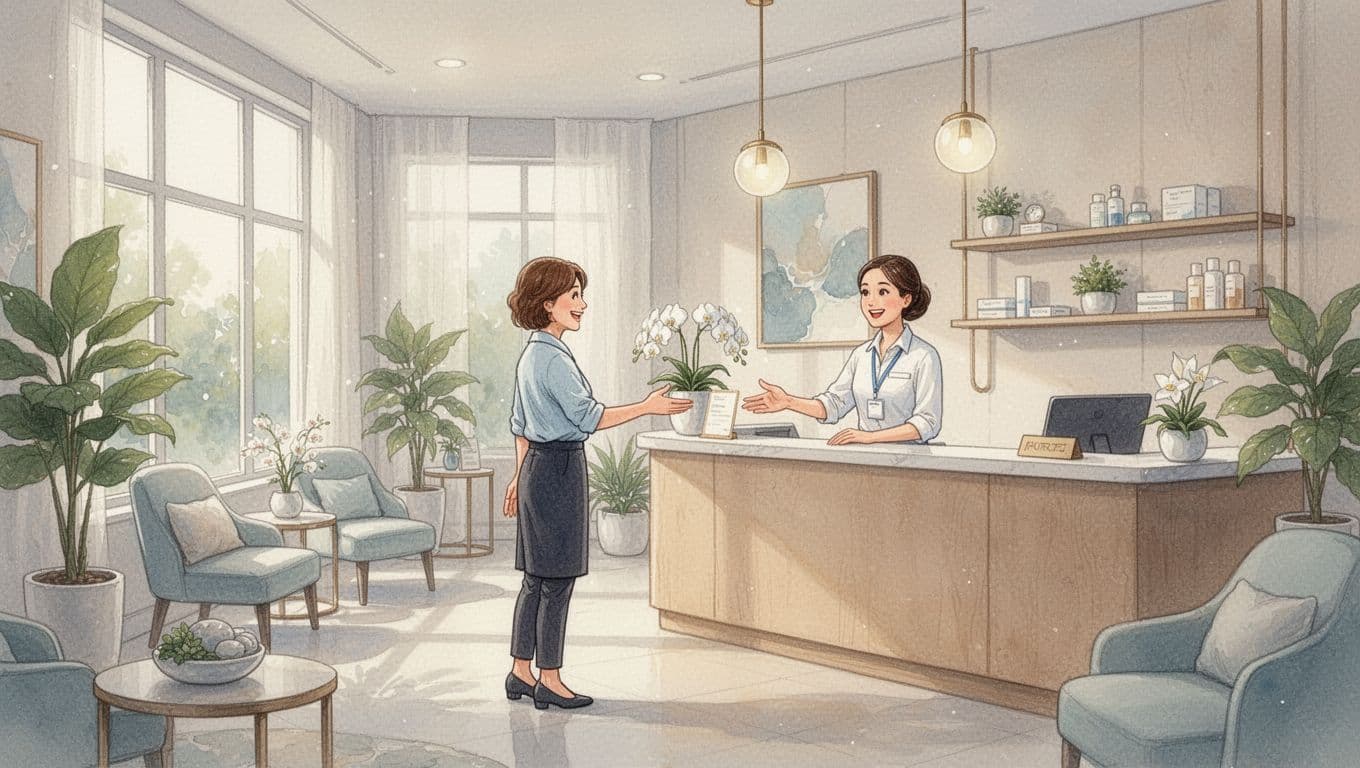 ### Booking, arrival, and consultation
Booking usually starts with a phone call, a form, or a direct message. You’ll choose your service, session length, and preferred time, then share any details that matter, like sore shoulders, lower-back tension, or a goal such as relaxation or recovery. If you need a quick way to reach the team, you can contact our spa team and ask about timing or treatment options.
When you arrive, expect a calm front desk check-in. Many spas ask you to come a little early so you can finish paperwork, settle your mind, and avoid rushing into the treatment.
A short consultation often follows. During that conversation, the therapist may ask:
- what areas feel tight or painful
- how much pressure you like
- whether you’ve had a massage before
- if there are injuries, pregnancy concerns, or health issues to mention
That part matters because it helps the therapist tailor the session to you. The more direct you are, the better the massage fits your body.
You do not need perfect answers. Clear, honest preferences are enough.
If you’re nervous, say so. A good spa will explain the process without making you feel awkward.
What happens in the treatment room
The treatment room is usually quiet, warm, and softly lit. You’ll often hear gentle music, and the table will be set with clean sheets, towels, and sometimes oils or lotion already nearby. The whole setup is meant to help your body settle down before the first touch.
The therapist will step out while you get ready, then knock before coming back in. You can undress to your comfort level, and you stay covered with a sheet or towel during the session. That privacy helps first-time visitors relax faster.
Once the massage starts, the therapist usually begins with lighter pressure to check how your body responds. Then they adjust based on your feedback. If the pressure feels too strong, say so right away. If it feels too light, speak up before the session ends.
A simple phrase works well, such as:
- “A little lighter, please.”
- “Can you work more on my shoulders?”
- “That pressure feels good, keep it there.”
Communication makes the massage better. You are not being difficult when you give feedback, you are helping the therapist do the job well. For a broader look at what styles you might choose, see the massage services and booking guide.
Aftercare that helps the benefits last longer
What you do after the session matters almost as much as the massage itself. Drink water, give your body a little rest, and avoid jumping straight into a stressful schedule if you can help it. Your muscles need time to settle after being worked on.
Light stretching can help, especially if the therapist worked on tight shoulders, hips, or legs. Keep it gentle, though. This is not the time for a hard workout or a long run.
A few simple habits help the benefits last:
- Hydrate well so your body stays comfortable after the session.
- Rest for a bit if you can, since your system may feel calm and loose.
- Stretch lightly to keep that easy movement going.
- Avoid rushing back into noise, heavy work, or long errands.
The full effect often shows up later in the day. You may notice looser muscles, slower breathing, or better sleep that night. Give your body time to enjoy that feeling instead of snapping right back into a tight routine.
If this is your first time, the best approach is simple, speak honestly, relax during the session, and leave enough space afterward for the benefits to sink in.
Why Nairobi locals and visitors keep coming back for massage
People return to massage because it fits real life. It helps after long workdays, long drives, workouts, and crowded schedules. In a busy city, that kind of relief is easy to value and hard to replace.
A good massage also feels personal. You walk in carrying tension, then leave with looser shoulders, calmer breathing, and a clearer head. That change is simple, but it matters.
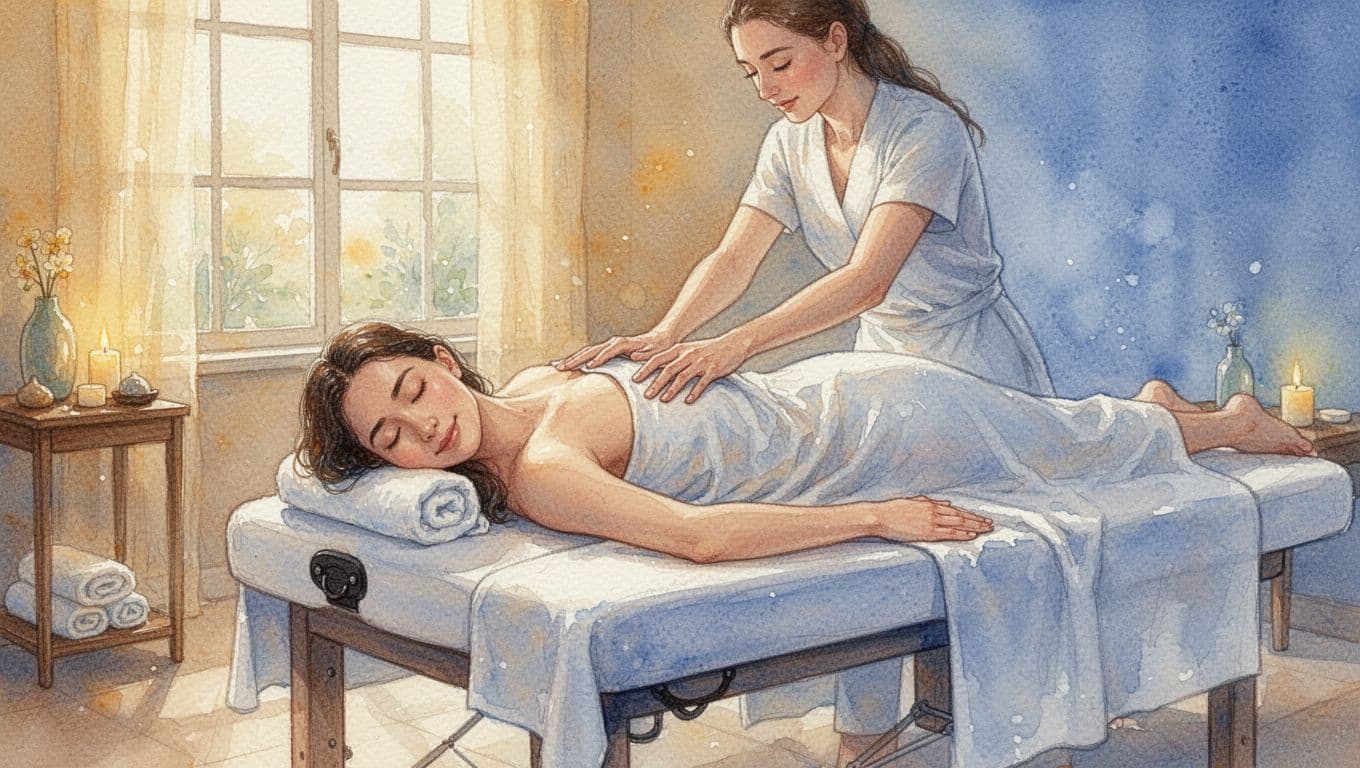 ### It helps the body recover after city stress
Nairobi life puts pressure on the body in small ways all day. Traffic tightens your neck, desk work stiffens your back, and constant movement leaves your legs tired. Massage gives those strained areas a break.
It also supports better blood flow and muscle recovery. That matters if you walk a lot, train often, or spend most of the day on your feet. Regular sessions can make your body feel less stuck and more ready for the next day.
Many people notice the difference most after a few visits. The body starts to respond faster because it recognizes the routine. For active people, regular massage works well alongside exercise, especially when used as part of a recovery plan. The YMCA massage and spa guidance also points out how massage and exercise work well together.
It creates a reliable break from mental overload
Massage gives your mind something rare, a quiet hour with no screens, no noise, and no demands. That pause helps stress drop in a way that feels immediate. Your body slows down, and your thoughts often follow.
People come back because that reset feels useful, not fancy. When stress keeps building, a spa visit can stop it from spilling into sleep, mood, and focus. A calm session can also make it easier to get through the rest of the week without feeling worn thin.
Regular massage often feels like a pause button for city living.
The mental benefit can be just as valuable as the physical one. Less tension often means better sleep, a steadier mood, and a clearer head the next morning. Those are small wins, but they add up fast.
It fits into everyday life, not just special occasions
A good Massage Spa in Nairobi becomes part of the routine because it is practical. Some people book after a stressful week. Others come in before a weekend outing, after a workout, or once a month for maintenance.
That flexibility is part of the appeal. You do not need a big reason to go back. You just need a body that feels tight, tired, or overloaded.
A regular massage habit often becomes one of these:
- Self-care that keeps stress from piling up
- Recovery support after exercise or long workdays
- Weekend reset that helps you start fresh
That is why locals and visitors keep returning. The experience is both practical and restorative, and the best spas in Nairobi make that balance feel easy to repeat.
Conclusion
A great Massage Spa in Nairobi gives you more than a calm room. It gives you clean space, trained hands, and real massage services that match what your body needs, whether that is stress relief, muscle recovery, or a quieter mind.
The best choice is the one that fits your goal and makes booking easy. If you want a trusted option, book a massage in Nairobi and choose the session that gives your body the care it needs.
Make time for your well-being. A good massage is a simple habit that helps you feel lighter, looser, and more ready for the week ahead.