
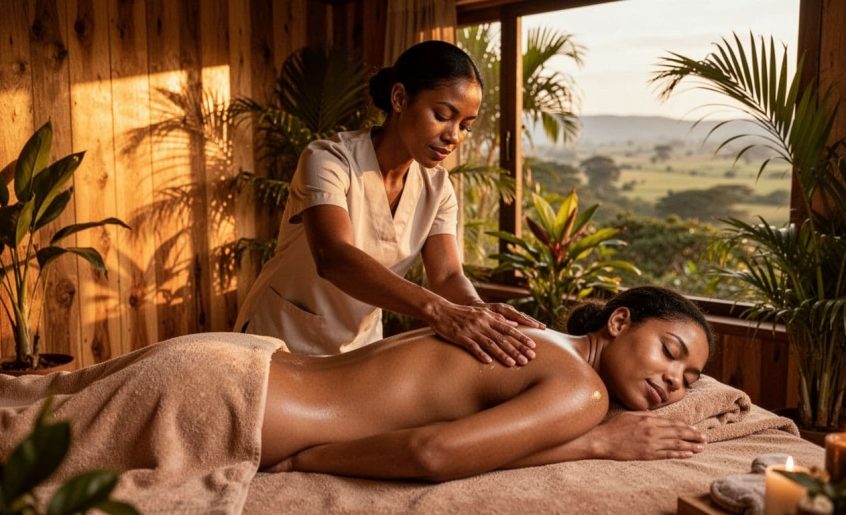
Full Body Massage Benefits, What to Expect, and How to Choose
A full body massage works on the muscles that carry your stress every day, from your neck and shoulders to your back, arms, legs, and feet. People love it because it can ease tension, support muscle recovery, and leave the whole body feeling calmer and lighter.
If you’ve been feeling stiff, worn out, or pulled in too many directions, this kind of massage can be a simple way to reset. It can also fit different needs, whether you want gentle relaxation or firmer pressure for tight spots, and the right treatment makes a real difference.
In this guide, you’ll see the main benefits, what usually happens during a session, how to choose the right massage style, and how to get the most from your visit. If you want a closer look at options in Nairobi, start with our full body massage in Kilimani.
Why a Full Body Massage Feels So Good
A full body massage feels good because it works on both the body and the mind at the same time. The pressure, rhythm, and steady touch help you loosen up, slow down, and switch out of that tense, over-alert state many people carry all day.
That relief is not just in your head. Your muscles soften, your breathing settles, and your nervous system gets a signal that it can stop bracing for the next demand. By the time the session ends, many people feel lighter, calmer, and more present in their own body.
How massage lowers stress and helps your nervous system relax
When stress builds up, the body stays on guard. Your heart rate can run higher, your breathing gets shallow, and your muscles hold on tighter than they should. Massage helps interrupt that pattern by encouraging the body to move into a calmer state.
This is why a session can feel like someone turned the volume down inside your body. Stress hormones like cortisol can drop, while your body shifts away from the wired, ready-for-anything feeling. In its place, you get slower breathing, a softer jaw, and less tension in the neck and shoulders.
Touch also plays a big role here. Steady pressure and slow movements help the nervous system settle, which is one reason massage can feel so grounding. Research on massage and the nervous system points to lower stress and better relaxation responses, which lines up with what many people feel right away during treatment. For a closer look at the physical setup of a session, see our professional full body massage Nairobi.
A good massage often feels like your body gets permission to stop holding itself together so tightly.
Why your muscles feel looser and less sore afterward
Tight muscles do not always come from one big injury. Often, they build up from long workdays, hard workouts, too much sitting, or plain old fatigue. Massage helps by using pressure and movement to ease those tight spots and bring fresh motion back into stiff areas.
As the therapist works through the muscles, the tissue can start to release its grip. That can reduce the feeling of knots, ease soreness, and make movement feel smoother afterward. Many people notice this most in the back, shoulders, hips, calves, and feet, since those areas often carry the most strain.
A few common reasons people leave feeling physically better include:
- Desk-related stiffness: Long hours at a chair can lock up the neck, back, and hips.
- Workout soreness: Massage can help tired muscles recover after training.
- Daily fatigue: General exhaustion often shows up as body heaviness and tightness.
- Built-up tension: Stress often settles into the shoulders and jaw without you noticing.
When the body loosens, the whole session starts to feel easier. That lighter feeling is often a mix of better circulation, less muscle guarding, and less pressure in the places that were working too hard. If you want a deeper explanation of what the body goes through, this guide to massage and the nervous system is a helpful read.
### The mood and sleep benefits people notice most
The mood shift after a massage is often easy to feel. People walk out less irritated, less tense, and more settled in their own skin. That calmer mood can last beyond the appointment, especially when the session helps break a cycle of stress that has been building for days.
Sleep is another benefit people notice fast. When your body is relaxed and your mind is quieter, it becomes easier to fall asleep and stay asleep. Many people also report that their body feels heavier in a good way that night, like it no longer needs to stay on guard.
This matters because rest and mood feed into each other. Better sleep can improve patience and focus the next day, while a calmer mind makes it easier to unwind at night. Massage helps both sides at once, which is why people often describe the after-feeling as refreshed rather than just relaxed.
For many clients, that means:
- Falling asleep faster after the session.
- Waking up with less stiffness the next morning.
- Feeling less frazzled later that day.
- Having a clearer, lighter mood without forcing it.
If you want to understand the relaxation response in more detail, this overview of how massage supports mental health gives a useful picture of why the mind feels quieter after treatment.
A full body massage feels good because it treats stress as a whole-body problem, not just a sore spot. It calms the nervous system, loosens tense muscles, and gives your mind a break at the same time. That mix is what leaves most people feeling more open, more rested, and more like themselves again.
What Happens During a Full Body Massage Session
A full body massage usually follows a simple, steady rhythm, so you know what to expect before you arrive. The session is built around comfort, privacy, and clear communication, which helps first-timers relax fast.
Most appointments begin with a short consultation, then move into the massage itself, and finish with a brief check-in before checkout. The flow may change a little based on the technique, but the experience should still feel calm and easy to follow.
### The usual flow from welcome to checkout
Your visit usually starts with a warm greeting and a short intake form. The therapist may ask about pain points, injuries, medical concerns, and what you want from the session, whether that’s stress relief, looser muscles, or simple rest.
Next comes the table setup. You’ll be shown where to place your clothes and how to lie under the sheet, and you can always keep as much covered as you prefer. Good therapists protect your privacy at every step, then only uncover the area they’re working on.
The massage itself often begins with lighter strokes to help your body settle. After that, the therapist may move through the back, legs, arms, and other areas in a steady order, checking in on pressure as they go. For a fuller look at how to prepare, see this checklist for booking a massage spa in Nairobi.
When the session ends, the therapist usually gives you a moment to sit up slowly and get dressed. They may ask how you feel, mention any tight spots they noticed, and suggest water, rest, or a follow-up if needed.
A good session never feels rushed. The pace should stay calm from the first greeting to the final check-out.
Areas typically included in a full body treatment
A full body treatment often includes the back, shoulders, neck, arms, legs, hands, and feet. Some therapists also add the scalp or head if the session length and technique allow it.
The order can change depending on the massage style. For example, a Swedish massage may use long, flowing strokes over larger muscle groups, while a deep tissue session may stay longer on specific tight areas. If you’re choosing between styles, this guide to choosing the right massage therapy can help you match the treatment to your needs.
Common areas often worked during a session include:
- Back and shoulders for posture-related tension
- Neck and scalp for stress and head heaviness
- Arms and hands for desk work and repetitive use
- Legs, calves, and feet for standing, walking, or workout fatigue
Not every therapist will treat every area in the same way, and that’s normal. The exact focus depends on your comfort, the length of the session, and what your body needs most that day. A massage guide for session planning can also help you understand how preferences shape the treatment.
How to speak up about pressure, comfort, and focus areas
You don’t need to stay silent if something feels off. In fact, speaking up early makes the massage better, because the therapist can adjust before discomfort builds.
Share your preferences before the session begins. If you want lighter pressure, say so. If you like firmer work, mention that too, but be clear about the difference between strong and painful.
During the massage, keep your feedback simple and direct. A short comment like “a little lighter here” or “please spend more time on my shoulders” is usually enough. Therapists expect that kind of input, and good ones welcome it.
A few helpful things to mention include:
- Sensitive spots that need care
- Injuries or sore areas that should be avoided
- Pressure level you prefer
- Areas you want more time on
Clear communication makes the session smoother and safer. It also helps the therapist focus on what actually matters to you, instead of guessing.
Choosing the Right Full Body Massage for Your Needs
The best full body massage depends on what your body needs right now. Some people want soft pressure and quiet calm, while others need firm work for stubborn tightness or recovery after strain.
A good fit feels comfortable, not forced. If your goal is relaxation, pain relief, or better recovery, the style you choose should match that goal, because each massage creates a different experience.
### Swedish massage for gentle relaxation
Swedish massage is the best place to start if you want a soothing session. It uses lighter pressure, smooth strokes, and steady rhythm, which helps the body relax without feeling worked over.
This style is a strong choice for first-time clients, busy professionals, or anyone who wants calm and comfort. It can ease stress, soften mild tension, and leave you feeling rested instead of sore.
If you want a massage that feels warm, slow, and easy to settle into, Swedish is often the right pick. It gives your muscles a break while your mind gets a pause too.
For readers comparing styles, this massage therapy guide is a helpful place to look at the basics of each option.
Deep tissue massage for stubborn tension
Deep tissue massage fits people who carry tightness that does not ease with lighter work. It uses slower strokes and firmer pressure to reach deeper muscle layers, which can help with knots, chronic stiffness, and recovery after physical strain.
This style often helps when your shoulders feel locked, your lower back stays tight, or workouts leave you with lingering soreness. It can also support athletes and active people who want focused relief in specific areas.
That said, deep tissue is more intense than a relaxation massage. It should feel effective, not punishing, so clear pressure feedback matters throughout the session.
Deep tissue can help a lot, but it should never feel like you have to grit your teeth through the whole treatment.
Aromatherapy and hot stone options for extra comfort
Aromatherapy and hot stone massage add another layer of comfort to a full body massage. Each one changes the feel of the session in a different way, so your choice depends on the kind of relaxation you want.
Aromatherapy uses scented oils to set a calmer mood. Lavender, eucalyptus, and other blended oils can make the session feel softer and more peaceful, especially if stress relief is your main goal. Many clients like it because the scent stays with them after the session ends.
Hot stone massage adds warm stones to the experience. The heat helps muscles soften faster, which can make the session feel smoother and more deeply relaxing. It is a good option if you want comfort, warmth, and gentle pressure in one treatment.
A simple comparison can help:
| Style | Best for | Main feeling |
| Swedish massage | Relaxation and first-time visits | Soft, calm, light pressure |
| Deep tissue massage | Tight muscles and recovery | Firm, focused, intense |
| Aromatherapy | Stress relief and mood balance | Soothing and scent-driven |
| Hot stone massage | Warmth and muscle ease | Comforting and deeply relaxing |
If your main goal is relaxation, Swedish or aromatherapy usually fits best. If you want muscle relief with a little more comfort, hot stone can be a smart middle ground. For stronger tension, deep tissue is the more direct choice.
For a broader look at service options and treatment styles, massage Nairobi guide can help you compare what matches your needs.
How to Get the Best Results Before and After Your Massage
A good Full Body Massage starts before you get on the table and continues after you leave the spa. Small choices matter here. When you prepare well, your body settles faster, your therapist can focus on the right areas, and the benefits tend to last longer.
The goal is simple: arrive relaxed, stay present during the session, and give your body a little time to recover afterward. That doesn’t take much effort, but it makes a real difference in comfort and results.
### What to do before your appointment
Start with the basics. Drink water before your session, eat a light meal or snack an hour or two earlier, and avoid showing up on a completely full stomach. That helps you feel steady and comfortable, instead of heavy or sluggish.
Arrive a little early so you have time to slow down. Rushing into a massage with your mind still in work mode can make it harder to relax, so even 15 minutes can help. If you want more help choosing a service that fits your needs, this massage in Nairobi guide is a useful place to start.
Before the session begins, share anything that could affect the treatment. Mention injuries, recent pain, allergies, pregnancy, skin concerns, or simple goals like “I want more work on my shoulders.” Clear details help the therapist adjust pressure and focus in the right places.
A few easy prep habits can improve both comfort and results:
- Drink water so your muscles are well-hydrated.
- Wear loose clothes so getting changed is easy.
- Avoid a heavy meal so your body feels settled on the table.
- Speak up early about health concerns, sore spots, or pressure preferences.
A few minutes of preparation can make the massage feel smoother from start to finish.
What to do after the session
After your massage, slow down. Give your body time to absorb the work instead of jumping straight into errands, screens, or a packed schedule. A short rest helps you hold onto that loose, calm feeling longer.
Drink water afterward, since hydration supports recovery and helps you feel balanced. Gentle movement also helps, such as a slow walk or light stretching. That keeps your body from tightening back up too soon. For a practical post-massage checklist, these massage aftercare tips are a helpful reference.
Pay attention to how you feel later in the day. Some people feel extra relaxed right away, while others notice mild soreness or tiredness a few hours later, especially after firmer work. That usually fades with rest, water, and an easier pace.
A simple post-session routine can look like this:
- Sit up slowly before leaving the table.
- Drink water soon after the appointment.
- Keep the rest of your day light when possible.
- Choose a gentle walk or stretch instead of a hard workout.
- Notice how your body feels that evening and the next morning.
When massage should be adjusted or avoided
Most people can enjoy a massage with little or no issue, but some situations call for extra care. If you have a recent injury, fever, open skin issues, a rash, or swelling, it’s best to speak with a professional first. The same goes for pregnancy and certain medical conditions.
That doesn’t always mean you must skip massage. Often, it just means the session needs to be adjusted. The therapist may avoid certain areas, use lighter pressure, or suggest waiting until your body has healed. If you want to compare options or ask the right questions before booking, this massage therapy overview covers helpful basics.
When in doubt, be direct about what you’re dealing with. A good therapist will take that seriously and guide you toward the safest choice. If something feels off during the session, speak up right away so the pressure, position, or treatment can change before discomfort builds.
Conclusion
A full body massage does more than ease tight muscles. It helps you reset, sleep better, and carry less stress in your day.
That calm, lighter feeling is also why regular sessions can support recovery and keep small aches from building up. When your body gets the care it needs, everything feels a little easier.
For many people, full body massage is not just a treat. It can be a steady part of self-care that helps you feel better week after week.