
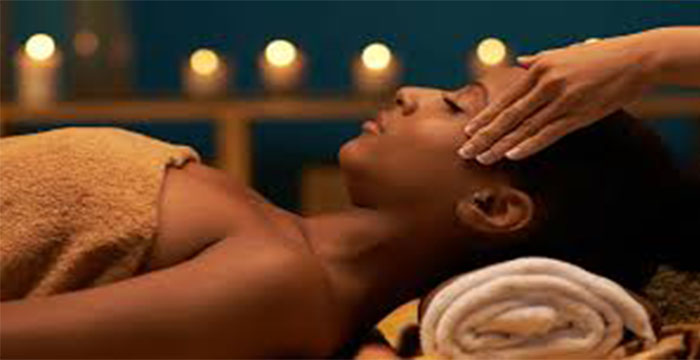
Thai Massage Explained: Benefits, Feelings, and Safety
Thai massage is a hands-on treatment that uses stretching, firm pressure, and guided movement to help your body loosen up. It’s usually done on a mat, and you stay fully clothed in loose, comfortable clothes.
If your muscles feel tight, your joints feel stiff, or stress is sitting heavy in your body, this style of massage can feel like a reset. It can help with flexibility, pain relief, posture, and that worn-down feeling that builds after long days. For a local option, you can also look at Thai massage in Kilimani.
Below, you’ll get a clear look at how Thai massage works, what it feels like, who may benefit most, and when it’s better to skip a session.
Thai Massage explained in plain English
Thai Massage is a traditional bodywork style that focuses on movement, pressure, and stretching. It feels different from the table-based massages many people know, so first-time clients often want a simple answer: what is it, really? The short version is that it helps your body loosen up while you stay relaxed and fully supported.
This practice comes from Thailand and has long been part of a broader wellness tradition, not just a spa treatment. It blends hands-on technique with careful body positioning, which is why many people leave feeling more open through the hips, back, and shoulders.
### Where Thai Massage comes from
Thai Massage has its roots in Thailand, where it developed as a respected wellness practice tied to traditional healing. It is usually linked to temple-based bodywork and a long culture of caring for the body through touch, movement, and balance.
Its history also connects to older healing ideas from South Asia, but you do not need the full timeline to understand its value today. What matters most is that Thai Massage is not a trendy add-on. It is a long-standing form of bodywork with a serious place in traditional wellness.
Thai Massage is often described as movement-based therapy, not just relaxation. That difference matters.
For readers who want to compare styles, massage therapy services in Nairobi include options that show how different techniques support different needs.
How it is different from oil-based massage
Thai Massage feels very different from Swedish or deep tissue massage. You usually stay fully clothed, and the treatment is often done on a mat on the floor instead of a massage table. Because of that setup, the session has more movement and less of the smooth gliding strokes people expect from oil-based work.
The therapist uses hands, elbows, knees, and sometimes feet to apply pressure and guide your body. They may press along muscles, hold certain points, or move you through stretches that open up tight areas. In contrast, Swedish massage tends to use lighter, flowing strokes, while deep tissue focuses more on slow pressure into stubborn knots.
Here’s a simple way to compare them:
| Style | Main focus | Clothing | Surface |
| Thai Massage | Pressure, stretching, guided movement | Fully clothed | Mat |
| Swedish massage | Relaxation, flowing strokes | Usually unclothed with draping | Table |
| Deep tissue | Deep pressure on tight muscles | Usually unclothed with draping | Table |
If you want a massage that feels active without requiring effort from you, Thai Massage is often the better fit. If you want long, smooth strokes and oil, another style may suit you more.
Why people call it assisted yoga
People call Thai Massage assisted yoga because the therapist moves your body through stretches for you. You may be guided into a position you would not reach alone, but you are not doing the work. The therapist does the moving, and you get the benefit of the release.
That is a big reason many clients like it. It can feel like your body is being gently opened up, one area at a time, without strain or force. The stretching can also help you notice where you hold tension, especially in the hips, legs, back, and shoulders.
For a deeper look at Thai Massage techniques, What Is Thai Massage? Techniques, Philosophy and Benefits gives a clear overview of the method and how the stretches work.
What happens during a Thai Massage session
A Thai Massage session feels structured, but never stiff. You usually arrive to a quiet room, settle onto a mat, and move through a slow sequence of pressure, stretching, and guided body work.
The pace is calm from the start. A good therapist watches how your body responds and adjusts the pressure, so the session feels supportive instead of forceful. If you want a broader look at available treatment styles, you can also browse the massage services page.
### The room, the mat, and what to wear
Traditional Thai Massage is usually done on a floor mat, not a raised table. That setup gives the therapist space to move around your body and guide you into stretches with better control. The room itself is often quiet, simple, and warm, with soft lighting that helps you settle in fast.
You also stay fully clothed. Most people wear loose, comfortable clothing, like a soft top and stretchy pants or shorts, so the body can move without strain. That matters because the therapist is working with your limbs and joints, not just your muscles.
Another big difference is that oil is usually not used in a traditional session. That changes the whole feel. Instead of smooth gliding strokes, you get compression, rocking, and assisted movement. For many people, that makes Thai Massage feel more active and more focused.
For comfort and etiquette tips, what to wear for Thai massage offers a simple overview.
The stretches, pressure, and body movement you may feel
Thai Massage can include gentle pulling, rocking, compression, and deeper stretches. The therapist may use hands, forearms, elbows, knees, or feet to guide the work. That sounds intense, but a good session stays controlled and adjusts to your comfort level.
You might feel your legs opened, your back lengthened, or your shoulders rolled and released. Some movements feel broad and slow, while others feel more targeted. The session can be active without becoming overwhelming.
A few common techniques often show up during the session:
- Compression: steady pressure that warms tight tissue
- Rocking: small back-and-forth motion that helps the body soften
- Assisted stretching: guided positions that open stiff joints
- Gentle traction: light pulling that creates space in the body
The best sessions never feel forced. Pressure should be firm enough to help, but not so strong that you tense up against it.
How a session usually starts and ends
Most sessions begin with a few calm breaths and a brief settling-in period. From there, the therapist often starts with the feet or legs, then moves through the hips, back, shoulders, arms, and neck. The rhythm builds slowly, which helps your body relax before the deeper stretches begin.
The ending should feel just as measured. The therapist usually slows the pace, eases off the stronger stretches, and finishes with lighter pressure or gentle rocking. You should leave feeling looser, calmer, and more balanced, not rushed or worn out.
That slower close matters. It gives your body time to absorb the work, so the session feels complete instead of abrupt. In a well-run Thai Massage, the finish is as important as the stretch itself.
The main Thai Massage benefits people notice
Thai Massage gets attention because the benefits are easy to feel. Many people leave a session looser, calmer, and less weighed down by tension. The effects vary from person to person, but a few results come up again and again, especially when sessions are done regularly.
For a wider look at how massage supports the body, see the core health benefits of massage therapy. Thai Massage often stands out because it works on the body in a more active way than many people expect.
Better flexibility and range of motion
Assisted stretching is one of the biggest reasons people try Thai Massage. The therapist moves your body through positions that help tight muscles open up, especially around the hips, legs, back, and shoulders. Over time, that can make everyday movement feel smoother.
This matters if you sit for long hours, train hard, or carry stress in your body. Regular sessions may help you bend, reach, and turn with less resistance. Even simple things like getting out of a car or touching your toes can feel easier.
Flexibility gains are often gradual, and they tend to build with repeat sessions rather than one dramatic visit.
The stretches also encourage your body to move in ways it may have avoided for a while. That gentle challenge can help stiff areas loosen without forcing them.
For a broader explanation of how Thai Massage supports mobility, Cleveland Clinic’s Thai massage guide offers a clear overview.
Less stress and a calmer mind
Thai Massage often feels calming because of its slow rhythm. Steady pressure, rocking, and guided breathing can help your body settle down. As your muscles soften, your mind often follows.
That slower pace gives many people a break from mental noise. You are not checking messages, rushing between tasks, or holding your shoulders up near your ears. Instead, you get a quiet stretch of time where your body can relax and your breathing can slow.
A session may help you feel:
- More settled after a busy day
- Less physically tense in the neck and shoulders
- Mentally lighter, with less edge or pressure
- Better able to rest after the massage
The effect is usually simple, but that is part of the appeal. You walk in feeling wound up, and you walk out feeling more at ease.
Support for sore muscles and stiffness
Thai Massage can help with general muscle tightness, especially in the back, neck, hips, and legs. The combination of pressure and stretching works on the areas that often hold the most tension from sitting, lifting, exercising, or just getting through a long week.
It does not promise to cure pain, and it should not be treated that way. Still, many people use it because it helps them feel less stiff and more comfortable in their own body. That can make a real difference when tightness starts to affect sleep, posture, or daily movement.
The therapist’s hands, elbows, knees, or feet may apply firm pressure where your muscles feel most contracted. Then the stretches help those same areas lengthen and release. That one-two approach is why many clients describe the session as both targeted and relieving.
Better circulation and a refreshed feeling
The movement in Thai Massage can leave you feeling more awake and loose afterward. Pressure and stretching may encourage circulation, which helps the body feel less sluggish once the session is over. Some people notice warmth in their limbs or a light, open feeling in their muscles.
That refreshed feeling can be a little surprising. You may leave the room deeply relaxed, yet still clear-headed and energized. A well-paced session often creates both at once.
Many clients like that balance. They do not want to feel knocked out, and they do not want a treatment that feels too intense. Thai Massage often lands in the middle, with enough work to help the body reset and enough calm to make the mind feel settled.
If your main goal is a massage that leaves you feeling looser, calmer, and more comfortable, Thai Massage is a strong option. The benefits are usually practical rather than dramatic, which is exactly why people keep coming back.
Who Thai Massage may help most, and when to be careful
Thai Massage works best for people who want more than a quiet, passive spa treatment. It often suits bodies that feel stiff, tired, or stuck in the same shapes all day. At the same time, the strong stretches and joint movement mean it is not the right fit for everyone.
If you’re comparing massage styles, the main question is simple: do you want gentle relaxation, or do you want hands-on work that opens the body up? For many people, Thai Massage is the better choice when tightness, stress, and limited mobility are the main complaints. If you want help choosing among massage therapy in Nairobi, it helps to know where this style fits and where caution matters.
### Good reasons people book Thai Massage
Many people book Thai Massage because their body feels tight in all the usual places. Long hours at a desk can leave the hips, neck, and shoulders locked up. A session can help those areas feel looser without needing you to do the stretching yourself.
It also appeals to people who want an active spa treatment. You stay relaxed, but the session still feels engaged because the therapist moves you through stretches, compressions, and guided positions. That can be a better fit than oil-based massage if you like a treatment that feels more physical.
Common reasons people choose Thai Massage include:
- Everyday tension in the back, neck, shoulders, or hips
- Stiffness from sitting for long periods
- General stress that shows up in the body
- Tight muscles after workouts or repetitive work
- Limited mobility that makes simple movement feel harder
- A preference for clothed, mat-based bodywork
Thai Massage is often a good match when you want relief, but also want your body to move a little during the session.
For many clients, the draw is the mix of release and movement. If you want a style that feels more like guided stretching with pressure, this one often fits well. For a broader look at what massage can do for recovery and stress, WebMD’s Thai massage overview gives a useful summary.
Times when you should check with a doctor first
Some health situations call for extra care before any Thai Massage session. That includes pregnancy, recent surgery, heart or blood pressure issues, blood clots, broken bones, and serious injuries. If you have any of those concerns, get medical advice first.
You should also be careful if you have an active infection, fever, open wounds, burns, skin rashes, or a condition that makes your bones very fragile. Strong stretching or pressure can make the problem worse. The same goes for numbness, major swelling, or severe joint pain that has not been checked.
A good rule is to pause and ask first if the issue is recent, painful, or unstable. Thai Massage may be modified in some cases, but that decision should come from a doctor and a trained therapist together.
Use extra caution if you have:
- Recent surgery or a healing incision
- A history of blood clots
- Uncontrolled heart disease or blood pressure problems
- Severe osteoporosis
- Cancer treatment that affects blood counts or tissue health
- A fresh sprain, dislocation, or fracture
If you’re unsure, don’t guess. A short medical check can save you from a bad outcome later. Reputable sources such as Medical News Today’s Thai massage guide also note that side effects and safety issues matter as much as the benefits.
How to tell your therapist about pain or limits
Good Thai Massage should bend around your body, not push through it. Tell your therapist about old injuries, sore spots, joint problems, or any movement that feels off before the session starts. That gives them a chance to adjust pressure and avoid positions that could irritate you.
During the massage, speak up early if something feels sharp, too intense, or unstable. You don’t have to wait until discomfort turns into pain. A small change in pressure or angle can make a big difference.
Useful phrases are simple and direct:
- “That feels a little too strong.”
- “Please stay away from that knee.”
- “My lower back needs lighter pressure.”
- “I can’t bend that far today.”
A good therapist will listen and adapt. If they keep pushing after you’ve said stop, that’s a problem. Thai Massage should feel supported and responsive, not forced.
How to get the most out of your Thai Massage experience
A good Thai Massage starts before you lie down on the mat. A little prep helps your body relax faster, and a little care after the session helps the benefits last longer. Keep it simple, stay comfortable, and give yourself time to enjoy the full effect.
How to prepare before your session
Start with a light meal, not a heavy one. If you eat too much, deep pressure and stretches can feel uncomfortable, especially around the stomach and lower back. A small snack or a light meal a couple of hours before your appointment usually works well.
Drink water earlier in the day so you arrive hydrated. That helps your muscles feel less tight and makes the session easier to settle into. Also, wear loose, breathable clothing so you can move without feeling restricted.
Arrive a little early if you can. Those extra few minutes give you time to slow down, switch off your phone, and let your mind catch up with your body. If you want a simple booking reference before you go, the Nairobi massage and spa booking guide is a useful place to start.
A few small habits can make the visit smoother:
- Drink water ahead of time so you don’t show up dehydrated.
- Avoid a heavy meal right before the session.
- Choose easy clothes like soft pants, shorts, or a loose top.
- Give yourself buffer time so you don’t walk in rushed.
The best sessions often start with a calm arrival, not a last-minute dash.
What to do after the massage
After your session, keep drinking water. Thai Massage can leave your body feeling open and warm, and hydration helps you settle after the work on your muscles and joints. You don’t need to overdo it, just sip normally and keep fluids coming through the rest of the day.
Move gently once you get up. A short walk, light stretching, or slow movement helps your body adjust. If the therapist used deeper stretches, you may feel a little sore for a short time, especially if your body was tight to begin with.
Give yourself some rest if you can. That doesn’t mean you need to lie still all afternoon, but it does help to avoid a packed schedule right after the appointment. Many people also skip hard workouts for the day, since the body has already done enough work.
A simple aftercare routine looks like this:
- Drink water.
- Move slowly for a while.
- Rest if your body feels tired.
- Keep exercise light for the rest of the day.
For first-timer preparation and aftercare basics, TAGTHAi’s beginner guide to Thai massage offers a clear, practical overview.
How often people usually book it
There isn’t one perfect schedule for Thai Massage. Some people book it once a week when they want regular relief from tension or stiffness. Others go once a month to keep their body feeling loose and balanced.
Many people book it as needed, especially when stress builds up or tight muscles start to limit movement. That can work well if your schedule or budget is tight, and it still gives you a chance to reset when your body asks for it.
The right frequency depends on your goals, your comfort level, and what you can realistically afford. If you want help with ongoing tension, more regular sessions may make sense. If you mostly want occasional relief, a less frequent rhythm can still be valuable.
A simple way to decide is to ask yourself what you want most:
- Maintenance if you want steady support for flexibility and stress
- Recovery if your body feels sore after activity or long workdays
- Occasional relief if you only need help when tension builds up
If you’re unsure where to begin, start with one session and notice how your body responds over the next day or two. That gives you a clearer sense of whether weekly, monthly, or occasional visits fit your routine better.
Conclusion
Thai Massage blends stretching, pressure, and relaxation in a way that can leave the body looser and the mind calmer. For many people, that mix is what makes it feel both energizing and restorative.
Its biggest strengths are simple, better movement, less tension, and a clearer sense of ease in the body. Still, safety matters, so anyone with an injury, pregnancy, or a health condition should check first before booking.
If you want a massage that does more than help you unwind for an hour, Thai Massage is worth serious consideration. It can be a strong choice when your body needs space, relief, and a reset.