
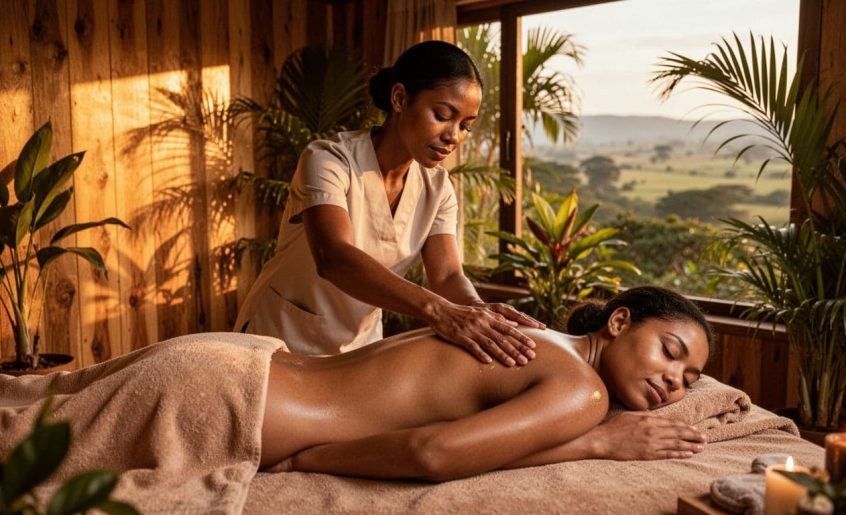
A full body massage usually means your therapist works the major muscle groups, not every inch of skin. Most sessions focus on the back, shoulders, neck, arms, legs, hands, feet, and sometimes the scalp, while intimate areas are never included.
That’s where a lot of the confusion starts. Some people expect a full-body treatment to cover everything, while others worry about what’s appropriate, how much is touched, or whether certain areas are optional. If you want a clearer idea of what a session includes, what depends on consent, and how it should feel once you’re on the table, this full body massage guide in Nairobi is a useful place to start.
A good session should feel focused, comfortable, and professionally handled from start to finish. Here’s what’s usually included, what can be added only if you want it, and what you can expect during the massage itself.
The main areas included in a full body massage
A standard full body massage focuses on the parts of the body that hold the most tension and get used the most. That usually means the therapist works methodically through the back, shoulders, neck, arms, hands, legs, feet, and sometimes other areas based on comfort and preference.
The exact order can vary, but the flow is usually steady and logical. Therapists often begin with the largest tension zones first, then move into the smaller muscles that support daily movement. If you want a broader look at styles and session types, the massage therapy options in Nairobi page is a helpful companion read.
 ### Back, shoulders, and neck, the main tension zones
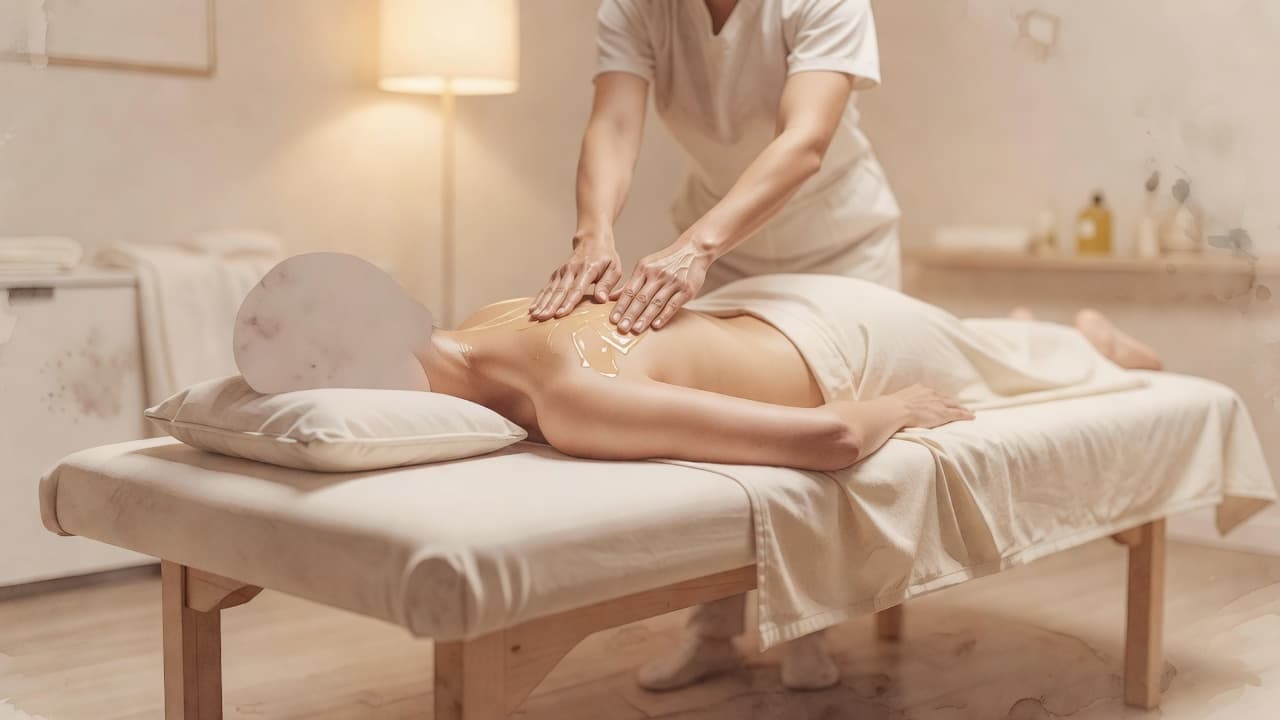
Most full body massage sessions start on the back. That area carries a lot of stress, whether you sit too long, stand too much, or spend hours looking down at a phone or laptop. Once the back muscles begin to soften, the therapist usually moves into the shoulders and neck, where tightness often builds fastest.
These areas get extra attention because they are common trouble spots for stiffness and posture-related discomfort. Long, smooth strokes help warm the tissue, kneading loosens tight muscle bands, and steady pressure can release stubborn knots. The work usually feels gradual, not rushed, so your body has time to relax before deeper pressure is used.
The back also gives the therapist a clear read on where tension sits. If one side feels tighter than the other, the pressure can be adjusted right away. That makes this part of the session feel both soothing and practical.
The first part of a massage often sets the tone for the whole session, because relaxed back and neck muscles make the rest of the body easier to work on.
Arms, hands, and wrists, the overlooked areas
After the upper body, the therapist often moves to the arms, forearms, hands, and wrists. These areas are easy to forget, yet they hold a surprising amount of tension from typing, driving, lifting, scrolling, and repetitive daily tasks.
Massage on the arms usually includes long strokes along the upper arm and forearm, plus gentler kneading around tighter spots. Hands often get slower, more detailed work, including the palms, fingers, and the spaces between them. Wrists may also be moved carefully to ease stiffness and improve comfort.
This part of a full body massage can feel especially calming for desk workers. Hands and wrists do a lot of unnoticed work, so even light pressure here can create a strong sense of relief. If you spend most of your day at a computer, this section often feels more restorative than you expect.
A few common areas therapists focus on include:
- Upper arms and forearms, where tension builds from gripping and lifting
- Palms and fingers, which often feel tired after constant use
- Wrists, which may feel tight after long hours of typing or phone use
Legs, calves, feet, and the lower body finish
The lower body usually comes next, with attention moving down the thighs, calves, ankles, and feet. This part of the session helps balance out the work done on the upper body and brings the massage to a calmer finish. For many people, the legs hold as much tension as the back, especially after a long day on their feet.
Therapists often use broad strokes on the thighs, then firmer work on the calves if they feel tight or heavy. Ankles may be moved gently to encourage ease and mobility, while the feet often get focused pressure through the arches, heels, and balls of the feet. According to Massage Envy’s overview of full body massage benefits, this kind of work can support muscle relaxation, circulation, and general comfort.
Foot massage is often part of the session, but it can vary by spa or by client preference. Some people love detailed foot work, while others prefer lighter contact or want to skip it. Either way, the therapist should follow your comfort level.
Lower body work is especially helpful if you:
- Stand all day at work
- Exercise regularly and feel sore afterward
- Notice heavy, tired legs by evening
- Want a massage that ends with a grounded, relaxed feeling
By the time the therapist reaches the feet, the session usually feels complete and settled. The body has moved from tension-heavy areas into deeper relaxation, which is exactly what most people want from a full body massage.
What is optional in a full body massage
A full body massage has a clear core, but not every session looks the same. Some parts are standard, while others depend on your comfort, the therapist’s style, and the spa’s rules. That’s why it helps to know what can be included, what should always be discussed first, and what you can simply skip.
Most therapists will adjust the session around your needs. If you want a softer, more relaxing treatment, they may keep the focus on broad strokes and light pressure. If you want more detail, they may spend extra time on tight areas or add gentle extras that fit the treatment type.
 ### Scalp, face, and head massage details
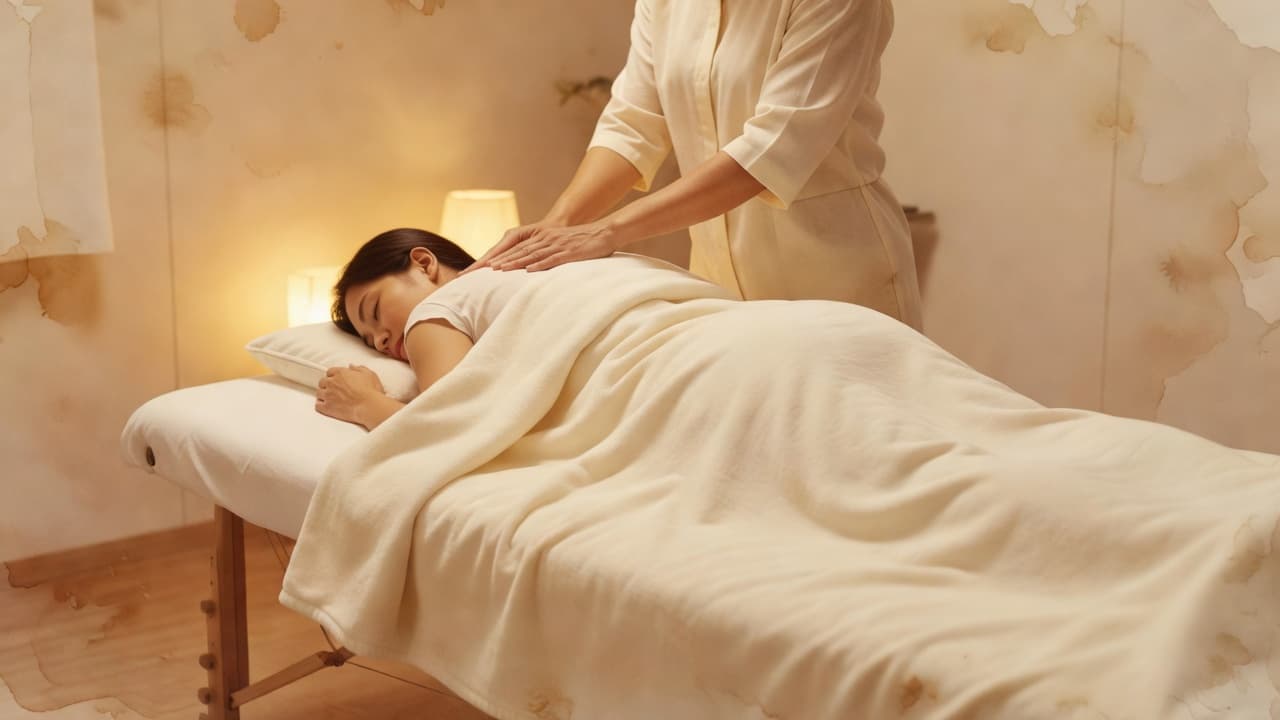
Some full body massage sessions include the scalp, head, temples, or even a light face massage. These areas often come near the end of the treatment, when the body is already relaxed and the therapist is helping you settle into that calm, heavy feeling people love after a good session.
That said, these touches are not automatic. They depend on the massage style and on how the therapist works. A Swedish session may include soft scalp work, while a deep tissue session may stay focused on larger muscle groups. Some therapists also avoid the face unless you ask, especially if the treatment is meant to stay simple and body-focused.
Gentle head work often feels especially soothing because the muscles there hold more tension than most people notice. The temples, jaw, scalp, and forehead can all feel tight after stress, screen time, or a long week. Light pressure in those areas can feel like the volume on your nervous system has been turned down a notch.
If you enjoy this part of the session, it can be one of the most memorable pieces of the treatment. If you don’t, it’s easy to leave it out. A good therapist will follow your preferences without making it awkward.
For a spa that offers different treatment styles, full body massage options in Kilimani can help you compare what’s typically included in a session.
Chest and glutes, only with clear consent
The chest and glutes are not just optional, they are areas that should only be addressed when you give clear permission. These are sensitive zones, so a professional therapist should never assume you want them worked on just because you booked a full body massage.
A respectful session keeps boundaries clear. The therapist should explain what they want to do, ask before touching those areas, and stop if you seem unsure. You should never feel rushed into agreeing, and you should never feel like saying no will make the treatment uncomfortable.
Proper draping is part of that professionalism. It protects your privacy, keeps the session orderly, and helps you relax because you know your body is covered the right way. Good draping is like a safety line, it lets the therapist work while keeping you comfortable and in control.
If an area feels personal or outside your comfort zone, you can skip it without explaining yourself.
The same rule applies whether you’re getting a light relaxation session or a more focused treatment. Consent matters every time, and it should be specific, not assumed. If you prefer, you can mention your boundaries before the massage starts, and the therapist can plan the session around them.
Stretching, hot stones, or aromatherapy add-ons
Some massage sessions include extra touches such as assisted stretching, hot stones, or aromatherapy. These are usually add-ons, not essentials, so you can enjoy a great massage without any of them. Still, they can make the session feel more personal if they match your goals for the day.
Assisted stretching can help if your body feels stiff or you want a little more mobility work. Hot stones add steady warmth, which many people like for sore muscles that need a slower, deeper sense of ease. Aromatherapy uses essential oils to create a more calming or refreshing atmosphere, depending on the blend the spa offers.
These extras vary by spa, therapist, and massage type. A Swedish massage may pair well with aromatherapy, while a deep tissue session might use hot stones or no add-ons at all. Some spas also bundle add-ons into certain packages, so it’s smart to ask what’s included before you book.
A few common add-ons you might see include:
- Hot stones, for soothing warmth and muscle comfort
- Aromatherapy, for a more calming or uplifting scent
- Assisted stretching, for gentler flexibility work
The best sessions feel tailored, not crowded with extras. If you want something simple, say so. If you want a richer experience, the right add-on can round out the massage without taking over the treatment.
How a full body massage session usually flows
A full body massage usually follows a calm, predictable rhythm. The therapist starts with a short check-in, helps you settle on the table, then works through the body in a sequence that feels steady and unhurried. That order matters because it helps your muscles soften instead of staying braced for the next step.
 ### Before the massage starts, the quick consultation
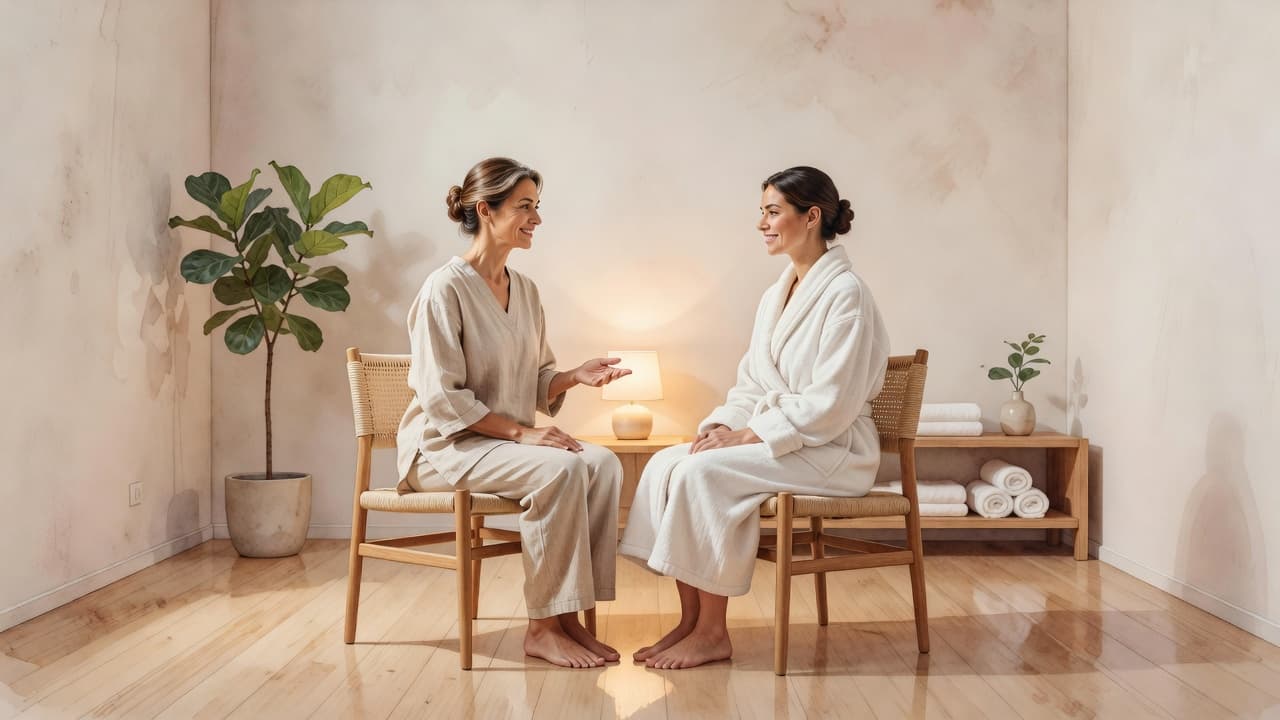
The session usually begins with a brief conversation. This is where the therapist asks about sore spots, recent injuries, medical concerns, allergies, and any areas you want to avoid. It may sound simple, but it sets the tone for the entire massage.
This is also the best time to talk about pressure. If you like lighter contact, firmer work, or a mix of both, say it before the first stroke. The same goes for comfort preferences, such as room temperature, music volume, or whether you want minimal conversation.
A good therapist will also ask about skin sensitivity, pregnancy, or conditions that may affect the session. If anything feels off once you’re on the table, you can speak up right away. That conversation is part of the service, not an interruption.
For a fuller look at how therapists guide that first conversation, the massage consultation guide explains how to talk about pain, pressure, and comfort without overthinking it.
The consultation is where you set the rules for the session, so don’t hold back on comfort or boundaries.
What to wear and how draping works
Most clients remove some or all clothing, depending on what feels comfortable, then lie under a sheet or towel. You usually undress to your own comfort level, and the therapist leaves the room while you get settled. If you prefer to keep underwear on, that is completely normal.
Draping keeps the session professional and private. In simple terms, the therapist uses a sheet or towel to cover your body, then uncovers only the area being worked on. Once that area is finished, it gets covered again before the therapist moves elsewhere.
That means you never need to feel exposed for long. The drape acts like a moving curtain, revealing just enough for the massage and then covering you back up. For first-time clients, that structure often removes a lot of anxiety because the session feels controlled and respectful.
A few things to keep in mind:
- You stay covered except for the part being massaged
- You can keep underwear on if that makes you more comfortable
- The therapist should uncover one area at a time
- You can ask questions if you’re unsure about what happens next
Professional standards around privacy and draping are also part of general massage etiquette, and the American Massage Therapy Association’s session expectations offer a clear reference point. Once you understand the flow, the table feels less intimidating and more like a place to relax.
Pressure, communication, and adjusting the session
After the massage begins, the therapist usually starts with broader, slower strokes to warm the tissue. That opening phase helps your body ease into the work before any deeper pressure is used. It should feel soothing, not sudden.
A good full body massage stays in conversation with your body. The therapist may check in by asking, “How does that pressure feel?” or by watching your breathing and muscle response. If you tense up, pull away, or hold your breath, they should notice and adjust.
You never have to wait until the end to speak up. If the pressure feels too light, too firm, or uncomfortable in one spot, say so immediately. A skilled therapist will change the touch, slow down, or shift to another area without making it awkward.
Communication keeps the session on track. For example, if your calves need more work but your shoulders feel tender, the therapist can spend more time where it matters and lighten up elsewhere. That flexibility is what makes a massage feel personal instead of mechanical.
The flow often looks something like this:
- The therapist warms up the first area with broad strokes.
- Pressure increases or softens based on your feedback.
- The therapist moves to the next body area in a steady sequence.
- Any sensitive spot gets skipped, adjusted, or revisited later if you want.
That back-and-forth is normal. A good session should feel like it’s responding to you, not forcing your body into a fixed routine. If you want a quieter session, say that too. If you want firmer work in one zone and gentler work everywhere else, that can be built in.
As the therapist moves through the body, the transitions should feel smooth. They’ll usually recover one area before moving to the next, so you don’t lose that relaxed feeling halfway through. In other words, the flow should feel connected, like one long exhale instead of a series of separate stops.
By the end, the pace usually slows again. That gradual finish helps your body settle before you get up, dress, and head out feeling more loose and rested.
How different massage styles change what is included
A full body massage does not always follow the same script. The therapist may still work the main muscle groups, but the pressure, pace, tools, and extra touches can shift a lot depending on the style you choose. That is why two sessions with the same label can feel completely different.
The biggest difference usually comes down to intent. Some massages are built for calm and general relaxation, while others focus on stubborn tightness or add heat and scent for a richer spa experience. If you know the style ahead of time, you can guess a lot more accurately about what will be included and how the session will feel.
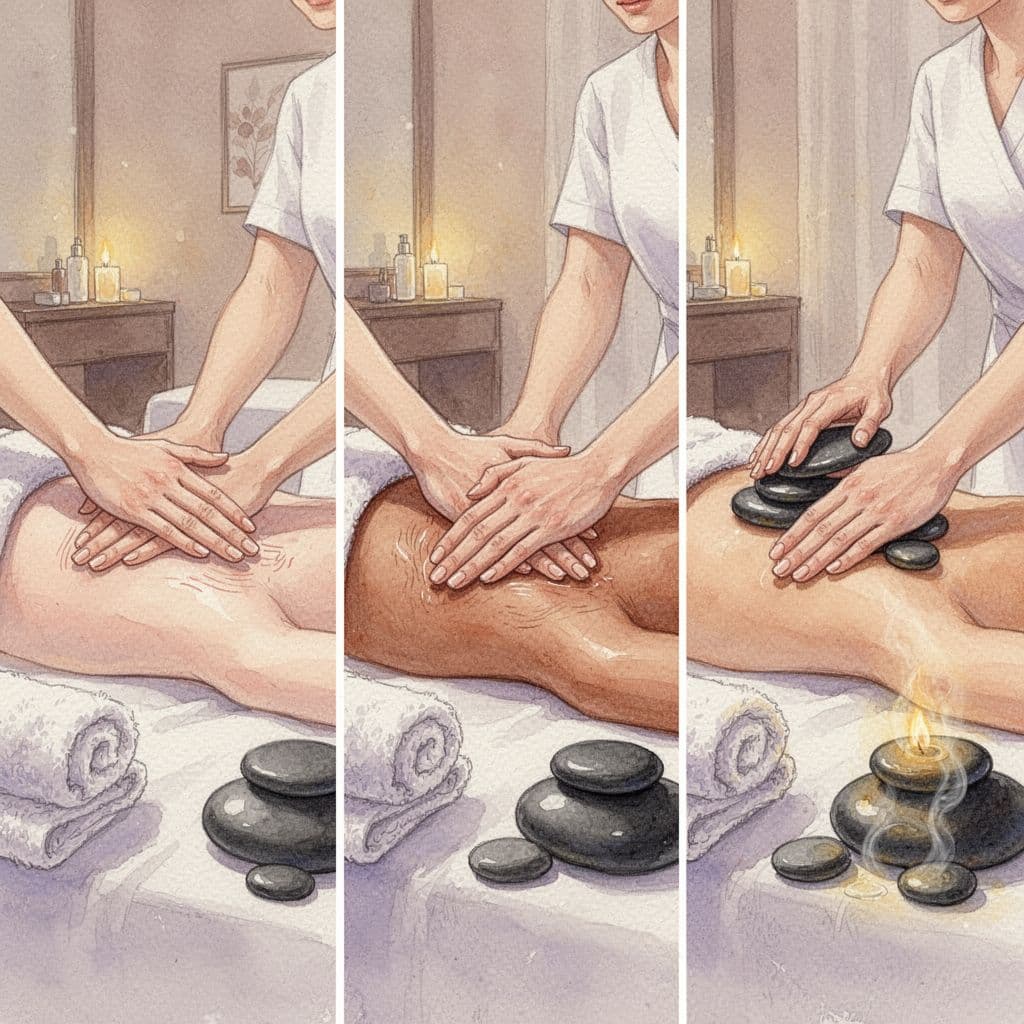 ### Swedish massage for gentle full body relaxation
Swedish massage is one of the most common choices for a full body massage. It uses flowing strokes, light to medium pressure, and a steady rhythm that helps the body settle without feeling overwhelmed. If you want a session that feels soothing rather than intense, this is often the easiest place to start.
The therapist usually spends time on the back, shoulders, neck, arms, legs, hands, and feet, using long gliding strokes to warm up the muscles first. Kneading and circular movements may follow, but the touch usually stays gentle enough to keep the session relaxing. In practice, Swedish massage feels like a smooth reset for tired muscles.
People often choose this style for stress relief, general muscle ease, and a calmer spa experience. It also works well for beginners because the pressure is easy to tolerate and the session is usually straightforward. If you have never booked a massage before, Swedish is often the least intimidating option.
For a broader look at the styles spas commonly offer, this massage types guide is a helpful next read.
Deep tissue massage when soreness needs more focus
Deep tissue massage changes the feel of a full body session right away. The therapist uses slower, firmer pressure to work into tight muscles and stubborn tension, especially when the problem runs deeper than surface soreness. It can still cover the whole body, but the work is usually more focused.
You may notice longer attention on the neck, shoulders, and lower back, since those areas often hold the most tension. The therapist may also use forearms, elbows, or strong thumb pressure to reach dense muscle groups. That makes the session feel more targeted, even when it still follows a full body flow.
This style is a better fit for people who want a stronger session and do not mind a bit of discomfort during the process. It is commonly chosen after long workweeks, heavy exercise, or periods of muscle tightness that do not ease with lighter massage. A deep tissue session can feel a little more like working a knot out of rope than smoothing out a wrinkle.
A few common differences you might notice include:
- Slower pacing, so the therapist can spend more time on tight areas
- More pressure, especially on the back, shoulders, and hips
- Less emphasis on full relaxation, more focus on releasing stubborn tension
Deep tissue massage can still be a full body treatment, but it usually gives more time to the places that need attention most.
Hot stone, aromatherapy, and other spa variations
Hot stone massage keeps the basic full body structure, but it adds warmed stones to the experience. The therapist may place the stones on key areas or use them as tools during the massage, which gives the muscles a slow, comforting warmth. That heat can make the session feel softer and more deeply relaxing, even when the pressure stays light.
Aromatherapy works differently. Instead of changing the pressure, it changes the mood through essential oils and scent. Lavender, eucalyptus, citrus, and other blends can make the room feel calmer, fresher, or more uplifting, depending on what the spa uses. According to WebMD’s overview of massage styles, these kinds of variations can change the experience as much as the technique itself.
Other spa variations may include assisted stretching, herbal oils, or a mix of methods within one session. The structure is still recognizable, back, shoulders, arms, legs, feet, but the extras change how the treatment lands on your body. One massage may feel warm and cocoon-like, while another feels clean, crisp, and lightly scented.
That is why it helps to ask what is included before you book. A spa may advertise a full body massage, yet the actual experience can lean toward relaxation, recovery, or sensory comfort depending on the style behind it. If you want a calmer feel, choose a gentler treatment. If you want more heat or scent, ask for it upfront.
Why the style changes your expectations
The label “full body massage” tells you the areas that may be worked, but it does not tell you everything about the session. Style matters because it shapes the pressure, the pace, the amount of time spent on each body area, and whether extras like stones or oils are part of the treatment.
That also means your expectations should match your goal. If you want to unwind, a Swedish session may give you the right pace. If soreness is the problem, deep tissue usually makes more sense. If you want warmth and a more spa-like feel, hot stone or aromatherapy can change the mood without changing the basic body map.
A simple way to think about it is this:
- Same body areas, because most full body massages still cover the major muscle groups.
- Different technique, because each style uses pressure and movement in its own way.
- Different extras, because some treatments include heat, scent, or longer work on tight spots.
For a more complete look at how therapists tailor sessions to your needs, this Nairobi massage guide is a useful reference. It can help you compare styles before you choose the one that fits your body best.
The result is simple, you get more out of the massage when you know what kind of session you are booking. Once you understand the style, the list of included areas matters less than the way those areas are treated.
How to choose the right full body massage for your needs
The best full body massage is the one that matches your goal, your comfort level, and your body’s current condition. A session that feels perfect for stress relief may feel too light for sore muscles, while a recovery-focused massage can feel too intense if you just want to relax.
A smart choice starts with one simple question: what do you want most out of the session today? Once you answer that, the style, pressure, and focus become much easier to narrow down.
Pick your goal, relaxation, pain relief, or recovery
Your main goal should guide the entire massage. If you want to unwind, a gentler treatment with smooth, flowing strokes usually fits best. Swedish massage, aromatherapy, and hot stone work are often better for people who want calm, warmth, and a slower pace.
If pain relief is the priority, ask for more focused attention on the areas that feel tight or overworked. A therapist may use firmer pressure, slower movements, or trigger-point-style work on the shoulders, lower back, or legs. For muscle recovery, that deeper attention makes more sense than a purely relaxing session.
For example:
- Relaxation usually calls for lighter pressure and a steady rhythm.
- Pain relief often needs targeted work on specific sore spots.
- Recovery may benefit from deeper pressure, longer time on large muscles, or a sports-style approach.
If you exercise often, tell the therapist what you did recently. A post-run massage and a post-lifting massage can feel very different. Recovery work should support your body, not leave it feeling battered.
For a quick comparison of common styles, this massage types guide is helpful if you want to match a treatment to your goal before you book.
The right massage should support what your body needs today, not what sounded good on a random day last week.
 ### Talk about injuries, sensitivities, and boundaries
Any injury, soreness, or health concern should be mentioned before the session begins. That includes pulled muscles, recent surgery, pregnancy, skin issues, joint pain, and any area that feels unusually tender. A professional therapist can only adjust the massage properly if they know what’s going on.
This matters even more with a full body massage because the therapist moves through several areas of the body. What feels fine on your back might be a bad idea for a bruised shoulder or an inflamed ankle. Clear communication keeps the session safe and more effective.
You should also name the areas you do not want touched. That might be the feet, scalp, abdomen, inner thighs, or any other spot that feels too personal or too sensitive. Boundaries are normal, and a good therapist will respect them without making you explain yourself.
A few things to say before the massage starts:
- Injuries or pain points, so pressure can be adjusted
- Pregnancy or recent surgery, so the treatment stays appropriate
- Skin sensitivity or allergies, especially if oils or lotions are used
- Areas off limits, so the therapist knows exactly where not to go
If you want firmer work but only on certain muscles, say that clearly. If you prefer a light touch because your body is sensitive, that’s fine too. In a professional setting, boundaries are part of good service, not a problem to manage.
Match pressure and style to your comfort level
Comfort level matters just as much as the massage type. Some people want slow, gentle strokes that help them mentally switch off. Others prefer stronger pressure because lighter work feels too superficial. Neither choice is better. They just serve different needs.
If you’re new to massage, start lighter than you think you need. You can always ask for more pressure, but it’s harder to recover from work that feels too intense. First-time clients often do better with a Swedish-style session because it introduces the full body experience without overwhelming the muscles.
Regular massage lovers may already know what their body tolerates. Still, it helps to be specific. Say whether you want broad relaxation, firm pressure, or a mix of both. You can also ask the therapist to spend more time on one area and less on another, which keeps the session balanced.
A good rule is simple: the massage should feel productive, not punishing. You might notice firm pressure or momentary tenderness in tight areas, but you should not feel like you’re bracing through the whole session.
Use your daily routine to guide the choice
Your lifestyle can point you toward the right treatment faster than any menu. If you sit at a desk all day, your neck, shoulders, wrists, and lower back probably need attention. If you stand for long hours, your calves, feet, and hips may need more work. If you train hard, recovery support becomes more important than general relaxation.
The best full body massage matches your habits as much as your mood. For example, a gentle monthly session may be enough for stress relief, while active people often need more regular recovery work. In other words, the massage should fit into your life, not sit apart from it.
Before booking, ask yourself:
- Am I mostly tense, sore, or just drained?
- Do I want to feel calm, looser, or both?
- Are there any spots that need extra care or should be avoided?
That quick check makes it much easier to choose the right session and talk to the therapist with confidence.
Conclusion
A full body massage usually includes the back, shoulders, neck, arms, hands, legs, feet, and sometimes the scalp. Other areas are only included when you agree to them, which is why clear communication matters just as much as technique.
The best sessions feel calm, respectful, and focused on comfort. When you know what to expect, it becomes easier to choose the right style, speak up about pressure, and relax into the treatment instead of second-guessing it. If you want a clearer idea of how a session is structured in practice, this full body massage overview in Nairobi is a helpful reference.
That simple breakdown is the main takeaway, a good full body massage covers the major muscle groups, stays within your boundaries, and gives your body room to unwind. Knowing what’s included makes it easier to book with confidence and enjoy the session more.
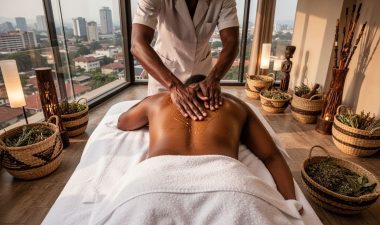
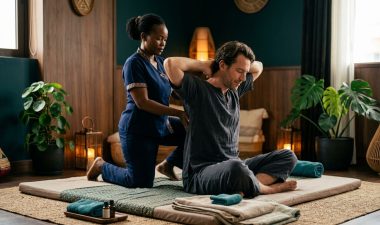

[…] deep tissue, Thai, and foot treatments, read this Nairobi massage guide. You can also review what a full body massage includes before […]